The Editorial Picnic Photoshoot: Elevating Outdoor Portraits Into Something Extraordinary
· Yogi
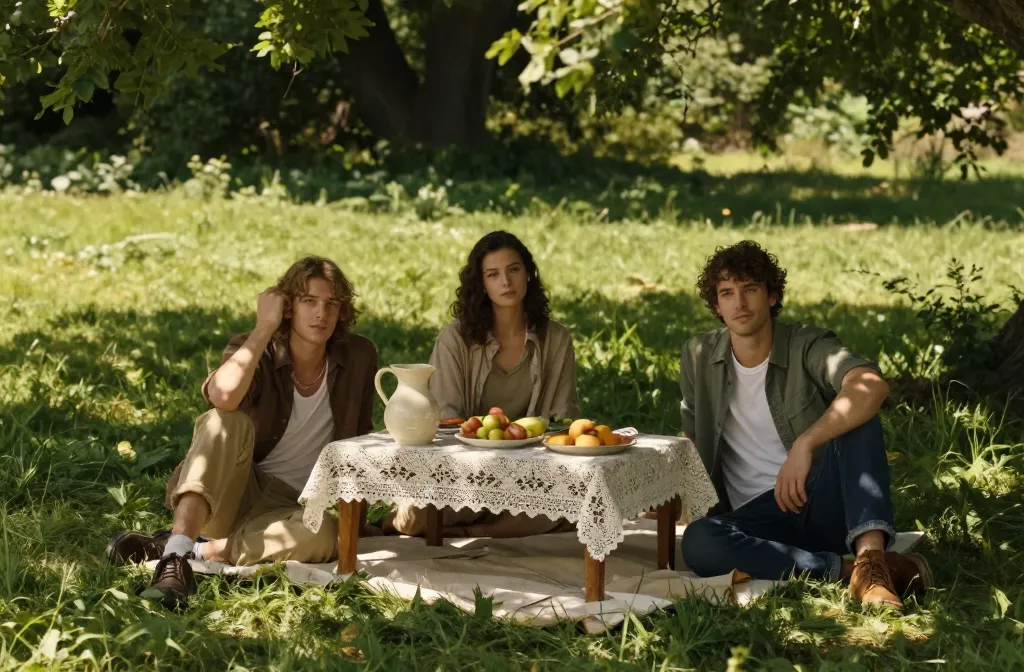
- Best for: A creative outdoor portrait session with a magazine-like vibe
- Make ahead: No (planning on shoot day preferred, prep a few weeks prior)
- Serves: 1–6 models, scalable for small teams
- Key tip: Treat every frame like editorial content—composition, light, and wardrobe must tell a story
The Editorial Picnic Photoshoot is where lush outdoor portraiture meets storytelling. The {primary_keyword} becomes a tangible moment on film, not a puzzle of random smiles. You’ll learn how to craft a narrative with light, location, and wardrobe—transforming a routine park into a magazine-ready scene. By the end, you’ll know exactly how to direct clients and shoot with a purpose that elevates every frame.
1) Casting the Scene: Location, Light, and Mood
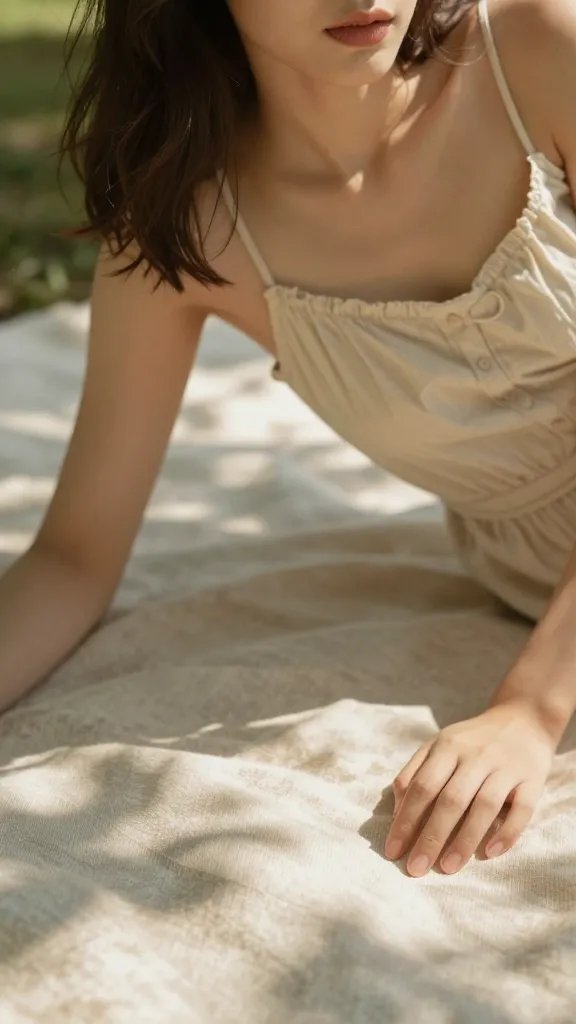
Outdoor portraits thrive on controlled contrast. Start with a thoughtful location—a shaded meadow, a rustic wooden bench, or a sunlit clearing with natural framing. The key is to align the mood with the subject’s story. If you want a sun-drenched editorial look, place your subject near open shade to avoid harsh highlights. If moody and cinematic is the goal, hunt for dappled light through trees.
What to plan:
- Scout spots at the same time of day you’ll shoot to pre-visualize the light.
- Bring a reflector or portable fill to tame shadows without flattening texture.
- Create color harmony by coordinating wardrobe with the surrounding scenery.
2) Editorial Wardrobe and Styling: From Picnic to Print
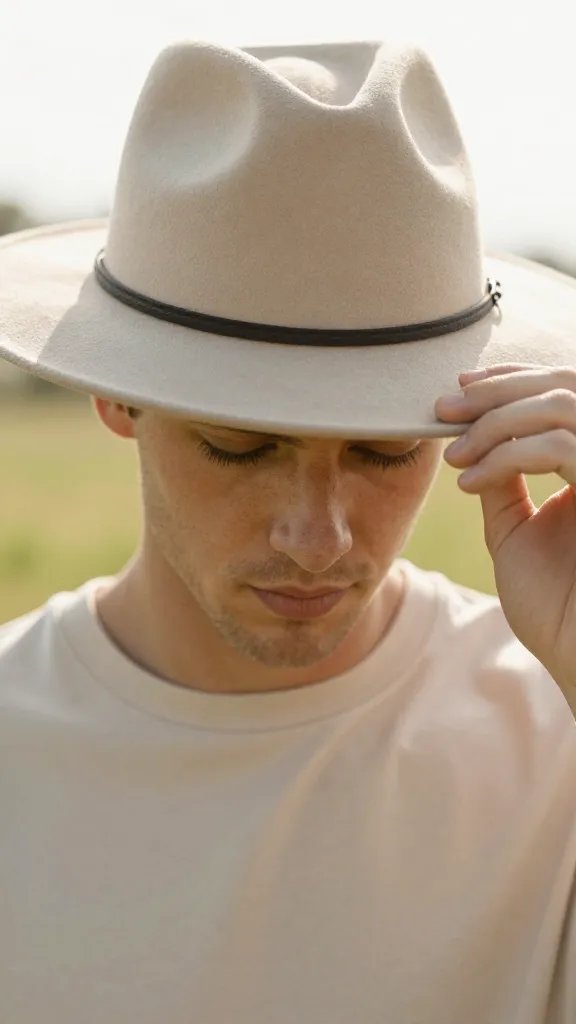
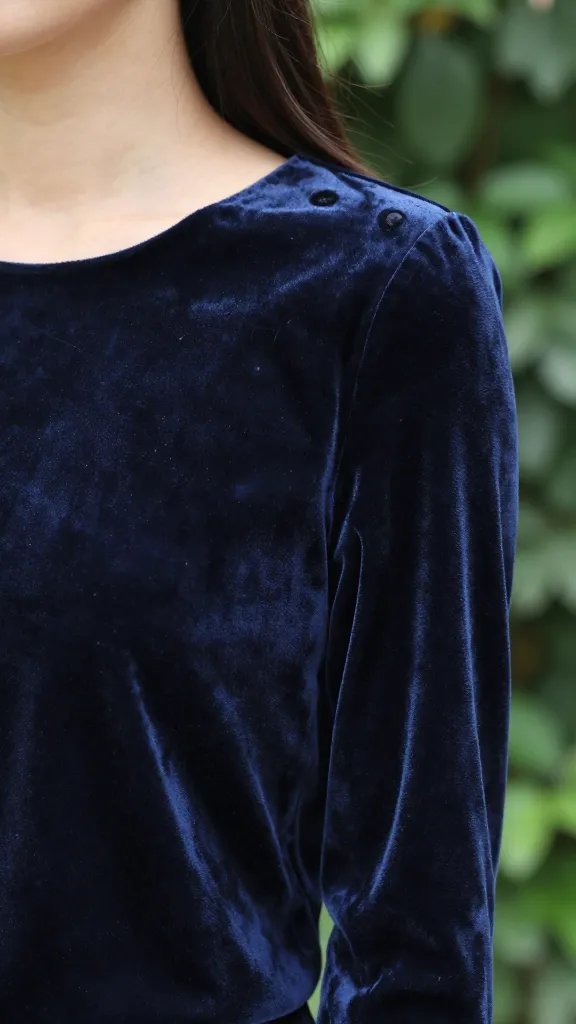
Wardrobe is the bridge between a casual picnic and a polished editorial portrait. Choose textures that read well on camera and avoid busy patterns that fight with the background. A cohesive palette—think creams, olives, and soft blues—lets the subject emerge as the focal point. Accessories should feel intentional, not decorative afterthoughts.
Tips for styling:
- Limit patterns to one statement piece per person; pair it with solid neutrals.
- Layer textures—linen, denim, and light knit—to add depth.
- Coordinate, don’t match. Aim for harmony rather than identical outfits.
3) The Editorial Pose Playbook: Directing That Story
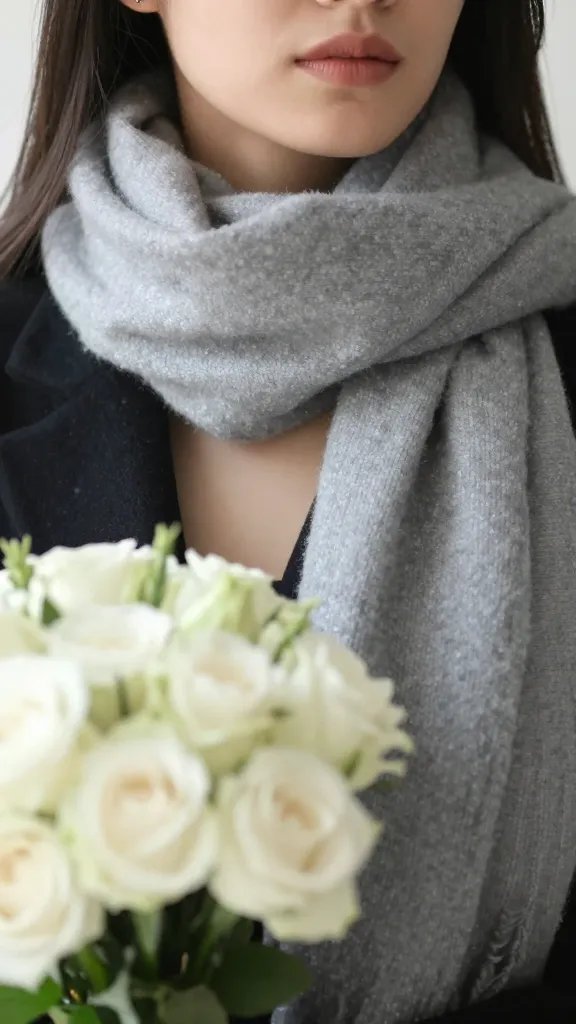
A great portrait tells a story in a single frame. Start with a few natural prompts, then move into more deliberate editorial poses. Encourage a sense of movement—checking a watch, adjusting a hat, or walking slowly along a path—to evoke candidness within a composed frame. Use the environment as a prop: sit on the grass, lean against a fence, or hold a bouquet that echoes the season.
Suggested flow:
- Warm-up shot: a relaxed pose to build rapport.
- Interaction: two-person scenes that convey relationship or mood.
- Close-up: a quiet moment with eye contact, wind in hair, or a subtle smile.
4) Composition Essentials: Framing for a Magazine Look
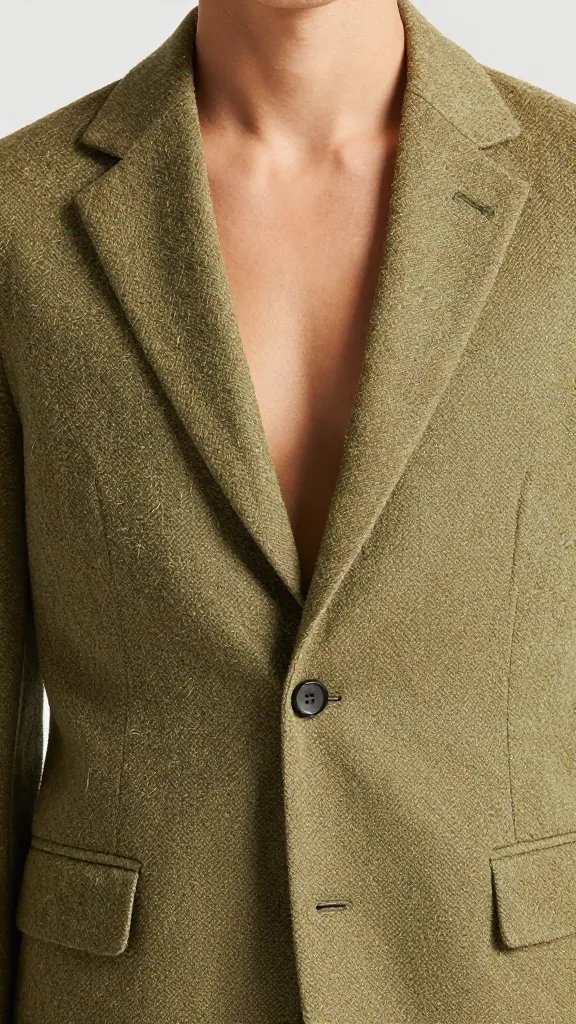
Think editorial from the first click. Framing should guide the viewer’s eye to the subject while utilizing the environment as a supporting character. Use leading lines—a fence, path, or row of trees—to pull attention inward. Rule of thirds works, but don’t be afraid to break it for a stronger story punch. A shallow depth of field can isolate the subject from a busy background, making the picnic setting feel intentional rather than accidental.
Key compositional moves:
- Position the subject slightly off-center for dynamic energy.
- Experiment with vertical vs. horizontal crops to adapt to poster, banner, or social thumbnails.
- Include a hint of foreground or background to enrich context without clutter.
5) From My Kitchen: What Actually Works
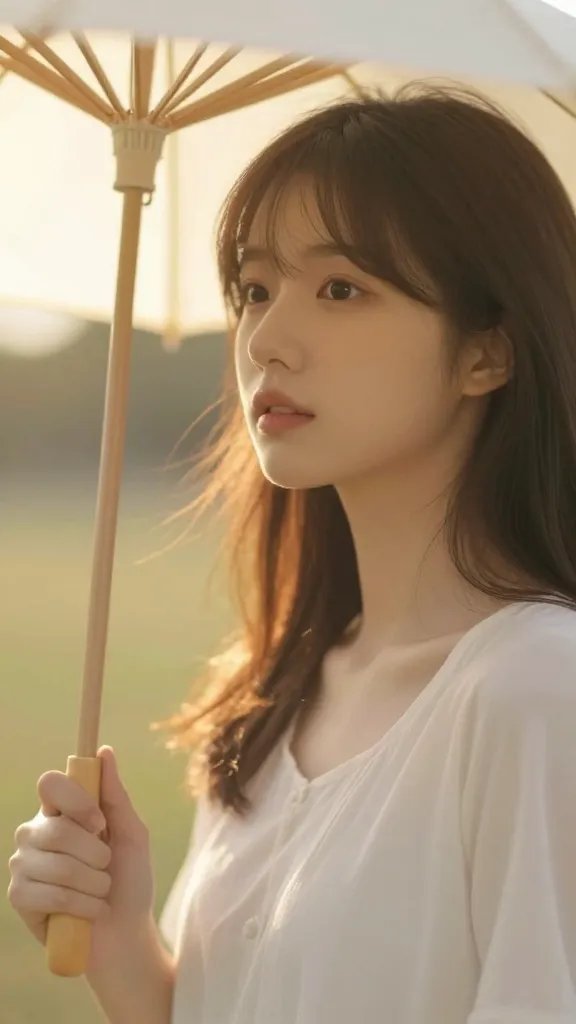
When I shoot outdoor portraits for magazines, the biggest win is planning the timing around the light. I love golden-hour windows, but I often schedule a soft second light with a reflector to maintain texture in skin. For a picnic vibe, I test two wardrobe changes to capture both casual and chic reads without losing continuity. I’ve found that the simplest props—a vintage blanket, a single bouquet, or a sunhat—can anchor the scene without stealing focus from the subject.
One practical detail: I always bracket exposure for the first five frames to find a stable baseline. If you’re feeding a team after a long setup, a tiny clipboard with shot lists helps keep everyone on the same page. And yes, I keep a small lint roller handy—the little things matter when the cheese crumbles appear on a picnic blanket.
6) The Tech Toolbox: Gear that Delivers without Drama
You don’t need a studio to pull off an editorial picnic. A reliable full-frame body, a light to moderate lens kit, and a sturdy tripod for longer exposures in lower light will do. If you’re chasing a creamy bokeh and crisp foreground detail, a 50mm prime or 85mm lens works wonders. Remember: keep your camera settings simple enough to react to changing conditions quickly.
Gear checklist:
- Body with solid low-light performance
- 50mm or 85mm lens for flattering portraits
- Reflector and a small softbox for subtle fill
- Lightweight tripod and remote shutter for long exposures
7) Interaction and Internal Flow: Keeping the Shoot on Track
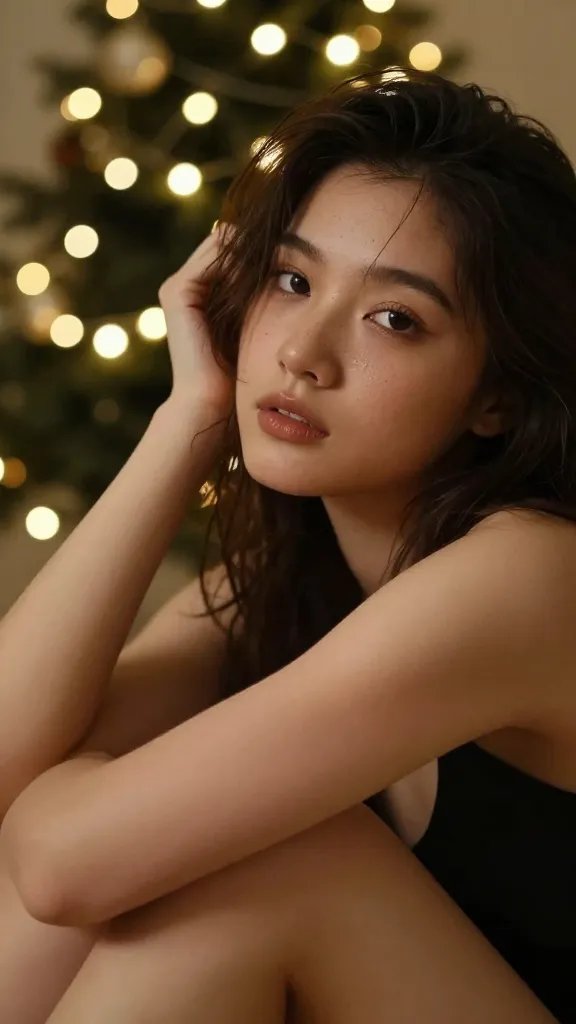
Magic happens when everybody on set feels connected to the vision. Start with warm-up prompts that orient the subject to the camera, then layer in editorial cues—pose angles, subtle head tilts, and intentional hand placements. Continually loop back to the story you want to tell: is this a moment of quiet intimacy, playful camaraderie, or poised elegance?
Workflow ideas:
- Create a shot list with a narrative arc: opening, development, climax, closing.
- Take breaks at natural spots for a fresh eye or outfit adjustment.
- Review frames with the subject to align on next moves and keep energy high.
8) Color, Texture, and Post: Finishing the Look

Color grading should reinforce mood without becoming cartoonish. Aim for a natural look with a touch of filmic warmth or cool softness depending on the scene. Texture in post—grain, gentle vignettes, and subtle contrast—can elevate an outdoor portrait to editorial status. Keep retouching minimal and preserve the character of the moment—the way light fell, the wind in hair, the genuine expression.
Retouching priorities:
- Preserve skin texture; avoid over-smoothing.
- Selective color correction to maintain natural tones of skin and environment.
- Sharpen the subject subtly, while keeping the background soft.
Internal Links
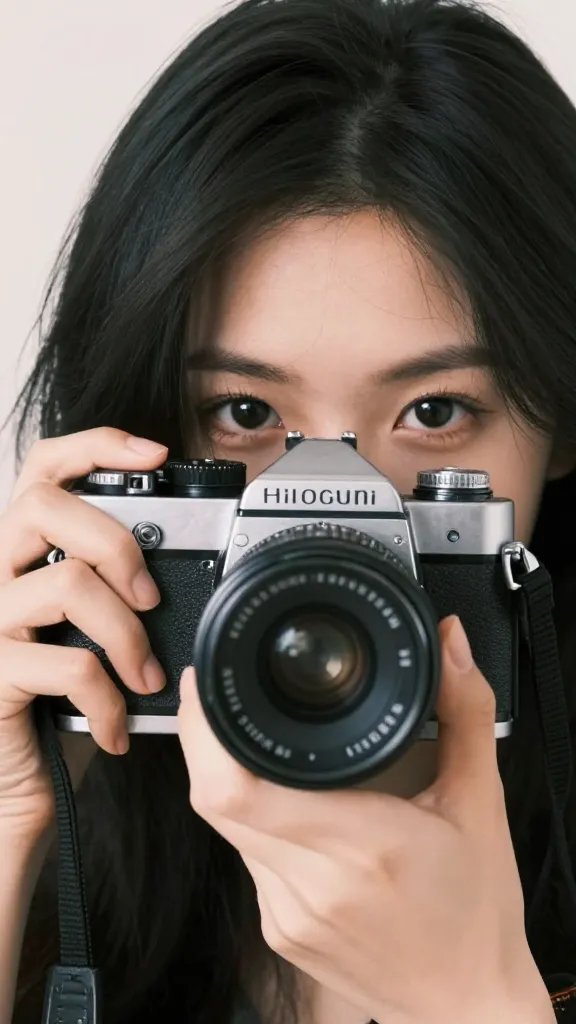
For readers who want to extend this idea, check out this chimichurri recipe for a picnic-inspired spread and these DIY picnic backdrop ideas to recreate the magazine feel at home. Both resources complement the editorial picnic approach by enhancing mood and experience around the portrait session.
Frequently Asked Questions
What makes an Editorial Picnic Photoshoot different from a regular outdoor portrait?
It centers on storytelling and editorial polish—carefully curated wardrobe, deliberate lighting, and a narrative-focused set of poses. The goal is a magazine-ready image, not just a pretty portrait.
How long does {primary_keyword} keep good in storage?
In practice, prints will age gracefully for years if stored properly—away from direct sunlight and humidity. For digital, back up raw files and keep a master in a stable archive. Expect modern prints to hold color well for a decade with good paper.
Can I shoot this concept with a small team?
Absolutely. A two-to-four-person team can cover styling, lighting, and photography while still maintaining editorial flow. The key is a clear shot list and a shared vision for the story you’re telling.
Can I adapt the picnic concept to a crowd shoot?
Yes—scaling up works if you treat it as a collaborative scene. Use cohesive color palettes and place subjects along cinematic lines or around a central set piece to maintain unity in the frame.
What’s the best way to serve {primary_keyword} for a crowd?
Plan two or three lighting setups and a quick rotation of poses. Keep prompts short and direct, and encourage natural interactions so the shots feel spontaneous rather than staged.
The Bottom Line
The Editorial Picnic Photoshoot blends outdoor charm with editorial precision, turning everyday spaces into story-rich portraits. With thoughtful location, wardrobe, posing, and light, you elevate simple moments into something print-worthy. Planning to try this? Save this post so you can find it when you need it — and tag us when you make it.
Leave a Reply