How to Serve Clam Chowder and Soups in Jars for a Cozy Picnic Tonight
· Samantha Jones
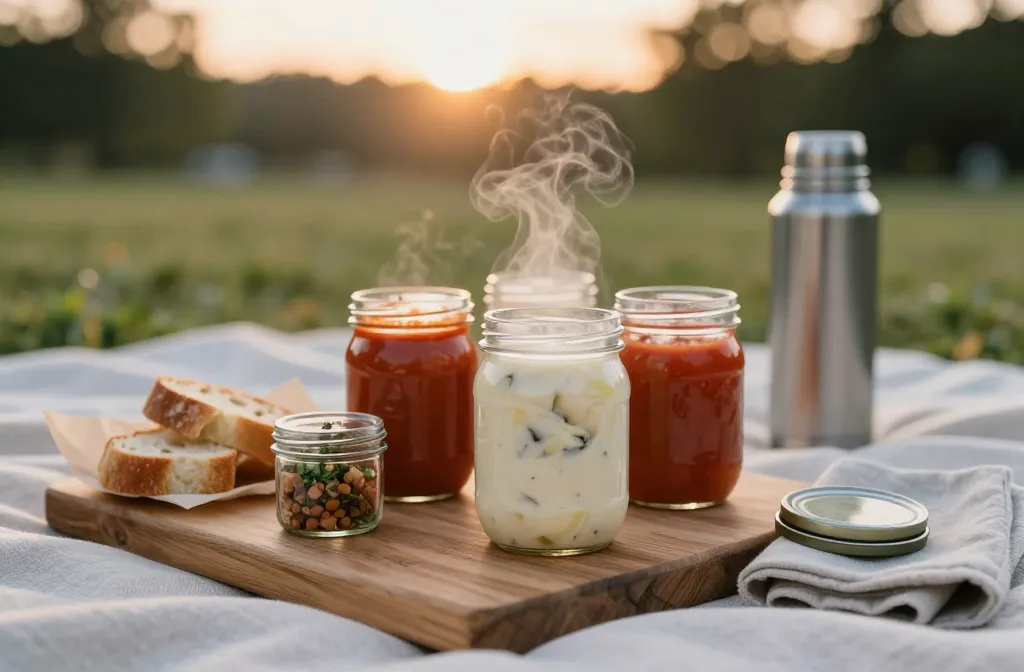
I started packing soups in jars after one too many picnics with lukewarm chowder and soggy bread. If you’ve ever juggled a thermos, bowls, and ladles on a park bench, you know the chaos. I refined a jar method that keeps chowder hot, bread crisp, and cleanup painless. You’ll learn jar sizes, safe reheating, packing order, and simple garnishes that travel well — so your picnic feels like a tiny outdoor bistro, not a camp kitchen.
The Right Jars and Lids Keep Heat In and Spills Out
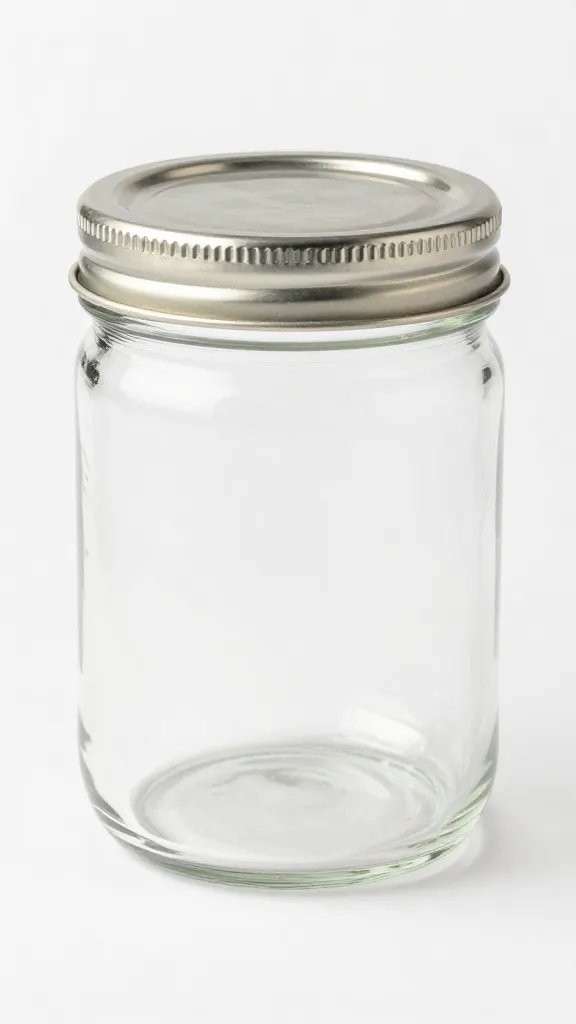
Choose straight-sided, wide-mouth canning jars — they heat evenly and are easy to eat from. I use 8 oz jars for rich chowders, 12–16 oz for lighter soups, and 4 oz for toppings like bacon and herbs. Always pair with new two-piece canning lids or leakproof screw-top lids rated for hot liquids.
Warning: Leave at least 1.5 cm (about a finger width) of headspace to prevent overflow and to fit toppings later. Skip flip-top swing lids; their gaskets can loosen with heat and movement.
Action today: Lay out the jars you already own and fill each with cold water to your target serving size — measure how many fit your picnic bag comfortably so you don’t overpack.
Preheating Is the Difference Between Piping Hot and Meh
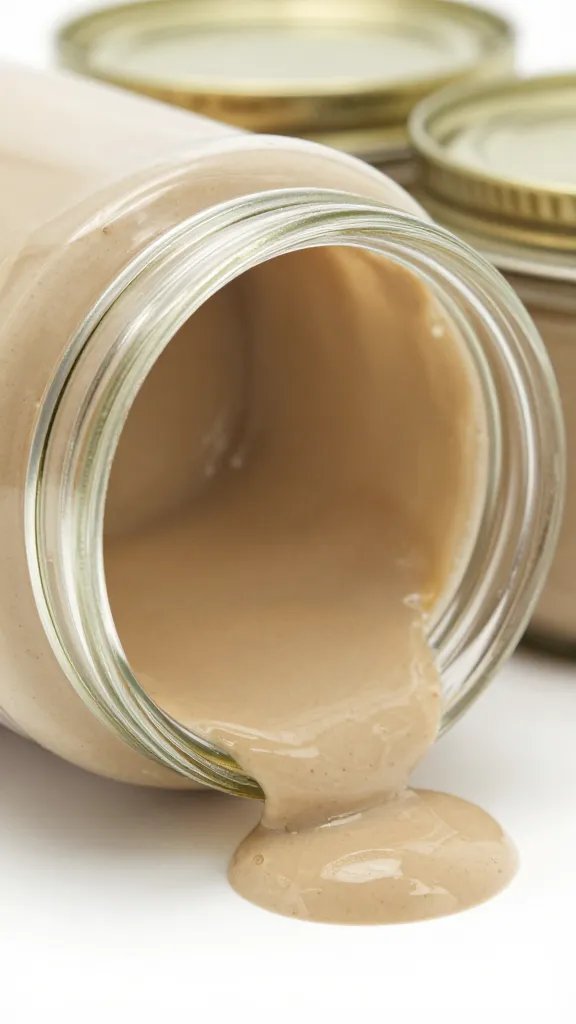
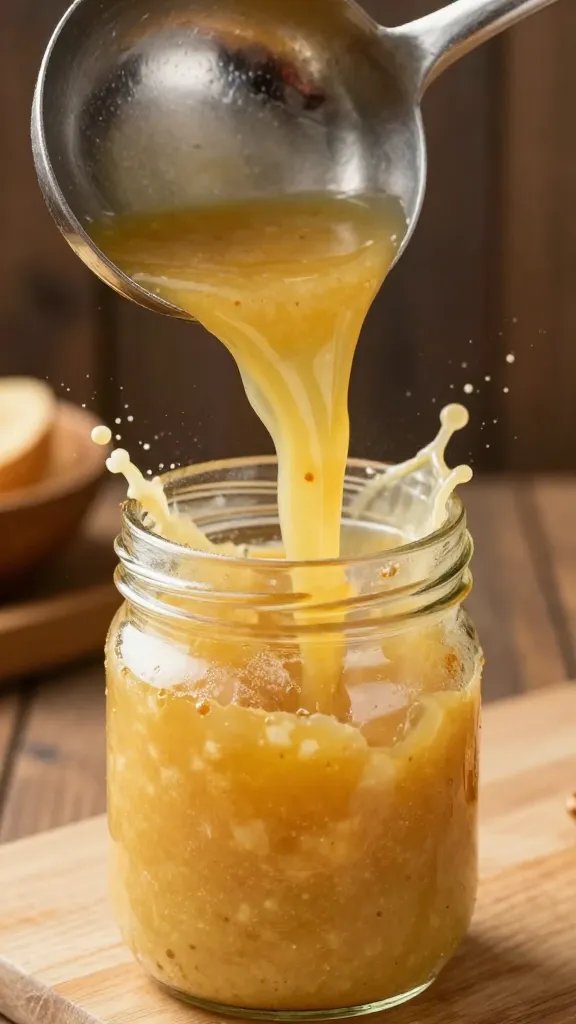
Cold glass steals heat fast. I preheat jars by filling them with boiling water, capping for 2 minutes, then draining right before ladling in hot chowder. Warm lids matter too; rest them in a bowl of hot tap water so they don’t shock-cool the rim.
Heat the chowder to a gentle simmer on the stove until it’s steaming and just burbling, not a rolling boil. This locks in temperature without breaking dairy. Work quickly when filling.
Action today: Boil a kettle and run a two-minute preheat test on an empty jar — feel the difference in retained warmth after five minutes compared to a cold jar.
Layering and Textures: Keep Crunchy Things Crunchy
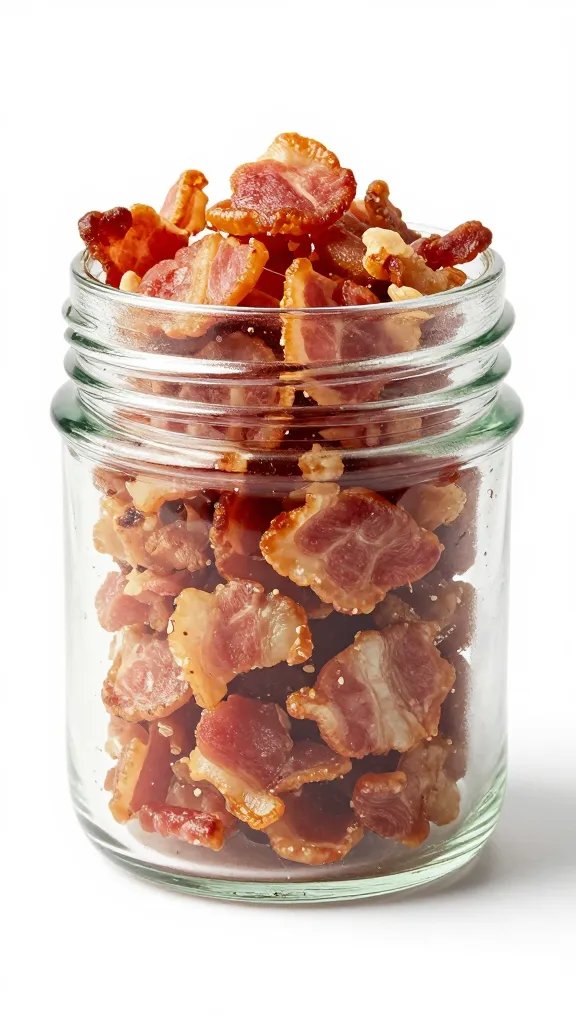
Chowder loves contrast, but croutons and bacon go limp if trapped in steam. I pack crispy toppings in separate 4 oz jars or reusable silicone cups: toasted breadcrumbs, bacon, oyster crackers, or chive oil in a leakproof mini bottle. For soups with noodles, pack cooked pasta separately and add at serving to prevent swelling.
Travel-Friendly Toppings That Hold Up
- Clam chowder: Bacon bits, chopped chives, parsley, oyster crackers, a lemon wedge, hot sauce.
- Tomato soup: Grilled cheese “soldiers,” pesto swirl, Parmesan crisps.
- Brothy soups: Lime wedges, chili oil, sesame seeds, shredded rotisserie chicken.
Action today: Portion one crunchy topping into a tiny jar and shake it after 30 minutes — if it stays crisp, it’s picnic-ready; if not, switch to a drier option like crackers.
Safe Cooling, Transport, and Reheating Without Special Gear
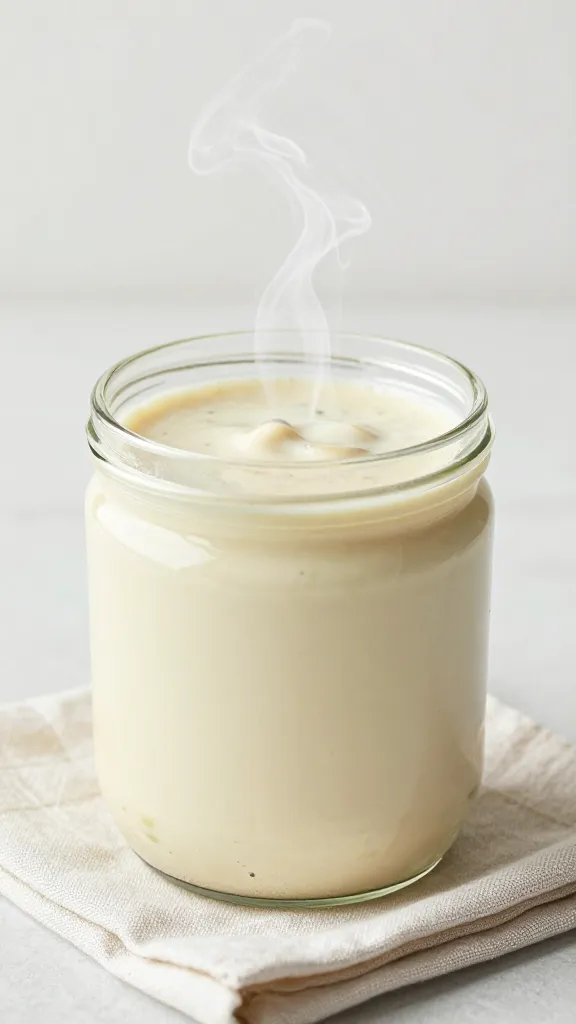
If you’re serving within 2 hours, fill preheated jars, seal firmly, and wrap them in tea towels inside an insulated tote with a small hot water bottle. For longer windows, chill jars quickly in the fridge (uncrowded shelf, lids on) and transport with ice packs, then reheat at the picnic spot if you have access to a stove or grill pan.
Step-by-Step: Same-Day Hot Hold Without a Thermos
- Preheat jars and lids; heat chowder to a gentle simmer.
- Fill jars, leaving 1.5 cm headspace. Wipe rims, seal.
- Wrap each jar in a tea towel. Pack upright in an insulated bag.
- Add a sealed hot water bottle or heat pack beneath the jars.
- Serve within 90–120 minutes for dairy-based chowders; 3 hours for brothy soups.
Warning: Do not pressure-can dairy chowders at home for shelf stability. These jarred portions are for same-day hot holding or fridge storage only.
Action today: Test your bag: pack one hot water–filled jar wrapped in a towel and check temperature after 90 minutes so you know your real-world heat loss.
Preventing Splits and Curdles in Creamy Chowders
Chowders split when overheated or held too hot for too long. Finish with dairy off the heat. I temper cream: warm it in a small pan, then whisk in a ladle of hot chowder, and stir back into the pot. Salt at the end to keep potatoes tender and dairy smooth.
Warning Signs and Quick Fixes
- Oily sheen or grainy cream: Take off heat, whisk in a splash of warm milk and a teaspoon of cornstarch slurry to re-emulsify.
- Too thick after transport: Stir in hot water or warm stock, 1 tablespoon at a time, until spoonable.
Action today: Practice tempering: heat 1/4 cup milk until warm, whisk with a spoonful of hot soup, then fold back in — you’ll see instant smoothness.
Smart Packing: Bowls, Spoons, and Tiny Comforts
Jars double as bowls, but I still pack 1–2 lightweight enamel mugs for anyone who prefers a handle. Bring sturdy metal or compostable spoons, napkins, and a small cutting board to set hot jars on. A pocket knife opens lemon wedges and cheese packets without fuss.
Add a “comfort bag”: a microplane for quick Parmesan, a tiny bottle of chili oil, and two tea candles with a matchbook for ambiance if you linger at dusk. These weigh almost nothing and turn a bench into a table.
Action today: Build a permanent picnic kit: 2 mugs, 4 spoons, 4 napkins, one board, salt, pepper, and a small trash bag — keep it by the door so you never scramble.
Serving Rituals That Make It Feel Special Outdoors
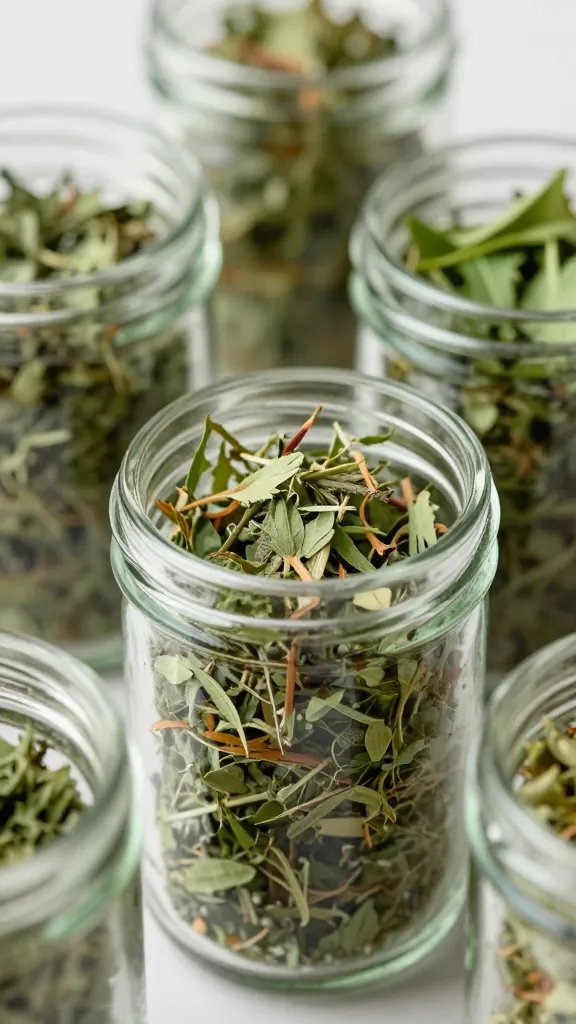
I set out toppings first so people customize before opening their jars. Crack the lid, breathe in the steam, then add crunch, herbs, and a finishing drizzle. For chowder, I pass lemon wedges — one squeeze brightens the creamy base without making it watery.
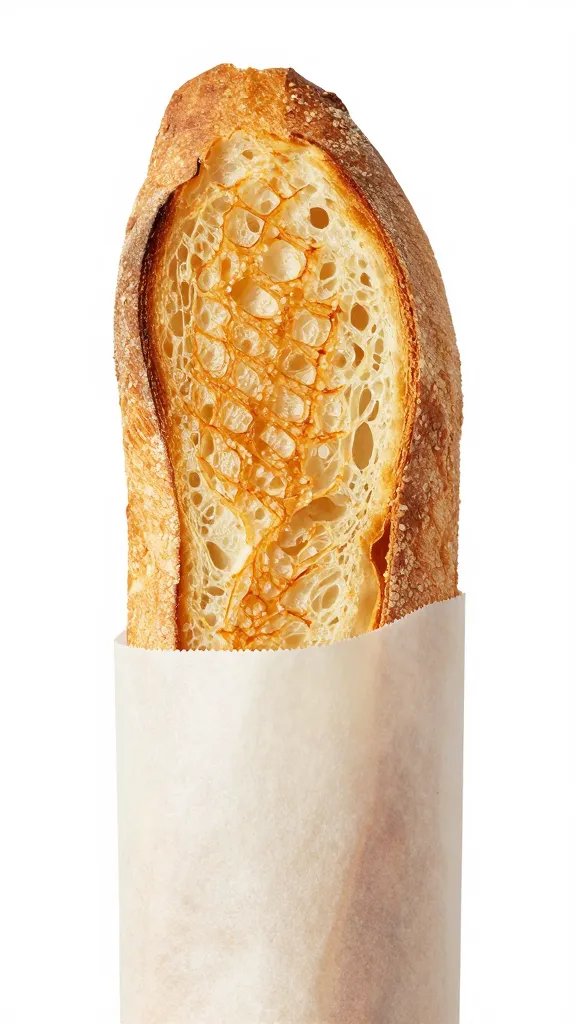
Pair with a crusty baguette wrapped in a clean towel to keep it warm. If you packed grilled cheese “soldiers,” slice them at the park so the edges stay crisp.
Action today: Prep one simple finishing oil: mix 2 tablespoons olive oil with 1/2 teaspoon smoked paprika and a pinch of salt in a mini bottle — it turns any jar into a restaurant bowl.
Frequently Asked Questions
Can I pour boiling-hot soup directly into jars?
Yes, if you preheat the jars with boiling water first and use wide-mouth canning jars. Cold jars can crack from thermal shock. Always leave 1.5 cm headspace and tighten lids firmly but not excessively. Set filled jars on a towel, not a cold countertop, to protect the glass.
How long will clam chowder stay hot in a jar?
With preheated jars, tight lids, and an insulated tote, chowder stays pleasantly hot for about 90–120 minutes. Wrap each jar in a tea towel and add a heat pack under the bundle to stretch that window. If you expect delays, chill and reheat at your destination rather than risk lukewarm chowder.
What’s the safest way to transport dairy-based soups?
Keep them either hot and consumed within 2 hours, or cold below fridge temperature with ice packs and serve within 24 hours. For cold transport, fill cooled chowder into jars, refrigerate uncovered for 20 minutes to drop steam, then cap and pack with ice. Reheat gently to steaming, not boiling, before serving.
How do I stop crackers and bacon from going soggy?
Store them in separate small jars or zipper bags and add at the last second. For bacon, cook it crisp and drain thoroughly on paper towels before packing. Oyster crackers stay driest if you tuck a folded paper towel inside the topping jar to absorb travel humidity, then remove it before serving.
Can I reheat jarred soup over a camp stove or grill?
Do not place glass jars directly over flame. Instead, pour soup into a small pot or enamel mug and warm gently until steaming. If you must reheat in a water bath, set closed jars in a pot of hot (not boiling) water and heat slowly, then open and serve. Always check temperature by stirring; hot spots hide under the surface.
What jar size works best for kids or small appetites?
Use 8 oz jars for chowders and 6–8 oz for rich purees. Pack two per person for flexibility — they can have seconds if they want, and leftovers cap tightly for the ride home. Smaller jars also retain heat better relative to surface area, so they arrive nicely hot.
Conclusion
You now have a complete, low-fuss system to serve clam chowder and soups in jars that arrive hot, taste bright, and keep their crunch. Pick one soup, preheat your jars, and pack a single topping today — you’ll feel the upgrade the first time you crack that warm lid outdoors. When you’re ready, explore a second jar menu: one creamy chowder plus one brothy soup, each with its own finishing oil. That’s a picnic that feels intentional, cozy, and repeatable all year.
Leave a Reply