Master the Art of the Individual “Salad Jar”: Mess-Free Picnic Food
· Yasmine Taljaard
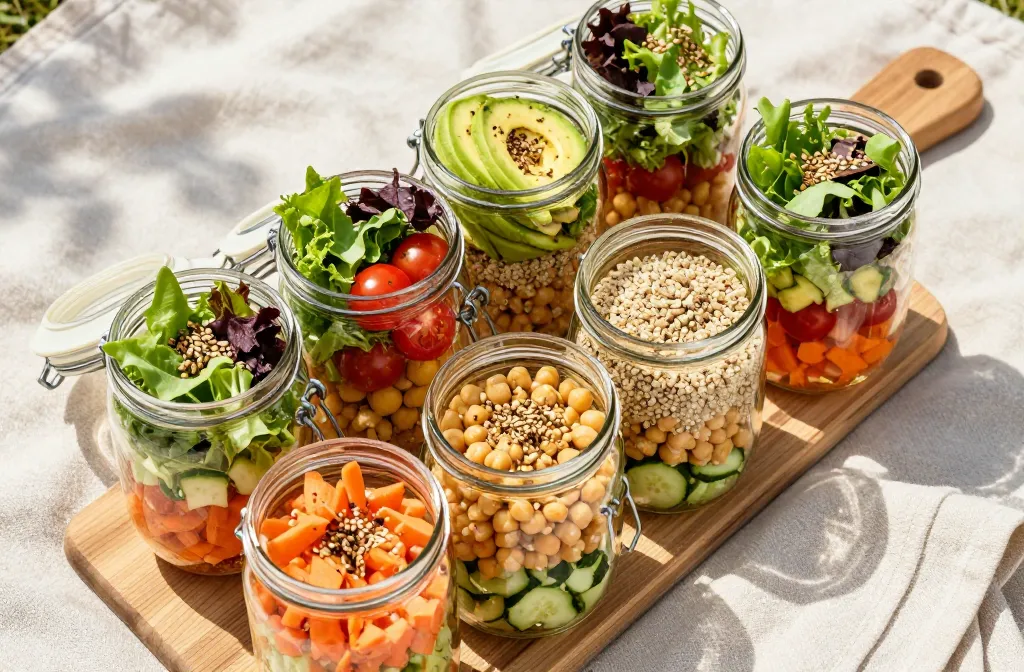
I started packing salad jars after one too many soggy, dressing-soaked lunches on the park bench. If you’ve ever opened a picnic container to find wilted lettuce and wet bread, you know the disappointment. After dozens of trials, I settled on a simple stacking method, right-size jars, and ingredients that hold up to a walk, a car ride, and two hours on a picnic blanket. You’ll learn exactly how to build and pack jars that pour out perfectly dressed salads with zero leaks and no limp greens.
The Layering Logic That Keeps Greens Crisp
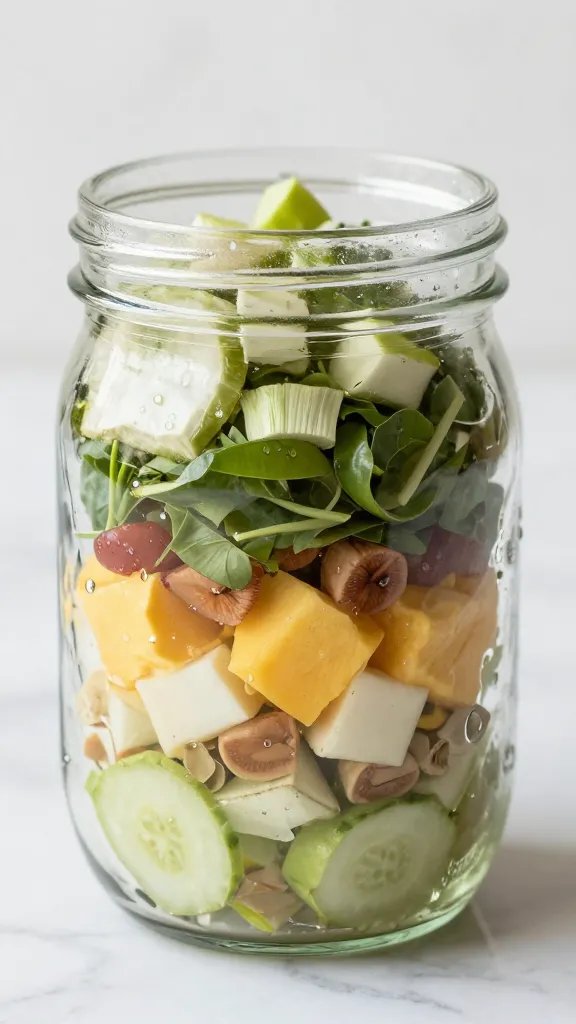
A salad jar works because each layer acts like a barrier. Heavy, wet items sit at the bottom with the dressing, while delicate greens ride at the top out of harm’s way.
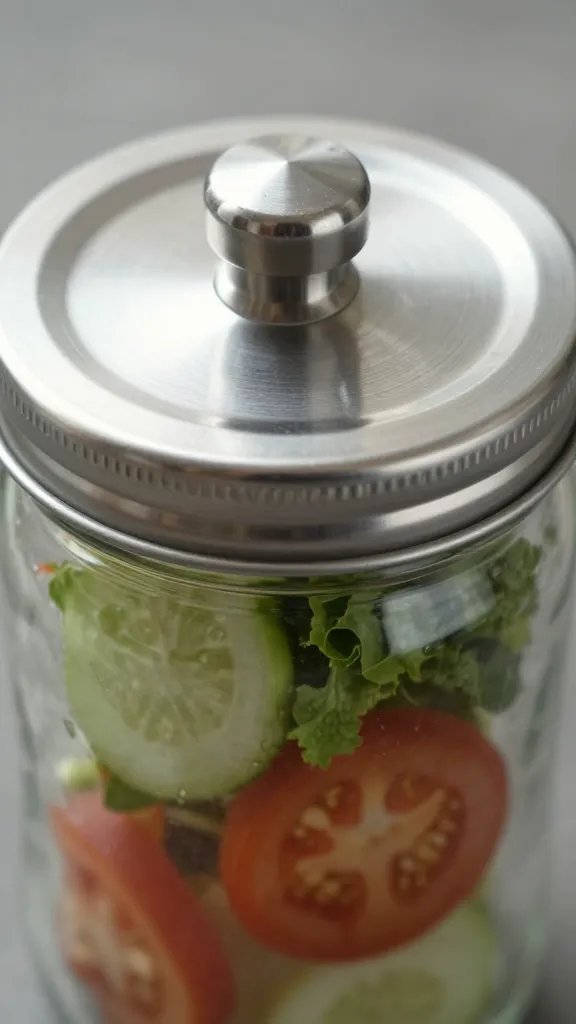
I follow a strict order: dressing → hard veg → proteins/grains → soft add-ins → greens → fragile crunch. Dressing soaks into firm veg like carrots instead of wilting lettuce. Greens touch dry ingredients only, so they stay perky until you shake and pour.
Action today: Sketch your next jar using that exact order and commit to it for every build.
Jars, Lids, and Leak-Proof Packing
I use wide-mouth glass jars because they fill and pour cleanly. Pint (16 oz) works for a side; quart (32 oz) makes a full meal. Plastic containers flex and can pop lids under pressure; glass with screw bands holds a seal in a backpack.
For travel, I tighten the lid, invert the jar for three seconds to confirm no drips, then carry it upright. If I’m packing carbonated drinks nearby, I wrap the jar with a tea towel to prevent clanking and thermal shock.
Material recommendations
- Jars: Wide-mouth 16 or 32 oz canning jars from any hardware store.
- Lids: Two-piece metal canning lids or reusable one-piece silicone-sealed lids.
- Extras: Small condiment cup if you insist on separating dressing, though proper layering removes the need.
Action today: Test your chosen jar with 2 tablespoons of water and a shake. If it mists or leaks, replace the lid before packing food.
Ingredient Choices That Travel Well
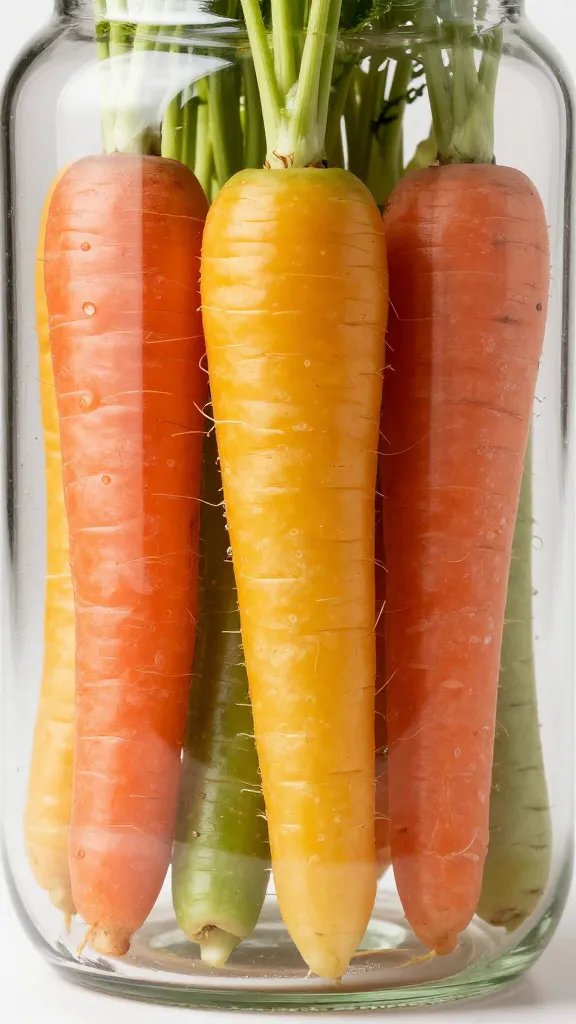
The jar gives structure; the ingredients decide if you eat a great meal or a damp one. I build from sturdy items that improve with brief marination at the bottom and keep fragile textures at the top.
Sturdy base (directly on dressing)
- Carrots, cucumbers, radishes, celery, bell peppers: Cut into 1 cm chunks or coins.
- Blanched green beans or broccoli: 2-minute boil, cold rinse, fully dry.
- Chickpeas, black beans, firm tofu, lentils: Rinsed and patted dry.
- Whole grains: Cooked and cooled farro, quinoa, or brown rice; fluff to release steam.
Middle layers (safe from direct sauce)
- Proteins: Chilled chicken, canned tuna (well-drained), hard-boiled eggs (quartered).
- Soft veg and fruits: Cherry tomatoes (left whole), roasted squash, roasted beets (dry exterior), apple slices tossed in lemon.
- Cheeses: Feta cubes, shaved parmesan, mini mozzarella drained well.
Top layers (stay dry and airy)
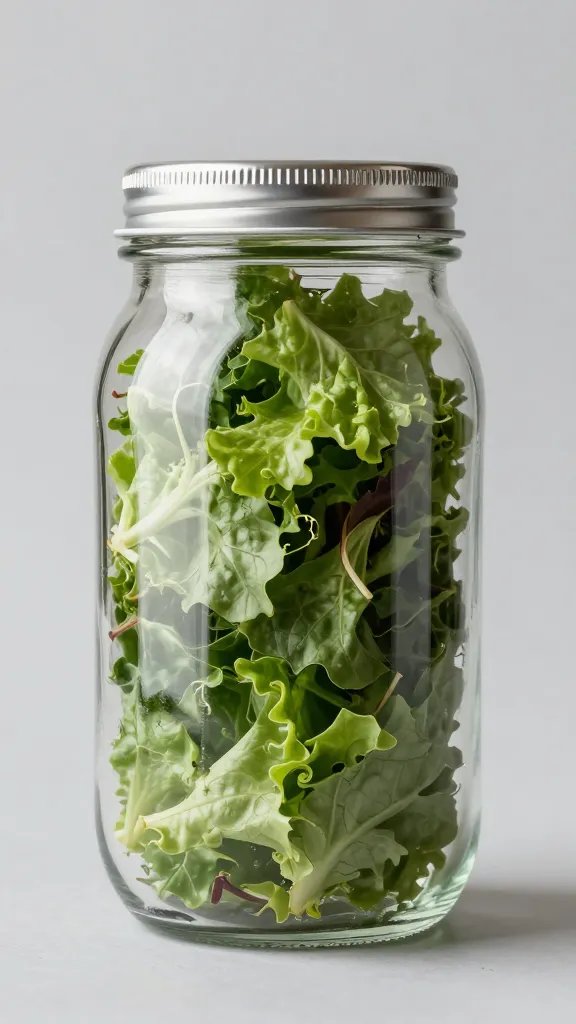
- Greens: Romaine, little gem, kale (de-stemmed and rubbed with oil), spring mix dried in a salad spinner.
- Crunch: Toasted nuts or seeds in the top 1–2 cm. Add croutons at picnic time.
Action today: Spin or pat your greens completely dry; water on leaves is the main cause of sogginess.
Fail-Safe Dressing Ratios and How Much to Use
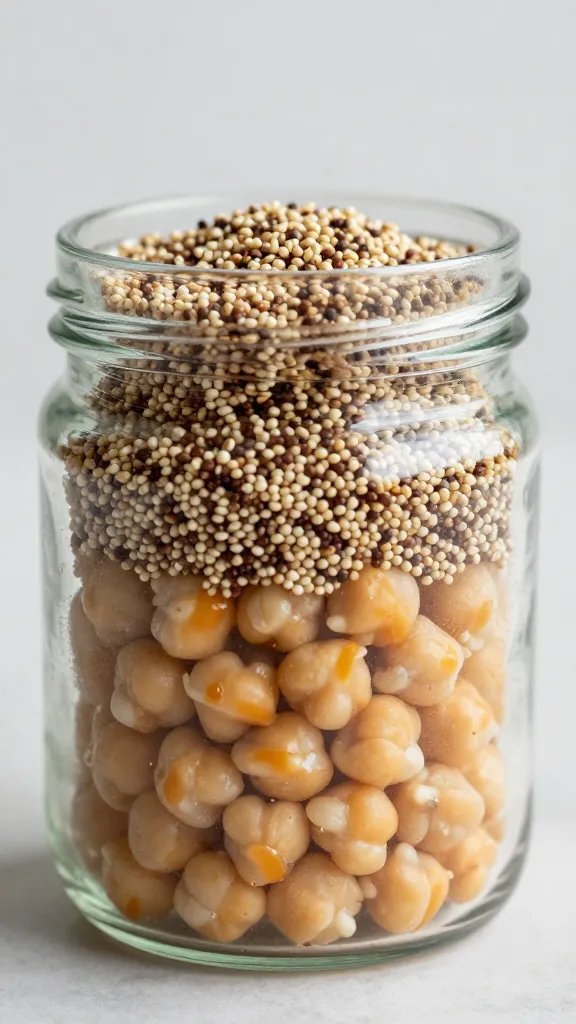
Too little dressing and you get a bland pour; too much and you drown the jar. I use 2 tablespoons of dressing for a 16 oz jar and 3–4 tablespoons for a 32 oz jar.
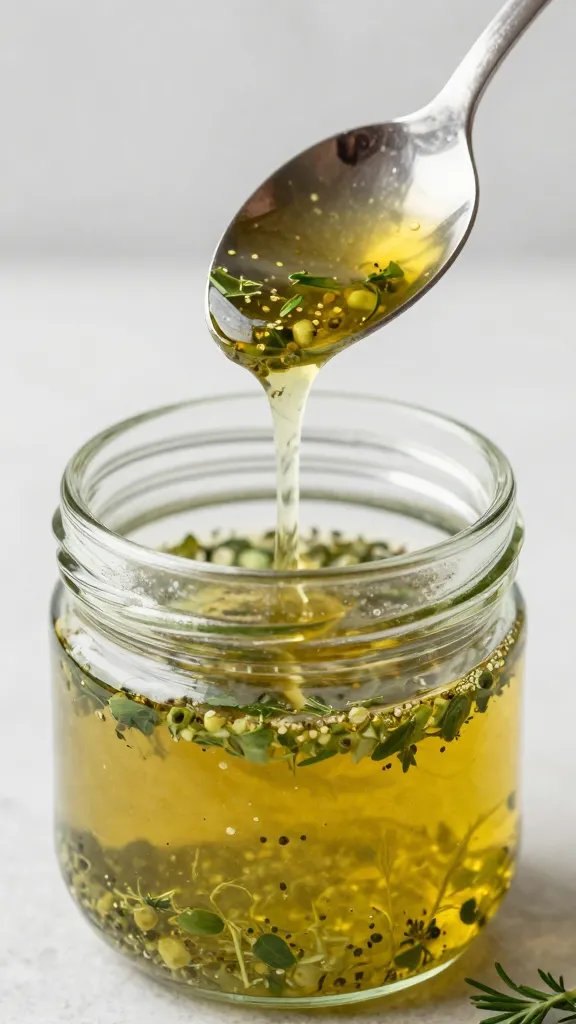
For an all-purpose vinaigrette, I mix 3 parts olive oil to 1 part acid (lemon or vinegar), a squeeze of mustard, a pinch of salt, and pepper. For creamy, I stir 2 tablespoons yogurt with 1 tablespoon mayo, lemon, salt, and a splash of water so it coats instead of clumping.
Action today: Pre-mix a half-cup vinaigrette in a jam jar and keep it in the fridge for the week’s jars.
Assembly: The Exact Order and Portion Guide
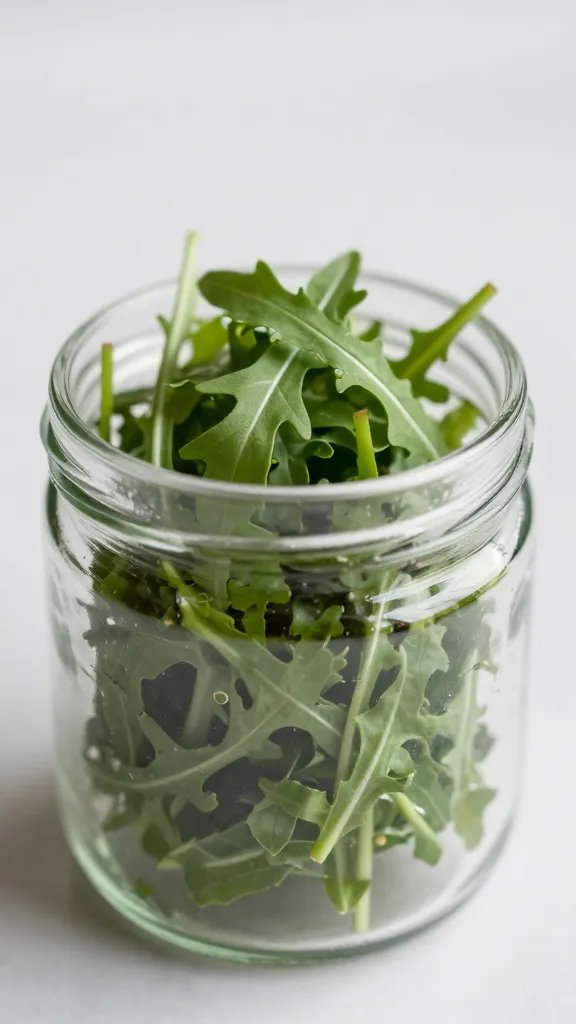
I build jars assembly-line style so I can pack three lunches in 15 minutes. Keep a measuring spoon in the bowl to stay consistent.
- Dressing: 2–4 tablespoons in first.
- Hard veg: 1 heaped cup total (carrots, cukes, peppers), pressed gently to seal the dressing layer.
- Proteins/grains: 3/4 to 1 cup combined (chicken + quinoa, beans + farro).
- Soft add-ins: 1/2 cup (tomatoes whole, roasted veg, cheese).
- Greens: Pack to the shoulder of the jar; don’t crush. Leave 1–2 cm headspace.
- Fragile crunch: 2 tablespoons nuts or seeds on top. Carry croutons separately.
Action today: Build one “template” jar and note volumes that fit your containers; repeat those for consistency.
Transport, Storage, and Serving Without a Mess
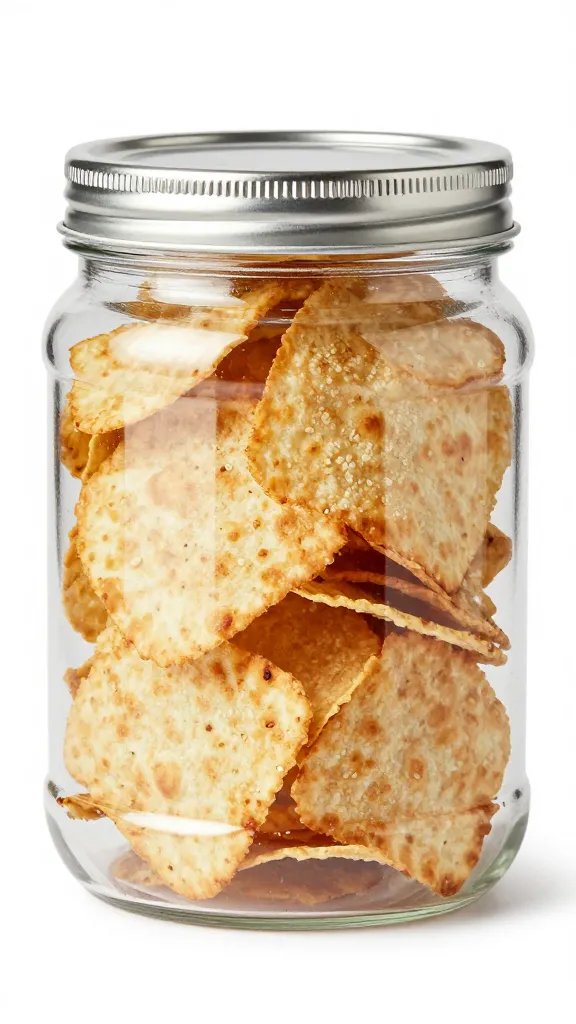
Salad jars hold well for 3–4 days in the fridge when the greens stay dry. I stack them upright near the fridge door so they aren’t jostled by heavier items.
At the picnic, I give the jar 5–8 firm shakes while holding the lid and base, then pour onto a plate or into a wide bowl. If you must eat from the jar, remove one-third of the greens first so you have space to toss evenly.
Action today: Pack a lightweight enamel plate or shallow takeaway container so you can pour and mix cleanly on-site.
Five Proven Flavor Blueprints That Don’t Get Soggy
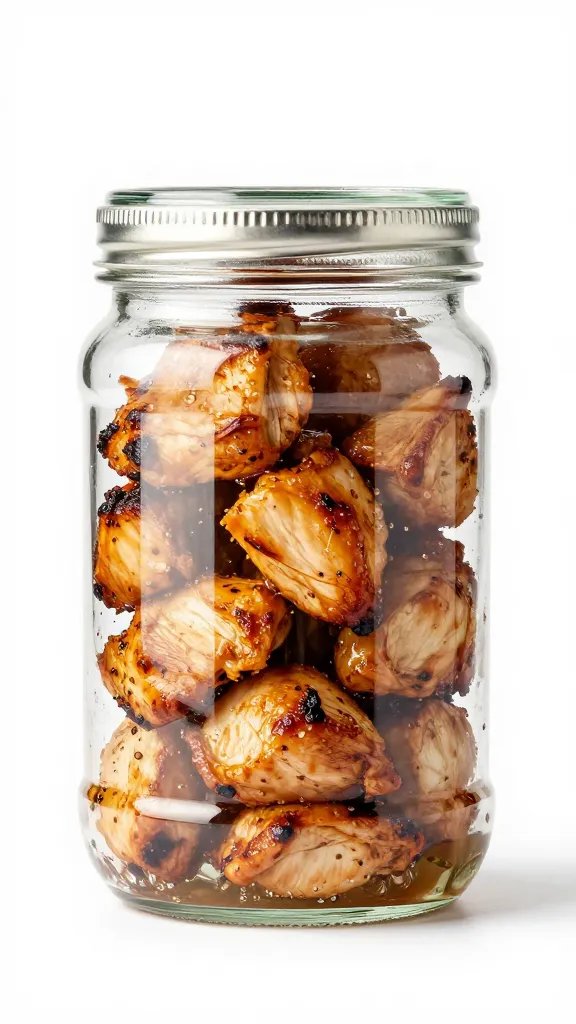
I rotate dependable combinations that survive travel and still taste fresh hours later.
- Greek-ish: Lemon-oregano vinaigrette; cucumbers, peppers, red onion; chickpeas; feta; cherry tomatoes; romaine; olives on top.
- Southwest: Lime-cumin dressing; corn, black beans, peppers; quinoa; chicken; tomatoes; romaine; toasted pumpkin seeds.
- Niçoise-Inspired: Dijon vinaigrette; green beans, potatoes; tuna; olives; cherry tomatoes; little gem; egg wedges near the top.
- Roasted Veg + Grain: Balsamic vinaigrette; beets, carrots; farro; goat cheese; arugula; walnuts.
- Kale Caesar: Thinned Caesar; roasted chickpeas at base; chicken; parmesan; massaged kale; extra parmesan crisps in a separate pouch.
Action today: Pick one blueprint and shop only those items; limiting choices speeds assembly and reduces waste.
Frequently Asked Questions
How far in advance can I make salad jars without them wilting?
Assembled with dry greens and proper layering, jars last 3–4 days in the fridge. Kale or romaine stretches to day four; delicate spring mix is best by day three. Always store upright and avoid opening until the day you eat to keep the sealed environment intact.
Do I need to keep the dressing separate to prevent sogginess?
No. Put the dressing in first and stack firm vegetables directly on it. That barrier keeps liquid away from greens until you shake and pour. If you prefer ultra-crisp textures, carry croutons or pita chips separately and add at the picnic.
What if I don’t have glass jars? Can I use plastic containers?
Yes, but choose a tall, narrow container so the layering still separates wet and dry zones. Test the lid by shaking with water before filling with food. Pack upright and avoid overfilling, since flexible plastic can pop its seal when crammed into a bag.
My jar leaked in my bag. What went wrong?
Leaking usually comes from a warped lid, overfilling past the shoulder, or trapped debris on the rim. Replace the lid, leave 1–2 cm headspace, and wipe the jar threads before sealing. For longer trips, slip the jar into a zip bag or wrap it in a towel as a backup.
How do I keep avocado from browning in a jar?
Toss avocado chunks in lemon juice and place them in the middle layers, not on top. Press a piece of romaine or a cheese layer above them to limit air exposure. Eat those jars within 24–48 hours for best color and texture.
Conclusion
You now have the exact stacking order, volumes, and gear to pack crisp, mess-free salad jars that travel anywhere. Start with one flavor blueprint this week, repeat it three times, and refine the amounts to fit your jars. Once you lock your template, picnics, desk lunches, and road meals become as simple as grab, shake, and pour.
Leave a Reply