Windproof Secrets Picnic Balloon Garland Outdoors: How to Keep It From Becoming a Kite
· Yogi
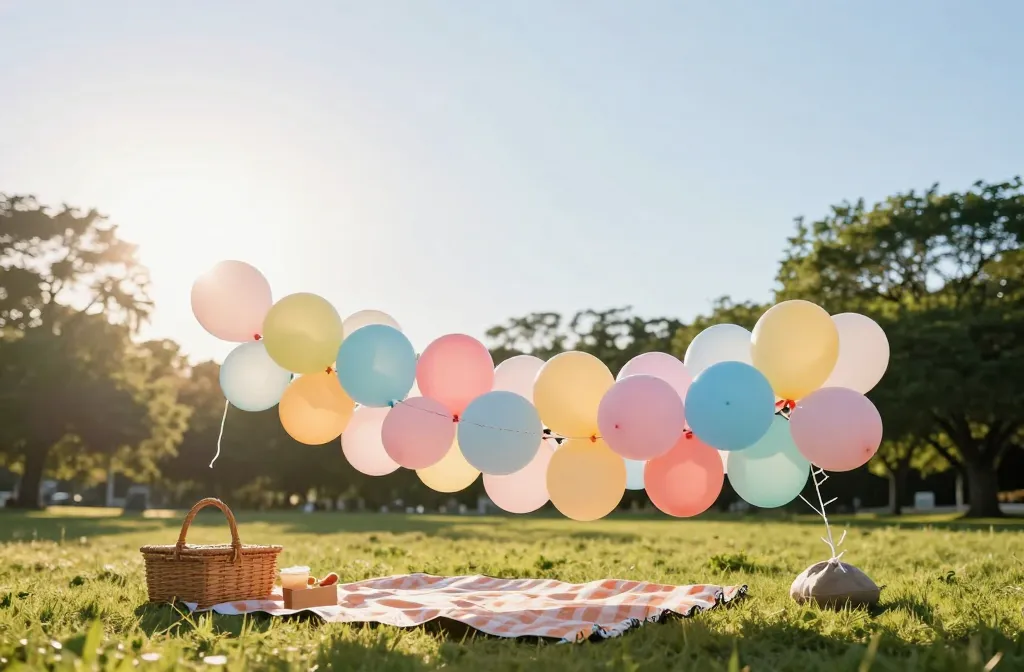
You planned a dreamy picnic, not a surprise weather experiment. Wind + balloons = chaos, and your garland can take flight faster than you can say “who brought the tape?” Let’s fix that. These five foolproof moves keep your outdoor balloon garland gorgeous, grounded, and totally Instagrammable—without white-knuckling it the whole time.
We’ll cover smart anchoring, wind-savvy design, pro materials, and quick fixes you can do on the lawn. Ready to stop chasing balloons across the park? Let’s go.
1. Build A Wind-Worthy Backbone (Your Invisible Superhero)
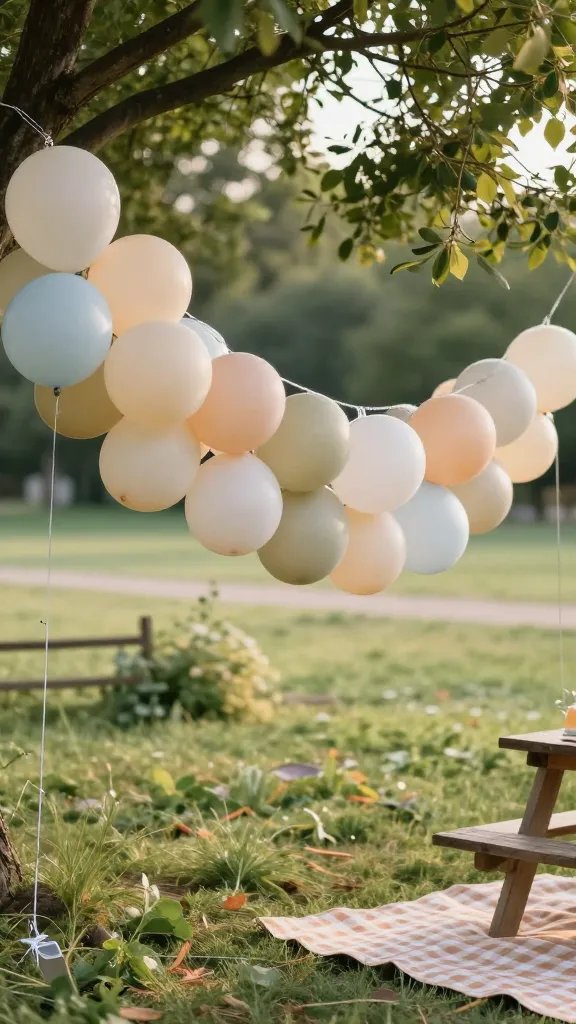
Your garland needs a spine that laughs at gusts. A solid internal structure prevents that dreaded flopping and twisting that turns cute decor into a kite tail.
Skip the flimsy string and level up your core with materials that hold shape and accept tension without sagging.
Best Backbone Materials
- Plastic 1/16–1/8″ coated wire or galvanized garden wire for bendable strength
- Fishing line (50–80 lb test) to tie clusters to your main line without visual clutter
- Flexible balloon strip for fast building—use it alongside wire for rigidity
- Light PVC pipe (1/2″) or fiberglass tent poles for arch shapes that stand up to breezes
How To Build It
- Create your garland on a primary wire (12–20 feet), then attach balloon clusters using short pieces of fishing line every 6–8 inches.
- If you need an arch, slide the wire through a length of 1/2″ PVC or use two tent poles to form a bend without kinks.
- Leave 12–18 inches of bare wire at each end for anchoring. You’ll thank yourself later.
Result? A garland that keeps its shape, resists twisting, and stays photogenic even when the breeze gets feisty. Use this whenever you want a clean, pro look that won’t sag mid-party.
2. Anchor Like You Mean It (Ground It, Don’t Just “Tie It Somewhere”)
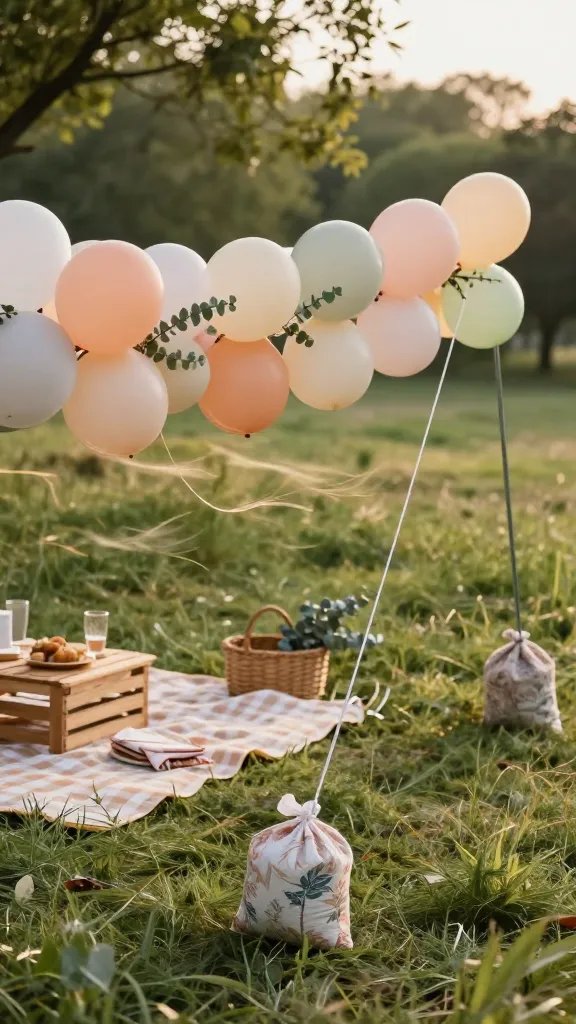
The secret to a wind-proof garland is strategic anchoring. Not one point—multiple points. You want downward force and direction control.
Think stakes, weights, and tie-downs that blend in but work hard. You’ll create a triangle of stability that keeps your garland grounded.
Anchor Options That Actually Work
- Garden stakes or rebar: 18–24″ pushed deep and angled away from the garland
- Sandbag weights (10–20 lb each): wrap in cute fabric so they double as decor
- Water weights (collapsible jugs): great for parks where you carry less in
- Picnic table tie-downs: loop under legs, not around the top edge (less slippage)
Pro Anchoring Layout
- For a linear garland on a fence or table, anchor both ends and add a midpoint tie to stop sway.
- For an arch, set two sturdy stakes 6–8 feet apart and secure each pole or wire end with guy lines at 45° angles to two separate points.
- Add low tie-ins every 3–4 feet to shrubs, table legs, or tent corners.
Key tip: Always tie to the wire or pole—not the balloons. That preserves shape and avoids popping. Use this setup when wind hits 8–15 mph or your location sits on open lawn without wind breaks.
Quick Safety FYI
- Keep the garland at least 10 feet from roads and shorelines so a gust can’t drag it into danger.
- Skip helium outdoors if winds exceed 10 mph. Air-filled garlands on a frame handle weather better.
Strong anchoring keeps your garland where you planned it—near the picnic blanket, not halfway to the parking lot.
3. Design For The Breeze (Smarter Shapes, Less Sail)
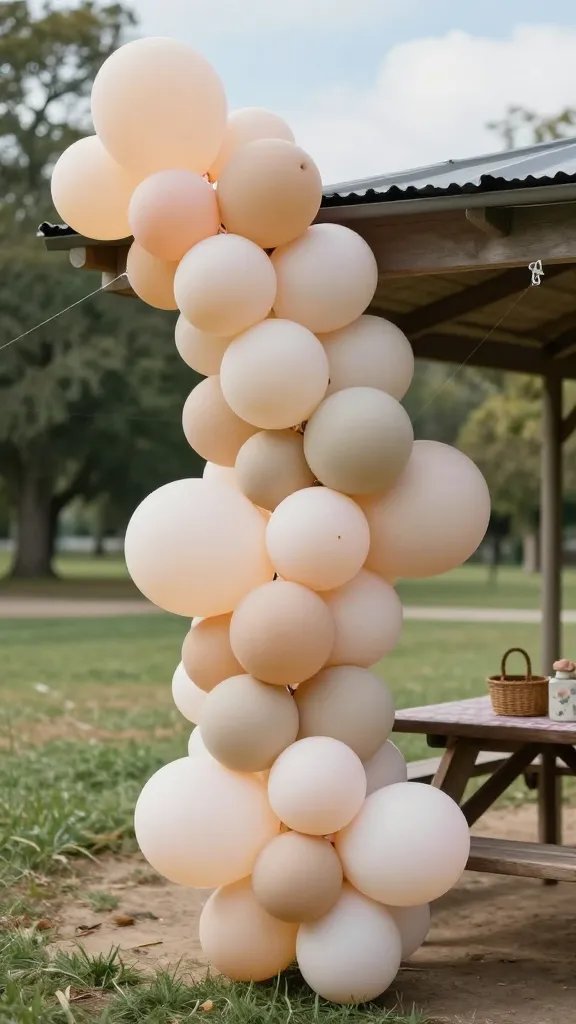
You can outsmart wind with the right design. Less surface area, tighter clusters, and vented builds reduce the “sail effect.”
And yes, you can still get that full, luxe look—just arrange it with airflow in mind.
Wind-Savvy Design Moves
- Use smaller balloons overall (5″, 9″, 12″). Mix sizes but go lighter on 18–24″ giants outdoors.
- Tighten clusters so surfaces touch and trap less wind. Aim for snug bunches of 3–5 balloons.
- Leave micro gaps every 12–18 inches to let air pass through. Invisible in photos, clutch in gusts.
- Stagger heights: run the garland along a table edge or low fence instead of fully freestanding.
- Choose matte or textured finishes over glossy. They heat less in sun and expand less = fewer pops.
Color And Material Choices
- Opaque pastels and neutrals handle sun better than deep or transparent colors.
- Latex over foil for the main body—foil balloons act like mini kites.
- Add faux florals or eucalyptus sparingly. Use zip ties, not glue, and keep them light.
Design with airflow in mind when your picnic spot sits on a hill, near a lake, or any place wind sneaks up fast. You’ll keep the vibe airy without the panic.
4. Use “Set-It-And-Chill” Hardware (Clips, Tape, And Ties That Don’t Budge)
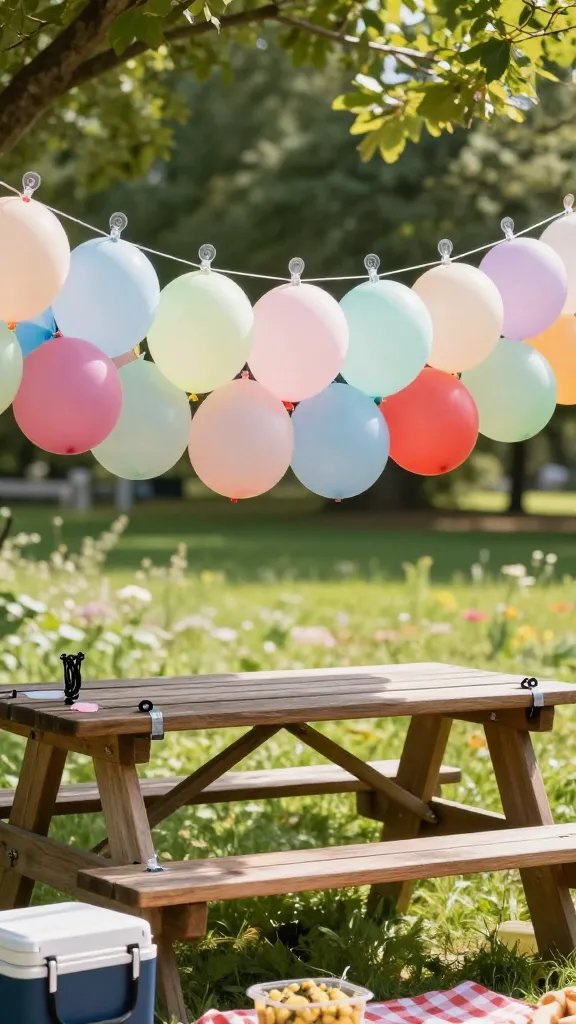
Great materials make outdoor installs faster and tougher. You don’t want to wrangle knots while your potato salad melts.
Load your kit with small but mighty tools that grip, flex, and unstick cleanly. It’s like seatbelts for your garland—quiet heroes.
Leave a Reply