Why “Comfort” Is the Primary Need for 55% of Picnic Searchers in 2026 Explained
· Yogi
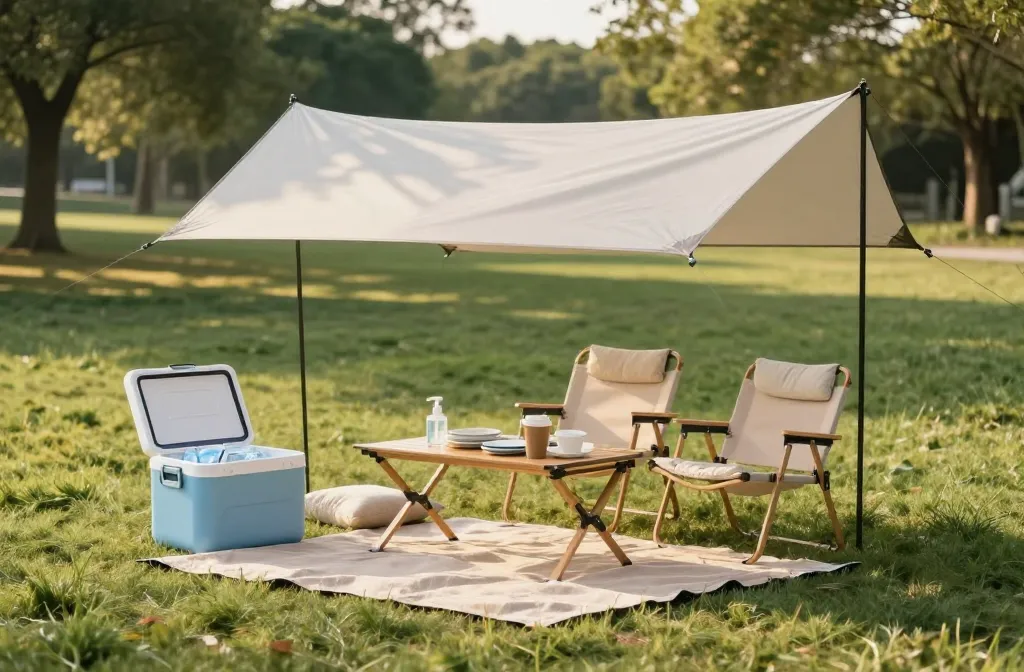
I’ve planned enough picnics to know that a gorgeous location won’t save a cramped blanket, a wobbly plate, or a sunbaked seat. Friends say the same: they search for parks and recipes, then end up hunting for shade, cushions, and a way to keep food safe. Comfort now decides whether a picnic lasts 30 minutes or a whole afternoon. In this guide I’ll show exactly why comfort dominates picnic planning in 2026 — and how to achieve it with simple, affordable choices you can grab at any garden centre or hardware store.
Why Comfort Became the Top Priority

In 2026, more people picnic as a low-cost, outdoor way to gather. That sounds great until you sit on damp ground, squint into glare, and juggle plates on knees. Comfort solves the real barriers: temperature, posture, clean surfaces, and food safety.
Search data reflects this shift. People type “best picnic chairs,” “shade for park,” and “how to keep food cold” more than they search for fancy recipes. They want to stay two to four hours without soreness, spills, or sun fatigue.
Action today: Before you pick a menu, decide your sitting setup: blanket + cushions, or compact chairs. That one choice drives every other decision.
The Comfort Hierarchy: Ground, Shade, Back Support, Food Safety, Clean Hands
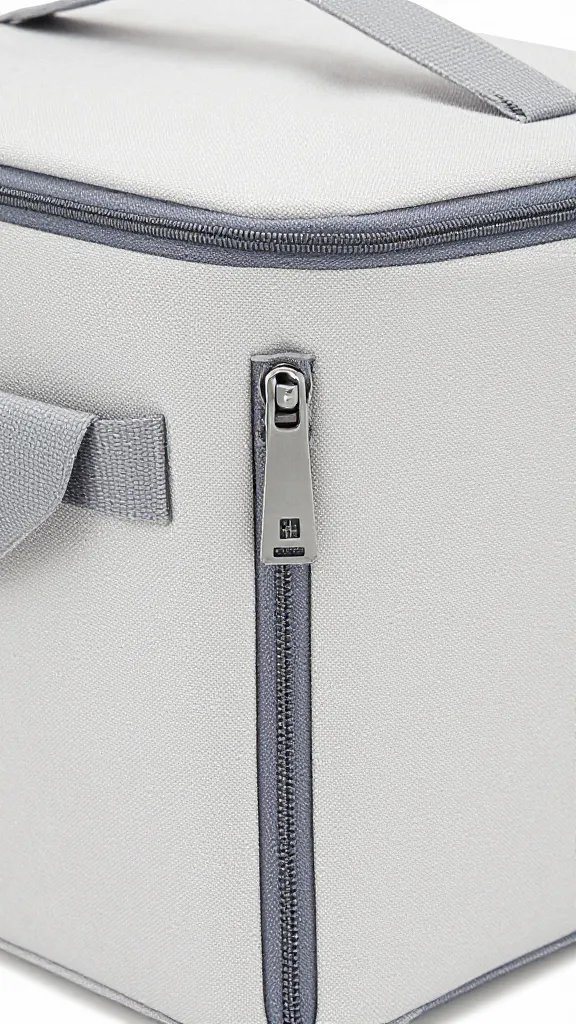
I use a simple order so nothing essential gets missed. First, create a dry, level surface. Second, manage sun and wind. Third, protect backs and knees. Fourth, keep food at safe temps. Fifth, make cleanup easy so you actually relax.
When you nail these five, the rest feels effortless. Skipping any one usually ends the picnic early.
Action today: Write these five on a sticky note and pack in that order. If you run out of space, drop decorations first, never shade or seating.
Ground Comfort: Dry, Level, and Stable Beats Any Pretty Blanket

Most failures start under the blanket. Grass holds moisture; sand shifts; roots poke. I layer a waterproof barrier under a soft top so people stay dry and plates don’t slide.
Material Recommendations
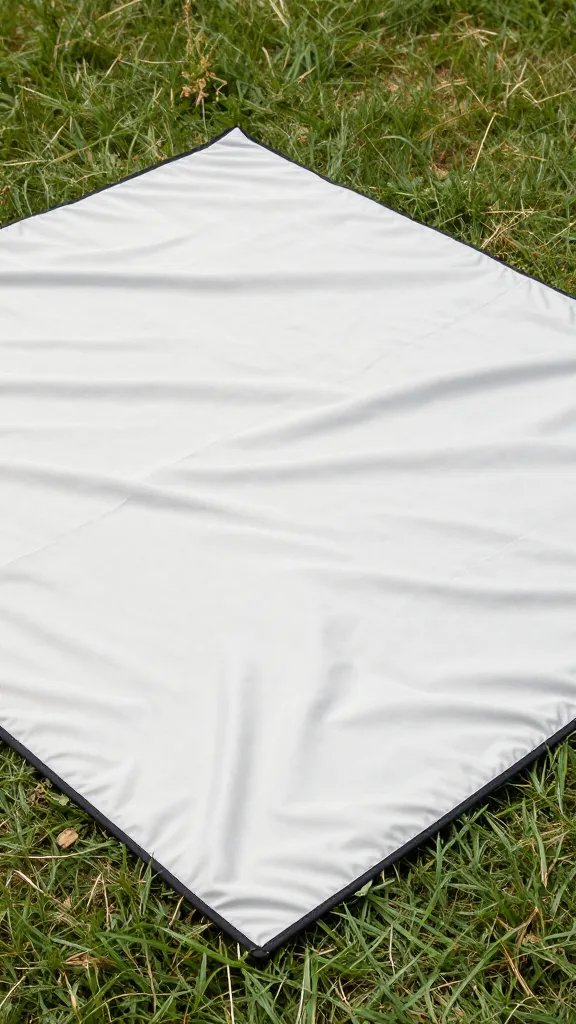
- Base layer: A waterproof picnic rug or a lightweight tarp from the hardware store. Fold to match blanket size so it doesn’t show.
- Top layer: A thick woven blanket or quilt that won’t snag. Avoid satin or slick throws — plates slide.
- Leveling: Use two folded towels under corners to flatten bumps. Works better than chasing the “perfect spot.”
Warning Signs
- Blanket feels cold or clammy within 10 minutes — ground moisture is wicking through.
- Cups tip when you shift — surface isn’t firm or level.
Action today: Pack a folded tarp as your non‑negotiable first layer. It weighs little and prevents 90% of damp-seat complaints.
Shade and Wind: Temperature Control People Actually Feel
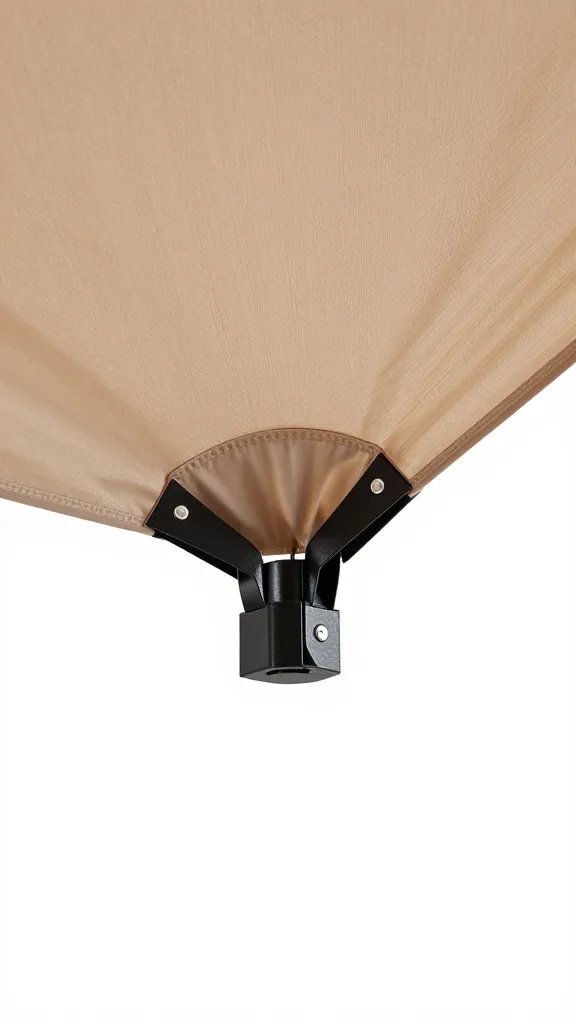
Comfort tanks when you squint into bright sun or fight wind-sprayed napkins. I plan shade first, food second. Natural shade from trees is best, but portable shade wins on exposed lawns and beaches.
Step-by-Step Fix: Fast Shade Setup
- Check your park’s rules for canopies or umbrellas.
- Bring a beach umbrella with a screw-in ground anchor from the garden centre. It sets in 60 seconds.
- Angle the canopy so it blocks both overhead sun and low-angle glare. Adjust every 45–60 minutes as the sun moves.
- Use two reusable shopping bags filled with sand or stones as counterweights in gusty spots.
For wind, place the blanket leeward of a low hedge, boulder, or your parked bikes. Keep napkins in a lidded container instead of loose stacks.
Action today: Add a ground‑anchor beach umbrella to your kit. Shade buys you at least one extra comfortable hour.
Back and Knee Support: The Difference Between Snacking and Staying
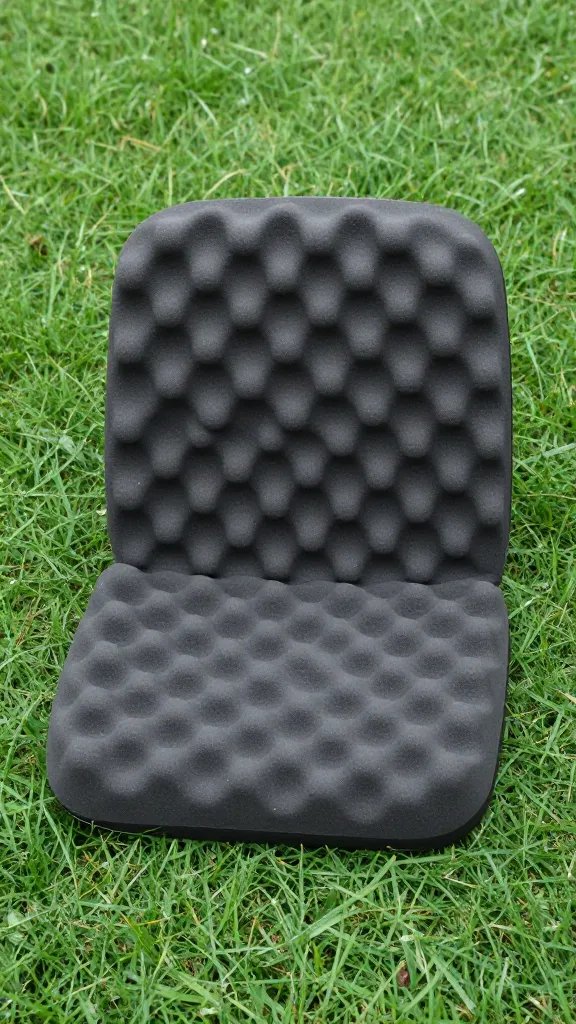
Picnics fail when people fidget and stand up “to stretch” every 10 minutes. Back support keeps invites short from turning into early exits. I choose one of three setups.
Plant-List Style Gear Picks
- Compact camping chairs: Folding styles from hardware stores fit in totes and support hips and backs. Seat height 12–18 inches is easiest for older knees.
- Stadium seats: Padded, folding backrests you place on the blanket. Perfect where chairs aren’t allowed.
- Kneeling pads/cushions: Garden kneelers double as seat pads and footrests. Pack two for anyone with sensitive joints.
Elevate the “table.” A low, foldable camp table or a sturdy crate turned upside down stops you eating from your lap and reduces spills.
Action today: Bring at least two proper backrests (chairs or stadium seats) for every four people. Rotate them — everyone stays longer.
Food Safety Without Fancy Coolers
Comfort includes peace of mind. No one relaxes while worrying about warm chicken salad. I keep perishable foods below “warm to the touch,” and hot foods actually hot, not lukewarm.
Step-by-Step Cold Chain
- Freeze two water bottles overnight — they become ice packs and drinks later.
- Pre‑chill your soft cooler or insulated bag by storing it with those bottles for 30 minutes.
- Pack cold foods straight from the fridge in lidded containers. Fill dead air space with towels to hold the cold.
- Keep the cooler closed. Open it every 30–45 minutes, not every 5.
Hot Hold Option
- Use a wide-mouth insulated flask for soups or curries. Preheat it with boiling water for 5 minutes.
- Warning: Skip “warm” dishes that sit at room temp. Serve hot or keep fully chilled.
Action today: Freeze two bottles tonight and use them as ice packs for your next picnic — cheap, effective, and no mess.
Clean Hands, Clean Gear: The Invisible Comfort Multiplier

Gritty fingers and sticky plates wear people down. A tiny “wash station” makes the whole picnic feel civilized and extends the stay without fuss.
Rapid-Setup Wash Station
- One 2-litre water bottle (the kind with a sport cap) for hand rinsing.
- Small bottle of soap in a zip bag.
- Two microfiber towels — one for hands, one for dishes.
- Trash bag and a second bag for recyclables. Clip to a chair leg with a clothespin so it doesn’t blow away.
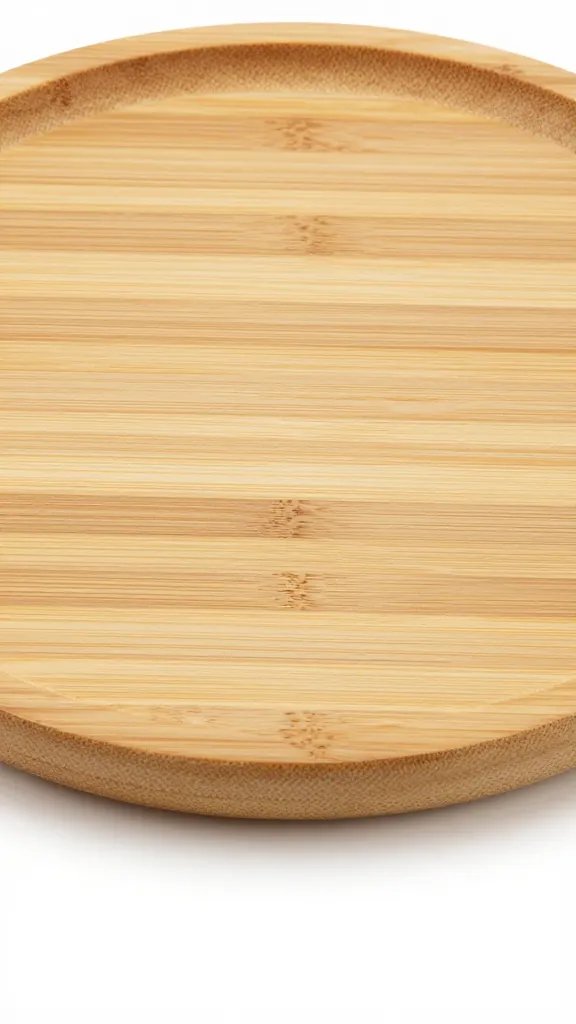
For plates, choose reusable, rigid ones with a rim. They stack neatly and don’t flop under food weight.
Action today: Pre-pack a gallon zip bag with soap, a microfiber, and a roll of small trash bags. Leave it in your picnic tote permanently.
Simple Layout That Prevents Spills and Crowding

Good layout feels luxurious. I split the space into zones: sit, serve, stash. People stop crawling over each other, and food stops tipping.
Step-by-Step Blanket Layout
- Anchor two corners with bags or shoes so the blanket doesn’t creep.
- Place the low table or crate on the firmest part of the ground — test by pressing a plate on it.
- Create a “traffic edge” for cooler access that doesn’t cut through the middle.
- Put the wash station downwind and 3–4 feet away to avoid splashes on food.
Action today: On arrival, spend two minutes zoning your space before anyone sits. That short pause prevents most mid‑meal resets.
Frequently Asked Questions
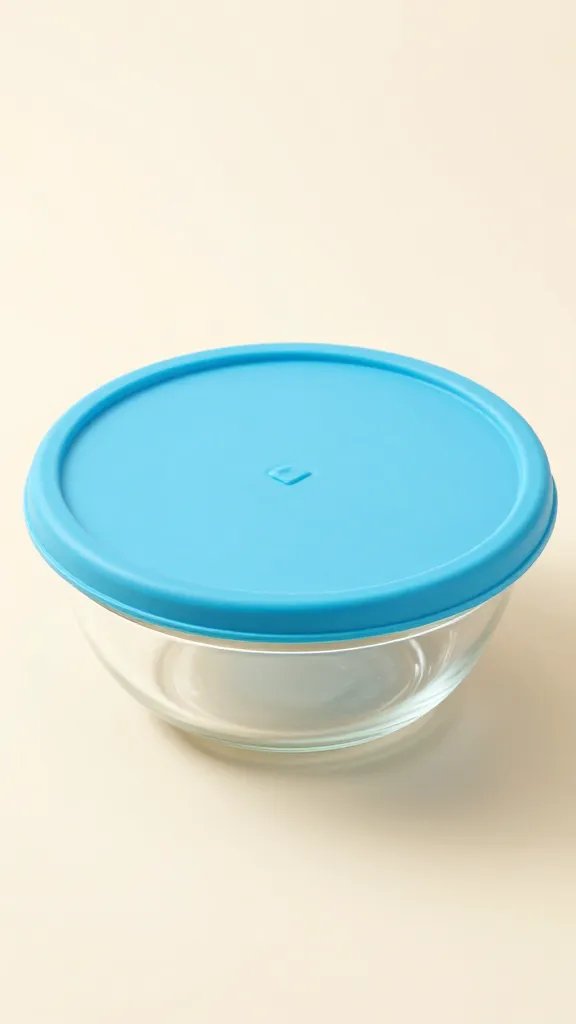
How do I keep bugs off food without special gear?
Use mesh food tents from a garden centre or flip a large, clear mixing bowl over platters. Keep sweet foods covered and place them upwind of the main seating area. Wipe spills immediately with a damp cloth, and stash peels or scraps in a sealed bag inside your trash bag.
What should I pack for a 2-hour picnic versus a 4-hour one?
For 2 hours: waterproof base, blanket, two back supports, a small umbrella, and a soft cooler with frozen bottles. For 4 hours, add a low table, extra shade or a second umbrella, and more ice or an additional insulated bag. Plan a mid‑picnic shade adjustment at the 90‑minute mark.
How do I handle wet grass the morning after rain?
Lay a tarp first, then a thick blanket. Bring two old bath towels to blot the top surface before serving. Choose low chairs or stadium seats so you avoid compressing the blanket into damp patches.
What are easy foods that stay safe and taste good cold?
Go for firm salads (pasta, grain, bean), hard cheeses, cured meats, crisp vegetables, and sturdy fruits like apples and grapes. Pack dressings separately and toss at the park. Skip mayo-based salads unless you can keep them directly against frozen bottles throughout.
Are chairs allowed in most parks?
Many parks allow low folding chairs but restrict stakes and large canopies. Check the park website and look for signs at entrances. When unsure, bring stadium seats — they give back support without violating chair rules.
Conclusion
Comfort isn’t a luxury at a picnic — it’s the foundation that decides how long you stay and how much you enjoy it. You now have a clear order to follow and simple gear you can buy anywhere. Your next step: assemble a small tote with a tarp, two back supports, a ground‑anchor umbrella, and a wash kit. With that core packed and ready, you’ll stop improvising on damp grass and start hosting picnics people ask to repeat.
Leave a Reply