Viral Picnic Invite Wording That Reduces No-Shows (Weather Plan + Timing)
· Yogi
Your invite either fills the blanket or leaves you with twelve extra sandwiches. The right wording sets expectations, handles weather drama, and makes it super easy to say “yes.” We’re talking clear timing, a backup plan, and a tiny dash of FOMO. Ready to craft messages that get butts on blankets?
1. Lead With Certainty: “Rain Or Shine, Here’s The Plan”
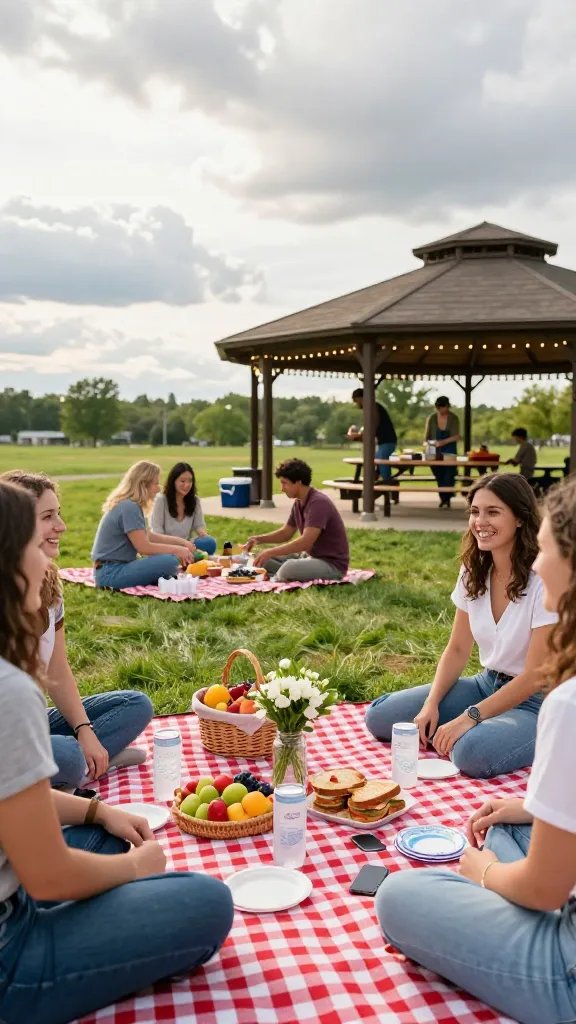
People bail when they sense chaos. If your invite screams “maybe,” their calendar screams “nope.” Put the weather plan front and center so guests know exactly what happens no matter what the sky does.
Key Points
- State two plans: sunshine plan and rain backup with specific locations.
- Use decision deadlines so guests know when to check for updates.
- Keep tone calm: confident wording reduces last-minute panic texts.
Try this: “Picnic at Maple Grove, 1–4 PM. If it rains, we’ll move to the covered pavilion by the playground. Final weather call by 9 AM here.” Clear, short, foolproof.
Want to go a tad warmer? “Rain can’t stop snacks. If skies act up, we’re grabbing the pavilion. I’ll confirm by 9 AM.” Guests relax because you already handled the hard part.
Wording Templates
- Classic: “Rain or shine, we’re on. Sunny plan: Oak Lawn, 1–4. Rain plan: Shelter B. Weather update by 8 AM via this thread.”
- Playful: “Sun = blankets on the grass. Showers = pavilion party. Check this chat at 9 AM for the final call—umbrella chic optional.”
Use this when your location has a pavilion or nearby indoor option. It builds trust and minimizes “Are we still on?” messages.
2. Make Time Frictionless: “Arrive-Anytime Window + Peak Moment”
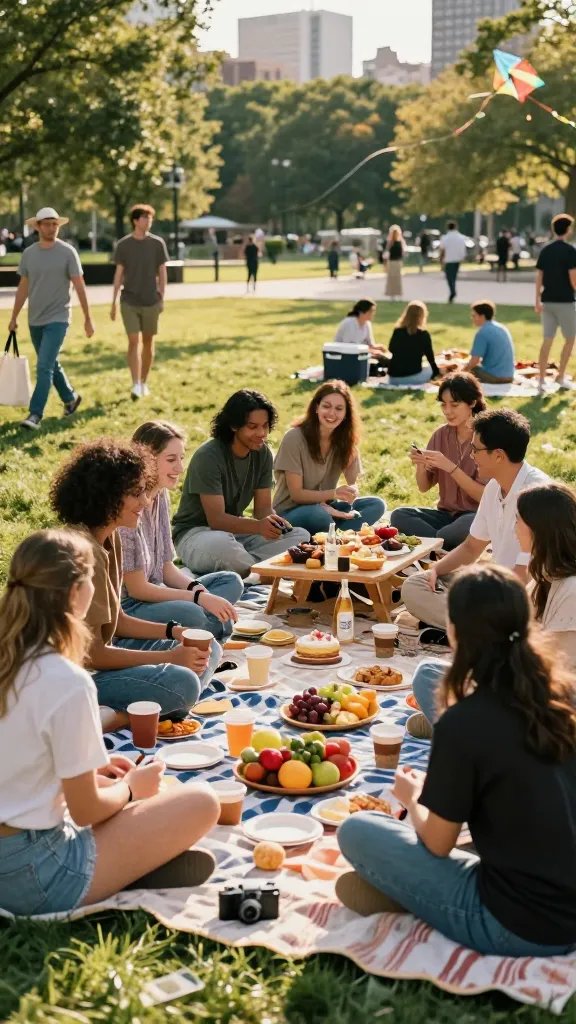
Guests miss events when the timing feels rigid or fuzzy. Give a friendly arrival window, then anchor everyone with a single “don’t-miss” moment that creates shared energy.
How To Frame Timing
- Arrival Window: “Drop in 12–3 PM” keeps it low-pressure.
- Peak Moment: “Group photo + cake at 1:30” gives urgency without bossiness.
- Grace Period: State when food peaks so latecomers adjust expectations.
Sample: “Swing by anytime 12–3 PM. We’re doing the big toast and group photo at 1:30. Best snack window is 12:30–2.” That line alone reduces FOMO-fueled flaking.
Pro Tips
- Predict the flow: Announce when games start or when the sun hits hardest.
- Specify wrap-up: “We’ll pack at 3 sharp” nudges punctual arrivals.
Use this when you expect mixed schedules. It rescues late birds and keeps early keeners happy.
3. Set RSVP Clarity: “Yes Means Blanket Space, Maybe Means Update Me”
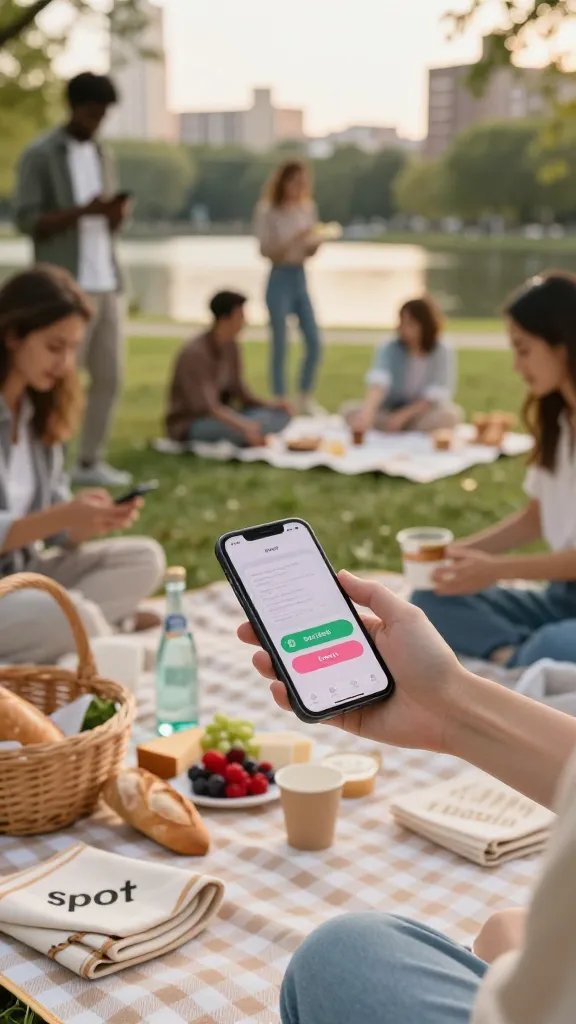
Vague RSVPs create no-shows and food waste. Spell out what “yes,” “maybe,” and “can’t” actually mean. People commit more when you make the ask precise and easy.
Wording That Works
- Direct Ask: “Can you make it? Tap ‘Yes’ or ‘Can’t’ by Thursday 6 PM so I pack enough picnic stuff.”
- Handle Maybes: “If you’re a ‘maybe,’ I’ll ping you Friday at noon for a final go/no-go.”
- Low-Pressure Opt-Out: “No worries if not—just hit ‘Can’t’ so I don’t overpack.”
This reduces guilt and ghosting because you turned RSVP into a friendly, binary decision. FYI, guilt makes people vanish; clarity brings them back.
Micro-Automations
- Put the RSVP link/button first in the invite, not after paragraphs of fluff.
- Send a single reminder with new info: “Weather looks good! We’re on. Final headcount at 4 PM.”
Use this for any group size over four. You’ll buy the right amount of food and cut last-minute “Oops, forgot” texts in half.
4. Promise Comfort: “What To Bring + What I’m Providing”
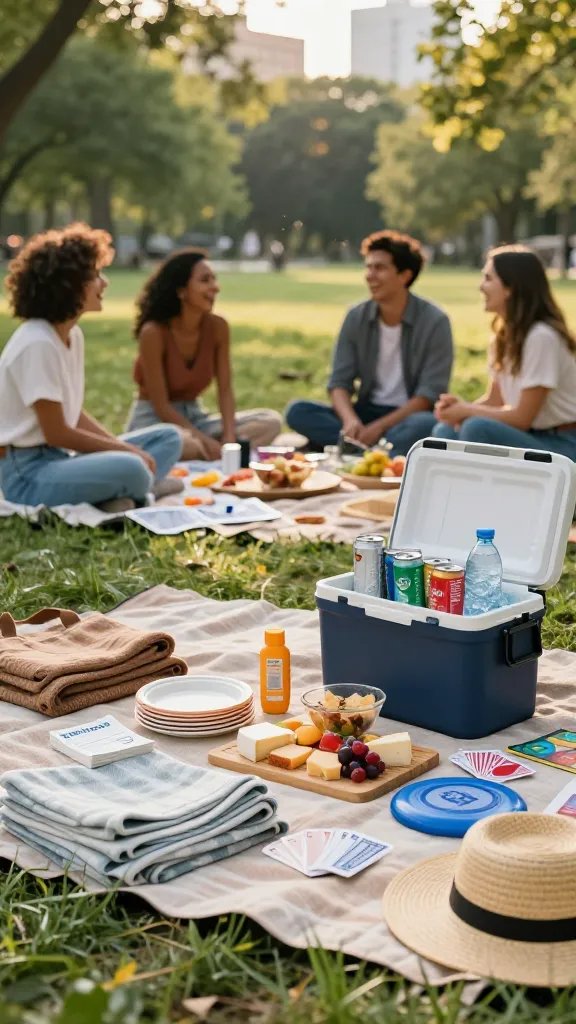
People bail when they don’t know what to bring or fear they’ll show up underprepared. Tell them exactly what’s covered and what they can toss in a tote.
Two-Line Comfort Formula
- Line 1 – You’re Covered: “I’ve got blankets, snacks, sunscreen, plates, and cold drinks.”
- Line 2 – Optional Add-Ons: “Bring a favorite drink, a game, or a sun hat if you want.”
This signals low effort, high reward. When you remove mental load, attendance climbs. Seriously, laziness is undefeated—use it to your advantage.
Specifics Help More Than Vibes
- Food Clarity: “Veggie, gluten-free, and kid-friendly options on deck.”
- Seating: “Chairs welcome; I’ll have two extras.”
- Weather Gear: “Shade tent’s coming; toss in a light layer for the breeze.”
Benefits: you’ll attract first-timers and people who hate planning. Perfect for mixed-age groups, coworkers, or friends who always ask, “Wait, do I need to bring cups?”
5. Paint The Vibe: “Here’s What Makes This Picnic Worth Showing Up For”
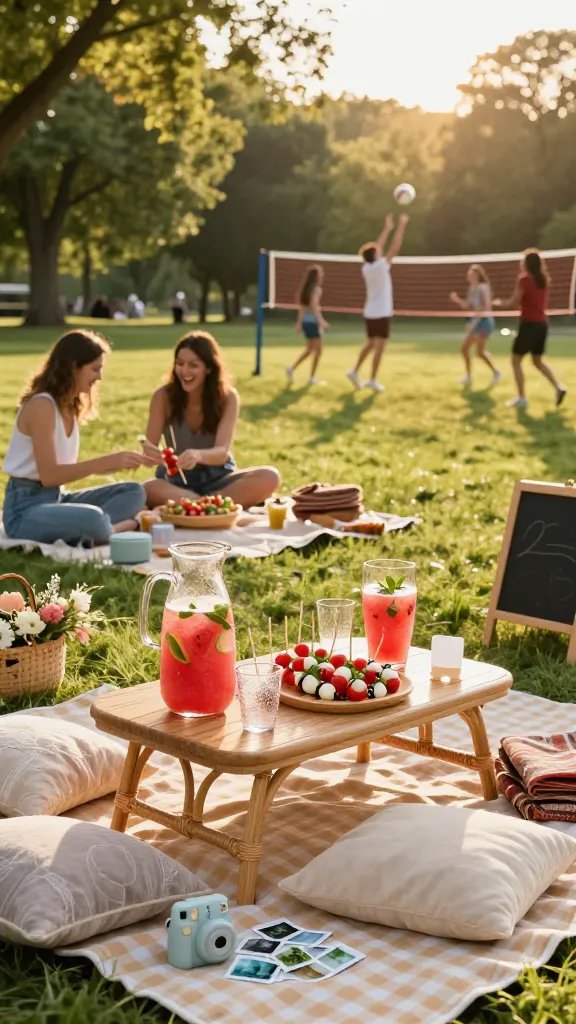
FOMO isn’t evil—it’s effective. Describe one or two delightful specifics that make your picnic feel like a can’t-miss hang, not just “food outside.”
Ways To Spark Intrigue
- One Signature Hook: “Watermelon limonade slushies” or “DIY caprese skewers bar.”
- One Activity Anchor: “Spikeball tournament at 2” or “Chill playlist + blanket bingo.”
- One Photo Moment: “Sunset polaroids at 7:45” or “Flower-crown craft station (10 minutes, zero skill).”
Now combine with weather/timing: “Drop in 3–6 PM. Spikeball at 4:30. If rain shows up, pavilion party with card games. Final call by 11 AM.” That’s a story guests can see themselves in.
Concrete Phrases To Steal
- Playful: “Come snack, lounge, and pretend we’re in a summer movie.”
- Cozy: “Blankets, easy bites, mellow tunes—nothing fussy, just good company.”
- Energetic: “We’re speed-running lawn games and snack boards. Winner gets bragging rights.”
Use this when your crowd needs a nudge. A single charming detail beats a long paragraph of enthusiasm, IMO.
Ready to test-drive these lines? Pick a location with a simple rain backup, set an arrival window with one big moment, and copy-paste the RSVP clarity. You’ll get real yeses, fewer maybes, and way more fun on the blanket. Now go claim that pavilion before the clouds get ideas.
Leave a Reply