The Secret to How to Use “Chiffon Table Runners” to Layer a Rustic Picnic Table
· Samantha Jones
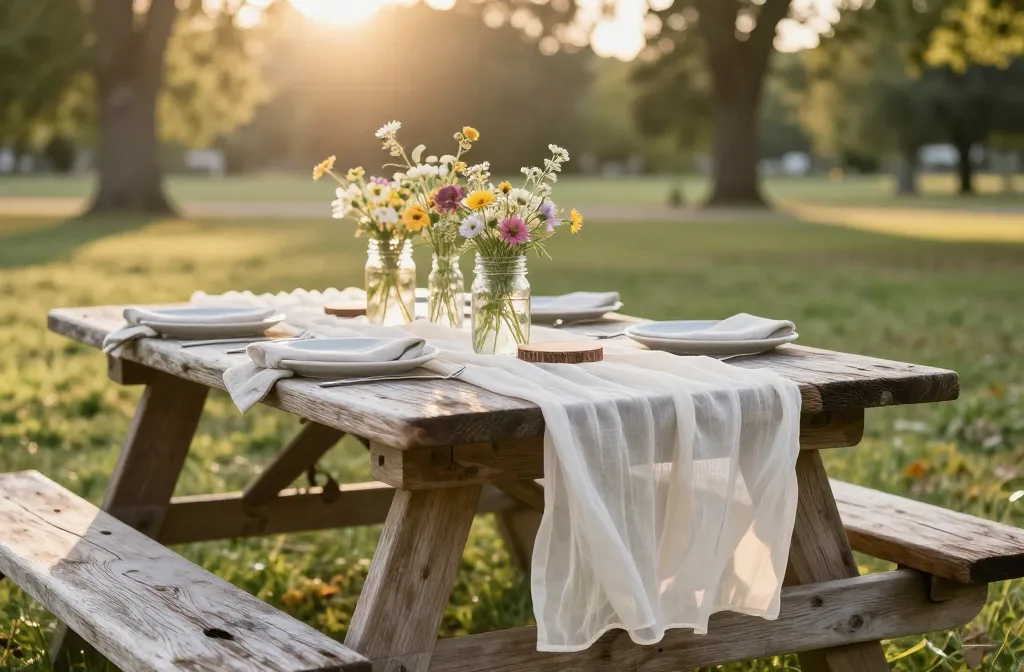
I learned the power of a simple chiffon runner during a park picnic where the table was weathered, uneven, and impossible to “dress.” A single airy layer transformed the whole setup without hiding the wood I loved. If your picnic tables look tired or busy, you’ll learn exactly how to use chiffon table runners to layer texture, control color, and keep everything practical outdoors. I’ll walk you through sizing, securing, and styling so your table looks intentional and stays put in a breeze.
Why Chiffon Works On Rustic Wood Instead Of Fighting It
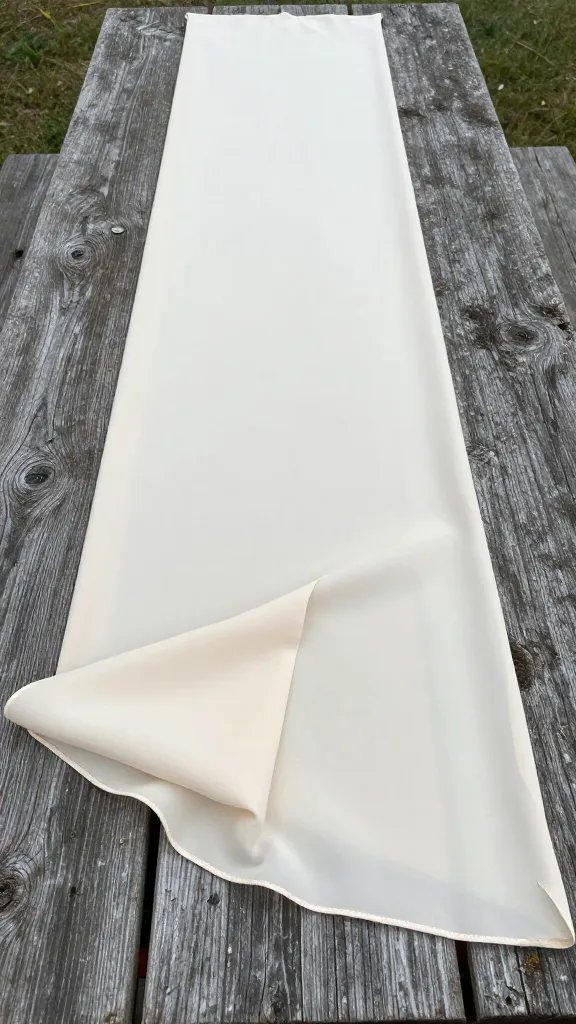
Chiffon is light, translucent, and drapes softly. It softens rough grain and water stains while letting the wood show through. That’s the balance you want on a rustic picnic table: calm the chaos without erasing character.
The fabric’s subtle sheen also lifts natural elements — wood slices, mason jars, and wildflowers pop against a gentle, flowing base. You get a polished look without a fussy full cloth.
Action today: Hold a chiffon scarf or sheer curtain panel over your table to preview translucency — if you can still read the wood grain, you’re on the right track.
Pick The Right Length, Width, And Quantity
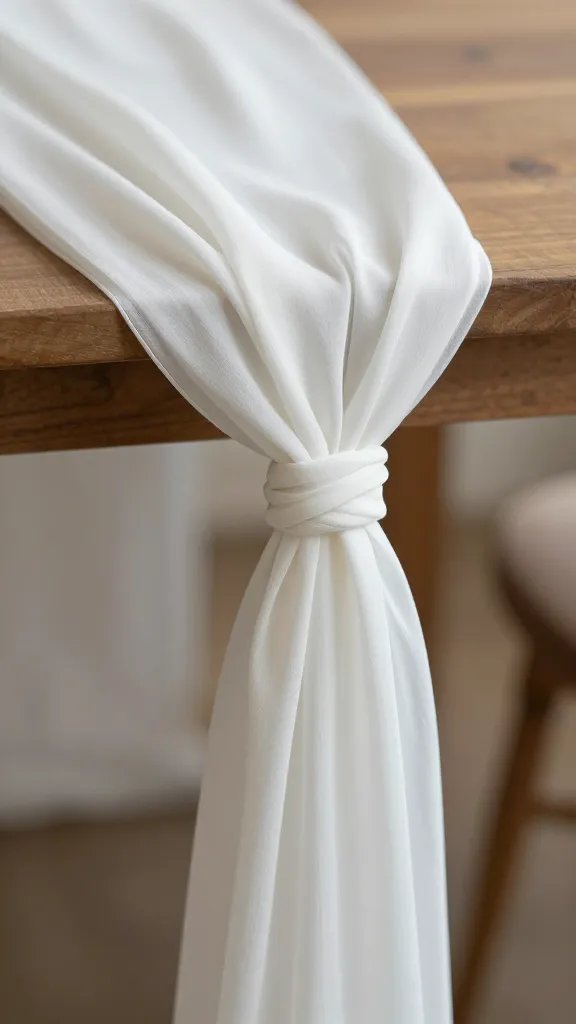
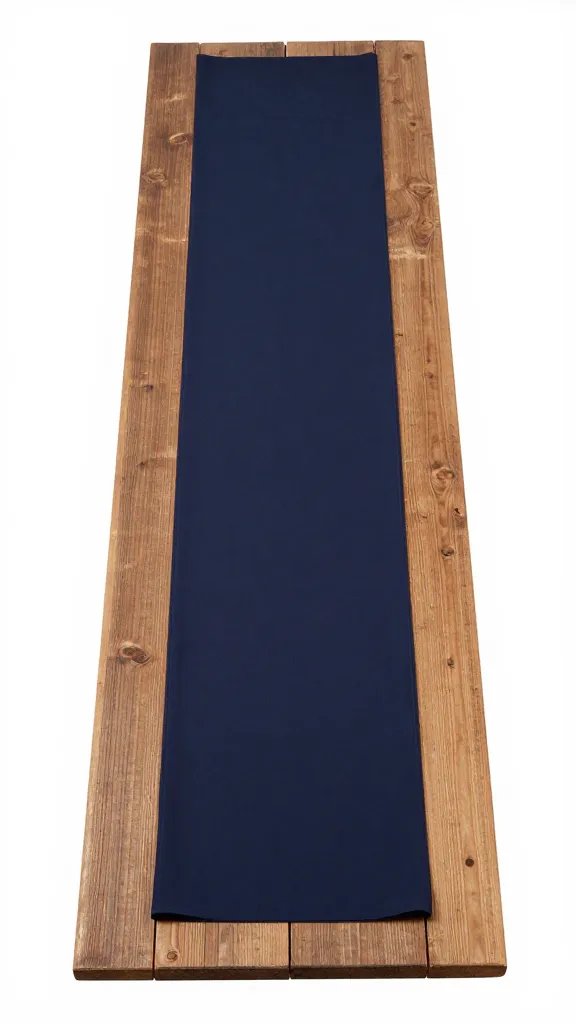
Standard park picnic tables run 6-8 feet long and 27-30 inches wide. A single 10-foot chiffon runner centered lengthwise creates an elegant trail with light pooling at each end. For fuller drape on 8-foot tables or a dramatic tail, step up to 12 feet.
Width matters for balance. A 24-30 inch wide runner covers the center third while showing generous wood on both sides. For layered looks, pair one 24-30 inch base runner with a 14-18 inch accent runner on top in a contrasting or tonal shade.
Material Recommendations
- Polyester chiffon: Budget-friendly, resists wrinkles, easy to rinse. Most garden or craft stores stock it by the yard.
- Crinkle chiffon: Textured finish hides creases and looks deliberate outdoors.
- Color picks for rustic wood: Sage, dusty rose, eucalyptus green, terracotta, taupe, or ivory.
Action today: Measure your table length and order runners at least 2 feet longer than the table for gentle end pooling.
Prep The Table So The Runner Looks Intentional
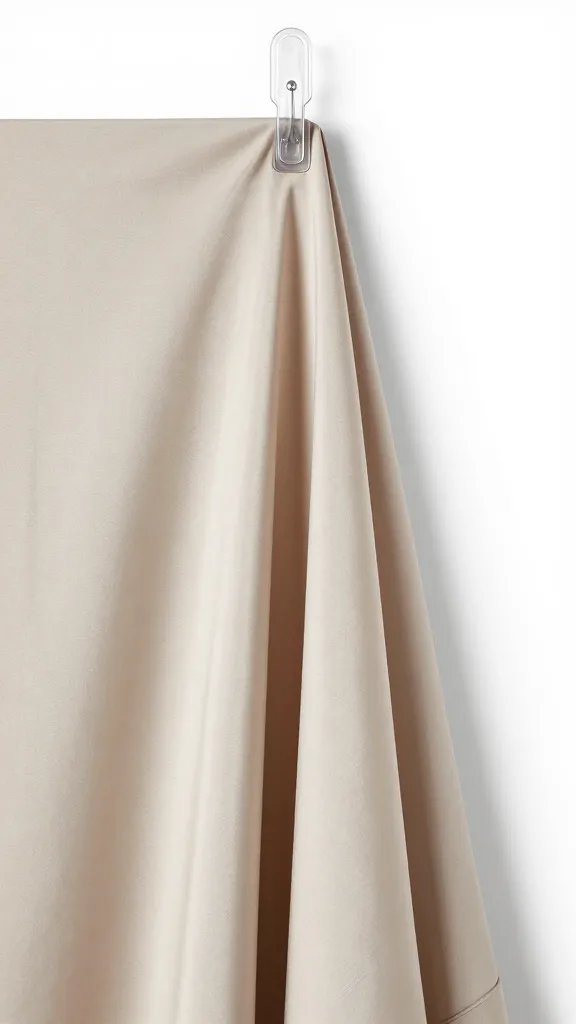
Rustic doesn’t mean dirty. Wipe the surface with a damp cloth and a drop of dish soap to lift dust and pollen. Dry thoroughly so the runner doesn’t trap moisture or spot.
Check for splinters and snag points. Run your hand lightly across the top; if you feel sharp edges, lay down clear furniture pads or a strip of painter’s tape exactly where the runner edges will touch. Chiffon snags easily on rough fibers and screws.
Action today: Do a 2-minute “snag sweep” with your palm — if it catches, cover it before you style.
Layering Methods That Actually Hold Outdoors
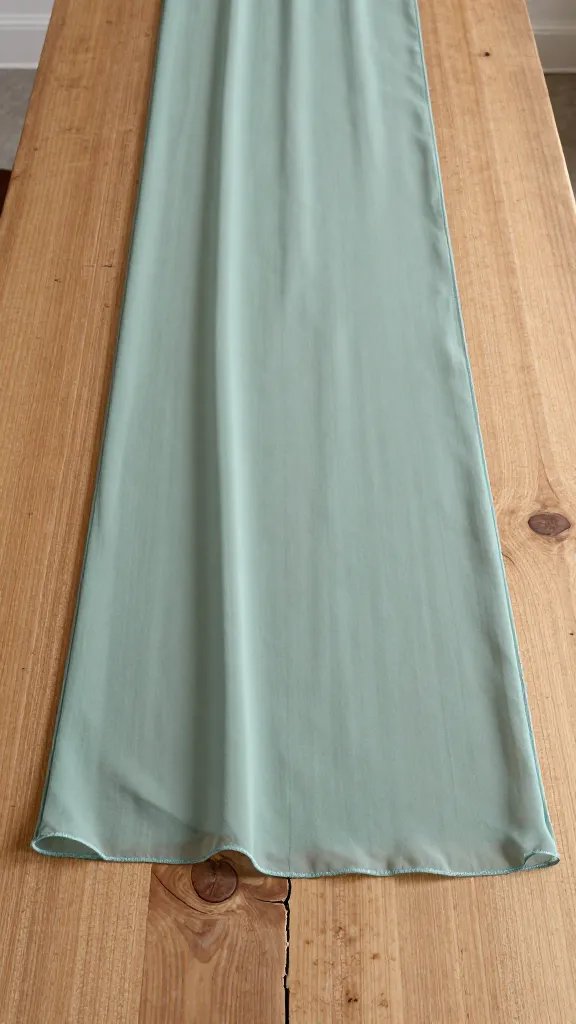
Wind and uneven planks challenge loose fabric. I use low-profile anchors that hide under décor but keep everything secure without staples or damage.
Step-By-Step: Center Run With Soft Pooling
- Find center: Snap a quick photo down the table to check symmetry — it’s faster than eyeballing.
- Lay the runner: Let 8-12 inches overhang each end for a relaxed pool.
- Add weight at the ends: Place a wood slice, lantern, or stacked plates on the pooled fabric corners. Tuck excess under the weight for a clean teardrop shape.
- Invisible grip: Stick four clear removable gel dots (sold near picture-hanging strips) under the runner corners at the table’s center line.
Step-By-Step: Double Runner Cross (“T” Shape)
- Lay a long runner lengthwise as your base.
- Place a shorter runner crosswise at the table center to frame a centerpiece cluster.
- Secure the cross point with a small, flat centerpiece (e.g., a 10-inch wood round plus a jar).
- Use two gel dots where the top runner meets each table edge to stop drift.
Step-By-Step: Waterfall Ends For Photo-Worthy Sides
- Start lengthwise and pull each end down 6-8 inches over the bench-side edge.
- Twist the last 6 inches of chiffon once to make a rope-like tail that resists wind.
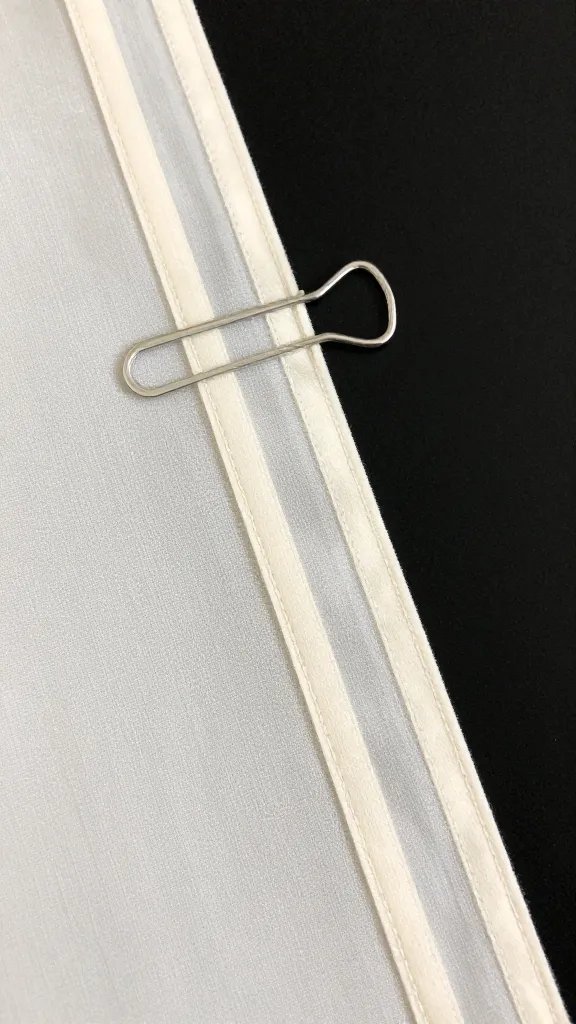
- Anchor with a hidden binder clip under the table lip or a cable tie around a support bar, then fluff the visible fabric.
Action today: Stash a small pack of clear gel dots and two binder clips in your picnic tote — they solve 90% of outdoor runner issues.
Color And Texture Pairings That Read Rustic, Not Formal
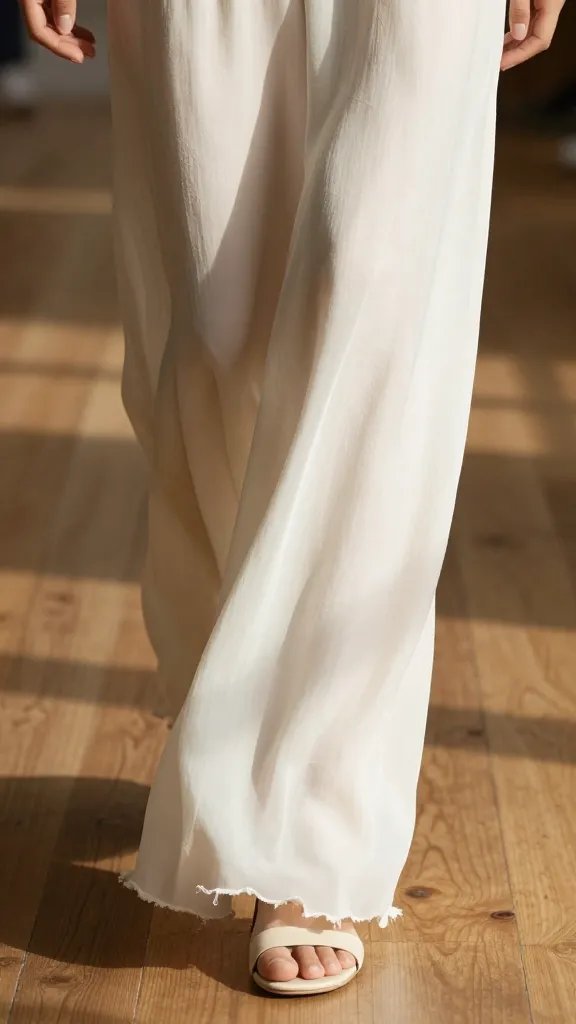
Rustic tables already carry visual noise. Keep your palette tight: one main fabric color, one metal, and one natural element. Too many finishes break the calm.
For wildflower or herb themes, go muted and earthy. For harvest or terracotta pots, add warm neutrals. Use the runner to bridge the wood tone and your décor, not compete with it.
Foolproof Pairings
- Ivory chiffon + eucalyptus stems + matte black lanterns on dark wood.
- Sage chiffon + terracotta pots of thyme/oregano on medium pine.
- Dusty rose chiffon + clear mason jars + twine on gray-weathered cedar.
- Taupe chiffon + amber bottles + beeswax candles on redwood.
Action today: Choose one runner color and lay three test objects (one metal, one glass, one plant) on top — if all three look good at once, you’ve got your palette.
Centerpieces And Place Settings That Grip The Fabric
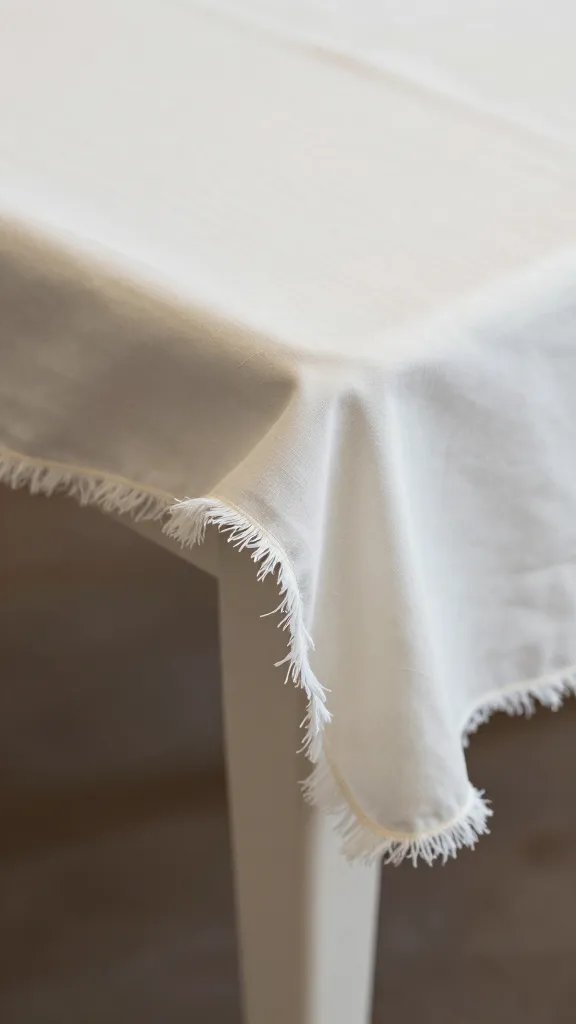
Heavy, low pieces keep chiffon flat and safe from wind. Think wood rounds, stoneware crocks, water-filled jars, or potted herbs. Avoid tall, top-heavy vases unless they’re weighted with river stones.
At each place, let the runner peek from under plates. Use woven chargers or cutting boards to distribute weight and stop bunching. If you need napkin rings, pick twine or leather wraps that won’t snag.
Quick Build: 5-Minute Herb Cluster
- Place a 10-12 inch wood slice at center.
- Set three small potted herbs (rosemary, thyme, mint) in a triangle.
- Tuck a single chiffon offcut under the front pot to create a soft cascade.
- Add two tea lights in clear holders on the wood, not the fabric.
Warning: Keep open flames in glass or metal holders with a solid base and a 6-inch clearance from any fabric edge.
Action today: Pre-fill two mason jars with water and a handful of smooth pebbles — instant windproof vase weights.
Care, Wrinkle Control, And Storage Between Picnics
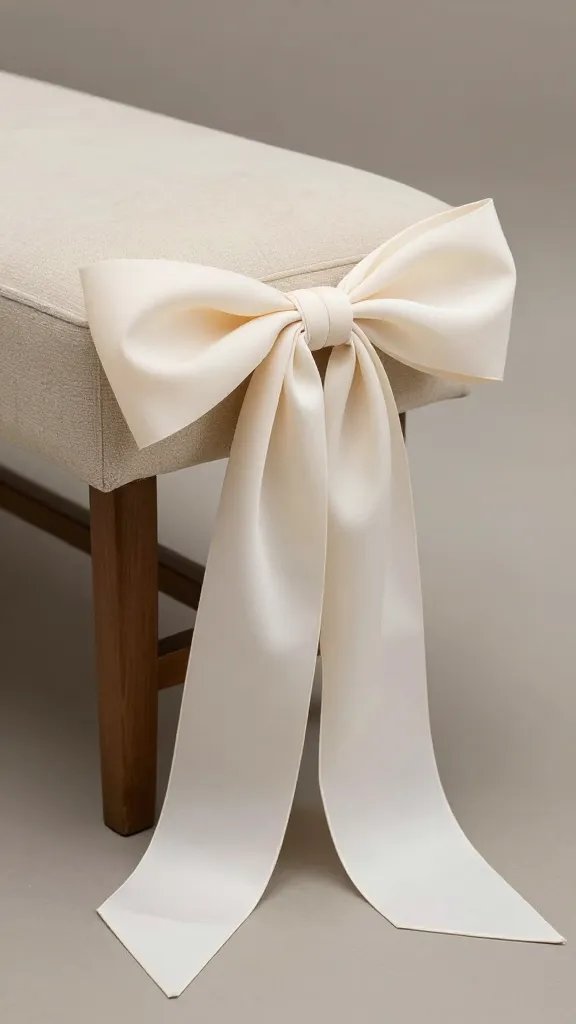
Chiffon travels well if you roll it. Lay it flat, place a cardboard tube or clean wrapping paper core at one end, and roll with a sheet of tissue to prevent creases.
For quick wrinkle release on-site, spritz lightly with clean water and tug the edges taut for 60 seconds. On warm days, drape the runner in the sun for 5 minutes — heat relaxes most polyester chiffon.
Cleaning Steps After Outdoor Use
- Shake out crumbs and leaves.
- Hand-wash in cool water with a drop of mild detergent; swish, don’t wring.
- Rinse until the water runs clear.
- Press between towels to remove moisture; hang to dry from the long edge.
Action today: Pack a 3-ounce spray bottle in your picnic kit for on-site wrinkle release and spot cleaning.
Frequently Asked Questions
How wide should a chiffon table runner be for a picnic table?
For most 27-30 inch wide picnic tables, choose a 24-30 inch runner to cover the center third without swallowing the wood. If your benches are tight, stay closer to 24 inches so fabric doesn’t catch on knees. For layered looks, stack a 14-18 inch runner on top of a 24-30 inch base.
How do I stop a chiffon runner from flying away outdoors?
Use clear removable gel dots under the runner at the table’s center and near the ends. Add weight with centerpieces: wood rounds, lanterns, or water-filled jars. For extra security, clip the fabric under the table edge with a binder clip and hide it with a gentle fold.
What colors work best with weathered wood?
Muted, earthy tones complement rustic grain. Try sage, dusty rose, taupe, terracotta, or ivory. If the wood is very dark, contrast with lighter chiffon like ivory or taupe; if the wood is pale, add warmth with terracotta or dusty rose.
Can I layer two chiffon runners without it looking fussy?
Yes — keep one runner wider and neutral as the base, then add a narrower accent in a single contrasting tone. Align their centers and secure the crossing point under a low, heavy centerpiece. Limit the palette to one fabric color family and one metal finish so it reads cohesive, not busy.
What centerpiece won’t tip on chiffon during a picnic?
Choose low, weighted pieces: a 10-12 inch wood slice plus three small potted herbs, or a short vase filled one-third with stones and water. Keep the tallest item under 10 inches outdoors. Always place weight directly on the wood slice or plate to spread load and prevent fabric shifting.
How do I deal with wrinkles if I don’t have an iron?
Lay the runner flat, mist lightly with clean water, and smooth with your hands from the center out. Let the sun warm it for 5-10 minutes, then give a final tug. Crinkle chiffon is another option — its texture hides wrinkles naturally.
Conclusion
You don’t need a full tablecloth or fancy hardware to elevate a rough picnic table — a well-sized chiffon runner, smart anchoring, and a tight palette do the heavy lifting. Start with one neutral runner, secure it with gel dots and a low, weighted centerpiece, and let the wood show. Next time, layer a narrow accent runner and dial in your color story with herbs or lanterns — you’ll have a repeatable setup that looks effortless and stays put.
Leave a Reply