The Secret to How to Match Your Picnic Outfit to the Natural Environment
· Yogi
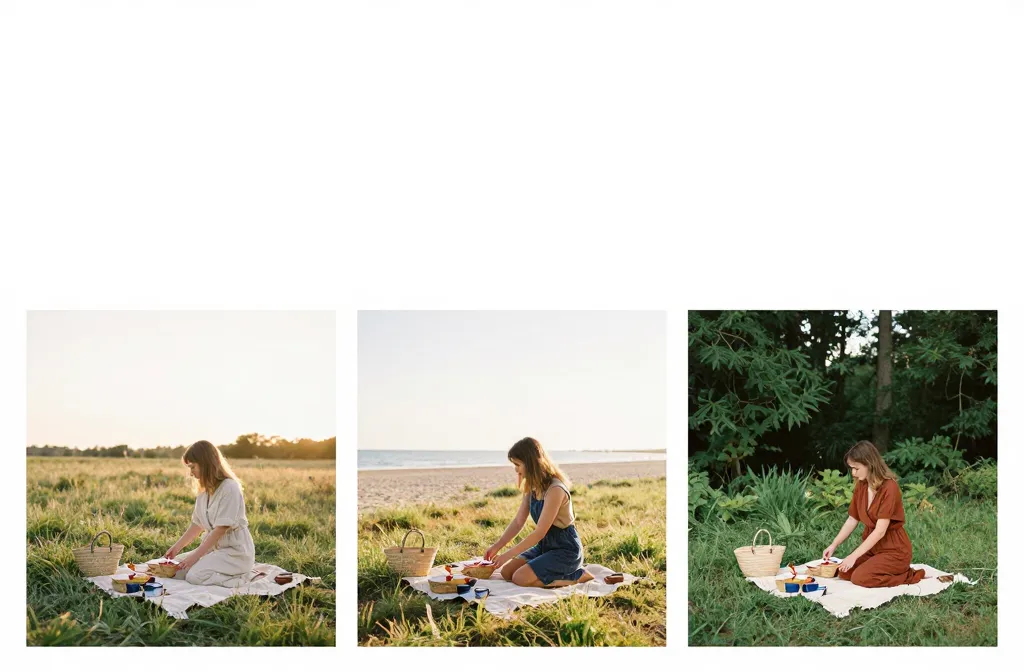
I used to throw on a cute dress for a park picnic and end up swatting bugs, squinting in the sun, and sitting awkwardly on damp grass. Once I started matching my outfit to the setting — meadow, woodland, beach, or rocky overlook — everything got easier and looked better in photos too. In this guide, I’ll show you how to read your location, choose fabrics and colors that blend beautifully, and stay comfortable for hours. You’ll finish with a checklist you can use before you leave the house.
Read the Landscape First, Then Choose Colors
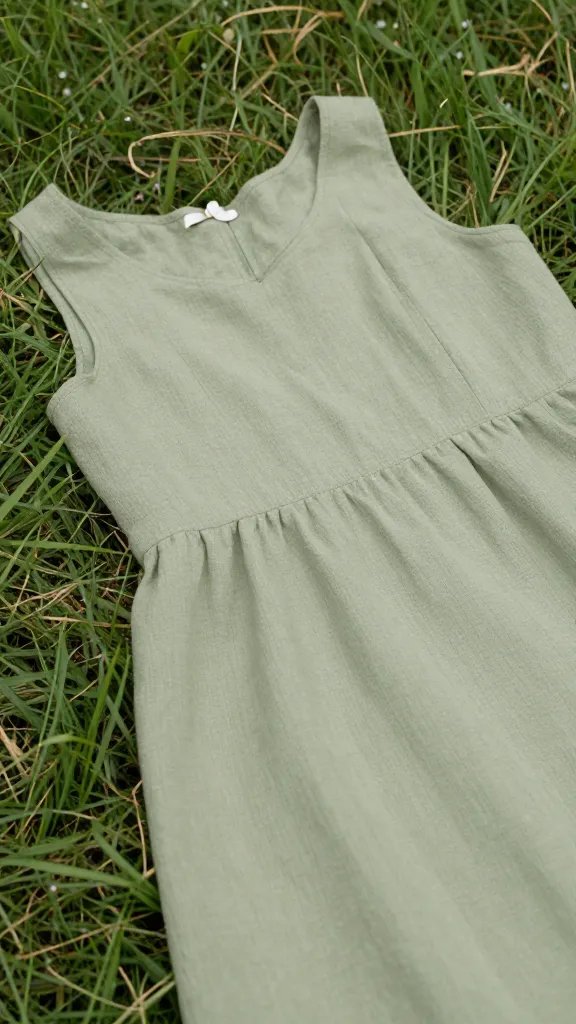
I start by naming the dominant colors of the spot: spring meadow greens, sandy tans, lake blues, or woodland browns. Then I pick one base color from that palette and one accent that’s a shade lighter or darker.
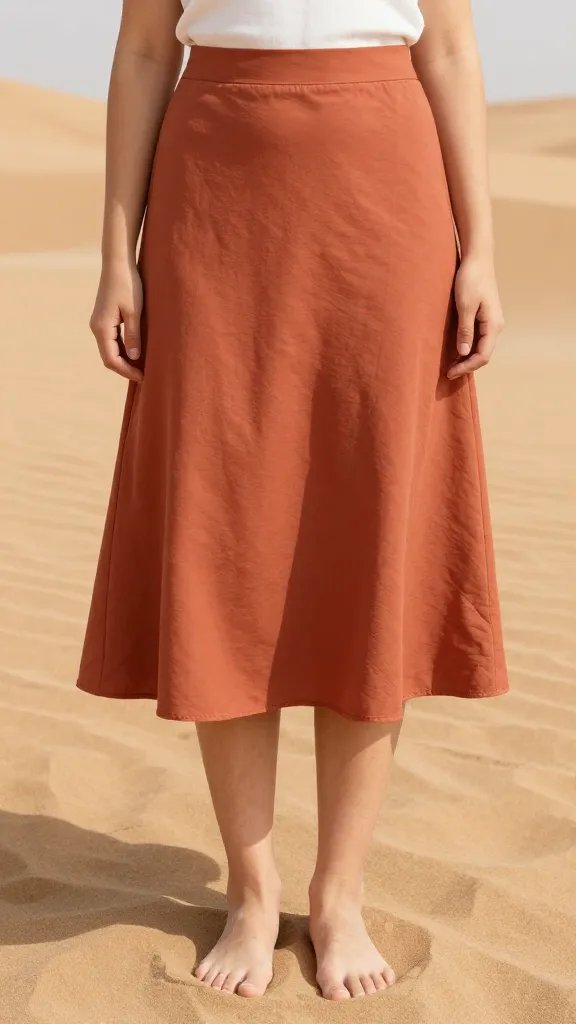
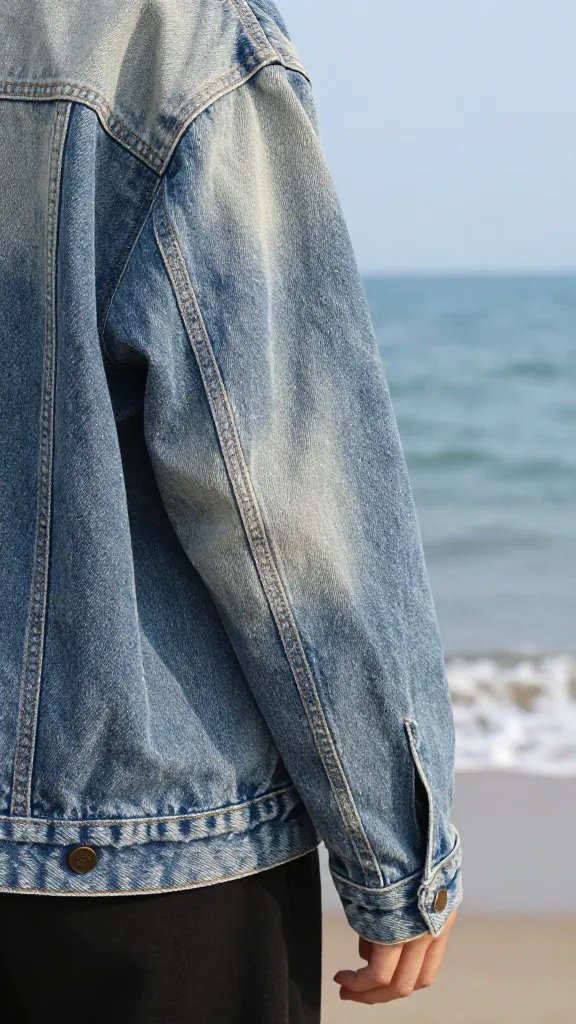
At a grassy park, I wear soft sage, olive, or cream. On sandy shores, I use oatmeal, terracotta, and denim. In forests, I switch to rust, deep green, and charcoal. This echo keeps you from clashing with the scene and makes photos feel calm.
Action today: Open your phone’s last park photo and tap the color picker tool (or zoom in with your eye) to choose a base color from the ground and one accent from the sky or foliage; build your outfit around those two.
Choose Fabrics That Match the Microclimate

Outdoors adds heat, wind, damp, and grit. I match fabric weight and weave to what the air is doing.
- Sunny, still lawns: Light, loose weaves like cotton poplin or linen breathe and don’t cling when you sit.
- Windy lakes or hills: Slightly heavier cotton twill or a denim layer stops constant flapping.
- Damp grass: Quick-dry blends for the bottom layer and a longer hem you can tuck under you.
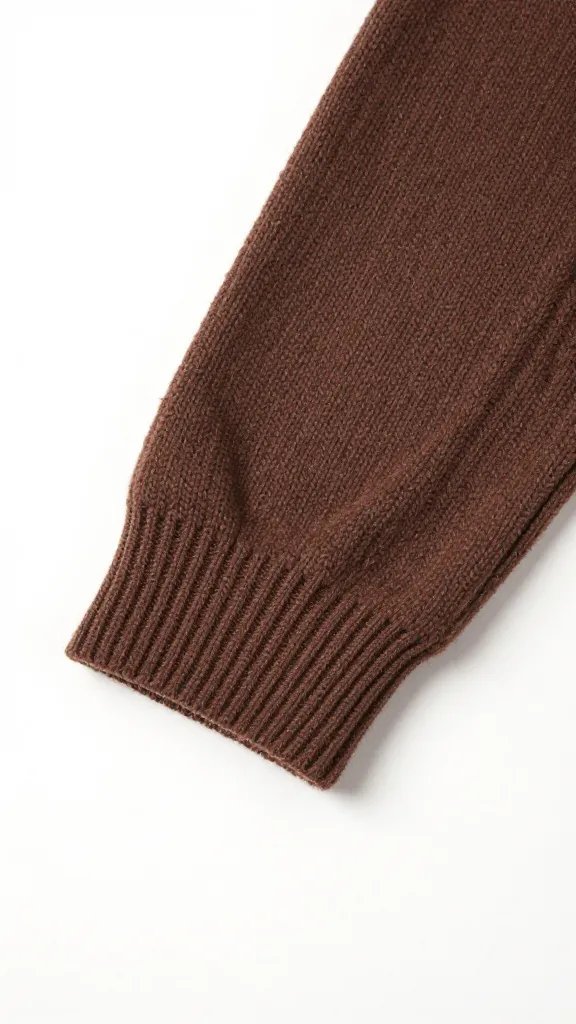
- Woodland shade: Soft knits or flannel hold warmth when the temperature drops under trees.
Warning Signs You Picked the Wrong Fabric
- Back-of-knee sweat or fabric sticking when you stand means the weave is too tight for heat.
- Hem soaking through after 5 minutes on grass means you need a denser or treated layer.
- Shivering in shade after sunset means you under-layered; add one insulating piece.
Action today: Do a 60-second breath test: hold the fabric to your mouth and exhale — if air passes easily, it’s good for heat; if not, save it for cooler or windy sites.
Blend With Nature Without Becoming Bug Bait
Color affects insects and heat. I avoid bright whites and neon near water; they reflect harshly and draw attention in photos. I use mid-tones that blend: sage, clay, dusty blue, taupe, and muted florals.
Critical note: Black and navy absorb heat fast in open sun. Bright yellow and saturated blue attract some pollinators. I pivot to earthy pastels or soft patterns that echo wildflowers instead of competing with them.
Quick Color Guide by Habitat
- Meadow/park: Sage, buttercream, dusty rose, soft denim.
- Woodland: Moss, rust, cocoa, cream, micro-checks or tiny florals.
- Beach/lakeshore: Sand, oat, faded indigo, sea-glass green, thin stripes.
- Rocky overlook: Charcoal, slate, olive, white as a single accent layer.
Action today: Lay your outfit on the floor and snap a photo beside a photo of your picnic spot; if one item “shouts” first, swap it for a softer tone of the same color.
Plan for Ground Contact: Hemlines, Layers, and Sit Surfaces

Picnics are about sitting. I dress bottoms for the ground, not the mirror. I choose hemlines that won’t drag and fabrics that won’t snag.
- Skirts/dresses: Midi length with a slip or bike shorts stops cling and gives a clean sit surface.
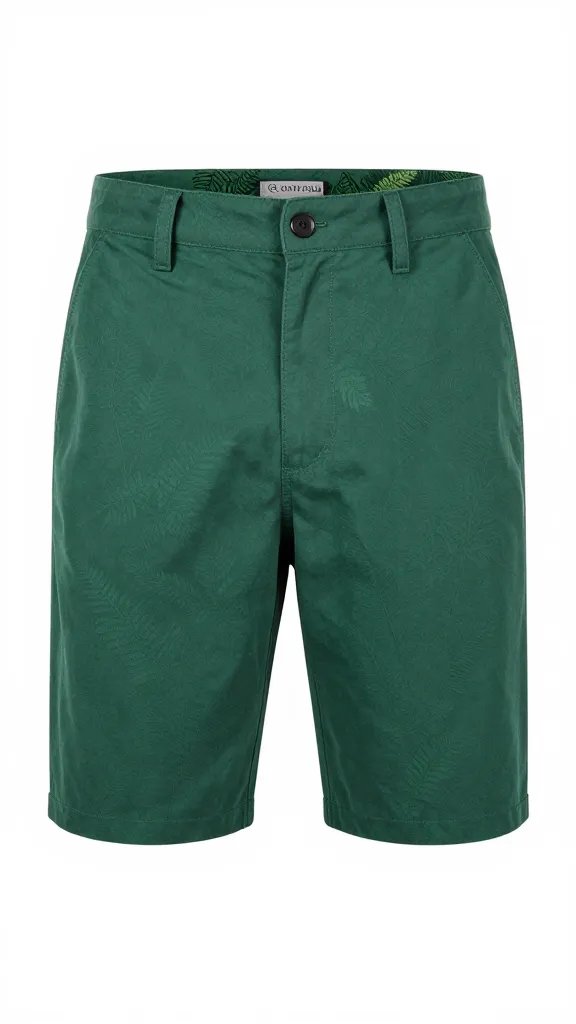
- Pants/shorts: Straight-leg twill or relaxed denim holds shape on rough grass or sand.
- Top layer: A light overshirt becomes a knee blanket or sun drape for shoulders.
Step-by-Step: Make Any Outfit Picnic-Ready
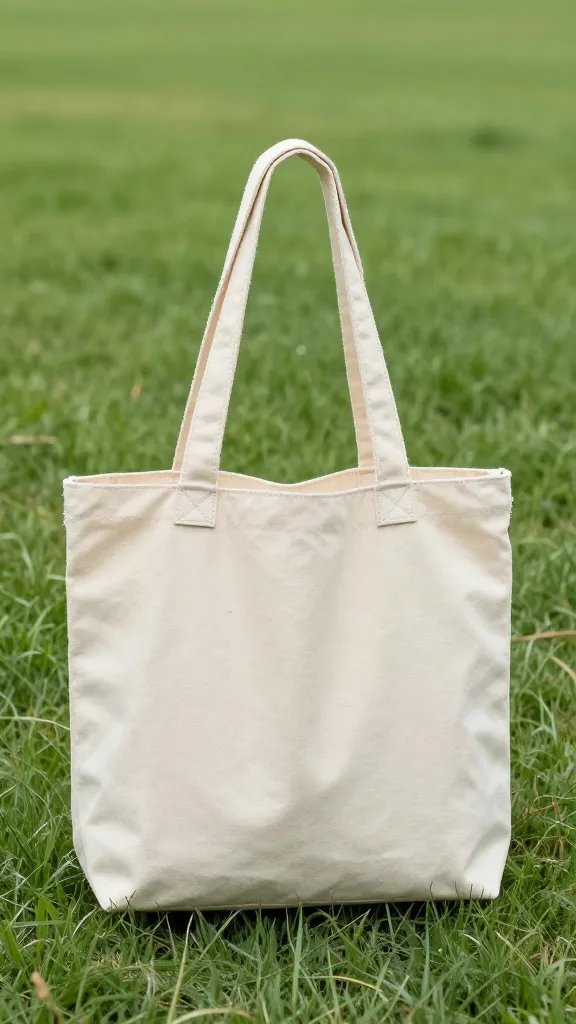
- Add a ground barrier: a compact blanket with a moisture-resistant underside or a folded canvas tote as an emergency seat.
- Secure hems with a simple front tuck or tie a knot in a long tee to keep fabric out of the grass.
- Pack a spare lightweight scarf to sit on if the blanket gets damp.
Action today: Sit on the floor in your planned outfit for one full minute; if anything pulls, exposes, or wrinkles badly, change that single piece.
Manage Sun, Wind, and Temperature Swings With Smart Accessories
I treat accessories like portable microclimate tools. A brimmed hat is shade you can wear. Sunglasses set the vibe and stop squinting in every photo.
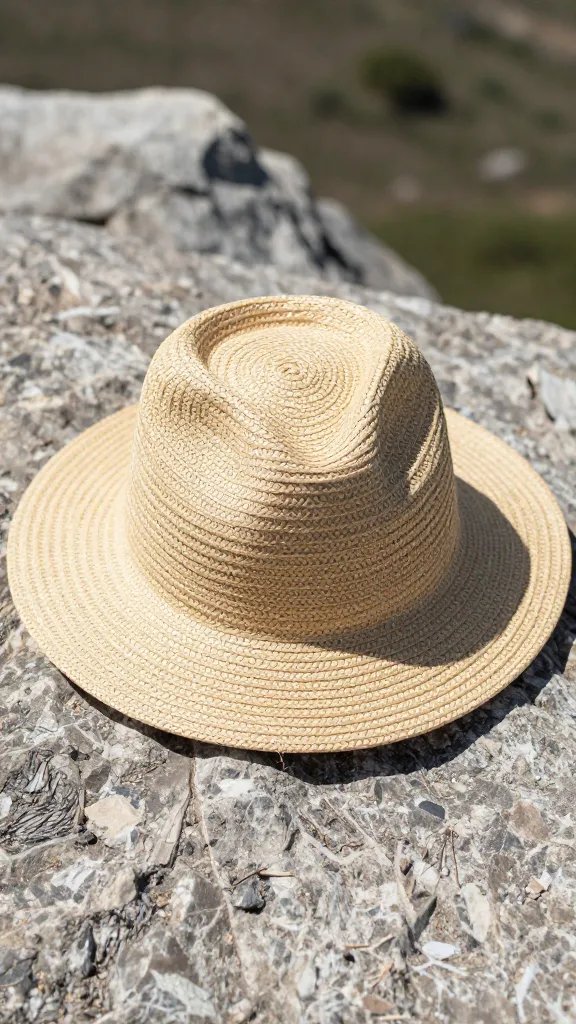
- Sun: Wide-brim hat in straw or canvas; SPF lip balm; light scarf as a shoulder cover.
- Wind: Hair tie or claw clip; a thin wind-blocking overshirt or chore jacket.
- Cool evenings: Pack a compact fleece or knit that matches your base color.
- Footwear: Closed-toe canvas sneakers for lawns and trails; strapped sandals for sand; avoid thin soles on rocky ground.
Action today: Add one weather buffer — hat, overshirt, or scarf — in a color already present in your outfit so it looks intentional in photos.
Use Patterns and Textures That Echo the Setting
Patterns should repeat shapes you see outside. In meadows, I use tiny florals or soft gingham. In forests, I switch to herringbone, waffle knits, or micro-checks that read organic.
Textures matter more than prints in hardscapes. On rocky overlooks or urban parks, I pair slate jeans with a textured knit or canvas tote so the outfit doesn’t look flat against stone.
Plant-Friendly Pattern List
- Micro-florals: Look natural amid wildflowers; avoid oversized blooms that dominate.
- Gingham/stripes: Keep them narrow; wide bands clash with grass blades and horizon lines.
- Knits and slub cotton: Add depth in shade and photograph well at dusk.
Action today: If your top is patterned, keep the bottom solid in a color pulled from the print; this anchors the look to the landscape.
Stay Practical: Pockets, Packability, and Stain Strategy
I plan for spills and soil the same way I plan for color. Mid-tone fabrics hide grass stains better than bright white. I bring a small stain wipe and a plastic bag for sandy or damp layers on the way home.
Pockets matter outdoors. I choose pieces with at least one secure pocket for phone and keys so I’m not digging through the picnic basket.
Fast Clean-and-Go Kit From a Hardware or Garden Centre
- Compact microfiber cloth (doubles as napkin and lens cloth)
- Travel stain wipe or a small spray bottle with a teaspoon of mild dish soap and water
- Foldable plastic sheet or contractor bag under your blanket if the ground is damp
Action today: Add one pocketed layer or belt bag that matches your base color so essentials stay on you when you wander for photos or to the tap.
Frequently Asked Questions
What colors look best in photos at a green park?
Soft neutrals with a green undertone work best: sage, cream, dusty blue, and clay. They won’t blow out in bright sun and they echo grass and sky. Avoid high-contrast black and pure white together; they create harsh edges on midday photos. If you want pop, use one small accent like a terracotta scrunchie or denim jacket.
How do I avoid bug bites without wearing sporty gear?
Choose light, long sleeves and ankle-covering pants in breathable cotton or linen. Apply unscented repellant to cuffs, ankles, and the back of knees, then wash hands and handle your outfit to prevent shiny spots. Skip floral perfumes and saturated yellow near meadows. Add closed-toe canvas sneakers to keep ants and grass seeds off your feet.
What should I wear if the forecast swings 8–10°C during the picnic?
Use a three-layer plan: breathable base (tee or tank), light middle (linen overshirt or cotton sweater over shoulders), and compact warmth (thin fleece or knit in your tote). Keep all three in the same color family so adding or removing layers still looks cohesive. Put the warmest piece on top when seated as ground contact cools you faster than standing.
How can I sit on damp grass without ruining my outfit?
Bring a picnic blanket with a moisture-resistant underside or lay a folded contractor bag beneath a regular blanket. Choose mid-weight twill or denim bottoms that resist wicking. After sitting, stand for 30 seconds before moving to let moisture evaporate, then brush off with a microfiber cloth to prevent set-in marks.
What patterns won’t clash with wildflower meadows?
Pick micro-florals in two to three colors, with one color pulled from the grass or sky. Keep the scale small so the flowers around you remain the star. If your top is patterned, keep the bottom in a solid pulled from the print palette. Gingham under 1 cm squares also blends well without dominating.
Conclusion
You don’t need a new wardrobe to look at home outside — you need a plan that matches color, fabric, and layers to the setting. Pick a base from the ground, an accent from the sky, and one weather buffer you can add or remove without breaking the palette. Today, choose your spot first, then build your outfit in five minutes around a single photo from that place — you’ll feel comfortable, blend in beautifully, and your photos will prove it.
Leave a Reply