How to Plan Picnic Games for Adults That Everyone Actually Wants to Play
· Yasmine Taljaard
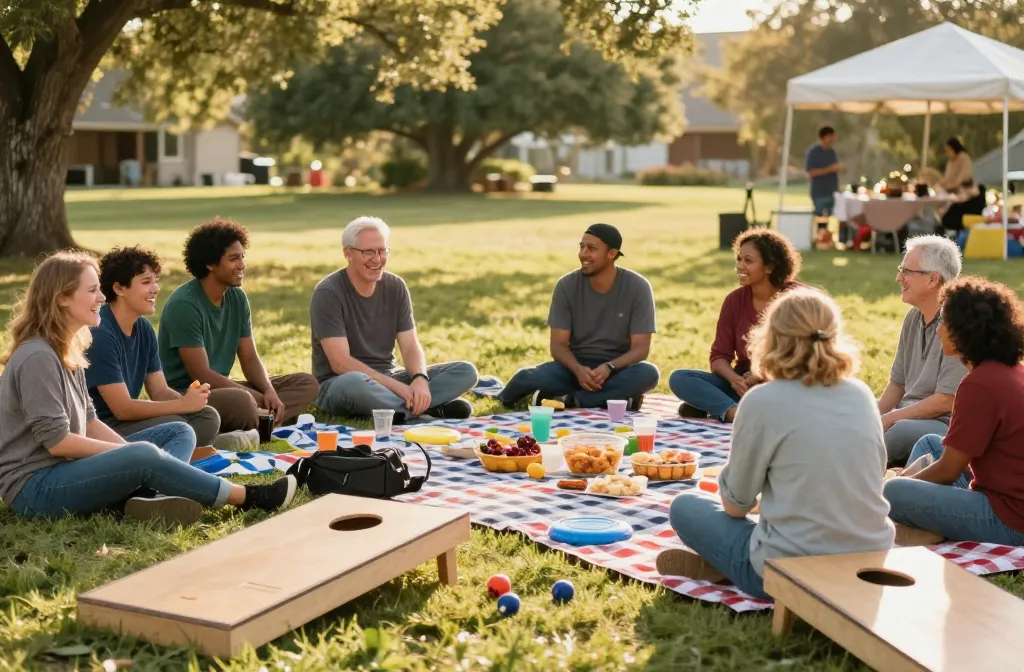
- Best for: A relaxed adult picnic with friends or coworkers
- Make ahead: Yes—plan and prep in advance, 1–2 days if possible
- Serves: Ideal for 6–20 players
- Key tip: Prioritize inclusive activities and clear space so no one feels left out
How to plan picnic games for adults that everyone actually wants to play is less about winning and more about connection. The right games keep the vibe light, the conversations flowing, and the snacks circulating. You’ll learn how to tailor activities to your group, balance competition with collaboration, and avoid the awkward “do we start now?” moments. By the end, you’ll have a starter kit of crowd-pleasing ideas and a simple plan to pull them off smoothly.
Start with a Simple Game Strategy
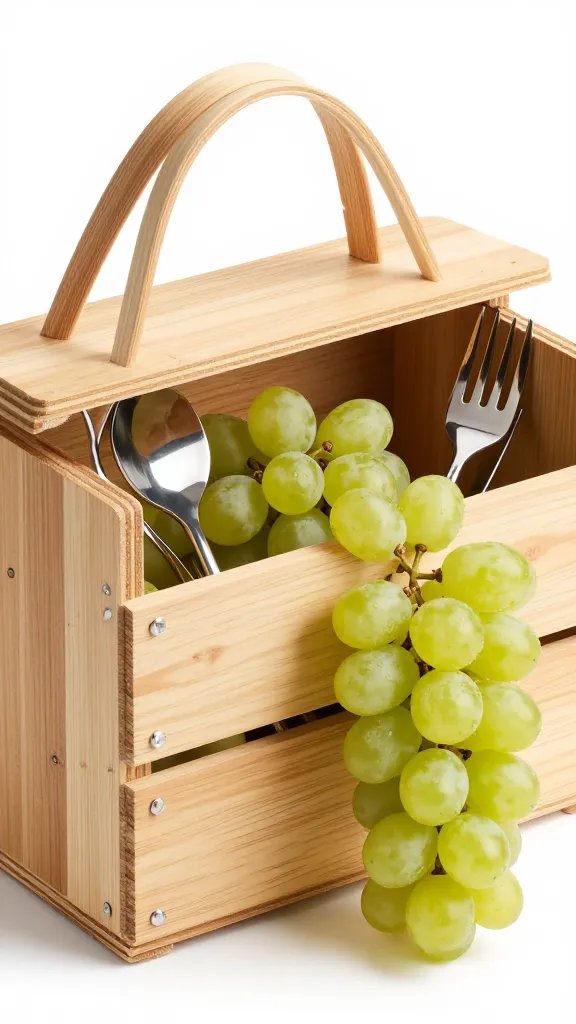
Before you draft a schedule, map out a few guiding principles. First, aim for inclusivity—choose activities that don’t require specialized equipment or intense athleticism. Second, mix up the pace: quick icebreakers, collaborative challenges, and a couple of friendly competitions. Finally, plan for weather and space: outdoor games should adapt to sun, shade, and uneven ground.
Involve Your Crowd: Quick, Low-Drama Options
- Two Truths and a Tall Tale: Lightweight, perfect for mingling. Each person shares two truths and one silly lie; others guess the lie. Easy to join at any time.
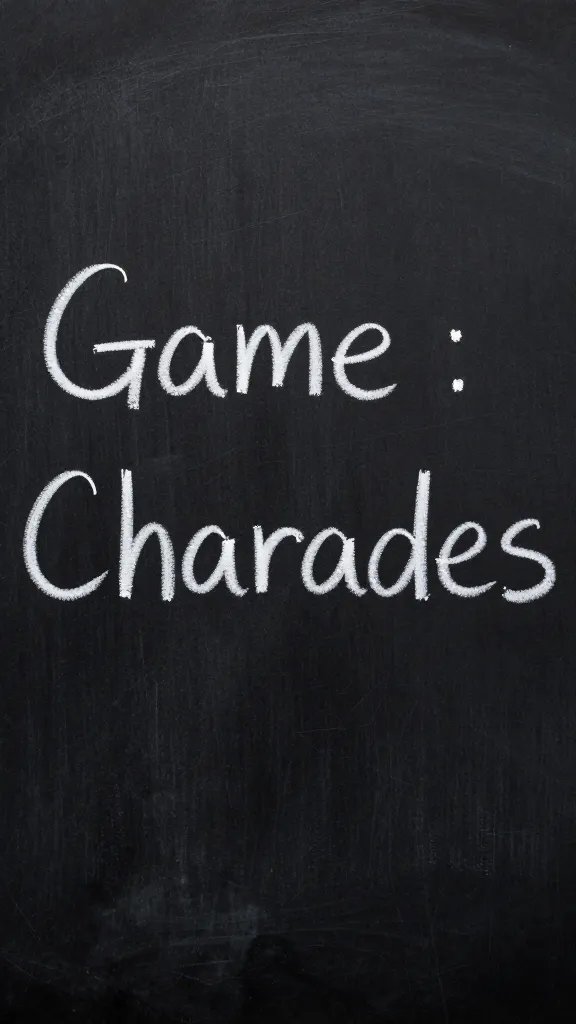
- Emoji Charades: Use a phone or chalkboard to convey movie or book titles with a string of emojis. Great for mixed ages and language skills.
- Team Scavenger Hunt: Small, density-friendly clues hidden around the park or yard. Teams earn points for speed and accuracy, not just luck.
Bring a Friendly Competitive Edge
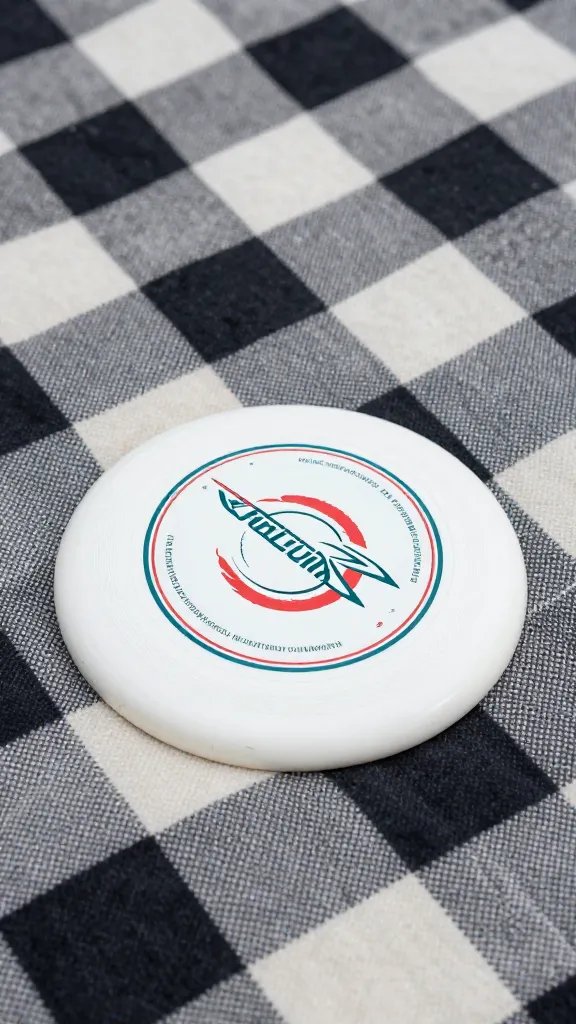
Healthy competition raises energy without grumbling if you set the right rules. Here are low-stress formats that work well with adults:
- Field Relay Relay — 3 short stations (sack race, three-legged dash, obstacle quick-step). Teams rotate; fastest overall wins.
- Team Trivia Toss — quick-fire trivia rounds paired with a physical challenge (hula hoop ring toss or ring toss target) for scoring.
- DIY Golf or Bean Bag Knockdown — build a few simple targets with pint-sized challenges; keep sessions short to maintain momentum.
Creative, Cardboard, and Chill Options
You don’t need fancy gear to keep adults entertained. Low-cost, low-prep options can still feel novel and fun.
- Giant Jenga with a Twist — add challenge cards on blocks: “Do a quick dance,” “Share your most awkward work story,” etc.
- Giant Tic-Tac-Toe — oversized pieces and a 3×3 grid painted on the ground or a tarp. Quick rounds keep energy high.
- Shadow Tag or Capture the Flag — classic games adapted for a relaxed pace. Set boundaries and a gentle rule set to keep it friendly.
Mini-Experiments: Crowd-Centered Activities
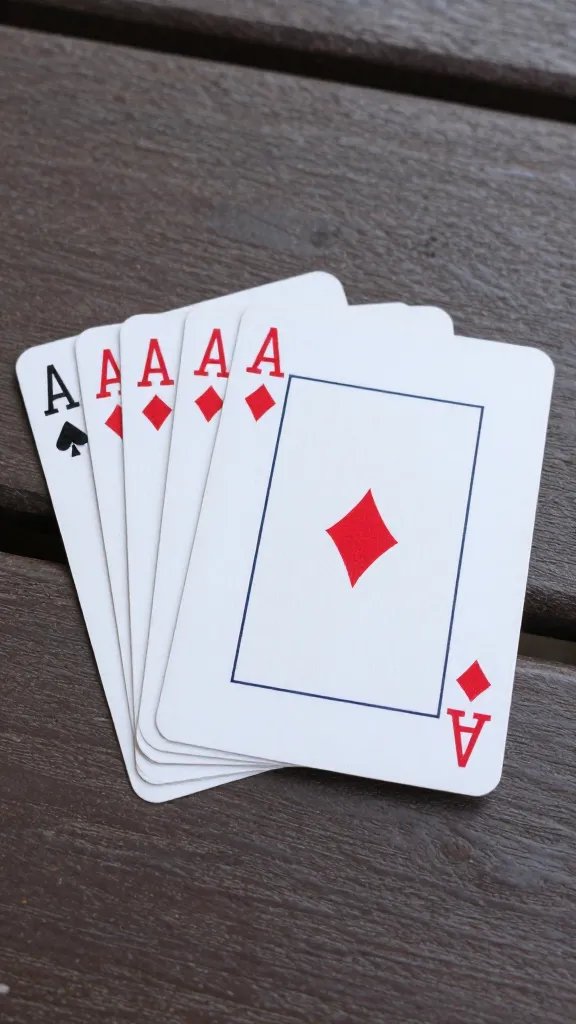
Experimenting with a few shorter activities can reveal what the group loves without committing to a long marathon of games.
- Charity Challenge — teams complete tasks and earn points; the losing side donates a small amount to a chosen cause. Keeps things light and purposeful.
- DIY Photo Challenge — assign themes and give 5 minutes for teams to capture goofy photos. Best shot wins a silly prize.
- Speed “Friendship” Bingo — create bingo cards with prompts like “Find someone who has visited Asia” and let players network to complete lines.
From My Kitchen: What Actually Works
One thing I’ve learned is that the simplest build-up works best. A packed kit with a few lightweight games travels well and reduces last-minute scrambling. The biggest mistake I see is trying to fit too many activities into a single window—pace the day so there are natural breaks for snacks and conversation. For a crowd of 12–15, I rotate through three quick games, followed by a relaxed social block, then a longer group activity. It keeps energy steady and avoids the “sprint to the finish” vibe.
Internal Links
Looking for a related crowd-friendly recipe or party idea? Check out this chimichurri recipe for a bright, shared dip, and explore our guide to easy outdoor snacks to keep the grill busy between games.
Frequently Asked Questions

How long does this type of plan for picnic games last?
Plan for 2–4 hours total, with built-in breaks for drinks and bites. If you’re hosting after-work, aim for 2–3 hours and pace the activities so people feel free to retire or join as they please.
Can I make picnic games for adults ahead of time?
Yes. Prepare simple kits, print out prompts, and test run a couple of activities a day beforehand. Pre-arranging clues, scoring sheets, and name badges saves time on the day.
What’s the best way to serve picnic games for a crowd?
Keep things modular. Have a few short, high-energy tasks and a couple of chill activities running in parallel. Use visible timers and a quick “reset” station where players can grab a quick snack and regroup.
Can I customize games for non-athletic guests?
Absolutely. Favor inclusive activities like trivia, storytelling challenges, and collaborative puzzles over physically demanding games. Offer alternative ways to score or participate so everyone can contribute.
How do I avoid competitiveness turning into tension?
Set clear ground rules: emphasize fun and participation over winning. Use point caps and rotating roles so no one dominates, and celebrate effort with light, humorous prizes rather than big stakes.
Is there a good way to handle weather shifts?
Have a shade plan and a fallback activity ready. If it starts raining, switch to indoor-friendly games like charades or a tabletop trivia round. Keep a light rain plan in your schedule so it feels natural.
The Bottom Line

Planning picnic games for adults that everyone actually wants to play is about clarity, inclusivity, and pacing. Build a small toolkit of quick, low-effort activities, mix in a few friendly competitions, and give space for social time. With a flexible plan and a couple of ready-to-go prompts, your gathering will flow naturally and feel effortless.
Planning to try this? Save this post so you can find it when you need it — and tag us when you make it.
Leave a Reply