Adire Fabric Napkins: Bringing West African Luxury to Your Table Now
· Yogi
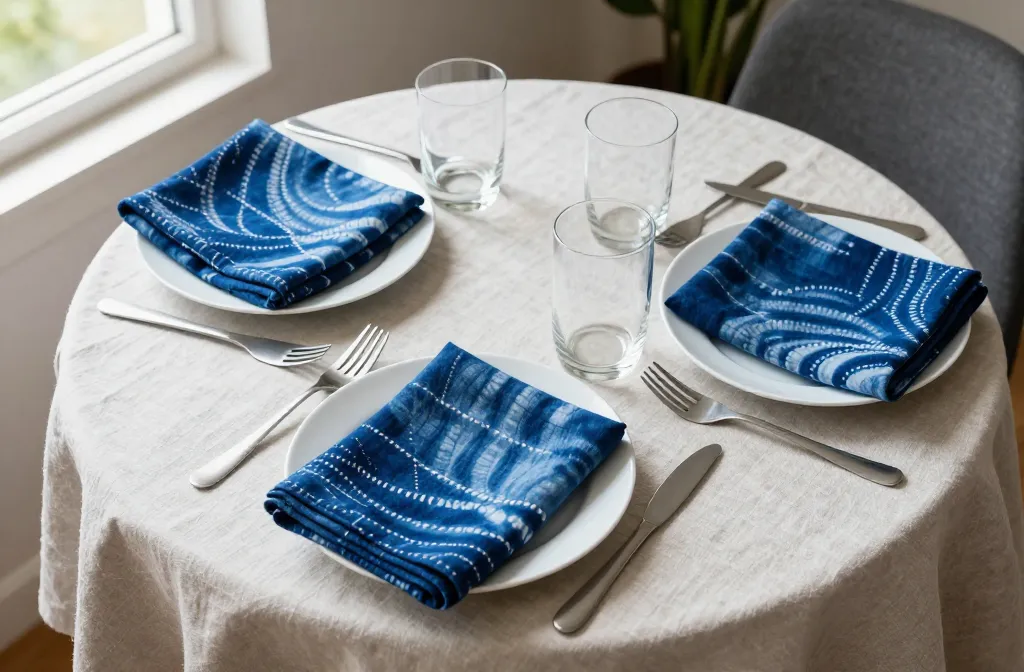
I first set Adire napkins on my small apartment table before a Sunday lunch, and my guests reached for them before the food. The indigo patterns did the heavy lifting my budget tableware couldn’t — the whole scene felt layered and intentional. If you’re curious about bringing West African craft to your table without fuss, I’ll show you how to choose, style, and care for Adire fabric napkins. You’ll leave with step-by-step guidance you can use for your next dinner, even if you only own basic kitchen and laundry tools.
What Adire Is And Why It Elevates A Simple Table
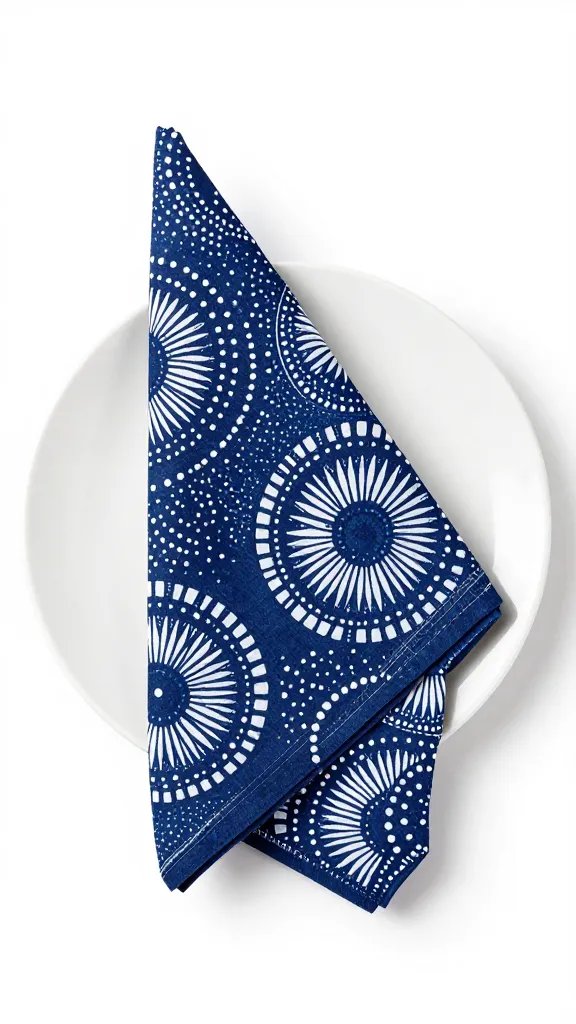
Adire is a Yoruba resist-dyed textile from southwestern Nigeria, traditionally hand-dyed in indigo with patterns made by stitching, folding, or using cassava paste as a resist. The result is crisp geometry, soft gradients, and motifs with cultural meaning.
On a home table, Adire does two things at once. It adds visual rhythm that frames plain plates, and it brings a story of craft you can share while pouring water. Even one napkin per setting transforms a bare setup into something curated.
Takeaway: Set one Adire napkin on your usual white plate tonight — no centerpiece needed — and notice how the table looks “finished.”
How To Choose Quality Adire Napkins Without Overpaying
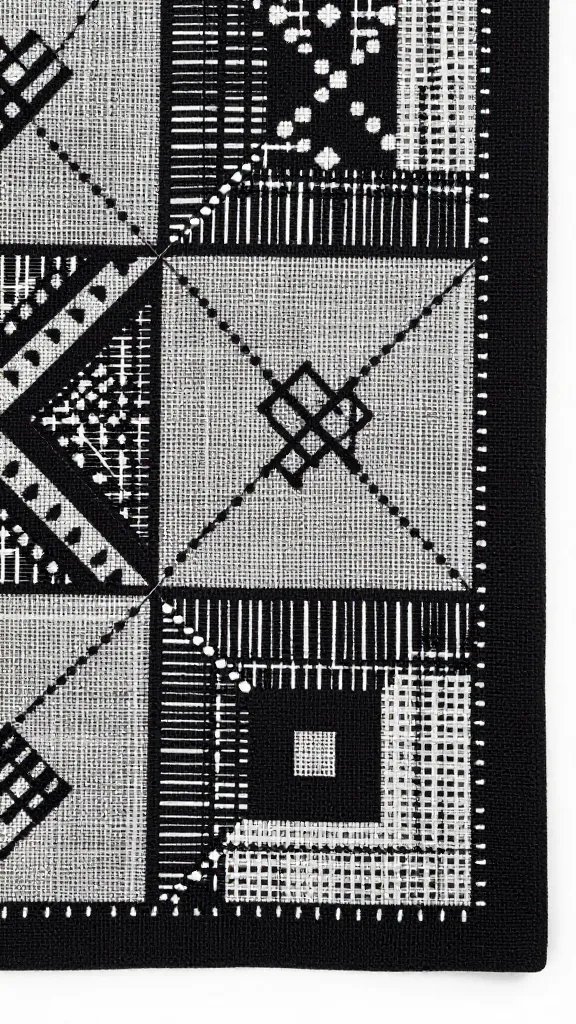
Look for 100% cotton with a tight, even weave. Hold it up to light; you should see minimal pinholes and no streaky thin spots. Good cotton feels substantial, not stiff like paper.
Check dye fastness with a quick rub test. Lightly dampen a white paper towel and press it to a corner for 10 seconds. A faint blue haze is normal for indigo; a bold transfer signals poor setting.
Pattern matters. Repeat patterns sit calmly under busy plates; bold central motifs work best with simple dishes. If you’re mixing, keep one element quiet: patterned napkins with plain tablecloths or vice versa.
Price sanity check: for artisan-dyed napkins, expect mid-range pricing similar to quality linen napkins. Extremely cheap sets often use printed imitations, not true resist dye.
Action: Before buying online, message the seller to confirm “100% cotton, prewashed, indigo properly set.” That single question filters out most disappointments.
Colorfastness And First-Wash Protocol So They Don’t Bleed
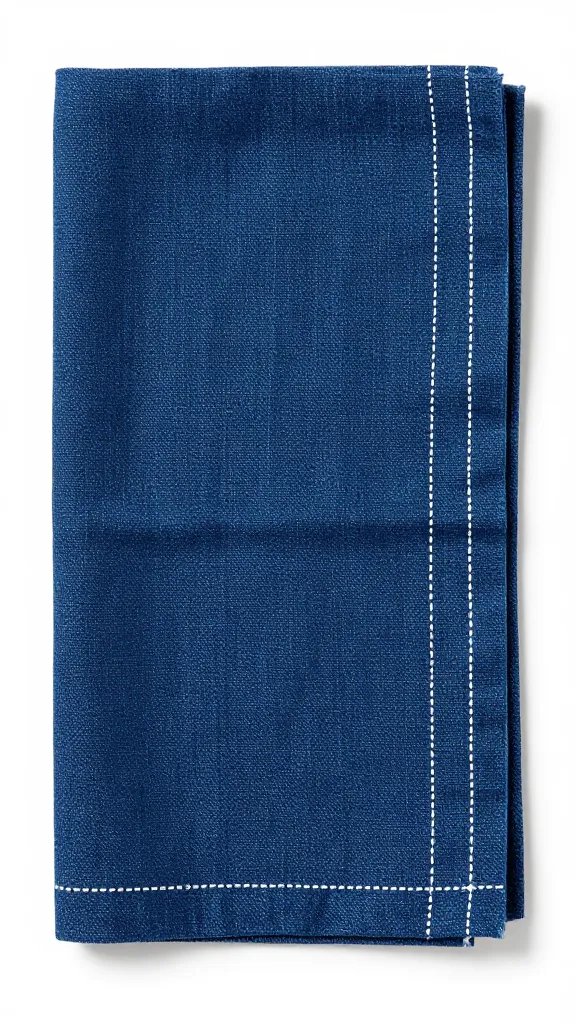
Indigo behaves differently from factory dyes. It sits on the fiber surface and sheds a little “bloom” at first. Manage it and you keep the crisp blues without staining other linens.
Step-by-Step First Wash
- Fill a clean bucket or sink with cool tap water that tastes clean, not salty.
- Add 1 tablespoon of gentle liquid detergent per 4–5 napkins. No bleach, no optical brighteners.
- Swish napkins for 2–3 minutes — do not soak longer than 10 minutes.
- Rinse in cool water until it runs mostly clear.
- Press water out by hand; do not wring. Lay flat on a towel and roll to remove excess, then air-dry out of direct sun.
- Iron while still slightly damp on the cotton setting, using a pressing cloth to protect patterns.
Warning signs: If the rinse water stays deep blue after two washes, the dye wasn’t set well. Reserve those napkins for dark tablecloths and wash them separately for 3–4 cycles.
Takeaway: Do a single-basin cool wash before first use — it locks in color and prevents surprises on a white tablecloth.
Simple, High-Impact Ways To Fold And Place Adire Napkins

Adire patterns reward straightforward folds that show off edges and motifs. Skip overly clever origami; let the fabric read clearly.
Three Reliable Folds
- Classic Rectangle: Fold in thirds lengthwise, then in half. Tuck under the plate edge so a band of pattern frames the setting. Works best for busy repeats.
- Diamond Pocket: Fold into a square, then a triangle, and tuck the point under to make a small pocket for flatware. Great for bold central motifs.
- Loose Roll With Tie: Roll from one edge and secure with cotton twine or a sprig of rosemary. The irregular lines suit Adire’s hand-dyed character.
Coordinate, don’t match. Use two related patterns across the table to create movement. Keep plates plain — white, cream, or matte stoneware makes the blues pop.
Action: Try the classic rectangle fold and place it under your everyday fork and knife — 30 seconds, instant polish.
Setting A Table That Lets Adire Do The Talking

Start with a neutral base: bare wood, white cloth, or undyed cotton runner. Adire on Adire can work, but only if one piece is a much lighter tint and a simpler pattern.
Keep the centerpiece low and simple. A small bowl of limes, a potted herb, or a single low vase keeps sightlines clear and avoids competing with the napkins. Candlelight warms indigo; use unscented tea lights or short tapers.
For weekday meals, use Adire as a placemat under a single bowl and spoon. It adds ceremony without feeling staged.
Action: Swap your patterned tablecloth for a plain runner tonight and let the napkins be the only print.
Care And Stain Removal With Only Household Tools
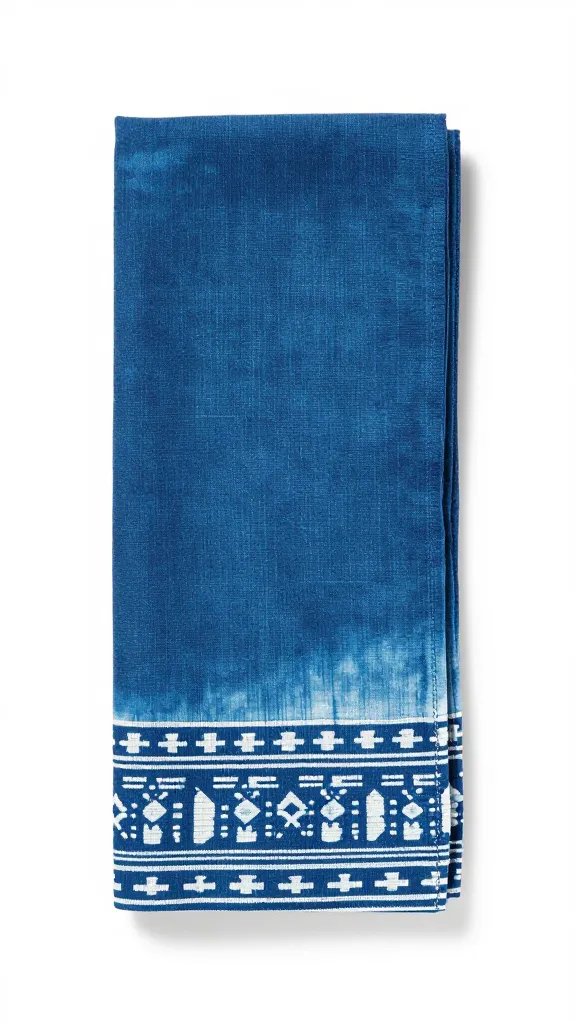
Treat stains the same day. Rinse with cool water from the back of the fabric to push the stain out, not in. Blot — never scrub — to protect the resist lines.
Common Stains And Fixes
- Wine/Tomato: Sprinkle table salt, let it draw moisture for 5 minutes, then rinse cool and wash with gentle detergent.
- Oil/Butter: Cover with cornstarch or baking soda for 10 minutes, brush off, then wash warm (not hot) with detergent.
- Coffee/Tea: Rinse cool immediately, then soak 10 minutes in cool water with a teaspoon of detergent, rinse, and air-dry.
Drying matters. Air-dry flat or line-dry in shade. Sun can fade indigo. Iron on cotton with steam; store folded in a cool, dry drawer away from direct light.
Action: Put a small jar of baking soda and a spoon in your dining drawer so you can treat oil stains before dessert.
Ethical Sourcing And Caring For The Makers

Adire thrives when makers are visible and paid fairly. Look for shops or co-ops that name the dye house or artisan group and share photos of the process. Avoid listings that only say “African print” without technique details — those are often mass-printed.
Ask two questions: “Is this resist-dyed, not printed?” and “Were the fabrics prewashed and dye-set?” Sellers who answer directly tend to stand behind their work and offer care guidance.
When you buy from artisan-led vendors, you support dye yards, stitchers, and fabric finishers — not just a storefront. That continuity keeps patterns and knowledge alive.
Action: Save one trusted source in your bookmarks and stick with them for future sets so your patterns coordinate.
Refreshing Faded Indigo Without Harsh Chemicals
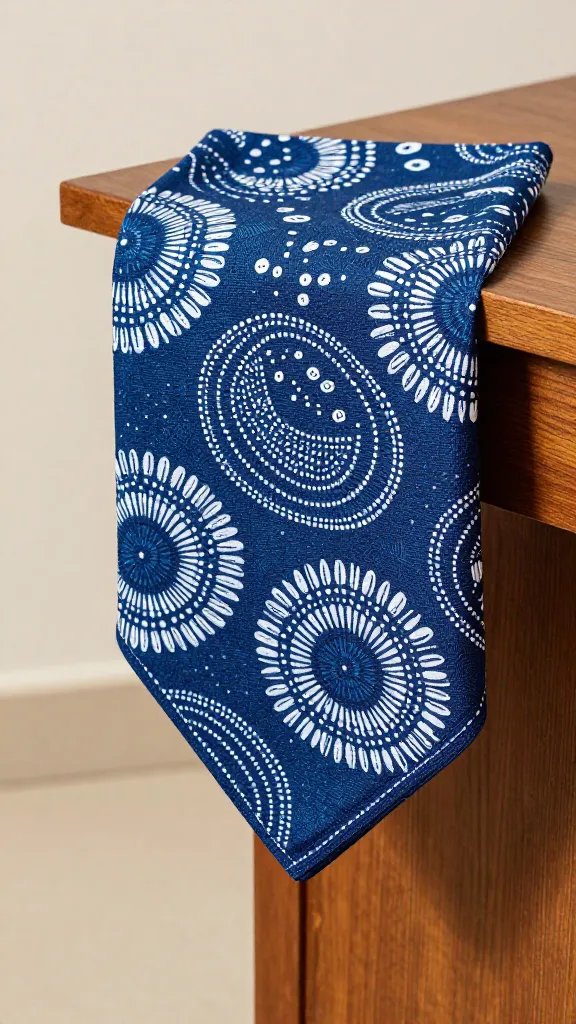
Indigo softens with years of washing. You can refresh depth at home without special equipment.
At-Home Indigo Refresh (Low-Commitment)
- Wash napkins clean and air-dry.
- Use a non-toxic fabric color restorer in the blue range from a standard craft aisle, following the label for cotton. It deepens tone without altering patterns.
- Rinse thoroughly, then press while damp.
This won’t replace a true vat dye, but it evens tone and brightens edges for another season of hosting.
Action: If your napkins look dull, plan a 30-minute refresh session this weekend with a blue-safe restorer from your local craft store.
Frequently Asked Questions

Will Adire napkins stain my white tablecloth?
Properly set indigo should not transfer during normal use. Do a quick rub test before first use and complete the first-wash protocol in cool water. If you see blue on your paper towel after drying, layer the napkin over darker placemats for the first two or three meals. Always wash Adire separately the first three cycles.
Can I machine-wash Adire with my regular laundry?
Yes, but set a few rules. Use cold water, gentle cycle, and a mild detergent without bleach. Wash with dark items only for the first 3–4 washes. Skip the dryer; air-dry in shade to protect indigo depth.
What size napkins should I buy for everyday dinners?
Go for 18–20 inch squares for home use. They’re large enough to fold neatly and protect laps without overwhelming small tables. If you host frequently, keep a set of six so you can rotate while a few are in the wash. Thicker cotton holds folds better than very light weaves.
How do I mix different Adire patterns without clashing?
Pick one constant and one variable. Keep all napkins in the same blue family, then vary the motif scale: one small repeat, one medium stripe, one bold motif. Anchor with plain white or natural plates. Limit yourself to two patterns per table to keep it cohesive.
Are printed “Adire-style” napkins worth buying?
Printed imitations cost less and behave like regular cotton prints. They won’t have the layered indigo look or subtle resist edges, but they can be practical for high-spill households. If you choose them, still prewash and follow cold, gentle care. For gifts or a statement table, invest in true resist-dyed Adire.
Conclusion
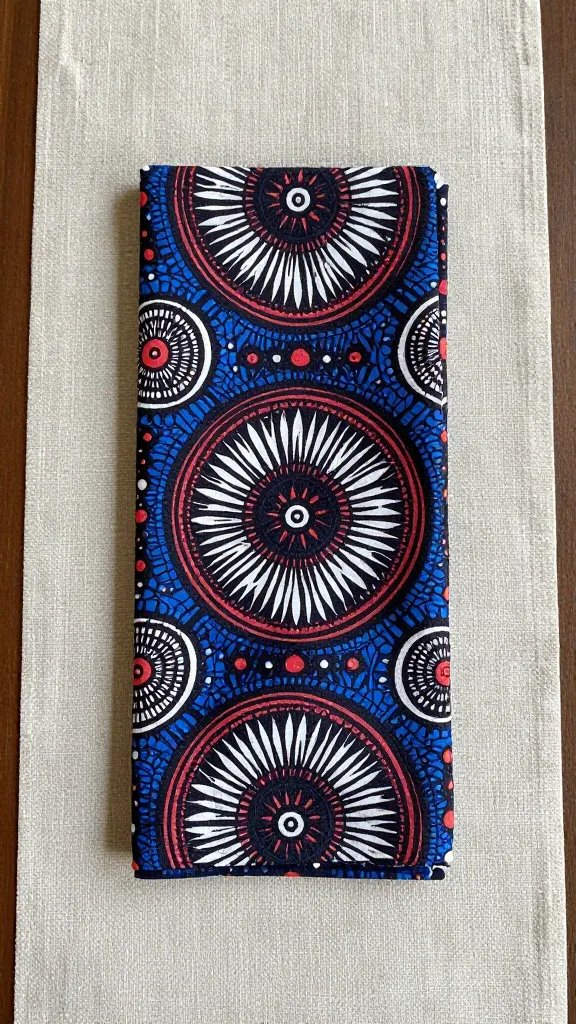
You don’t need a designer tablescape to host beautifully — a few well-chosen Adire fabric napkins carry the room with craft, color, and care. Start with one set, follow the first-wash routine, and try the rectangle fold at your next meal. When you’re ready to build a full look, add a plain runner and mix two complementary patterns with confidence. Your table will feel intentional every time you sit down, weekday or weekend.
Leave a Reply