Win Hearts: How to Be a Good Sport at Office Picnic Games
· Yasmine Taljaard

I’ve captained more than a few office picnic teams, from lopsided sack races to softball where half the lineup hadn’t held a bat since school. The teams that had the most fun — and left with better working relationships — always had one thing in common: they played hard without making it hard for anyone else. In this guide, I share exactly how I approach office picnic games so you enjoy the day, avoid awkward moments, and build credibility with your coworkers. You’ll learn what to say, how to lead, and how to handle wins and losses in ways people remember for the right reasons.
Set Expectations Before the First Whistle
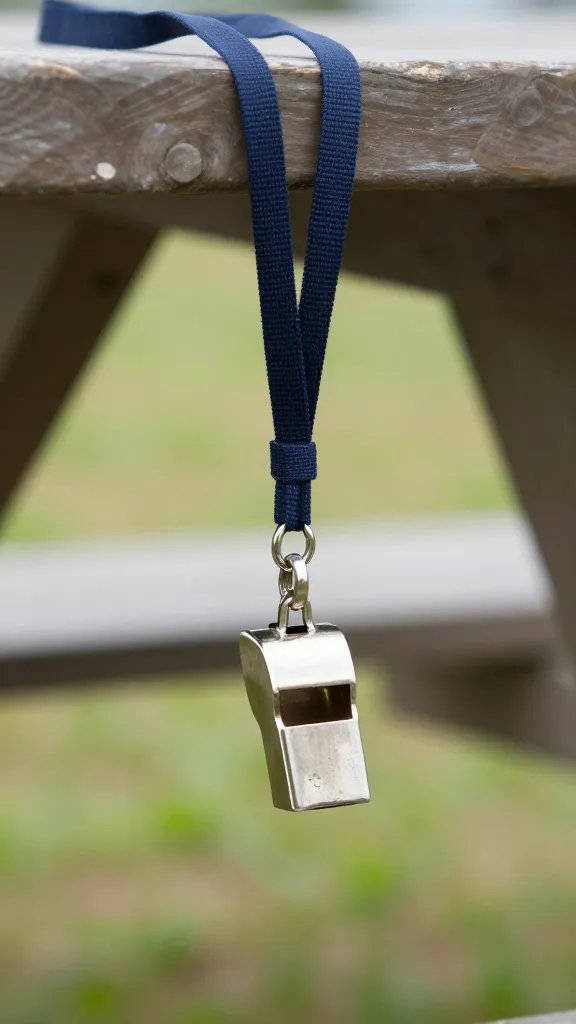
Confusion turns friendly games into friction. I start every event by agreeing on rules, timing, and how we’ll rotate players so no one is sidelined. I state the goal out loud: we’re here to include everyone, play fairly, and leave with better team chemistry.
I also put one person in charge of scorekeeping and another in charge of timing. Clear roles reduce arguments later. If rules are fuzzy, I pick the simplest version and apply it consistently for both teams.
Action today: Before the first game, say this: “Quick rules check — we’ll rotate every 5 minutes so everyone plays, and Sam has the score. Sound good?”
Compete Hard Without Making It Personal
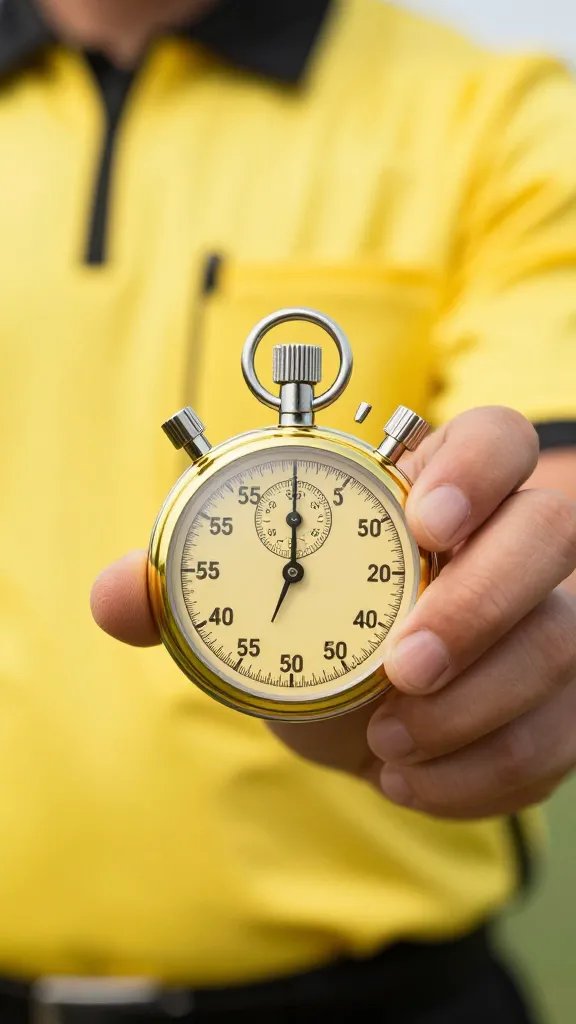
Intensity is fine; hostility is not. I focus my energy on the next play, not on blaming a person for the last one. I praise effort out loud — “Great hustle!” — and keep corrections private and brief.
When a borderline call happens, I offer the benefit of the doubt to the other team once early. That goodwill prevents five debates later. If a dispute lingers, I suggest a redo and move on.
Action today: Pick one phrase to use after every mistake: “No worries — next one.” Repetition steers the team’s tone.
Include Every Skill Level on Purpose

Office picnics mix weekend athletes with people who dread PE flashbacks. I set up rotations where newer players start in lower-pressure spots, then move up as they warm up. In relay events, I don’t stack all the fastest runners together — I pair experienced and new players so each group gets a fair shot and coaching.
I ask for preferences privately: “Want to start outfield or cheer and jump in later?” Choice preserves dignity. During play, I give specific, bite-size tips that help immediately: “In cornhole, aim for the front edge, not the hole — the board will pull it in.”
Action today: Make a quick lineup where everyone gets at least two turns. Put names and order on a scrap of paper so you stick to it.
Use Language That Builds, Not Breaks

Words set the social temperature. I avoid sarcasm, inside jokes that exclude, and any comment about someone’s body or ability. I use verbs and tactics instead of labels: “Short passes keep us moving” beats “You’re not a strong thrower.”
Cheering matters more than critiques. I praise specifics — “Great stop with your foot,” “Nice soft toss,” “Loved that pass-back.” Specifics feel sincere and teach what to repeat.
Action today: Ban two phrases from your mouth: “Come on!” and “How did you miss that?” Replace them with “We’ve got time” or “Reset and go.”
Handle Wins and Losses With the Same Face

People remember how you act after the whistle. If we win, I celebrate effort, not dominance: “That comeback happened because we communicated.” I shake hands, thank the other team, and credit a few of their best plays out loud.
If we lose, I close it quickly: “Good game — learned a lot, had fun.” No replaying mistakes, no blaming calls. I pivot to the next activity so the energy doesn’t stall in post-mortems.
Action today: After any result, walk to the other team’s captain first, shake hands, and say one specific compliment from the game.
Keep Safety and Fair Play Non-Negotiable

Picnic fields have uneven ground, stray coolers, and kids running through. I do a 60-second field scan before starting: move hazards, mark safe zones with cones or water bottles, and agree on out-of-bounds. I call “feet down” for any slide or tackle-prone games and cap throws at chest height for casual softball.
Warning signs: People breathing hard but quiet, players rubbing wrists or ankles, or escalating speed in a mixed-skill game. These tell me to slow the pace or switch to a lower-impact round.
Action today: Before game two, say: “Quick safety reset — chest-high throws only and watch that sprinkler head by third base.”
Share Equipment and Space Like a Host

Good sportsmanship looks like small courtesies. I bring spare sunscreen, hand wipes, and a couple of extra balls or beanbags. I return stray gear promptly and line up bats, bags, or bocce balls on one side so no one trips. When another group waits for the field, I offer them a start time and stick to it.
If someone forgets gear, I loan without a lecture. The memory they keep is generosity, not inconvenience.
Action today: Designate one “gear zone” by a tree or cooler and say, “All equipment returns here between games.”
Invite Friendly Rivalry, Prevent Cliques

Rivalry fuels fun; cliques drain it. I mix departments on teams and rotate captains between games so the same voices don’t dominate. I set one light tradition — like a goofy team name or a short cheer — that everyone can join without embarrassment.
Between games, I cross-pollinate conversations: introduce two people who don’t work together and give them a shared topic: “You both hike — favorite local trail?” Those bridges outlast any scoreboard.
Action today: Swap two players between teams before the last game to freshen the vibe and meet new colleagues.
Frequently Asked Questions

What do I say when someone keeps breaking the rules?
Address it calmly and immediately between plays. Use “we” language and the rule itself: “We’re calling no overhand throws — let’s keep them under chest height.” If it repeats, ask the captains to pause and restate the rule to both teams. Consistency and neutrality prevent it from feeling personal.
How do I include coworkers who don’t want to play?
Offer low-pressure roles: scorekeeper, timekeeper, DJ, or photographer. Invite them to join a turn-based game like cornhole where they can step in for one round. Never pressure; a friendly, specific ask works best: “Want to call out scores for this match?” Often they join later once they feel involved.
What’s the best way to handle a lopsided game?
Mid-game, even it up by swapping one strong player to the trailing team or adding a simple handicap: the leading team must complete three passes before scoring. State the change clearly and continue. After the game, rebalance teams for the next round to keep the day fun for everyone.
How do I give feedback without sounding harsh?
Use the “praise, cue, praise” method in one breath. Example: “Nice catch — try aiming for the front edge of the board — love the focus.” Keep it to one actionable cue, then let them try. Save longer coaching for practice throws between rounds, not mid-play.
What if someone gets hurt during a game?
Stop play immediately and check responsiveness. Use basic first aid: rest, ice, compression, elevation for sprains, and clean minor cuts with water and a bandage. If pain is sharp, movement is limited, or someone feels dizzy, call for professional help and keep them seated with water and shade. Resume only when they confirm they’re okay and have support.
Conclusion

Being a good sport at office picnic games is a choice you make before the first serve and again after the final point. Lead with clarity, keep the tone generous, and treat every play as a chance to build trust you’ll carry back to work. Your next step: volunteer to set rules and rotations at the start of your picnic — then model the calm, competitive, and kind approach others will follow.
Leave a Reply