Why Your Manners Travel with You: Beyond the Performance of Indoors Reloaded
· Yasmine Taljaard
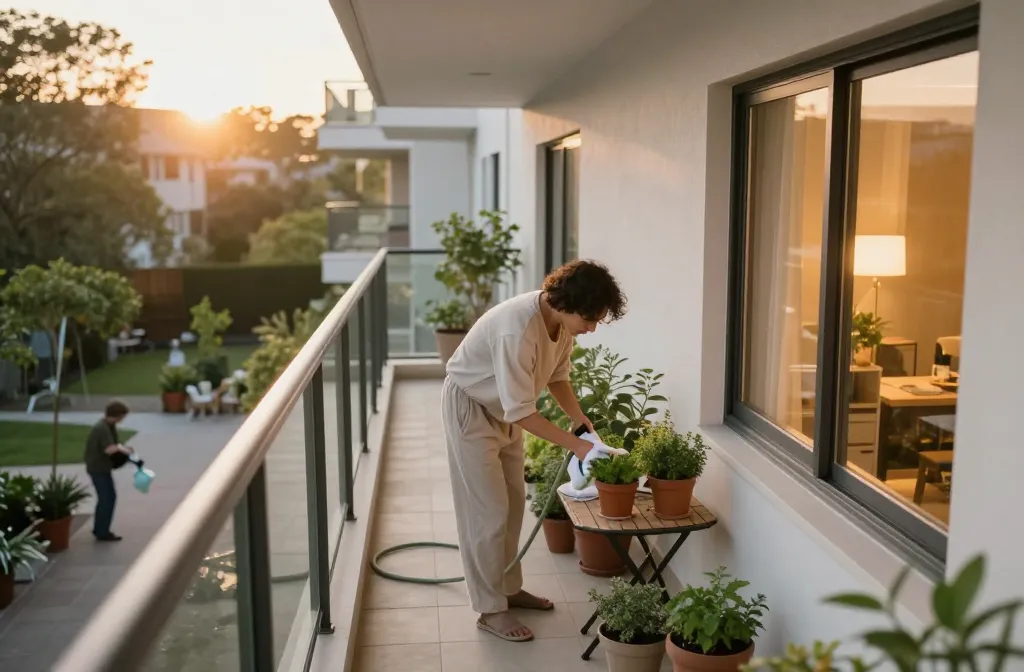
I learned my best “indoor voice” in a tiny apartment with paper-thin walls and a basil plant that wilted every time I hosted loudly. The same courtesies that kept my neighbor friendly also made my balcony gatherings smoother and my community garden plot welcome me back. This guide shows how manners don’t stop at your front door — they shape how well your spaces work and how happily your plants and neighbors live with you. You’ll learn specific, repeatable habits that make shared spaces calmer, cleaner, and easier to enjoy.
Manners Aren’t a Performance — They’re Systems That Reduce Friction
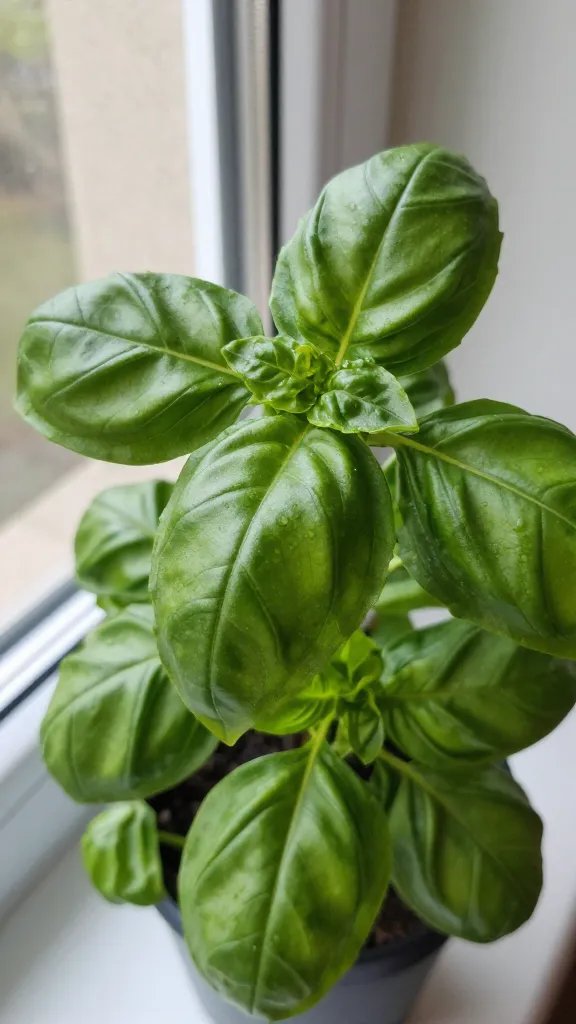
Indoors, we “perform” manners because feedback is instant: a roommate’s look, a pet spooked by noise, a plant drooping from heat. Outside, the feedback takes longer, so people forget their habits. I treat manners as systems — repeatable steps that prevent mess, conflict, and plant stress before they start.
Start with one system you repeat anywhere: greet, check, clean. I arrive, say hello to anyone present, check for existing mess or hazards, and clean one small thing before I do anything else.
Action today: Before your next patio or garden session, arrive five minutes early to do a fast “greet, check, clean” loop — wipe a surface, pick up stray pots, or coil a hose.
Noise Carries Farther Outdoors Than You Think
Balconies, courtyards, and stairwells act like megaphones. Shouting plant advice to a friend at 9 p.m. is still shouting. I set a volume rule tied to distance: if someone two arm-lengths away asks me to repeat myself, I’ve been talking too softly; if someone more than one balcony away can answer me, I’m too loud.
I also time louder tasks. I run power tools, hammer stakes, or shake soil out of pots during late morning or early evening, never at dawn or after 8 p.m. Consistent timing becomes its own courtesy calendar.
Action today: Choose a two-hour “no loud tasks” window for early morning and after 8 p.m., and put it in your phone as a repeating event.
Shared Water Is Shared Responsibility

Hoses, spigots, watering cans, and rain barrels invite conflict when left tangled, dripping, or empty. I treat water like I would in a small kitchen: wipe, wind, and refill.
After watering, I drain the hose for 10 seconds so it doesn’t burst in heat, then coil it in loose loops the size of a bike wheel. I refill rain barrels I’ve drawn from by redirecting a quick rinse from cleaning pots back into the barrel, and I leave a clean watering can with the spout up so it dries instead of growing algae.
Step-by-Step: Leave the Hose Better Than You Found It
- Shut off the spigot fully, then squeeze the spray nozzle until water stops.
- Walk the hose from end to spigot to empty low spots.
- Coil in big loops; hang or place on a hose holder to avoid kinks.
- Wipe the nozzle with a rag to keep grit out of the next person’s hands.
Action today: Add a small rag or old towel to your garden tote specifically for drying nozzles and wiping handles.
Soil, Pots, and Debris: Clean Boundaries Keep Peace
Runaway potting mix looks minor until it clogs drains or stains walkways. I always work on a dedicated mat or tray — an old baking sheet, a boot tray, or a flattened compost bag. It contains mess and lifts easily without leaving a trail of crumbs.
I keep a firm boundary: anything that falls outside the tray gets swept before I move the plant. I carry a hand brush and dustpan and empty into the bin, not the gutter. Leaves and soil in drains end with flooded hallways and angry emails.
Warning Signs You’re Spreading Mess
- Grit underfoot when you step away from your work spot.
- Soil lines following your path to the sink.
- Pebbles wedged in door tracks or sliding rails.
Action today: Stash a boot tray or large plastic lid near your work area and make it your default potting surface.
Plants as Good Neighbors: Light, Drip, and Scent Etiquette
Plants affect people who never chose them. I place tall plants so they don’t block a neighbor’s light or view — nothing taller than the railing edge within one foot of the balcony edge. I use saucers under every pot, and for leaky terracotta I add a thin cork mat under the saucer to stop moisture spots on the floor below.
Strongly scented plants change how others use shared spaces. I keep jasmine, gardenia, and heavy herbs like rosemary away from doorways and open windows that aren’t mine. If wind tunnels form, I group fragrant plants on the downwind side and keep one meter of “neutral air” near entries.
Action today: Slide your finger under each pot after watering; if the surface feels damp beyond the saucer, add a cork mat or larger saucer before your next watering.
Tool Borrowing Without the Awkwardness
Borrowed tools go missing when people don’t label or track. I mark my initials in permanent marker on handles and put a strip of bright tape on the shaft. When I lend, I set a return time the same day — “back by 6 p.m.” — and send a photo of the tool so there’s no confusion about what “the good pruners” means.
When I borrow, I clean before returning: brush off soil, wipe metal with an oily rag, and check for nicks. I return in person and say what I did with the tool so the owner knows I respected it.
Quick Clean Kit for Shared Tools
- Old toothbrush for crevices
- Rag or paper towels
- Small bottle cap of cooking oil to wipe metal lightly
- Rubber band to bundle the kit in your tote
Action today: Make and bag a three-item clean kit (toothbrush, rag, tiny oil) and keep it with your gloves.
Inviting Help Without Creating Work
Shared spaces thrive when people know exactly what to do. I post one task card near the work area with a black marker note: “Water herbs until the top inch of soil is evenly dark. Skip on rainy days.” Clear tasks prevent overwatering, chopped perennials, and resentment.
When I host a small planting day, I set out labeled stations: soil, water, tools, trash. I place a bin liner in a bucket for all plant tags and plastic — that tiny step stops labels from blowing everywhere.
Action today: Write one index card with a single, specific task for a shared spot and tape it where the task happens.
Handling Mistakes Gracefully Prevents Repeat Offenses
Spills, broken stems, and late-night noise happen. I fix the impact first, then talk. If I’ve made the mess, I over-correct: I not only clean the area but also leave a note with what I changed so it won’t recur — “Moved the hose hanger lower so the coil doesn’t slip.”
When someone else errs, I name the effect, not the blame: “Water dripped onto our downstairs neighbor’s patio yesterday; I added saucers to my pots. Could you check yours too?” Clear, effect-focused language gets action without a fight.
Action today: Draft a two-sentence effect-first note you can reuse, and save it in your phone’s notes.
Frequently Asked Questions

How do I ask a neighbor to keep noise down without starting a feud?
Speak once, early, and in person if possible. Lead with the effect and a specific time: “Sound carries on the balconies after 9 p.m. — can we both keep music low after that?” Offer your own commitment first. Follow up only if it repeats, and then reference the first chat.
What’s a polite way to share a hose or spigot in a small complex?
Post a simple schedule if conflicts occur: even-numbered apartments on even dates. Keep a labeled watering can near the spigot for quick fills so people don’t drag the hose for small tasks. Always drain and coil after use, and leave the nozzle on the lowest gentle setting so the next person doesn’t blast themselves.
How do I stop pot water from staining my balcony or dripping below?
Use a saucer one size larger than the pot base and add a cork or rubber mat underneath. Water slowly until the top inch of soil darkens, then wait five minutes and pour off any standing water from the saucer. For terracotta, line the saucer with a cut circle of plastic from a compost bag to reduce seepage.
Is it rude to compost in a shared space because of smells?
No, if you manage it. Keep a small, lidded bin and layer wet scraps under a thin cover of dry browns like shredded cardboard or dry leaves. Empty weekly to a main compost or municipal bin, rinse with a kettle of hot water, and let the lid air-dry in the sun for an hour.
What’s a respectful way to claim space for my plants in a shared courtyard?
Mark the footprint, not the airspace. Use a modest, consistent container size and keep paths 3 feet clear. Share a one-page plan with neighbors showing where containers go and what heights to expect; offer one spot for communal herbs to build goodwill.
Conclusion

Your manners travel with you because they’re not theater — they’re the everyday systems that keep people, places, and plants working well together. Pick one habit from this guide — noise timing, hose care, or pot saucers — and put it on your calendar today. Once it sticks, add the next; you’ll feel the difference in fewer conflicts, cleaner spaces, and healthier plants every week.
Leave a Reply