Bright Napkins Forever: How to Use “Colorfast” Dyes to Prevent Picnic Napkin Fading
· Samantha Jones
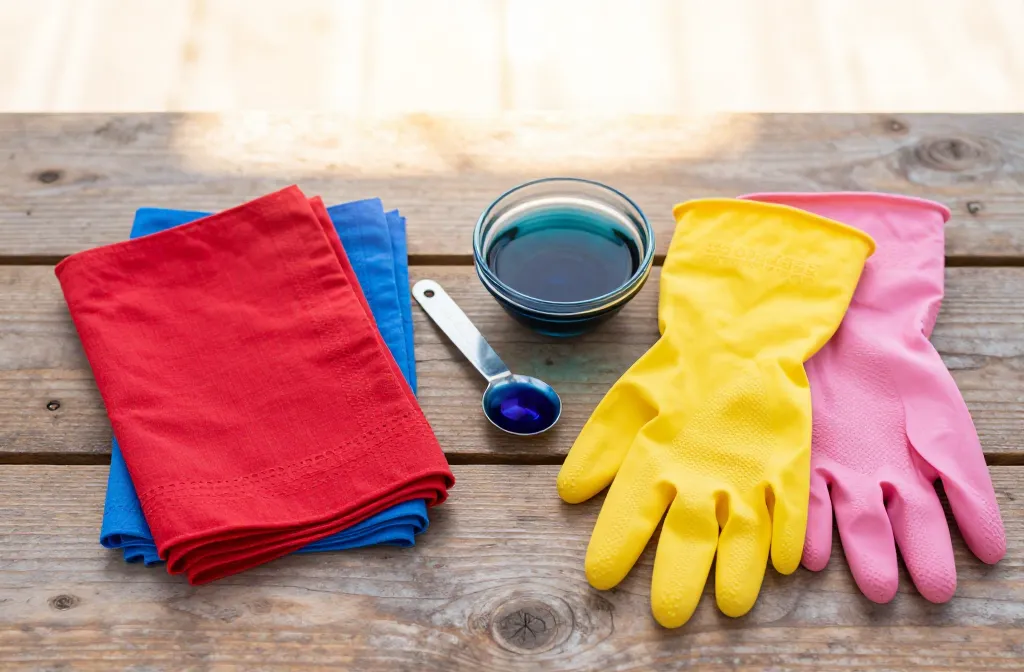
I learned the hard way after a sunny July picnic turned my cheerful red napkins into dull pink rags by September. The wash cycle didn’t help, and neither did “gentle detergent.” What fixed it was treating the fabric like a small dye studio at my kitchen sink and choosing true colorfast materials. In this guide, I’ll show you exactly how to pick, set, and maintain colorfast dyes so your picnic napkins stay bright through sun, spills, and dozens of washes.
What “Colorfast” Really Means and Why Some Dyes Fail
Colorfast means the color stays put through washing, rubbing, and sunlight. Many bargain napkins are dyed with general-purpose dyes that wash out or bleed at the first hot cycle.
True colorfastness comes from the right dye bonding to the right fiber. Cotton and linen hold color best with fiber-reactive dyes, while polyester needs disperse dyes. If the dye and fiber don’t match, fading and bleeding happen fast.
Action today: Check your napkin fabric tag. If it says 100% cotton or linen, plan on fiber-reactive dye. If it says polyester or a high polyester blend, plan on disperse dye or buy pre-dyed “colorfast” napkins instead.
Choose Fabrics and Dyes That Actually Stay Bright
Start by picking napkins labeled 100% cotton or 100% linen. Avoid “cotton-rich” blends that bury polyester in the weave — the polyester won’t take cotton-friendly dyes, causing uneven color and fast fade.
At a garden centre or hardware-adjacent craft aisle, look for fiber-reactive dye kits labeled for cotton and linen. Popular options often mention “cold water” setting, “soda ash,” or “reactive” on the box. For polyester napkins, look for disperse dye packets that require a near-boil on the stove.
Action today: Buy one pack of fiber-reactive dye in your target color, plus the matching fixative (often soda ash) and a pair of rubber gloves.
Pre-Wash Correctly: The Step Most People Skip
Factory napkins often carry sizing, oils, or softeners that block dye from bonding. If you skip the pre-wash, you lock in blotchy color and shorten the napkin’s life.
Pre-wash all napkins in the hottest water your machine allows with a strong dose of regular detergent. Skip fabric softener. Dry completely. If the fabric feels slick or heavily starched, wash once more with a tablespoon of dish soap added to the cycle to cut oils.
Action today: Run a hot pre-wash and dry cycle before you even open the dye packet. Clean fabric takes dye deeper and brighter.
Dye Cotton and Linen with Fiber-Reactive Dye: Kitchen-Sink Method
Fiber-reactive dye forms a permanent chemical bond with cotton and linen at room temperature using a simple additive. You don’t need special meters or gear.
Step-by-Step: Cotton/Linen Dyeing
- Fill a plastic tub or bucket with warm tap water (enough to cover napkins with room to stir). Wear gloves.
- Dissolve the dye in a cup of warm water. Stir until lump-free, then add to the tub.
- Wet napkins thoroughly under the tap and squeeze out excess water. Add to the dye bath and stir for 5 minutes to coat evenly.
- In a separate container, dissolve soda ash (follow the box—commonly 1 cup per gallon of dye bath). Slowly pour into the dye bath while stirring. This step locks the color to the fiber.
- Stir gently every 5 minutes for 45–60 minutes. Keep the napkins fully submerged and moving for even color.
- Rinse in cool water until it runs mostly clear. Then wash in hot water with a small amount of detergent. Dry.
Action today: Time yourself for the final 45–60 minutes of stirring. Consistent movement is the difference between streaky and solid, colorfast results.
For Polyester Napkins: When to Dye and When to Buy Pre-Dyed
Polyester doesn’t bond with fiber-reactive dyes. It needs disperse dye and high heat, usually a simmering pot on the stove for 30–45 minutes. This process is fussier, uses more energy, and demands a pot you won’t use for food again.
If you already own polyester napkins, follow the disperse dye instructions exactly: near-boiling water, constant stirring, and a long heat hold. If you’re starting from scratch, I buy pre-dyed polyester napkins labeled colorfast to washing and light and skip the home dye step entirely.
Action today: Check your kitchen gear. If you don’t have a spare non-food pot large enough to let napkins move freely, choose pre-dyed polyester or switch to cotton/linen and fiber-reactive dye.
Lock In Color After Dyeing: Fixatives, Rinses, and First Wash
Even with the right dye, you need a smart first wash. Residual, unbonded dye sits on the surface and becomes the culprit for early fade and bleed.
After rinsing, run a hot machine wash with a dye-safe detergent. Add a commercial dye fixative for cotton/linen if your kit recommends it. For polyester dyed with disperse dye, skip fixatives and instead extend the simmer time to complete bonding, then wash hot once.
Action today: Do the first wash alone—no mixed laundry. Catching loose dye on that first run prevents permanent stains on towels and tees later.
Sun, Stains, and Washing: Everyday Habits That Prevent Fading
UV breaks down many dye molecules. Long afternoons on a sun-baked patio fade fabric faster than the washing machine.
Dry napkins indoors or in shade. For greasy picnic stains, pretreat with a small amount of dish soap and warm water, then launder warm—not boiling—and skip bleach. Oxygen cleaners are safer than chlorine for color.
Action today: After your next picnic, rinse stains the same day with cool water, add a dab of dish soap, and wash within 24 hours to prevent set-in discoloration.
Test for Bleed Before You Trust Your Napkins Outdoors
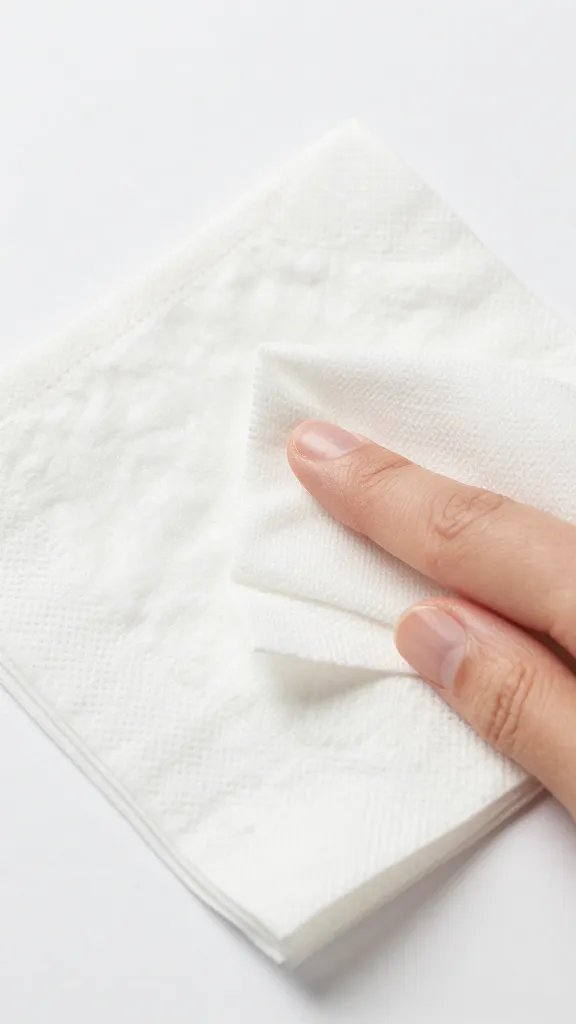
Before a big picnic, test one napkin. Soak it in warm water for 10 minutes, then press it between two layers of white paper towel.
If you see color transfer, repeat a hot wash with detergent. Persistent transfer means the dye wasn’t fully fixed—run a short soda-ash soak for cotton/linen (follow your dye kit ratio for 15 minutes), rinse, and wash again.
Action today: Do a 10-minute warm-water bleed test on a single napkin. Fix problems now, not after they stain your tablecloth.
Frequently Asked Questions
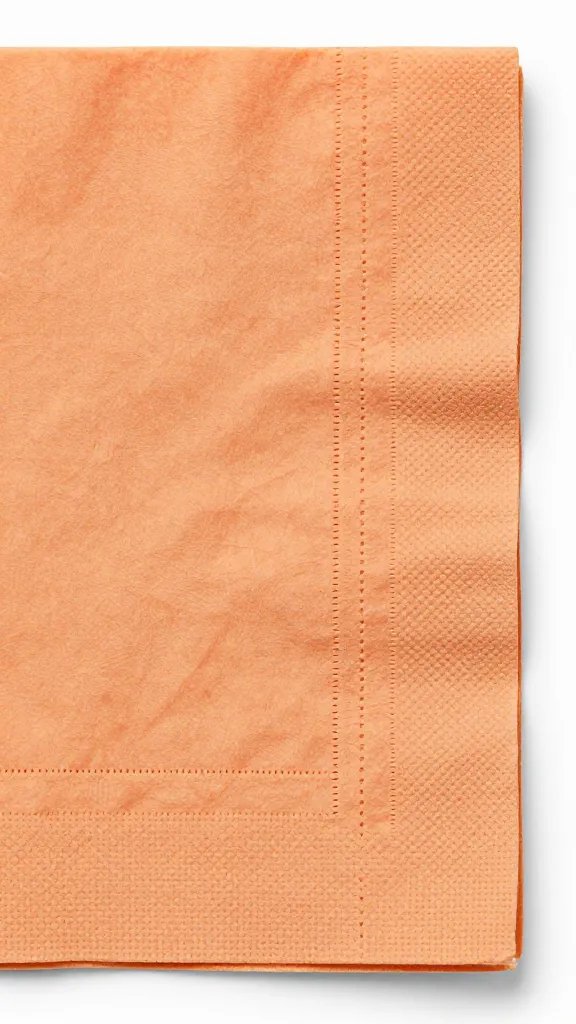
Can I make store-bought napkins more colorfast without redyeing?
If the napkins already fade, you can reduce future bleed but not reverse fading. Wash them hot once to remove excess dye, then add a dye fixative made for cotton/linen in a follow-up soak. Dry in shade. Going forward, wash with cool-to-warm water and avoid chlorine bleach.
How do I keep red napkins from bleeding onto a white tablecloth?
Run a dedicated hot wash with detergent before the first use. Do a paper towel bleed test after soaking in warm water for 10 minutes. If color transfers, repeat a soda-ash soak (for cotton/linen) and rewash. On picnic day, keep red napkins off damp white fabrics until you’ve confirmed no bleed.
Are “natural dyes” colorfast enough for picnic use?
Most kitchen-dye methods (beet, turmeric, blueberry) fade fast in sun and wash out without proper mordants. Even with mordants, home processes vary and often deliver lower wash fastness than fiber-reactive dyes on cotton. For napkins that live outdoors and in the wash, choose fiber-reactive dyes for reliable results.
What’s the simplest route if I don’t want to dye at home?
Buy napkins labeled “100% cotton” or “polyester” with tags stating “colorfast to washing and light.” Choose darker or mid-tone colors from reputable brands. Still pre-wash hot once and dry in shade to extend life. This route saves time and gives near-instant durability.
Why did my color look perfect wet but lighter after drying?
Wet fabric always looks darker. Expect a 1–2 shades lighter result once dry. If you want a deeper final color, increase the dye concentration per the kit’s upper range and extend the dye time by 15 minutes while maintaining regular stirring.
Conclusion
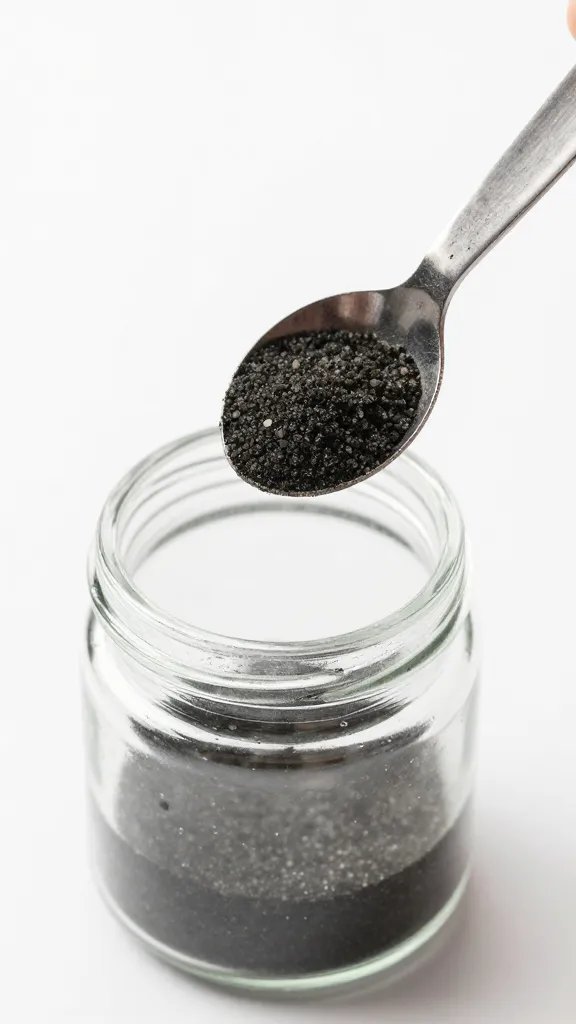
You don’t need a studio or lab gear to keep picnic napkins bright—you need the right match of dye to fabric, a hot pre-wash, and a disciplined first rinse and wash. If you’re ready to act, start with one test napkin this week: pre-wash, dye with a fiber-reactive kit, lock it in, and do the bleed test. Once you see that color hold through two washes and a sunny lunch, scale up with confidence for the full set.
Leave a Reply