Why Stone-Washed Linen Is the Gold Standard for Rustic Picnics Now
· Yogi
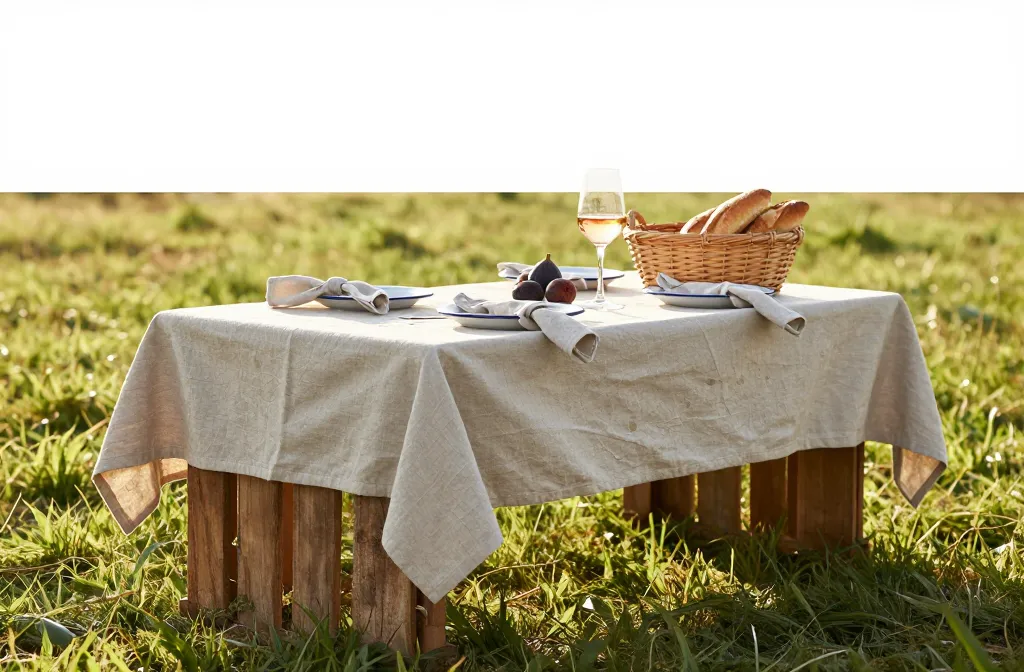
I learned the hard way that a picnic can feel fussy fast: paper napkins skitter off in a breeze, cotton blankets soak up damp ground, and stains linger for weeks. After switching to stone-washed linen, I stopped fighting the setup and started enjoying the food and company. In this guide, I’ll show you exactly why stone-washed linen outperforms other fabrics outdoors and how to build a simple, reliable picnic kit with pieces you can find at a garden centre or home store. You’ll leave with a checklist you can use this weekend.
What Stone-Washed Linen Actually Is — And Why It Feels Right Outdoors
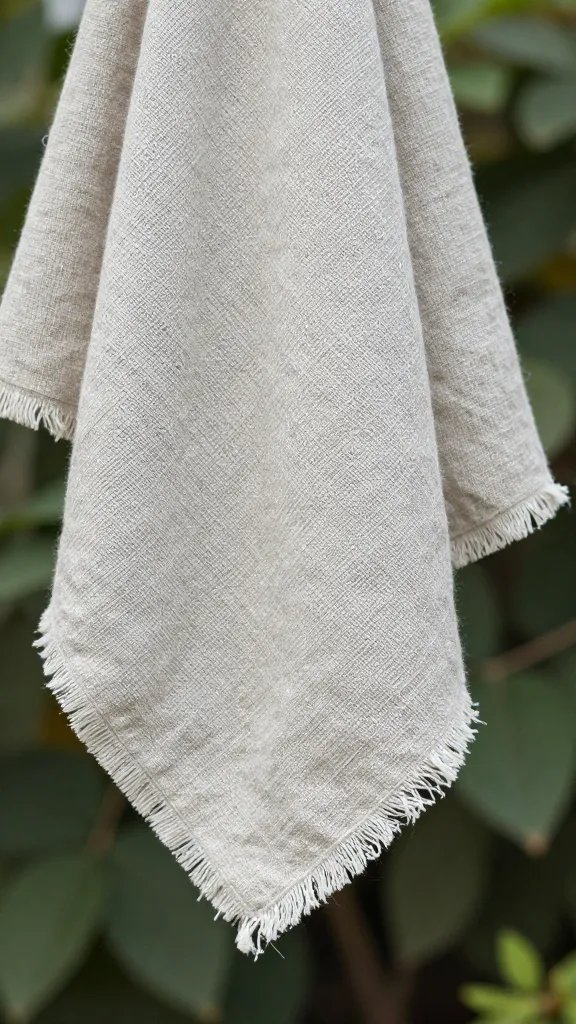
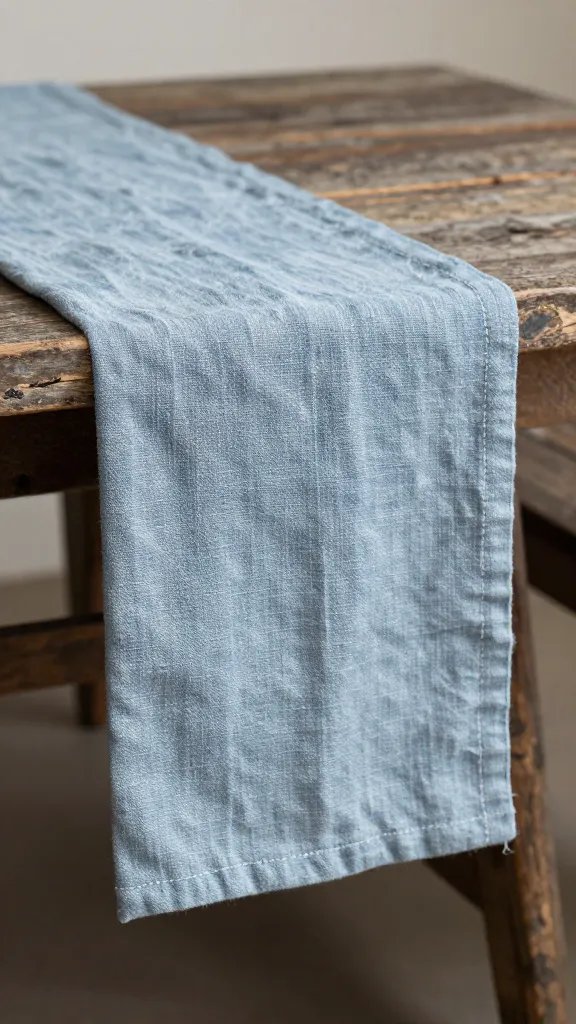
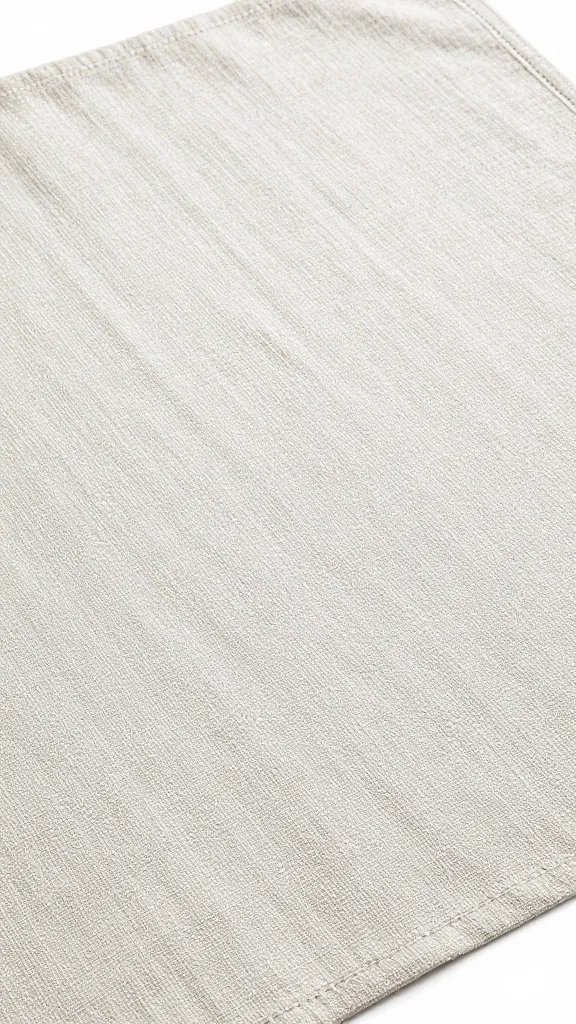
Stone-washed linen is natural flax linen that’s mechanically tumbled with abrasive media to pre-soften the fibers. This process relaxes the weave so it drapes easily, packs small, and feels broken-in from day one.
Unlike cotton, linen fibers are long, smooth, and hollow. They breathe in heat, insulate in a breeze, and dry fast if dew or spills happen. The matte texture looks organic against wood crates, enamelware, and baskets — the foundation of a rustic setup.
Action today: Visit a home store and handle a stone-washed linen napkin; pinch and rub it between your fingers. If it feels soft, slightly textured, and not shiny, you’ve found the right fabric.
Spill Resistance and Stain Honesty: Why Linen Wins the Mess Test
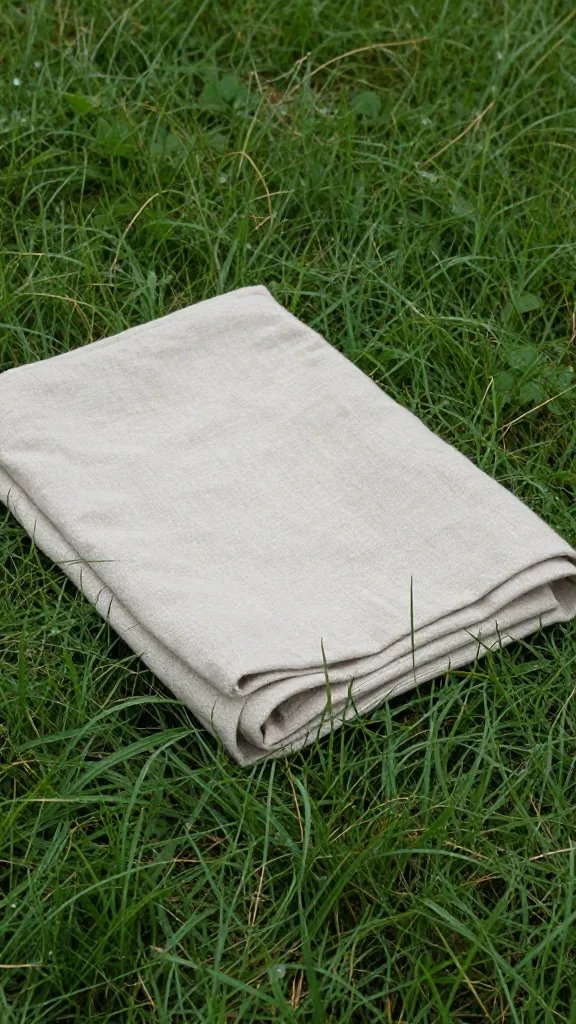
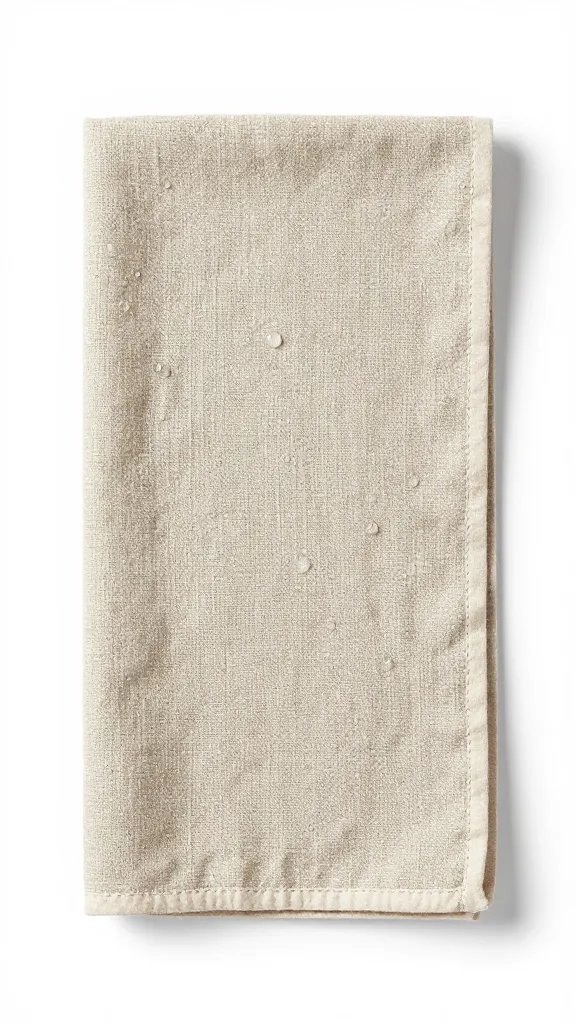
Linen doesn’t pretend spills didn’t happen — it releases them. The fiber’s low surface fuzz gives sauces and oils less to cling to, and pre-washing from stone-washing opens the weave so soap and water reach stains easily.
Cotton often “grabs” pigments and holds them. Polyester repels water but sets oil. Stone-washed linen cleans up with cool water, a dab of clear dish soap, and a rinse in the sink or a campsite tap.
Step-by-Step: Field Cleanup for Food Spills
- Blot with a dry corner — don’t rub.
- Rinse the spot with cool water from your bottle.
- Add one drop of clear dish soap, press fabric against itself, and massage for 20 seconds.
- Rinse again and wring gently. Lay over a bush, chair back, or basket to air-dry for 15–30 minutes.
Takeaway: Pack a travel-size clear dish soap and a spare linen napkin as a blotter — you’ll rescue almost any spill on the spot.
Comfort Without Bulk: Temperature, Texture, and Seating That Works
Picnics fail when guests fidget. Stone-washed linen fixes three comfort issues: heat, damp, and scratchy surfaces. The fabric breathes so you don’t stick to it, and it doesn’t trap body heat the way fleece does in sun.
On slightly damp grass, a linen tablecloth layered over a waterproof barrier keeps you dry. I use a folded painter’s drop cloth (the kind with a plastic backing) under the linen — it’s cheap, light, and available at any hardware store.
Layering Recipe for Ground Seating
- Base: 6×9 ft canvas-backed plastic drop cloth.
- Top: 100% stone-washed linen tablecloth, 60×90 in.
- Corners: Four smooth rocks or tent stakes through sewn loops to stop lift in wind.
Action today: Add a canvas-backed drop cloth to your picnic bin so your linen can handle wet grass without worry.
Durability You Can Trust: Why Stone-Washed Linen Outlasts Cotton
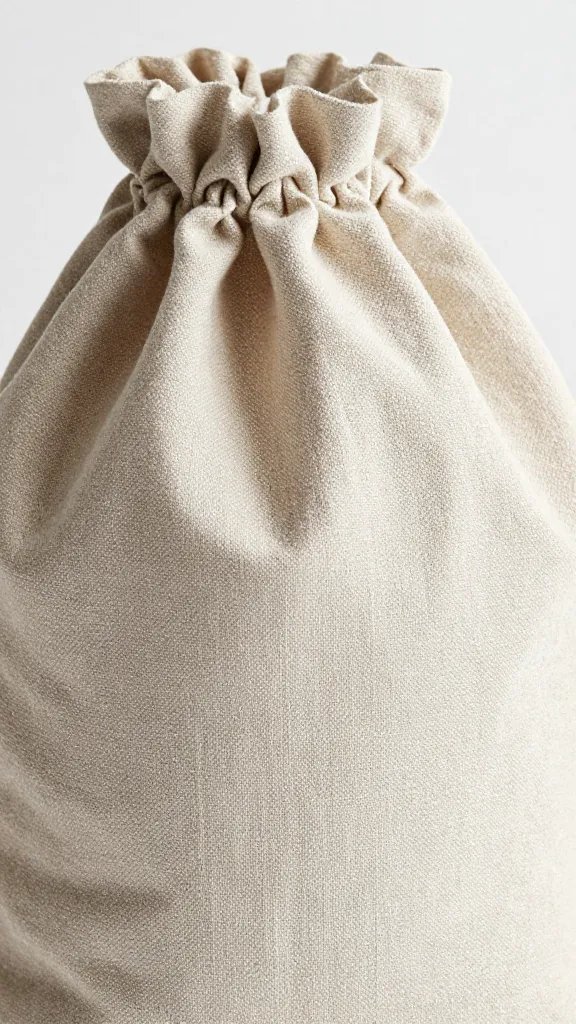
Linen fibers are up to 30% stronger when wet, so the fabric survives heavy washing, wringing, and line-drying. Stone-washing removes excess lint and weak fibers early, which means fewer surprises later.
I wash linen on cold with a short cycle, skip fabric softener, and line-dry or tumble low heat. The cloths come out soft, not limp, and they get better after the first 3–4 washes.
Warning Signs Your Linen Is Low Quality
- Shiny, slick surface — often means polyester blend.
- Thin, papery hand that turns see-through when stretched — underweight fabric.
- Loose seams or uneven hems — poor stitching that will distort after washing.
Takeaway: Choose pieces labeled 100% linen with finished hems; avoid blends if you want true breathability and strength.
Simple, Rustic Style Without Fuss: Colors, Sizes, and Pairings
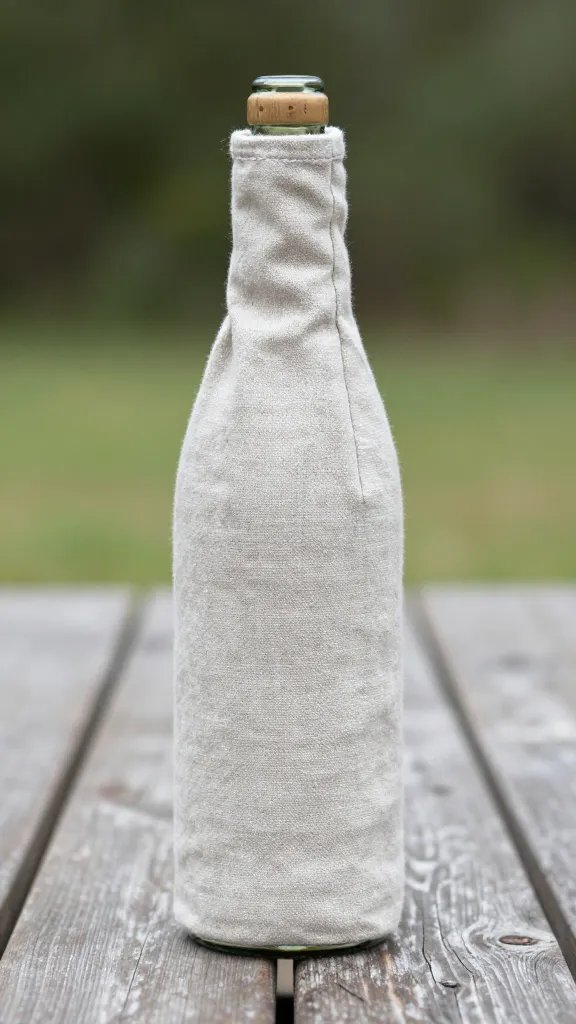
Stone-washed linen comes in earthy, muted tones that hide grass stains, crumbs, and dust. I reach for oat, clay, olive, charcoal, or undyed natural — they read “rustic” without looking staged.
Pick a tablecloth large enough to drape 8–12 inches on each side of your crate table or picnic blanket. Mix with wood boards, enamel plates, glass jars, and a wicker basket. The texture mix does the styling for you.
Material Recommendations You Can Find Locally
- Tablecloth: 60×90 in 100% stone-washed linen in natural or oatmeal.
- Napkins: Set of 6–8, 18–20 in square, double-stitched hems.
- Runner: 16–18 in wide for crate tops or folding tables.
Action today: Choose one neutral linen tablecloth and one accent set of napkins; mix them with whatever plates you already own.
Fewer Items, Smarter Kit: Packability and Multi-Use Pieces
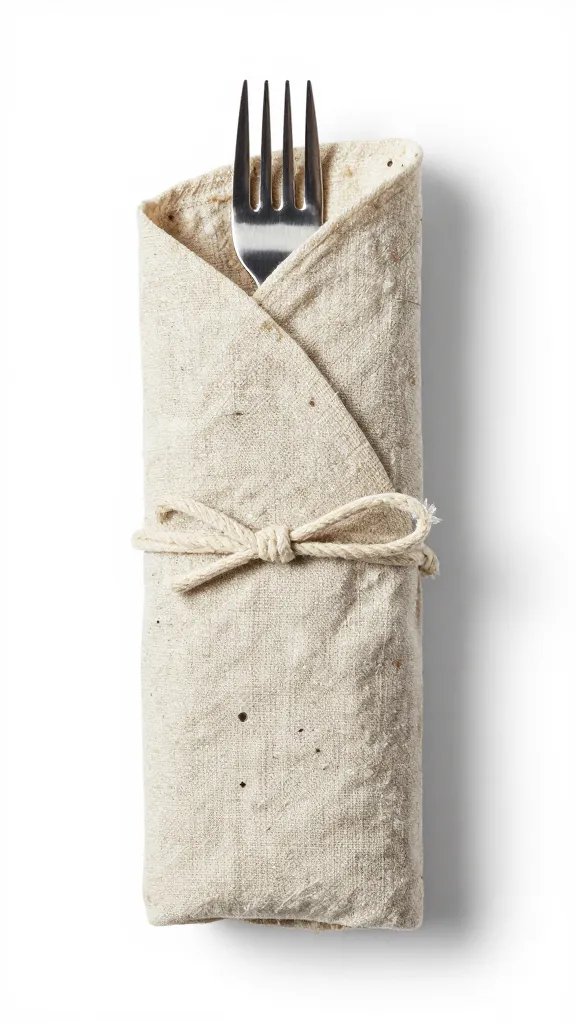
Good picnic gear earns its place by doing double duty. Stone-washed linen packs small, weighs little, and works as tablecloth, shade wrap, wine-bottle sling, or produce bag in a pinch.
I roll textiles instead of folding to avoid hard creases. A linen tablecloth stores inside its own napkin along with utensils — everything stays together and goes straight into the wash after.
Quick-Packing Checklist
- 1 stone-washed linen tablecloth (rolled)
- 6–8 linen napkins (one rolled around cutlery)
- 1 canvas-backed drop cloth (folded flat)
- Travel dish soap + small sponge in a zip bag
- 4 smooth rocks or light tent stakes
Takeaway: Pre-pack your linen as a grab-and-go bundle so you can leave in five minutes.
Care That Keeps Linen Beautiful: Washing, Drying, and Storing
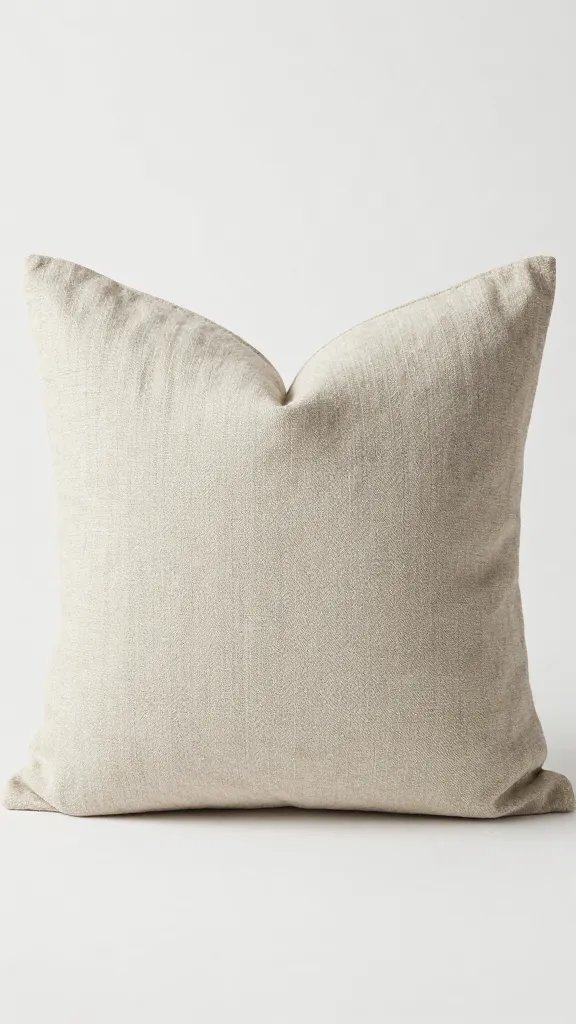
Rinse stains the same day. At home, wash cold with a mild detergent, skip bleach and softener, and tumble low or line-dry. Steam or iron if you like crisp edges, but for rustic picnics, the natural rumple looks right.
Never store linen damp — it invites mildew. If a surprise shower hits, drape pieces over chairs or a shower rod overnight and wash the next day.
Step-by-Step: Post-Picnic Reset
- Shake crumbs out outdoors.
- Spot-rinse visible stains in cool water.
- Machine wash cold, gentle cycle.
- Line-dry until just damp; smooth with your hands and finish drying flat or on low heat.
- Roll and store in a breathable cotton bag or basket.
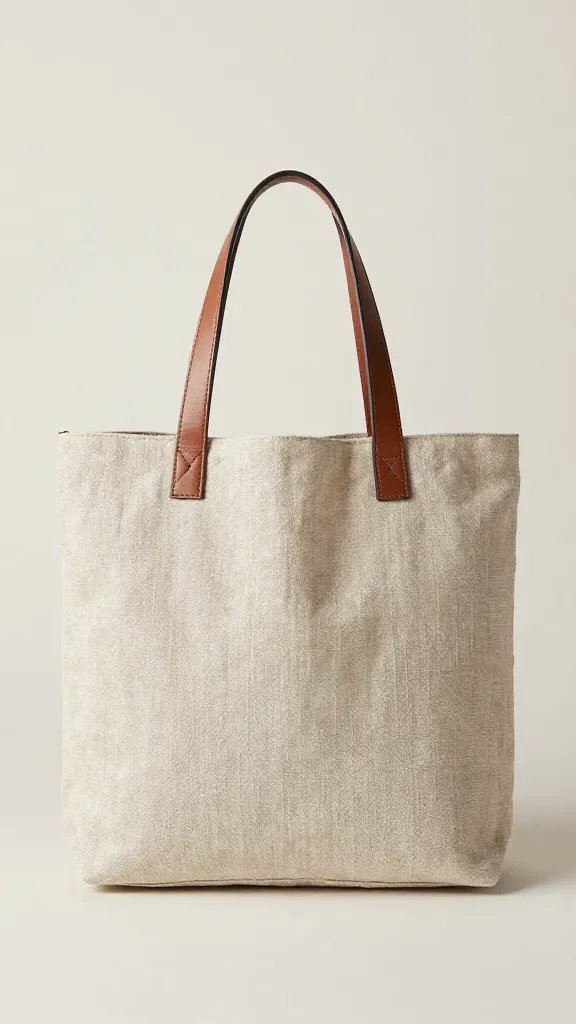
Action today: Place a cotton tote in your entry closet labeled “Picnic Linen” so clean pieces always live together and stay breathable.
Frequently Asked Questions
Is stone-washed linen different from pre-washed linen?
Both arrive softened, but stone-washing uses abrasion to relax fibers more deeply. That means a softer hand and less shrinkage on your first home wash. If the label says 100% linen and “stone-washed,” you’ll feel the difference immediately. Pre-washed linen still works; expect it to break in over the first 3–4 washes.
What size linen tablecloth works for a picnic blanket?
A 60×90 inch tablecloth seats 2–4 comfortably on the ground. For a family, size up to a 70×108 inch piece. If you’re covering a folding table, aim for 8–12 inches of overhang on all sides for a tidy, rustic drape that won’t flap excessively.
How do I handle red wine or berry stains on linen?
Blot immediately, then flush with cool water — never hot. Apply a drop of clear dish soap and massage the fabric against itself, then rinse. At home, pre-soak in cool water with a spoon of baking soda for 30 minutes before washing cold. Sun-dry if possible; sunlight helps lift remaining pigment.
Will linen feel scratchy compared to cotton?
Stone-washed linen feels soft from day one. The “crisp” reputation comes from untreated linen; the stone-wash process removes that. If a napkin still feels rough in-store, it will soften after two cold washes and a line dry. Look for finished hems and a medium-weight weave for the best hand.
Can I use linen on damp grass without ruining it?
Yes — use a canvas-backed drop cloth under it. The barrier keeps moisture away while the linen stays breathable and comfortable. Afterward, hang both pieces to dry the same day, then wash the linen cold. This routine prevents mildew and keeps the fabric fresh.
Conclusion
Stone-washed linen earns its place in a rustic picnic because it solves real problems: mess, comfort, durability, and style — without extra gear. Pick one neutral tablecloth, a stack of napkins, and a simple moisture barrier, and you’re ready for any park or backyard. Today, assemble your grab-and-go linen bundle; next time you head out, you’ll spend your energy on food and friends, not on fighting your setup.
Leave a Reply