The Secret to How to Clean and Restore Vintage Picnic Linens Without Using Harsh Chemicals
· Samantha Jones
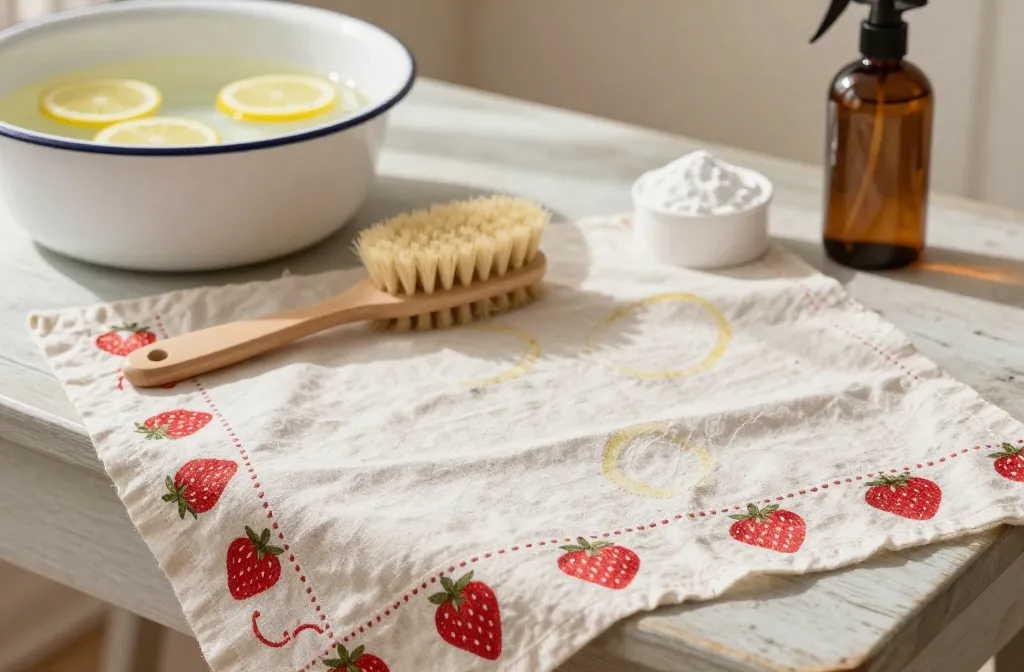
I rescue old picnic linens at yard sales and thrift stores, the ones with strawberry borders and lemonade rings baked in from summers past. The first time, I nearly ruined a set by blasting it with bleach and hot water. I learned the hard way that vintage fibers need patient, low-intensity care to look bright again. In this guide, I’ll show you exactly how to clean, de-stain, and revive old cotton and linen without harsh chemicals — and how to keep them party-ready for decades.
Identify the Fabric and Finish Before You Touch Water
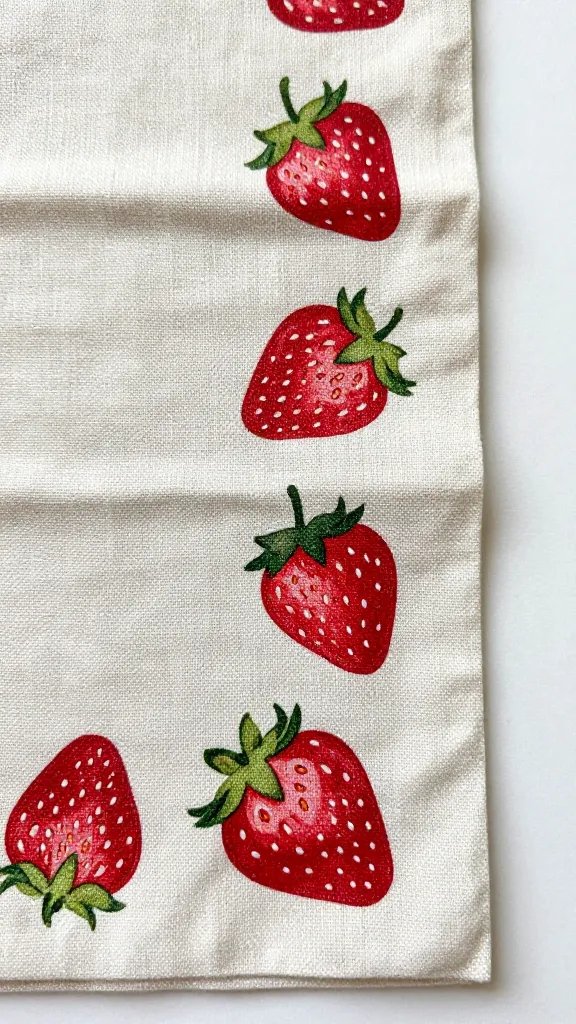
Vintage picnic linens are usually cotton or true linen. Some carry starch, sizing, or delicate hemstitching that reacts to heat and scrubbing. I check fiber content first because it dictates water temperature, soak time, and how aggressive I can be with stain removal.
Do a quick at-home test. Snip a loose thread from a seam: cotton feels soft and twists easily; linen feels firmer with tiny slubs. Hold the fabric to a window — if you see even, fine threads, likely cotton; if the threads vary and look “woody,” it’s linen. Note any embroidery, lace, or printed motifs that could bleed.
Action today: Take one minute to examine the weave and any colored trims. Plan to treat color-printed areas more gently and keep them out of long soaks at first.
Dry Prep: Shake, Vacuum, and Pre-Brush to Avoid Muddy Washes
Dust and crumb buildup turns a gentle soak into dirty soup that re-deposits on fabric. I always remove loose debris before any moisture hits the fibers.
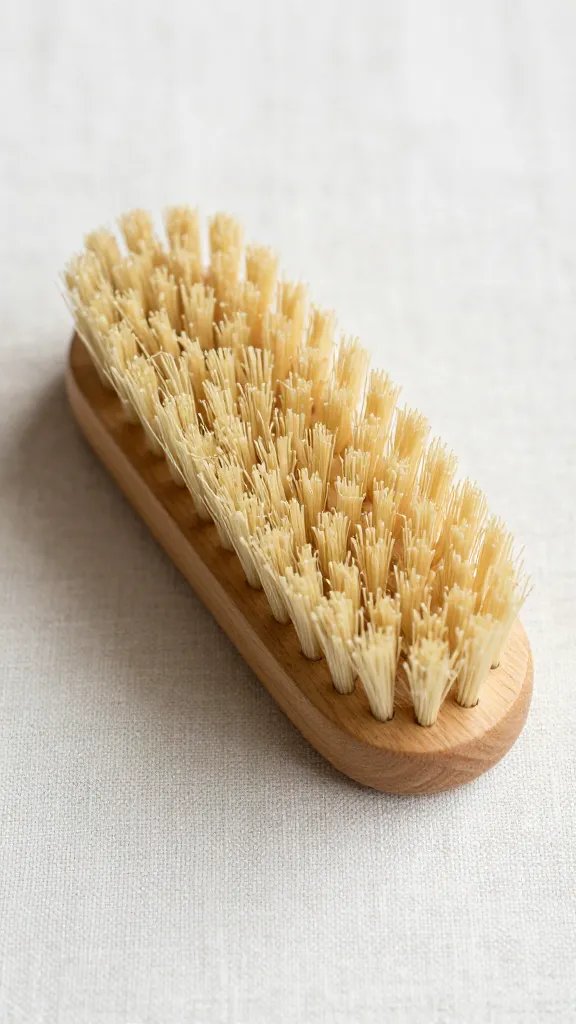
Lay the linen flat on a clean towel. Use a soft clothes brush or a clean, dry dish brush to sweep both sides with light strokes. For stubborn dust in lace or hems, hold a hand-vac a few inches above and lift particles without dragging.
Action today: Spend three minutes brushing both sides and along hems — it cuts your actual washing time in half.
Cold Soak Foundation: Lift Old Body Oils and Surface Stains Gently
I start with a long cold soak using mild, plant-based detergent because oils and oxidized grime release slowly. Hot water locks many old stains and can shrink vintage hems.
Step-by-Step Cold Soak
- Fill a clean basin or bathtub with cold tap water. Add 1 teaspoon mild liquid laundry detergent per gallon of water. I use a clear, fragrance-free option labeled for delicates.
- Submerge the linens fully. Swish gently for 30 seconds to wet through. Do not twist.
- Soak 2–4 hours. For heavy grime, I extend to overnight, changing the water if it turns gray or cloudy.
- Lift the linens and press water out against the side of the tub with flat palms — no wringing.
Action today: Mix a cold soak right now (1 teaspoon mild detergent per gallon) and set a timer for two hours to reassess water clarity.
Targeted Stain Work: Food, Wine, Rust, and Mildew Without Bleach
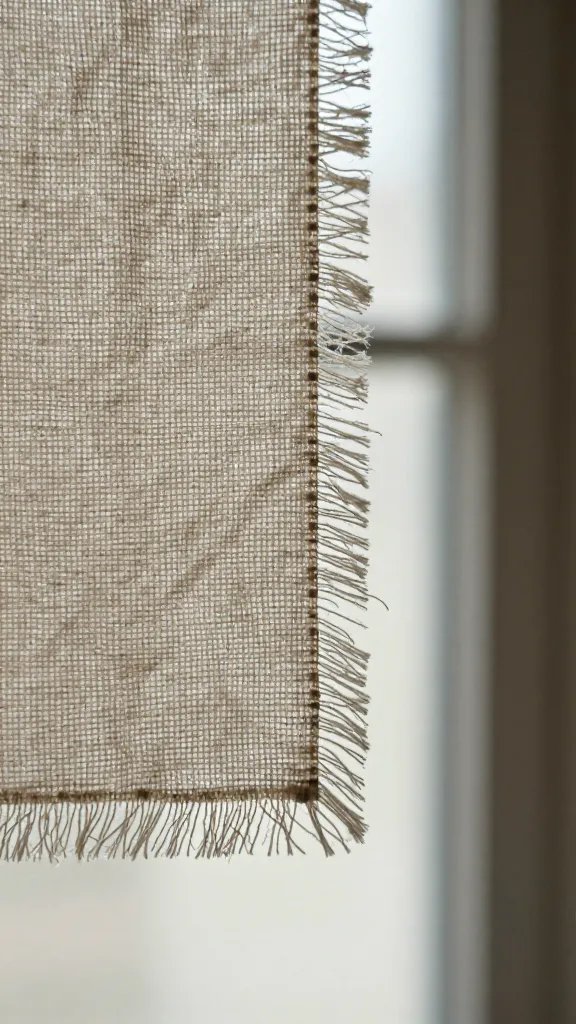
Once the base grime lifts, I treat visible stains one by one. I avoid chlorine bleach and harsh solvents because they weaken old fibers and yellow linen over time.
Choose the Right Gentle Treatment
- Food/grease rings: Dab with a drop of mild dish soap directly on the stain. Massage lightly between fingers or with a soft toothbrush in tiny circles for 30 seconds. Rinse in cool water.
- Tea/coffee/wine tannins: Make a paste of oxygen-based powder (sodium percarbonate, sold as “oxygen bleach,” color-safe) and cool water to yogurt thickness. Apply to the stain and rest 15–30 minutes. Rinse thoroughly. Reapply if needed.
- Protein (blood/egg): Use only cold water. Work in a pea-sized amount of unscented bar soap. Rinse well before any warm water touches it.
- Rust specks from old pins/snaps: Place a slice of lemon on the spot and sprinkle baking soda. The fizz helps lift light rust. Rinse after 5–10 minutes and repeat. For darker rust, use a small amount of a non-bleach rust remover labeled safe for fabrics, applied with a cotton swab only to the spot, then rinse immediately.
- Mildew shadows: Sunlight is your friend. After washing, lay the damp linen in bright indirect sun for 30–60 minutes. For persistent shadowing, dab 3% hydrogen peroxide on the spot, rest 5 minutes, then rinse. Test first in a seam.
- Color bleed risk on prints/embroidery: Keep treatments short and localized. Blot from the back onto a white cloth so dye doesn’t spread.
Warning: Never mix vinegar and hydrogen peroxide on fabric — it forms peracetic acid, which is too harsh and unsafe at home.
Action today: Pick the worst single stain and treat it for exactly 10 minutes with the matching method, then rinse and reassess before moving on.
Whitening the Safe Way: Oxygen Soak and Sun, Not Chlorine
Yellowing often needs more than soap. I use oxygen-based powder in lukewarm water to brighten without chewing fibers. Sun finishes the work by naturally bleaching organic residues.
Gentle Whitening Protocol
- Fill a basin with lukewarm water that feels neither cool nor warm on your wrist. Dissolve oxygen-based powder at the label’s lowest dose (usually 1–2 tablespoons per gallon).
- Submerge for 30–60 minutes, swishing every 10 minutes. Watch for dye stability on prints; pull those after 20 minutes to check.
- Rinse in cool water until no slickness remains.
- Lay flat on a clean towel outdoors in bright shade or soft morning sun for 30–90 minutes. Rotate once to even the exposure.
Action today: Prepare a small test soak with a corner or napkin first. If the test brightens without color lift, proceed with the full piece.
Rinse, Dry, and Press to Set Shape Without Stressing Fibers
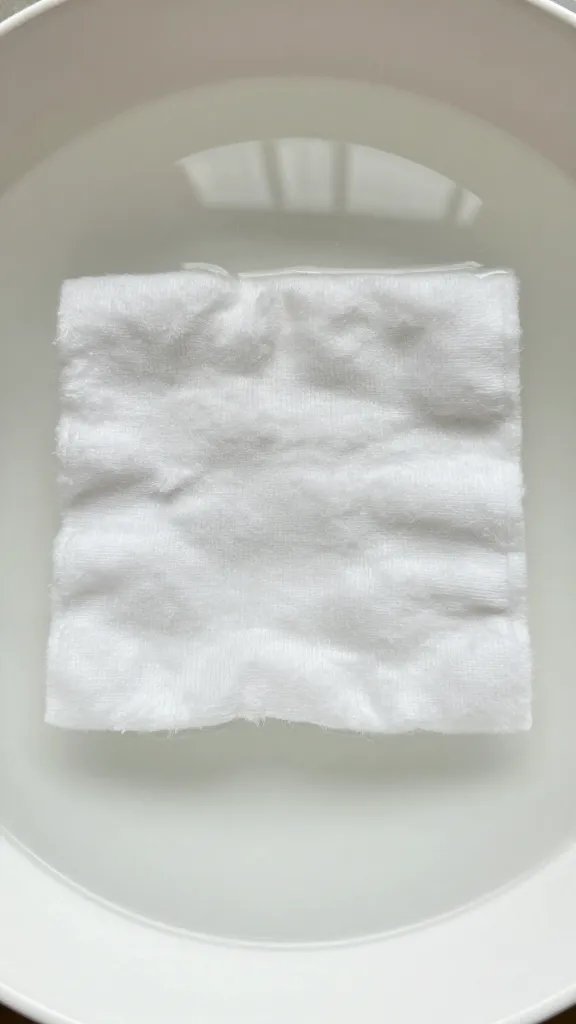
Good rinsing prevents re-yellowing. Drying flat avoids stretch on lace and hems. I press while slightly damp to recover crisp lines without starch buildup.
Finish Well
- Rinse: Two to three cool-water rinses until the water runs clear and the fabric feels squeaky-clean.
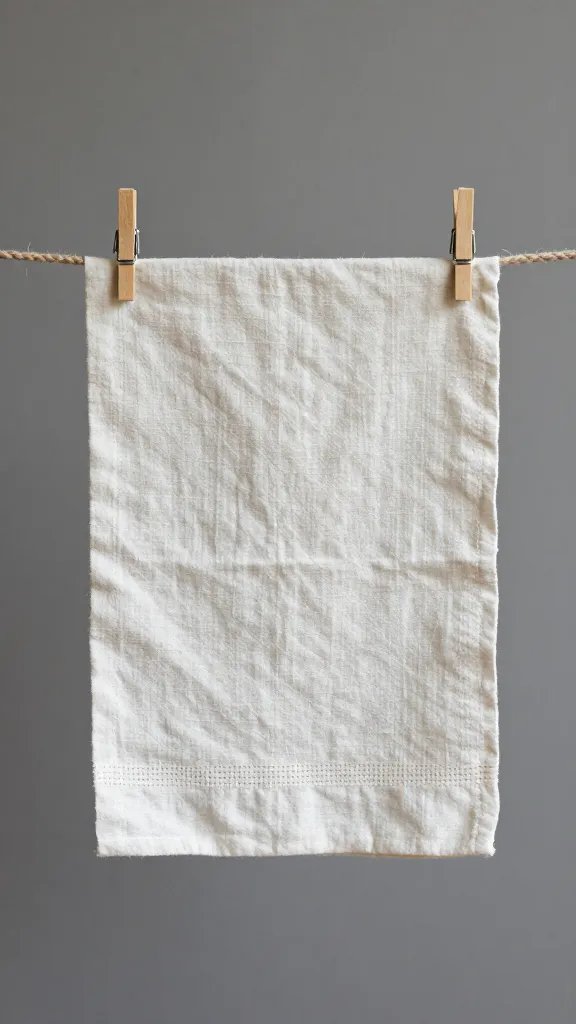
- Dry: Lay flat on a clean towel. Roll the towel with the linen inside to press out water. Unroll and air-dry flat or drape over a drying rack with full support — no sharp pegs.
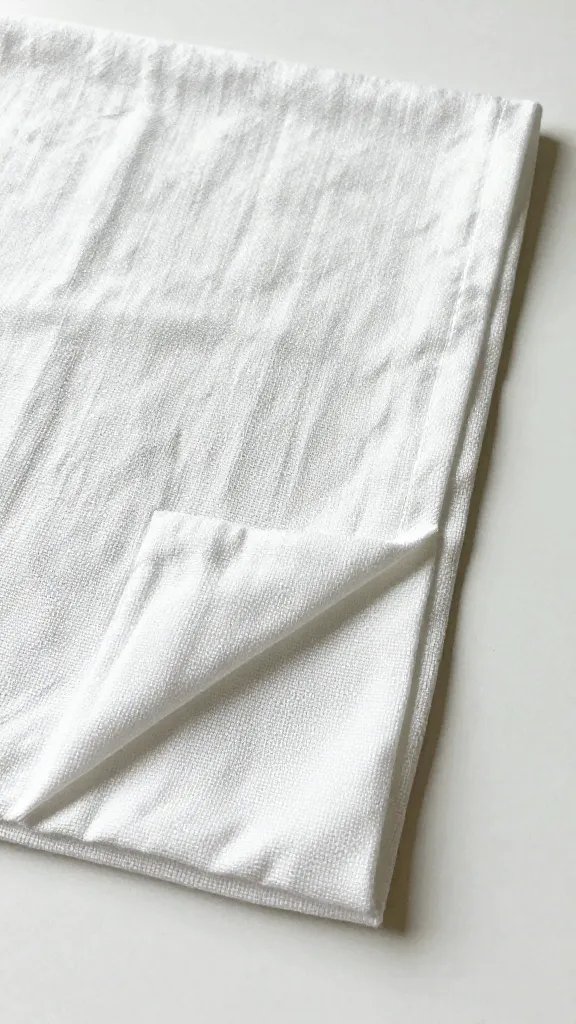
- Press: Iron on the cotton/linen setting while still slightly damp, using a clean pressing cloth (a plain white pillowcase works). For embroidery, press from the back on a towel to protect stitches.
- Optional natural starch: Lightly mist with a 1:8 mixture of cornstarch to water in a spray bottle. Shake well, test on a corner, then iron for a crisp picnic finish.
Action today: Set your ironing board now and press one napkin while it’s 80–90% dry — you’ll see the original shape return immediately.
Protect and Store: Keep Linens Bright Between Outings
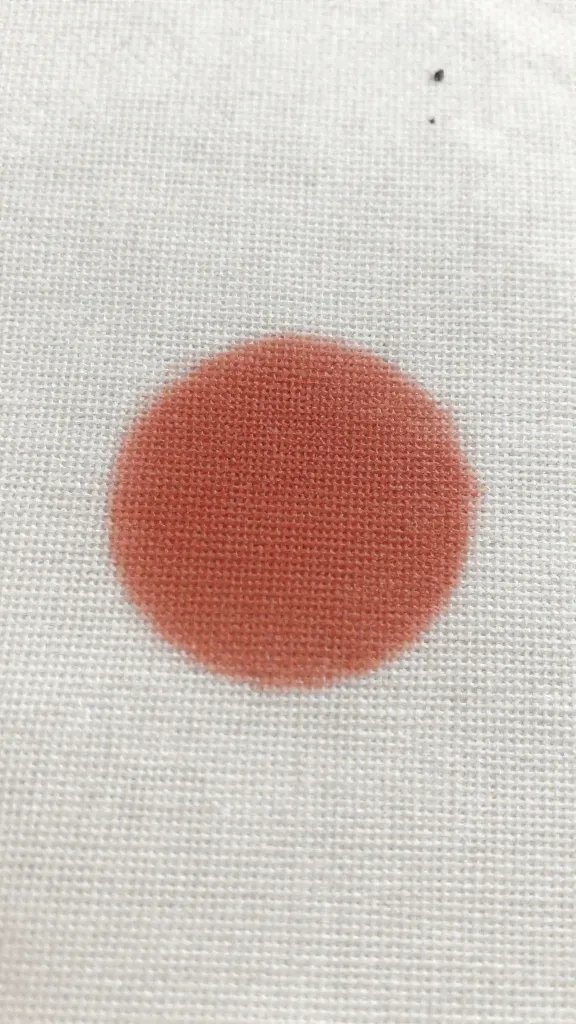
Clean linens can yellow in storage if they sit with residual soap, moisture, or contact with acidic paper. I store them where air circulates and light stays low.
- Wrap in un-dyed cotton pillowcases or clean cotton sheets — no plastic bins for long-term storage.
- Tuck in a sachet of baking soda in breathable muslin to absorb odors, not in direct contact with fabric.
- Refold every 3–4 months to prevent permanent crease lines.
- Before a picnic, quick-refresh: 10-minute cold soak with a teaspoon of detergent, rinse, air-dry, and press.
Action today: Move cleaned linens into a cotton pillowcase and place them on a closet shelf away from heaters and sunlight.
Frequently Asked Questions
How do I treat a fresh red wine spill at the picnic without chemicals?
Blot with a clean, dry napkin immediately — press, don’t rub. Rinse the back of the stain with cool water from a bottle to flush wine outward, not deeper in. Sprinkle plain table salt to keep the area damp and lift some pigment. At home, use an oxygen-based paste for 15–30 minutes, then rinse and launder as above.
Are oxygen-based bleaches safe for colored embroidery threads?
Most colorfast threads tolerate short oxygen soaks, but old dyes vary. Test by dabbing a cotton swab dipped in the solution on an inconspicuous stitch for 2 minutes; blot with white cloth. If color transfers, skip the soak and treat only the background fabric around the embroidery, keeping the threads dry.
My linen smells musty even after washing. What now?
Mix a basin with cool water and 1 cup plain white vinegar per gallon. Soak 30 minutes to neutralize odor-causing residues, then rinse twice in cool water. Dry in fresh air and brief indirect sun. If odor lingers, repeat once and ensure the storage space is dry and breathable.
Can I use the washing machine on delicate instead of handwashing?
Yes for sturdy cotton tablecloths with minimal trim; no for lace, drawn-thread work, or fragile hems. Use a mesh laundry bag, cold water, and the gentlest cycle, with half the usual detergent. Skip spin or choose the lowest spin to prevent stretching. Remove promptly and dry flat.
What if yellowing returns after a few months in storage?
Do a short cold soak with mild detergent, then a 20–30 minute oxygen soak in lukewarm water. Rinse well and finish with 30–60 minutes of indirect sun. Reevaluate your storage: switch from plastic to cotton covers and refold quarterly to prevent crease-setting.
Is hydrogen peroxide safe on all vintage whites?
3% hydrogen peroxide works for many white cottons and linens in short applications. Always spot test in a seam for 5 minutes and check for fiber roughness or color change. Use it as a dab-and-rinse tool, not a long soak. Avoid on silk trims or unknown fibers.
Conclusion
You don’t need harsh chemicals to erase decades of picnics — you need patience, cool water, and the right sequence. Start with a thorough cold soak today, then tackle stains one by one and finish with a gentle press. Once you see how well oxygen soaks and sunlight restore glow, you’ll reach for bleach less and your linens will last longer. Next step: choose one stained napkin and run the full cycle — prep, soak, spot-treat, sun, press — and bring it back to the picnic basket where it belongs.
Leave a Reply