The Science of the Perfect Picnic Napkin: Belgian Linen Vs. Organic Cotton Uncovered
· Samantha Jones
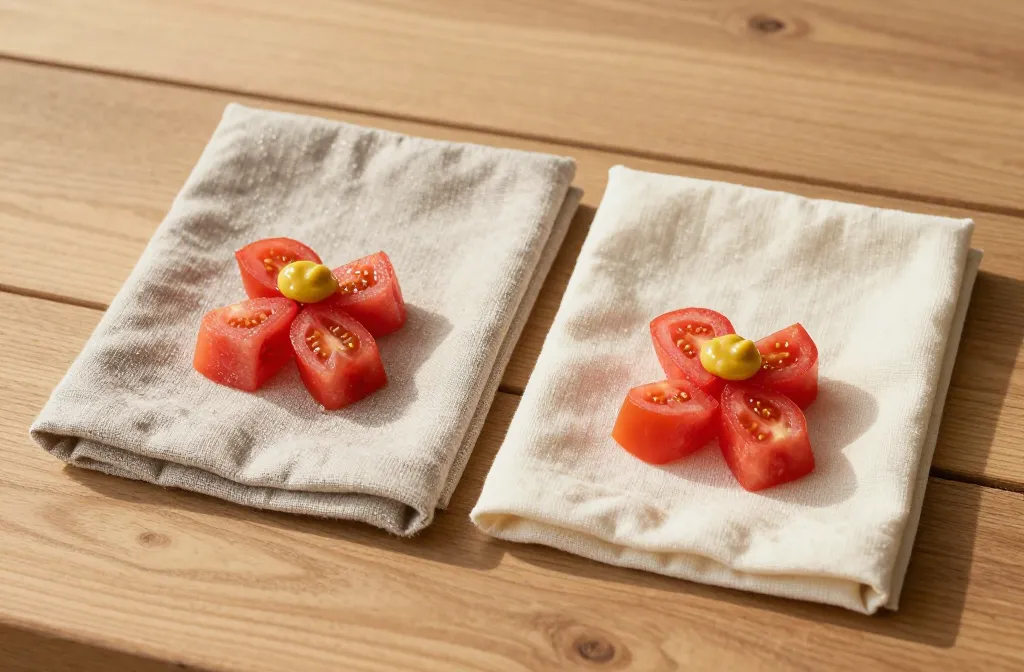
I started sewing picnic napkins after one too many paper towels disintegrated on a tomato sandwich. If you’ve wondered why some cloth napkins feel crisp, stay clean longer, and wash up better, you’ve already noticed the difference fabric choice makes. In this guide I compare Belgian linen and organic cotton using real-world tests: absorption with juicy fruit, stain release from condiments, and how they feel after a summer of washing. You’ll learn which fabric to buy, how many to keep, and how to care for them so they actually last.
What Makes a Napkin “Work”: Absorbency, Release, and Hand Feel
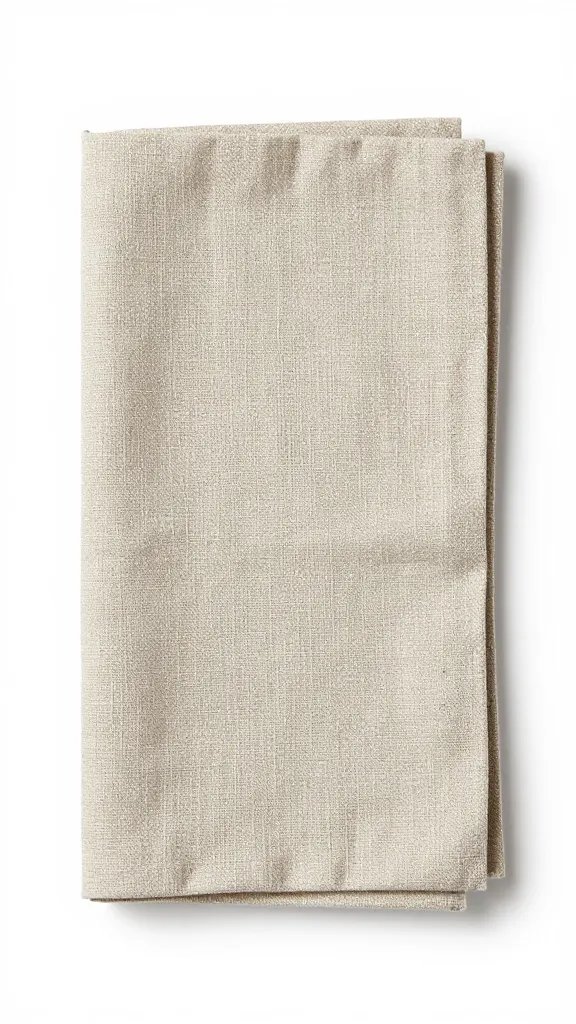
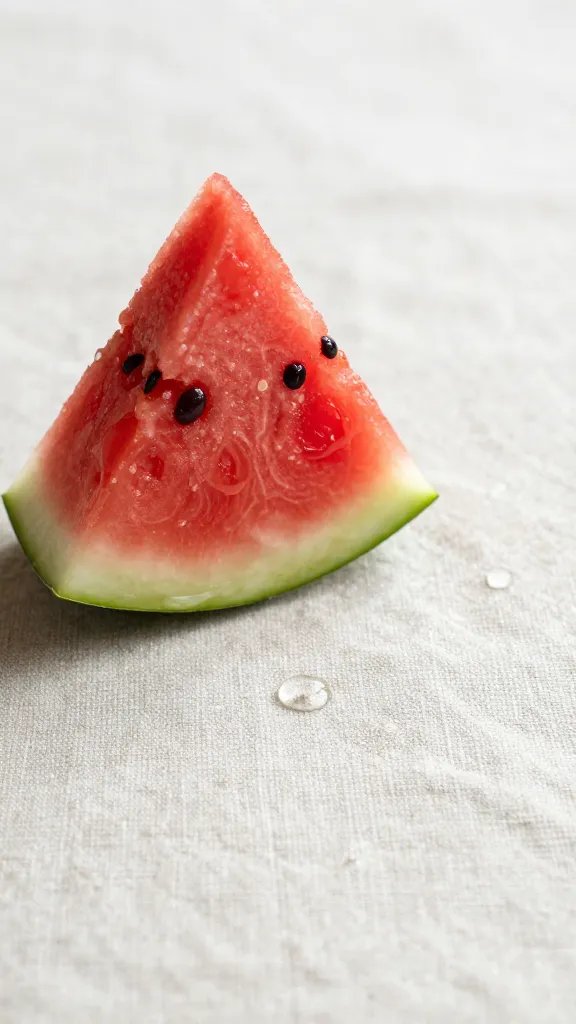
Performance comes down to three things: how fast the fabric wicks moisture, how easily stains rinse out, and how it feels on your skin. I test with watermelon juice for speed, mustard for stain chemistry, and repeated laundering for comfort.
Belgian linen wicks fast and spreads liquid over a wider area, so surfaces dry sooner. Organic cotton holds more total moisture per square inch, but it swells and clings to wet messes, which slows drying between passes.
Takeaway: For quick cleanups during a picnic, pick napkins that wick fast; that’s linen’s edge.
Fiber Science in Plain Language: Flax vs. Cotton
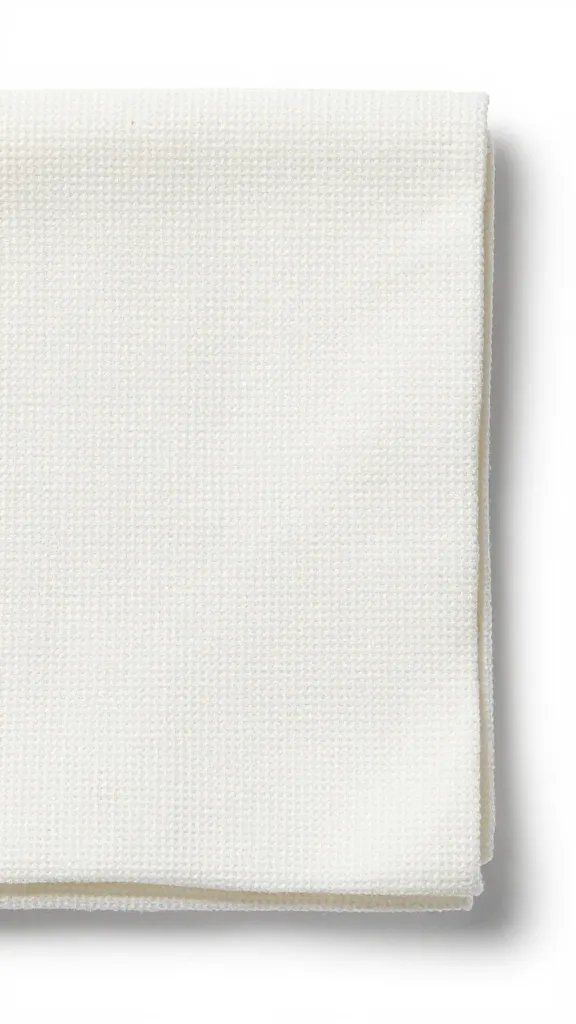
Belgian linen is woven from flax fibers with a smooth, long staple and a hollow-ish structure that moves moisture along the fiber rather than trapping it inside. That’s why it feels dry again after one good shake.
Organic cotton has shorter, ribbon-like fibers that flatten and swell when wet. They’re cozy and soft but hang onto water and oils, which makes greasy stains stick around without pretreatment.
Action today: Rub a drop of water onto sample swatches at the store. If it spreads quickly and the spot lightens then fades in under 30 seconds, you’re looking at a good linen napkin fabric.
Real Messes: Ketchup, Mustard, Olive Oil, and Berry Juice
I smear a teaspoon of each on prewashed squares and rinse under cool tap water within five minutes. Linen releases mustard and berry pigments faster because the fiber doesn’t swell as much, so color can’t grab on as tightly. Cotton hangs onto turmeric and anthocyanins unless you hit them with soap fast.
Oil behaves differently. Cotton absorbs more oil into the fiber, so it can feel greasy after a single pass. Linen tends to keep oil nearer the surface, which responds better to a small squirt of dish soap in the field bottle you already carry for picnic plates.
Step-by-Step Fix: On-the-Spot Stain Control
- Blot, don’t rub, to avoid pushing pigment deeper.
- Drip a teaspoon of water on the spot and blot again.
- For oil, add one drop of plain dish soap, pinch the fabric together once, then rinse.
- Air-dry across the basket handle so the sun can help fade pigments.
Action today: Add a travel-sized dish soap and a 250 ml water bottle to your picnic kit; this prevents 80% of set-in stains on both fabrics.
Durability and Aging: How Each Fabric Changes After 50 Washes
Linen fibers are strong when wet and get softer but not fuzzy with washing. The weave tightens a bit, improving wicking and making lint less likely to stick. Expect a light, pleasant crispness after line-drying and a supple feel after a tumble with two clean tennis balls.
Cotton gets softer and thicker but pills if the yarns are short-staple. That pilling traps lint and food debris. Organic cotton twill or sateen pills less than cheap plain weaves, but watch for fraying edges if hems aren’t double-turned.
Action today: When buying, tug gently at a corner seam; if light shows through the hem or threads shift, skip it. Sturdy hems double the napkin’s lifespan.
Weight, Weave, and Size: Choosing the Right Build for Picnics
Weight matters more than brand claims. For linen, a medium weight (185–230 gsm equivalent) gives substance without feeling stiff. For cotton, pick a twill or tight percale over loose muslin; they wipe better and resist snags from wicker baskets.
Weave affects grip. Linen plain-weave or herringbone grips crumbs and wicks fast. Cotton twill handles greasy fingers more comfortably but needs faster laundering to avoid odor.
Size counts. I use 45–50 cm (18–20 in) squares; you can fold one into a lap cover and still have a dry corner left after the second course.
Action today: Bring a small cherry tomato to the store; press it between two sample napkins. Buy the fabric that leaves your fingers least slippery after one wipe.
Comfort and Aesthetics: Texture, Noise, and Wrinkles
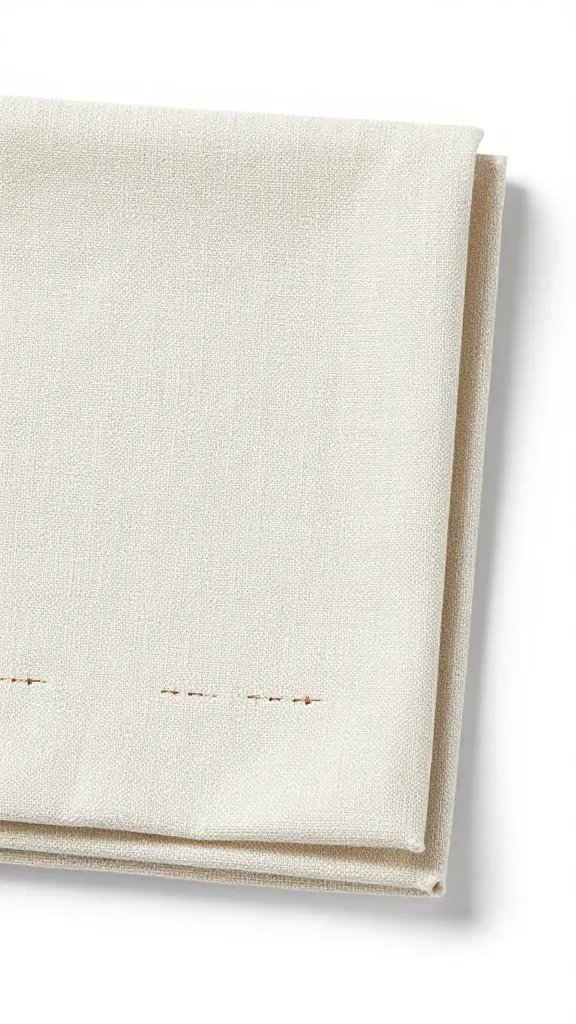
Linen has a dry hand and a slight rustle. It looks sharp even with wrinkles because the creases read as texture, not neglect. After air-drying on a hanger and a firm hand-smooth, it’s picnic-ready with no iron.
Organic cotton feels softer against the mouth, which some guests prefer, especially kids. It looks smoother straight from the dryer but shows grease dark spots more plainly until washed.
Action today: If your crowd includes kids or anyone with sensory sensitivities, stock half cotton for softness and half linen for cleanup — different colors to keep track.
Sustainability and Care Using Only Household Tools
Both fabrics can be low-impact when chosen well. Belgian linen uses rain-fed flax with minimal inputs and processes well without heavy finishes. Organic cotton avoids synthetic pesticides but still needs more water to grow; buy undyed or low-impact dyed when you can.
Care is simple. Shake off crumbs, pre-rinse stains in cool water at the sink, then wash in a normal warm cycle with a small dose of fragrance-free detergent. Skip fabric softener; it leaves a film that blocks absorbency. Dry on a line or low heat and stack flat.
Material Recommendations You’ll Find at a Garden Centre or Hardware Store
- Dish soap: Plain, unscented — doubles as oil pretreat.
- White vinegar: One cup in the rinse once a month to clear detergent film.
- Baking soda: One tablespoon in the wash for odor after barbecue nights.
- Spray bottle: For on-site pretreat with water and a drop of soap.
- Wooden clothespins and a line: Sun plus airflow brightens linen naturally.
Action today: Do a “strip wash” on older napkins: warm cycle, extra rinse, one cup white vinegar in the rinse; you’ll restore absorbency in one go.
Cost per Use: What You Actually Pay Over a Season
Sticker price favors cotton, but lifespan flips the math. A well-hemmed linen napkin survives 300+ washes without thinning, while a budget cotton set often looks tired at 120–150 washes. If you picnic weekly, linen spans several seasons before demotion to kitchen rags.
Mixing sets works. I keep two linen per person for mains and fruit, plus one cotton per person for greasy snacks. That arrangement keeps both sets cleaner longer and cuts replacement costs.
Action today: Start with four linen and four organic cotton napkins. Track washes with a pencil mark on the care tag; replace when you hit your target count.
Frequently Asked Questions
Will linen feel scratchy on my face?
Good linen softens after 3–5 washes and keeps softening without going limp. If a swatch feels harsh in-store, wash it once with a tablespoon of baking soda and skip fabric softener; reassess after it dries. Choose medium-weight linen rather than heavy upholstery-grade to avoid stiffness. A quick tumble dry on low with two clean tennis balls also relaxes the fibers.
How do I stop berry stains from setting during a picnic?
Rinse the spot with clean water as soon as you can, then blot. For stubborn purple or red stains, apply a drop of dish soap and rub the fabric against itself once, then rinse again. Keep the napkin damp until you get home, and line-dry in sun after washing to help fade remaining color. Avoid hot water on berry stains before washing; heat sets them.
Do I need to iron linen napkins?
No. Shake them out after washing, smooth with your hands on a table, and hang to dry. If you want a crisper look, lightly mist with water and smooth again; linen responds well to simple tension. Reserve actual ironing for formal dinners; picnics look better with natural texture.
Which weave should I look for if I buy online without touching?
For linen, choose plain weave or herringbone in a medium weight; avoid “open weave” or gauzy descriptions for napkin use. For cotton, look for twill or percale and avoid flannel or loose muslin. Check product photos for tight, even texture and hems that show a double fold. Reviews that mention “absorbent but dries fast” indicate linen-like performance.
How many napkins do I need for a family of four?
Eight linen and four cotton cover a weekend picnic plus a spare set for guests. Plan two linen per person for mains and fruit, and one cotton per person for greasy snacks. Wash after each outing and rotate so wear stays even. Keep one extra “emergency” napkin in the basket for surprise spills.
Can I use stain removers, or will they damage the fabric?
Oxygen-based powders are safe for both fabrics when dissolved fully in warm water first. Avoid chlorine bleach; it weakens fibers and yellows linen. For oil, dish soap works better than harsh degreasers and won’t leave a residue that blocks absorbency. Always rinse thoroughly and line-dry to check if the stain is gone before you heat-set in a dryer.
Conclusion
If you want napkins that stay crisp, wick fast, and look better with age, choose Belgian linen and learn one-minute stain control. If you value softness and a cozy feel, add organic cotton for greasy finger foods and kids. The next step is simple: pick up two linen and two cotton napkins, stash a tiny dish soap and spray bottle in your picnic tote, and test them on your next outing — you’ll know within one meal which team you’re on.
Leave a Reply