Genius Tips for the “Cottage Garden” Look: Using Perennials to Frame Your Picnic Space
· Yasmine Taljaard
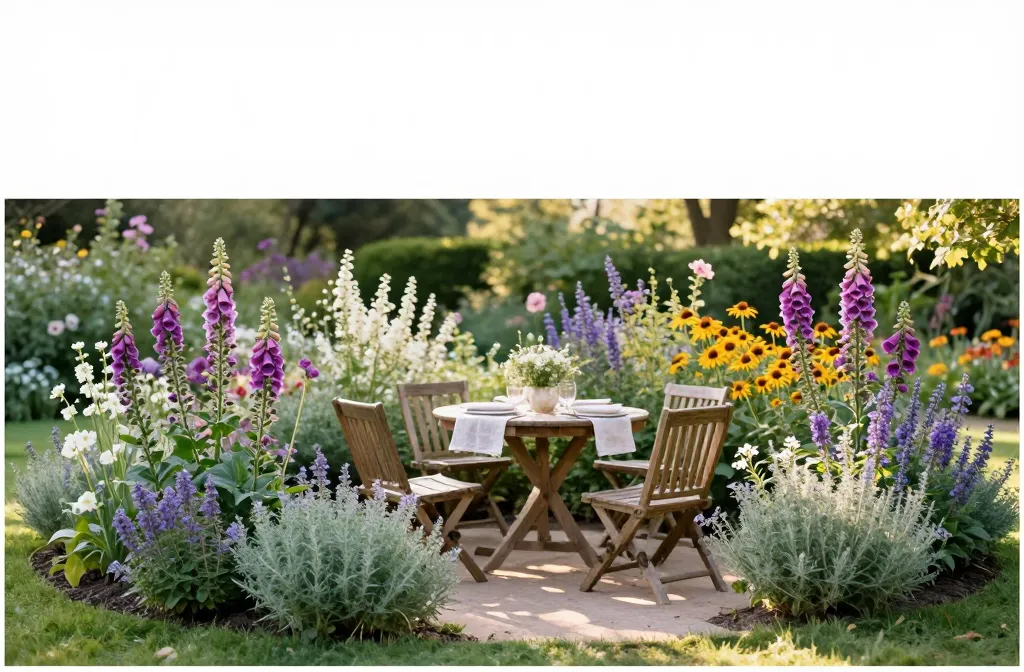
I learned to love cottage borders after one windy picnic sent napkins tumbling into my neighbor’s yard. The fix wasn’t a fence — it was a living frame of sturdy perennials that softened the space, slowed the breeze, and kept bees busy away from our plates. In this guide, I’ll show you exactly how to use common, reliable plants to outline a picnic nook that looks effortless and stays low‑maintenance. You’ll leave knowing what to plant, where to put it, and how to keep it neat without a gardener’s toolkit.
Shape The Space First: Edges, Openings, And Sightlines

A cottage garden still needs clear boundaries. I always mark a simple oval or rectangle around the picnic area using a hose on the ground, then step back and check sightlines from your door, kitchen window, and the chairs themselves. You want a defined green “room” with one obvious entry path and a low, welcoming edge.
Plan for three layers: a knee-high front ribbon, a mid layer to shoulder height, and a few taller anchors to hint at enclosure without creating walls. Leave at least 30 inches of open space around the table for chair scooting and circulation.
Action today: Lay a garden hose to outline your picnic area and spray-paint or flour-mark a 24–36 inch planting band where your border will go.
Pick Reliable Perennial Workhorses For The Front Edge
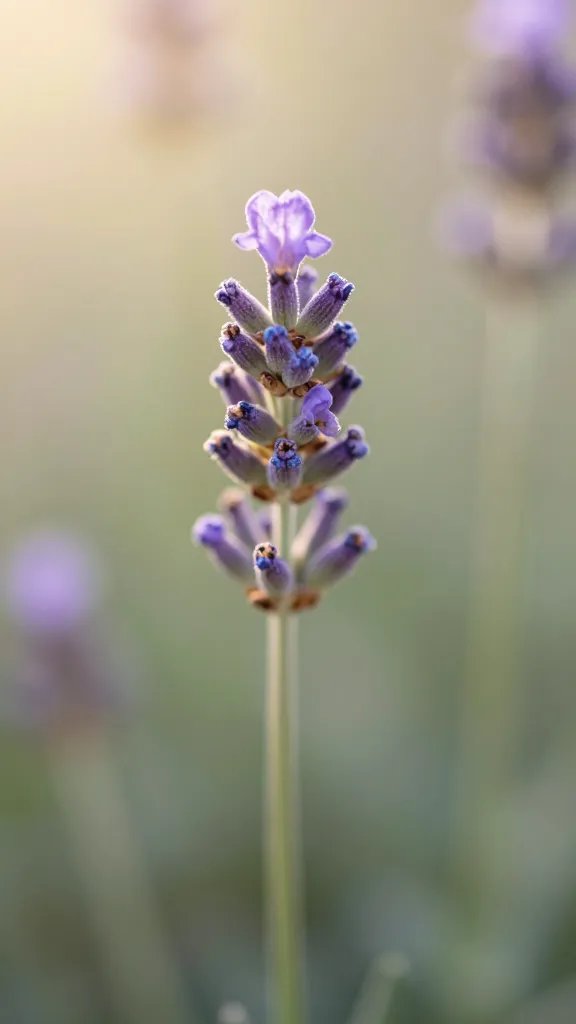
The front edge sets the tone and keeps the space usable. I use plants that handle footbrush, don’t flop into the path, and bloom in waves. Think long-blooming clumps rather than spreading thugs.
Plant List: Front Edge (12–18 inches tall)
- Catmint (Nepeta ‘Walker’s Low’ or ‘Junior Walker’): Blue spikes for months, aromatic foliage that deters nibbling, easy to shear once.
- Lady’s Mantle (Alchemilla mollis): Scalloped leaves catch dew, chartreuse bloom clouds, neat mounds to soften hard edges.
- Geranium ‘Rozanne’ (hardy cranesbill): Violet flowers all summer, weaves politely, great between stones.
- Dwarf Yarrow (Achillea ‘Little Moonshine’): Bright plates of yellow, drought-tough, upright habit.
- Heuchera (coral bells): Evergreen mounds in burgundy or lime, tiny wands of flowers, color anchor year-round.
Space these 14–18 inches apart in a staggered line so they knit into a soft ribbon without gaps by the second season.
Takeaway: Choose 2–3 front-edge species and repeat them along the line for rhythm; buy enough to plant on 16-inch centers.
Use Mid-Height Bloomers To Build The Cottage “Billow”
The mid layer brings that romantic, slightly wild look. I group in threes and fives for impact and repeat those groups every 4–6 feet. These plants also act as a light wind baffle, which keeps napkins on plates.
Plant List: Mid Layer (24–40 inches tall)
- Shasta Daisy (Leucanthemum ‘Becky’): Clean white discs, sturdy stems, classic cottage feel.
- Salvia nemorosa (‘Caradonna’, ‘May Night’): Deep purple wands, pollinator magnet, easy to shear for a later bloom.
- Phlox paniculata (mildew-resistant varieties like ‘Jeana’): Fragrant summer clouds, butterflies galore.
- Daylilies (Hemerocallis): Clumping, carefree, bold foliage to hide fading spring bulbs.
- Coneflower (Echinacea purpurea or ‘PowWow’ series): Big daisy cones, sturdy, great seedheads into fall.
Leave a subtle dip in height across the entry path to invite guests in. I keep mid-height plants at least 12 inches back from chair backs to avoid scratches and bees brushing diners.
Takeaway: Plant mid-layer clumps in triangles, 18–24 inches apart, repeating the same mix at least twice to make the space feel intentional.
Add Vertical Anchors For Structure And Privacy Without Walls

The cottage look needs a few taller notes to read as a garden room. I use verticals in corners and behind the seating to frame views and screen bins or AC units without boxing in the table.
Plant List: Tall Accents (42–72 inches tall)
- Russian Sage (Perovskia atriplicifolia or Salvia yangii): Airy lavender haze, drought-proof, see-through stems.
- Joe-Pye Weed (Eutrochium ‘Little Joe’): Compact forms top out around 4 feet, great for late-summer presence.
- Hollyhocks (Alcea rosea): Biennial but self-sows, iconic spires against fences.
- Miscanthus ‘Little Zebra’ or Panicum ‘Northwind’ (ornamental grasses): Upright screens, rustle in breeze, winter interest.
Place these in twos, never in straight rows. Keep at least 30 inches behind the back of the chairs for a calm, enclosed feel without crowding.
Takeaway: Set two tall accents at diagonal corners of your border to “pin” the room and draw the eye upward.
Choose Colors And Bloom Times That Work With Food And Photos
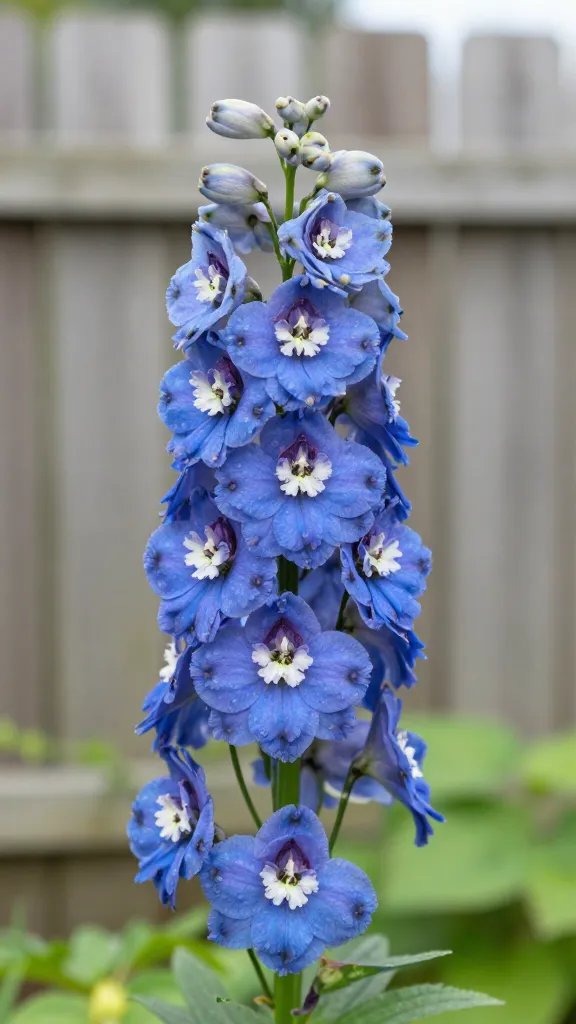
Picnic spaces host photos and plates, so I avoid chaotic color mixes. I pick a simple palette: one dominant cool tone (lavender/blue), one warm accent (soft yellow or peach), and white to clean it all up. This reads calm in midday sun and golden at dusk.
For bloom spread, plan a relay: spring bulbs under perennials, early summer salvias and catmint, midsummer daisies and coneflowers, late summer phlox and Joe-Pye, and fall seedheads plus grasses. Staggering ensures the border looks full for months without gaps.
Takeaway: Pick three core colors today and buy perennials with overlapping bloom windows labeled May–September; return anything outside that range.
Soil Prep And Watering Without Fancy Gear

I keep prep simple. Strip grass and weeds from your marked band, then loosen soil to a spade’s depth. Mix in a 2–3 inch layer of bagged compost across the whole area — not just holes — so roots don’t hit a “compost pocket” and stall.
Water with a regular hose nozzle: soak after planting until the top 6 inches feel cool and damp to the finger. After that, water deeply once a week for the first eight weeks, then only during dry spells. Mulch with a 1–2 inch layer of shredded bark to hold moisture and keep shoes clean.
Takeaway: Before planting, spread two bags of compost per 10 square feet across the border and mix it in with a shovel — this single step sets you up for fewer waterings.
Keep It Tidy The Easy Way: Shear, Stake, And Seat Planning
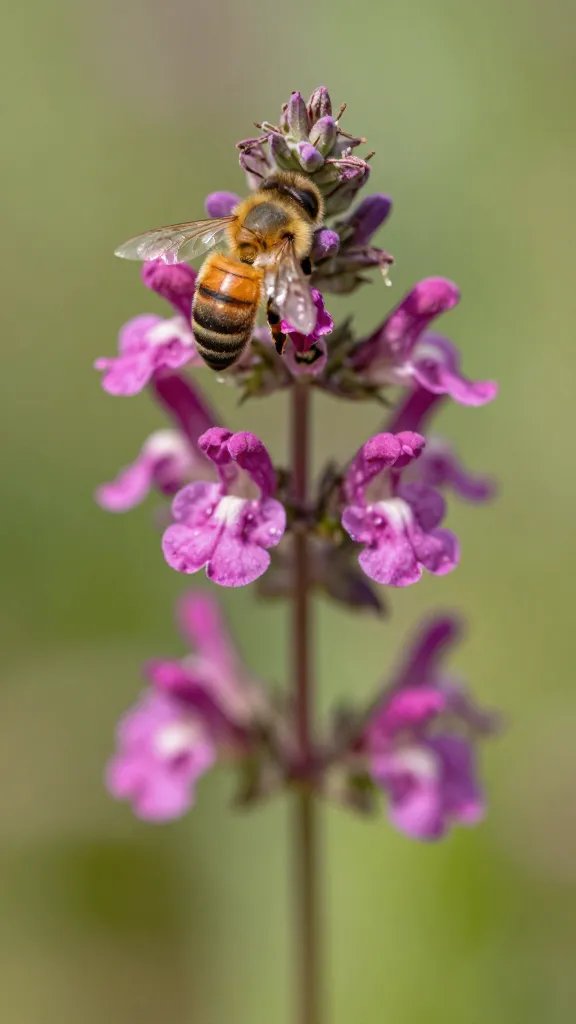
Perennials behave with a little routine. I shear Nepeta and Salvia by one-third after the first flush to trigger a second bloom. I deadhead Shasta daisies weekly with kitchen shears and leave Echinacea seedheads for goldfinches and fall texture.
Step-By-Step: Low-Visibility Staking And Flop Control
- Install short, dark peony rings or single bamboo canes when plants are 12–18 inches tall — not after they flop.
- Use jute twine to make a loose grid inside clumps like phlox, tied to canes at knee height.
- Trim a few inches from the front of billowy plants in late May (the “Chelsea chop”) to keep them off the path.
Place chairs at least 18 inches from the front edge ribbon to avoid brushing blooms. Keep a shallow tray or side table for condiments to reduce food near the bee-heavy mid layer.
Takeaway: Put a hand pruner and a roll of jute twine in a zip bag under the table; a 10‑minute weekly tidy prevents 90% of flops.
Invite Pollinators, Not Plate-Visitors

I want bees in the garden, not hovering over coleslaw. I keep nectar-rich plants a forearm’s length (about 18 inches) from the table edge and concentrate the heaviest bloomers to the sides and back. Herbs help too — a pot of mint or rosemary near the table masks food scents and provides sprigs for drinks.
Warning Signs And Fixes
- Wasps crowding plates: Move sugary drinks to a side table, remove fallen fruit, and place a decoy plate with fruit 10 feet away to draw them off.
- Bees under chairs: Avoid groundcover thyme directly under seating; swap to Heuchera or mulch.
- Hoverflies on napkins: Switch to cloth napkins in solid colors and weight them with small stones.
Takeaway: Today, relocate the strongest nectar plants (phlox, coneflower) at least 18 inches from the table edge and cluster them toward the border corners.
Frequently Asked Questions
How far should plants be from the edge of my picnic table?
Keep at least 18 inches of open space from the table edge to the first foliage. This gives elbow room and reduces accidental brushing against pollinators. If you have a bench, push that clearance to 24 inches since people slide in and out.
What if my soil is heavy clay or pure sand?
For clay, add a 2–3 inch layer of compost across the whole bed and mix it into the top 6–8 inches — don’t dig a deep crater that collects water. For sand, add compost the same way and mulch with 2 inches of shredded bark to slow drying. Choose tougher plants like yarrow, catmint, and Russian sage for sandy spots.
Can I do this in part shade?
Yes, but swap a few sun lovers. Use Astilbe, Heuchera, Hardy geranium, Japanese forest grass (Hakonechloa), and Hosta for structure. Aim for at least 4–5 hours of sun for daisies and coneflowers; keep the sun-hungry plants on the brightest side of the border.
How do I keep it from looking messy by August?
Plan a five-minute Friday routine: deadhead daisies, shear back any floppers by one-third, and pull any spent stems at the front edge. Top up mulch lightly in midsummer to freshen lines. If a plant insists on leaning into the path, dig and shift it 6–8 inches back the next cool evening.
Do I need drip irrigation?
No. Water deeply with a hose nozzle once a week for the first eight weeks after planting. After the first season, only water during a two-week dry spell when the soil feels dry 2 inches down; a slow 10–15 minute soak per 4 square feet is enough.
Conclusion
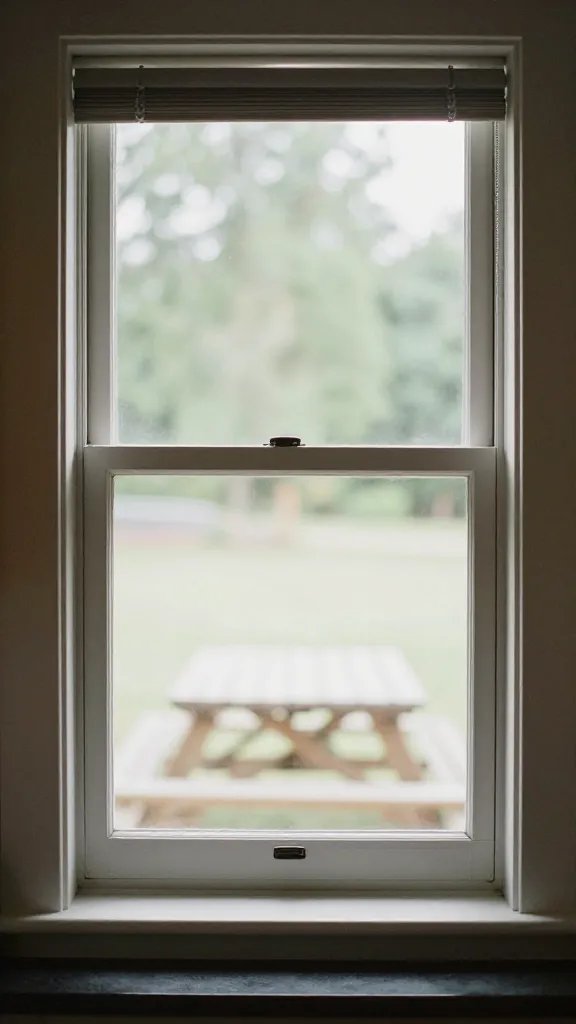
You don’t need a designer’s plan to get a cottage feel — just a clear edge, repeated plant groups, and a simple weekly tidy. Start by marking your border, then plant a reliable front ribbon and a repeating mid layer this weekend. Next, add two tall accents to pin the room and you’ll have a picnic space that looks generous, stays practical, and welcomes guests all season long.
Leave a Reply