Why Satin and Taffeta Napkins Are Better for Presentation Than Performance Unveiled
· Samantha Jones
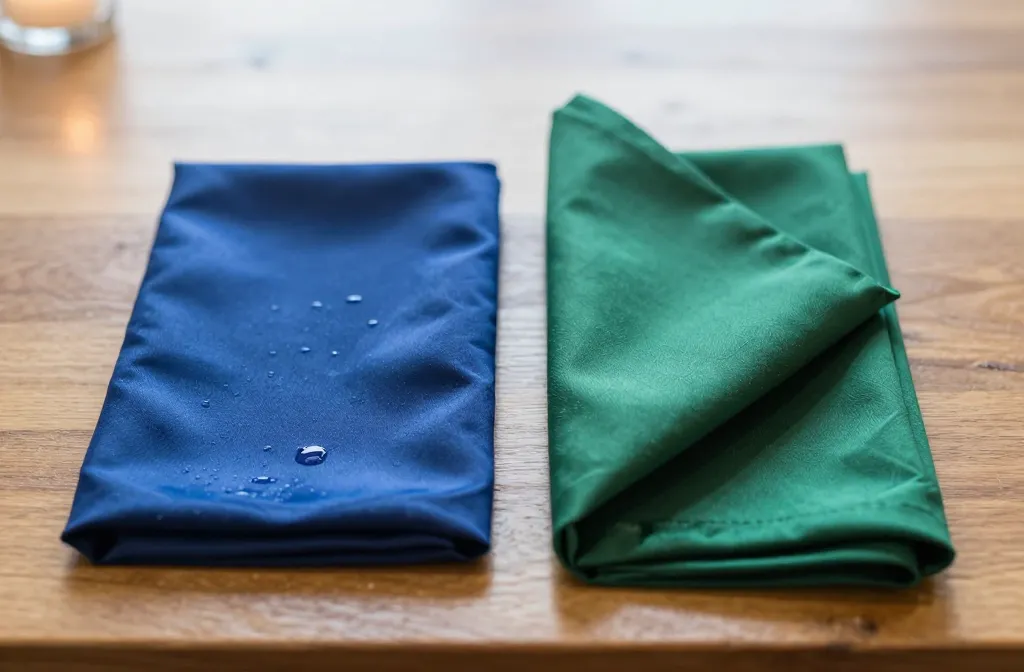
I learned the hard way hosting a small backyard dinner: the satin napkins photographed like a dream, but by dessert they looked rumpled and water-spotted. Taffeta held its crisp folds longer, yet felt scratchy and slipped off laps. If you’ve bought “fancy” napkins and wondered why they shine on the table but struggle through the meal, you’re not alone. In this guide I’ll show you why these fabrics win on looks, lose on utility, and how to use them so your table stays elegant without frustrating you or your guests.
What Satin And Taffeta Actually Are
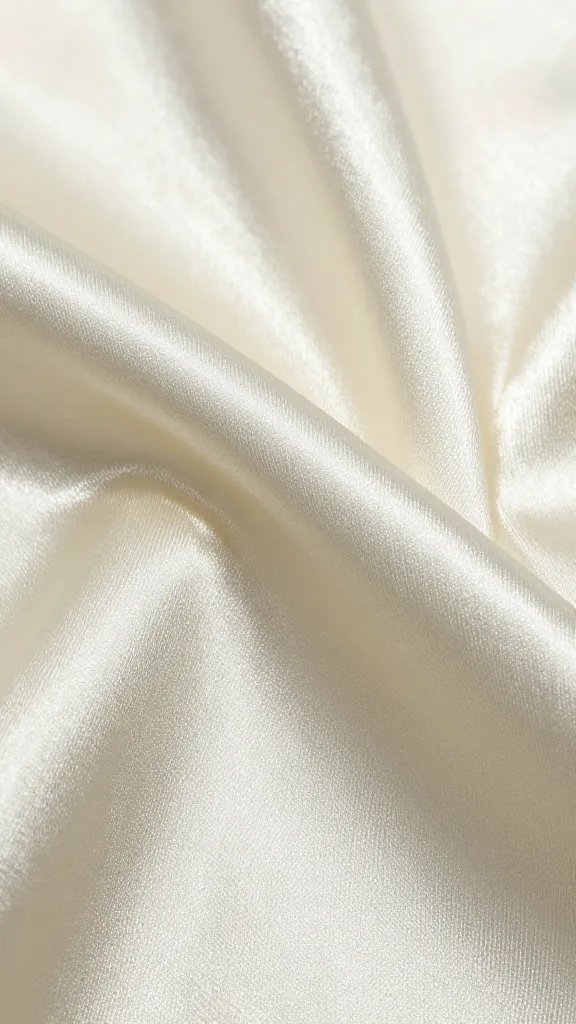
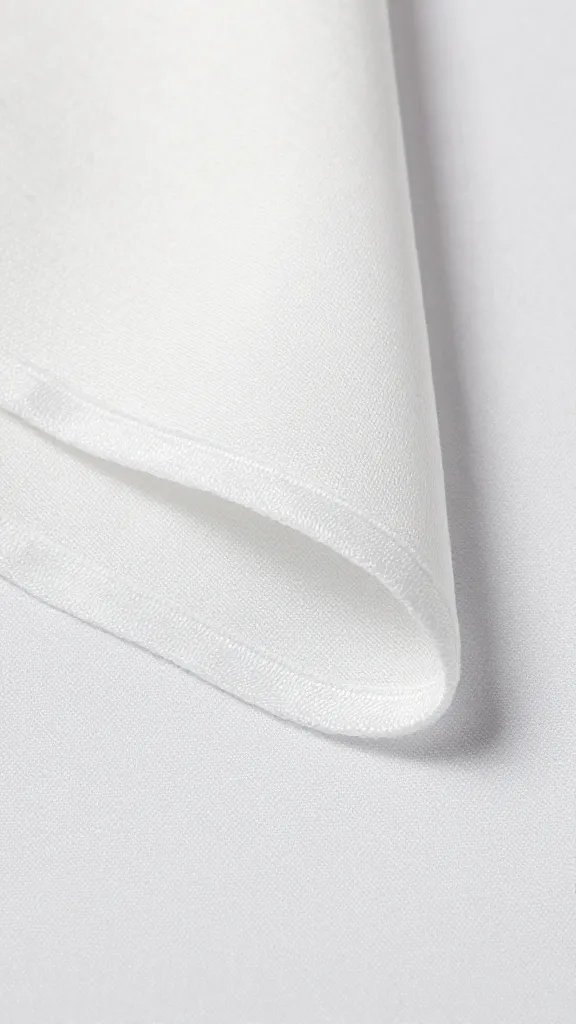
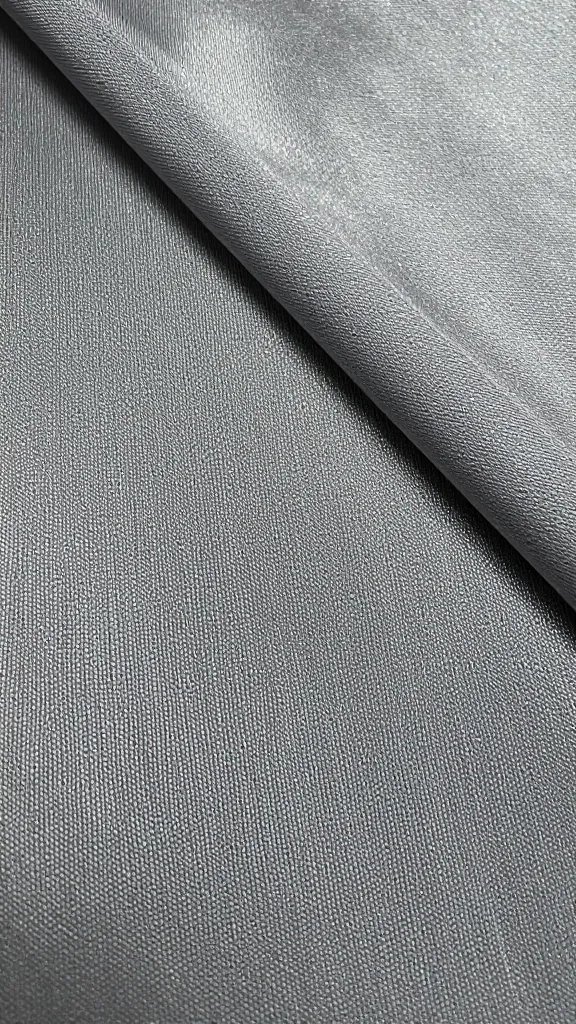
Satin is a weave, not a fiber. Most satin napkins at party stores use polyester threads woven to create a smooth, glossy face. That sheen reflects light beautifully and reads as luxurious in photos.
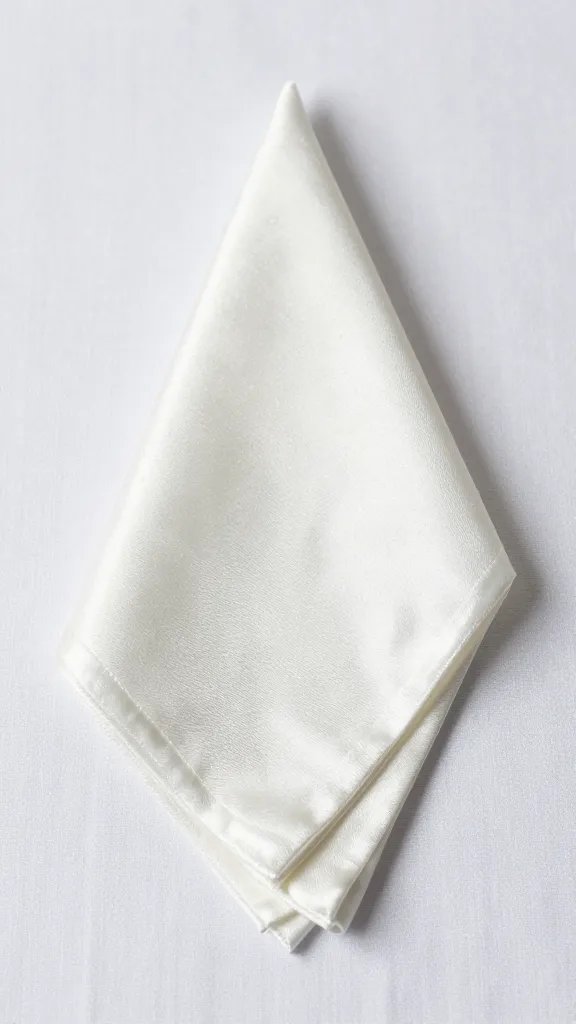
Taffeta is a crisp, tightly woven fabric—again often polyester—that makes a signature rustle and holds knife-sharp folds. It looks structured and formal the moment you set it down.
Both prioritize optical effect over absorbency and grip. That’s the trade-off you feel at the table.
Action today: Check your napkin label. If it says polyester satin or polyester taffeta, plan for presentation-first use and adjust your setup accordingly.
Why These Fabrics Shine In Photos And First Impressions
Satin’s glossy surface bounces window and candlelight, making colors appear richer and edges softer. On a simple wooden table, a satin napkin instantly reads “special occasion.”
Taffeta builds height and structure. Fans, bishop’s hats, and pocket folds stand tall because the fabric resists drape. If you want sculptural shapes that survive the walk from kitchen to table, taffeta delivers.
For apartment hosts working with basic tableware, these fabrics create drama without buying new plates or centerpieces.
Takeaway: Use satin for glow and color, taffeta for sculptural folds—choose the effect you want guests to notice first.
Where Presentation Stops And Performance Problems Start
Low absorbency: Polyester fibers in both satin and taffeta repel water. They smear moisture instead of soaking it, so wine rings and condensation spread.
Slippage: Satin’s slick face slides off laps and plates. Taffeta grips a bit better but still lacks the “tooth” of cotton or linen.
Wrinkle memory: Satin creases sharply and shows every fold line after use. Taffeta holds intentional folds but shows crumples from handling.
Noise and feel: Taffeta can feel stiff and make a rustle that draws attention at a quiet table. Satin feels smooth but clammy against damp hands.
Action today: Pair showy satin or taffeta with a stack of plain cotton dinner napkins within arm’s reach for actual wiping and dabbing.
Simple Ways To Make Them Work For Real Meals
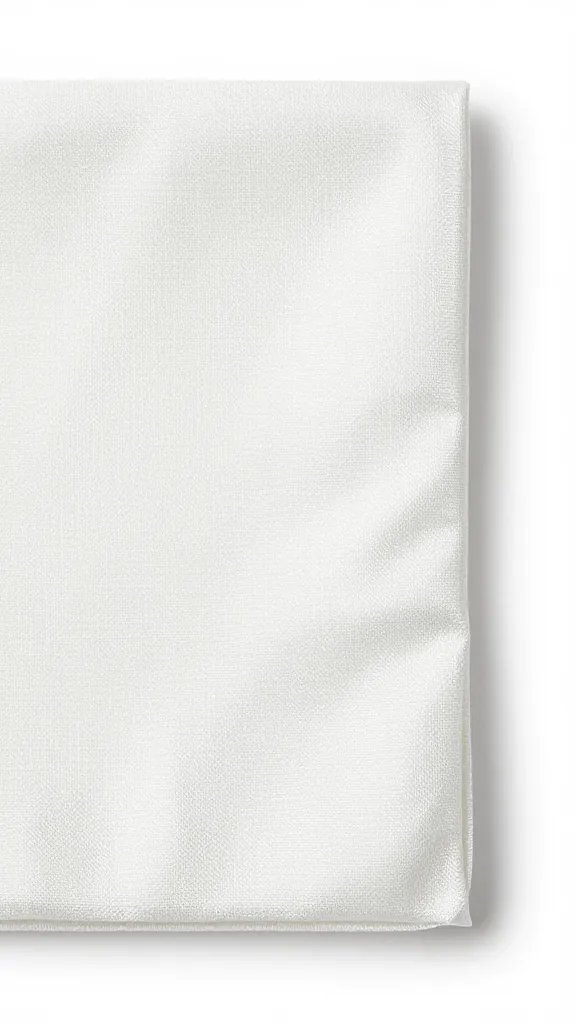
I still use both fabrics, but I set them up to succeed. A few small tweaks turn them from fussy to functional.
Lap Grip Fix
- Fold a satin napkin so the matte side faces the lap. Most satin has a duller reverse that grips better.
- Add a small cotton cocktail napkin on top of the place setting. Guests reach for the absorbent layer first.
Condensation And Spills
- Use coasters under cold glasses. Anything with a cork or felt base from a home store works.
- Place a runner or placemat with a woven texture under plates to catch drips and keep satin from sliding.
Wrinkle Control
- Lightly steam before guests arrive. Hang the napkins on a shower rod and run a hot shower for 3–5 minutes, then smooth by hand.
- Stack folded napkins under a heavy book for 30 minutes to set clean edges.
Comfort Upgrade
- If taffeta feels scratchy, line it: slip a thin cotton napkin inside a simple taffeta “envelope” fold so skin touches cotton.
Action today: Add a pack of neutral cotton cocktail napkins to your drawer—they save satin and taffeta from messy duty every time.
Choosing When To Use Satin Or Taffeta Versus Cotton Or Linen
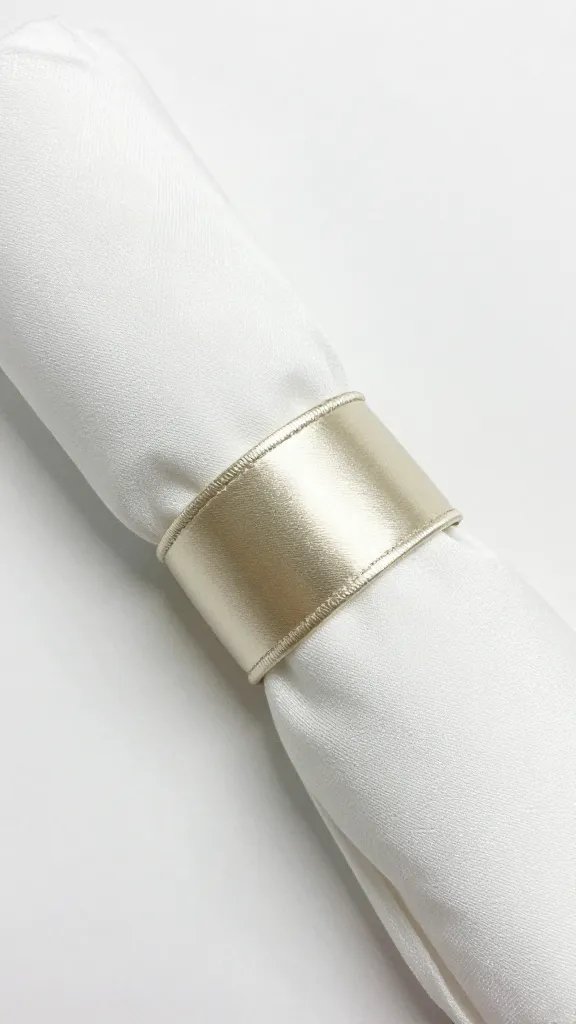
Use satin when you want rich color, romantic glow, and plenty of photos—birthdays, date nights, and holiday toasts.
Use taffeta when you want crisp shapes for formal seating—anniversaries, tasting menus, and small dinner parties with plated courses.
Use cotton or linen when you expect saucy dishes, finger foods, or family-style serving where hands get messy.
Action today: For your next dinner, decide first if you want “photo-first” or “meal-first.” Pick the napkin fabric to match that single priority.
Color, Stain Management, And Care That Actually Works At Home
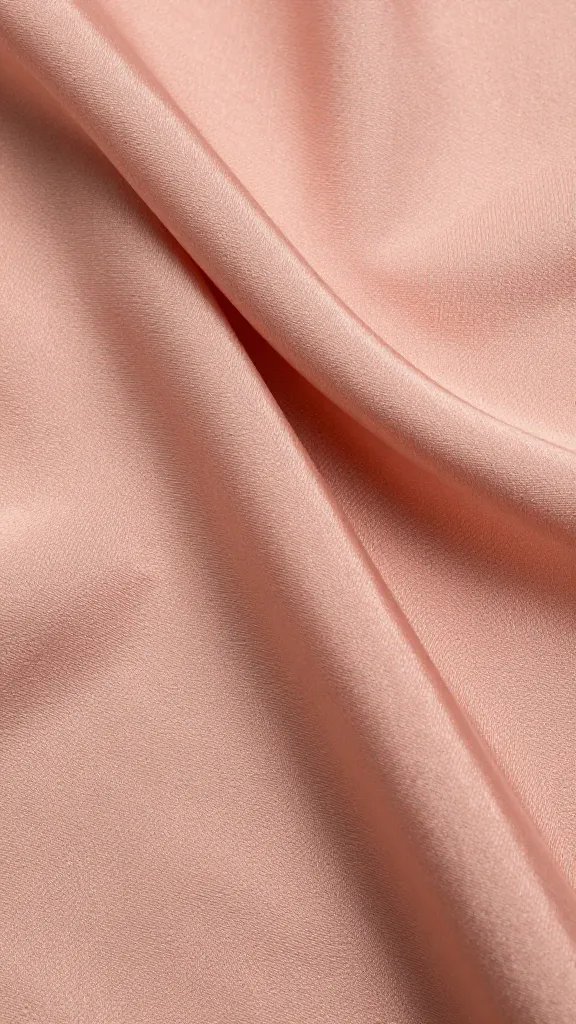
Color choices: Deep jewel tones in satin hide minor water spots; pale satin shows everything. Taffeta in mid-tones disguises creases better than very light shades.
Pre-treat barrier: A light mist of fabric protector from a hardware store helps repel splashes. Test on a corner first to avoid dulling the sheen.
Spot cleaning: Blot spills fast with a cotton napkin. For oil, sprinkle cornstarch, wait 10 minutes, then brush off before washing.
Washing: Cold water, gentle cycle, mild detergent. Skip fabric softener—it can leave a film that highlights water marks on satin.
Drying and finishing: Air-dry flat on towels. If you must use a dryer, low heat for 5 minutes, then remove while slightly damp and smooth by hand. Use a warm iron on the wrong side with a pressing cloth.
Action today: Mix a simple stain kit: cornstarch, a small spray bottle with cold water, and a clean white cotton cloth—keep it in a zip bag with your table linens.
Folding Styles That Survive A Real Meal
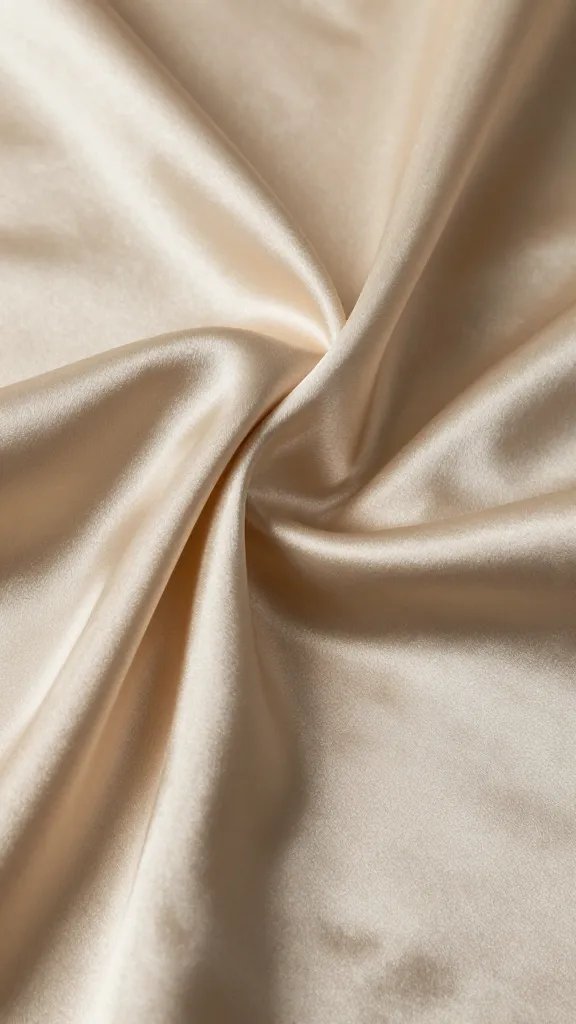
For satin, use folds with fewer layers so the napkin drapes without sliding. A simple rectangle tucked under the plate lip stays put better than a tall fan.
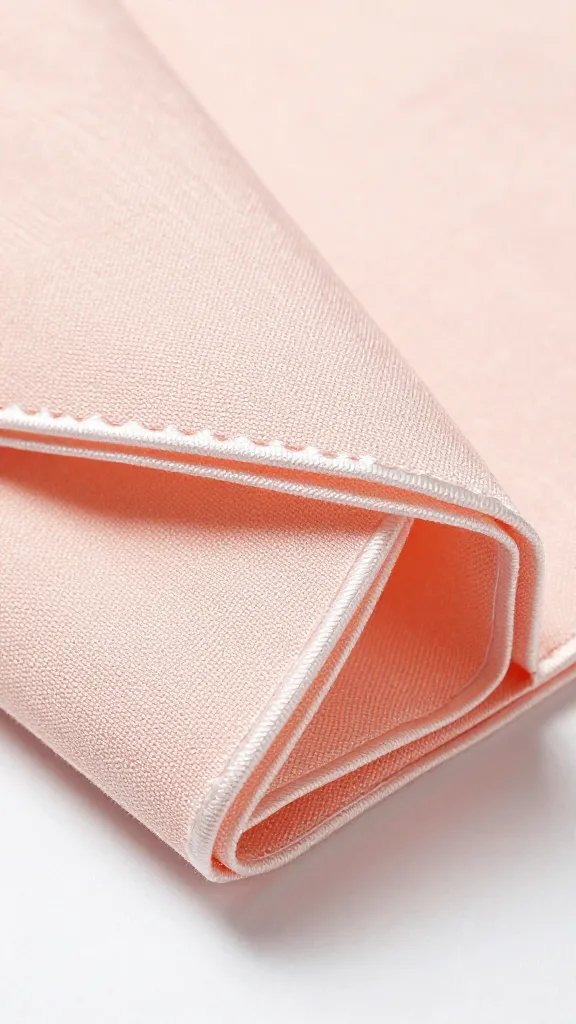
For taffeta, lean into structure. The bishop’s hat or a tight pocket fold holds shape and gives you a sleeve for cutlery or a cotton insert.
Quick Pocket Fold (Taffeta)
- Lay the napkin face down. Fold in half to make a rectangle.
- Fold the top layer down 10–12 cm to form a pocket.
- Flip over, fold sides in to fit your plate, then flip back.
Action today: Test your chosen fold on your actual plates—set one, lift it, and walk it across the room. If it slips, switch folds or fabric.
Frequently Asked Questions
Are satin or taffeta napkins safe for everyday family dinners?
They’re safe, but not practical for daily messes. Polyester satin and taffeta resist stains but don’t absorb, so you’ll chase spills instead of cleaning them. For everyday, keep cotton napkins on the table and reserve satin or taffeta for weekends or guests. If you love the look, use them as display with a small cotton napkin for use.
How do I stop satin napkins from sliding off laps?
Seat the napkin with the matte side against clothing. Tuck the top edge lightly under the plate rim to anchor it before guests sit. You can also place a thin cotton napkin underneath for grip. Avoid highly polished chairs without cushions; add a seat pad if needed.
What colors hide stains best on satin and taffeta?
Mid to dark tones like forest green, navy, burgundy, and charcoal mask water spots and minor food marks. Avoid pale pastels and bright whites if red wine or tomato sauce is on the menu. Patterned weaves or subtle jacquards also disguise blemishes better than flat solids. Always treat spills quickly to prevent edge rings.
Can I iron satin and taffeta at home without ruining the sheen?
Yes—iron on the wrong side with a pressing cloth on low to medium heat. Test a corner first and avoid steam directly on satin’s face to prevent water spots. For stubborn creases, lightly mist the pressing cloth, not the fabric. Hang to cool so the finish sets smooth.
What’s a budget-friendly way to get the “fancy” look without performance issues?
Use cotton or cotton-linen napkins for actual use and layer a single satin or taffeta accent—like a band, tie, or top napkin—for the photo-ready effect. A neutral cotton base with a colored satin ribbon from the craft aisle gives you gloss without the fuss. Add coasters and a woven placemat to control moisture. This combo costs less and lasts longer in weekly rotation.
Conclusion
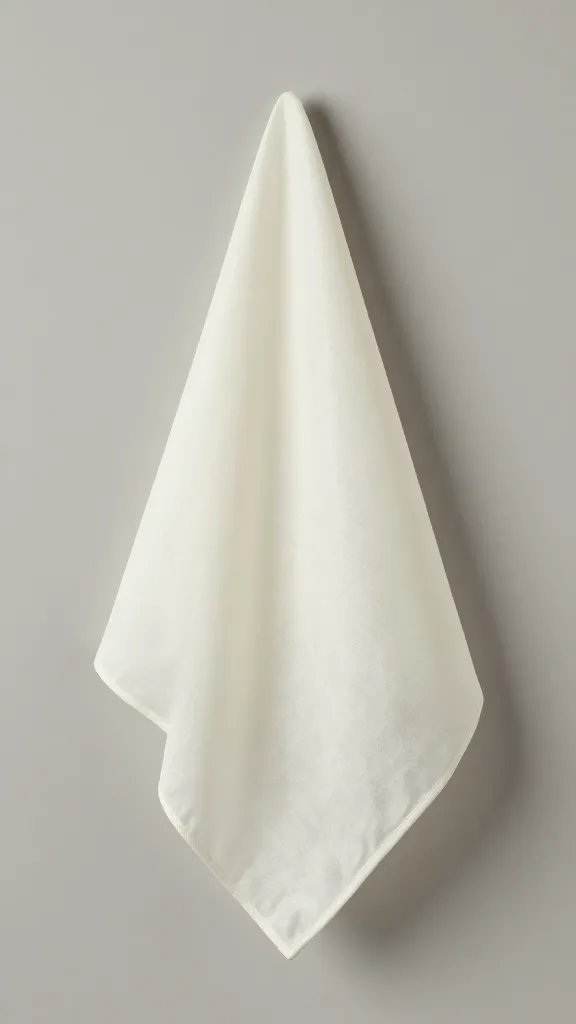
Satin and taffeta napkins win the room the moment guests sit down—and that’s their job. Put cotton or linen in charge of the mess, and let satin and taffeta handle the spotlight. Today, decide which role you need for your next meal, set up the right pairings, and enjoy a table that looks special and works smoothly start to finish.
Leave a Reply