Viral Hack the “Waterfall” Fold: How to Drap Linens Off the Edge of a Picnic Table
· Samantha Jones
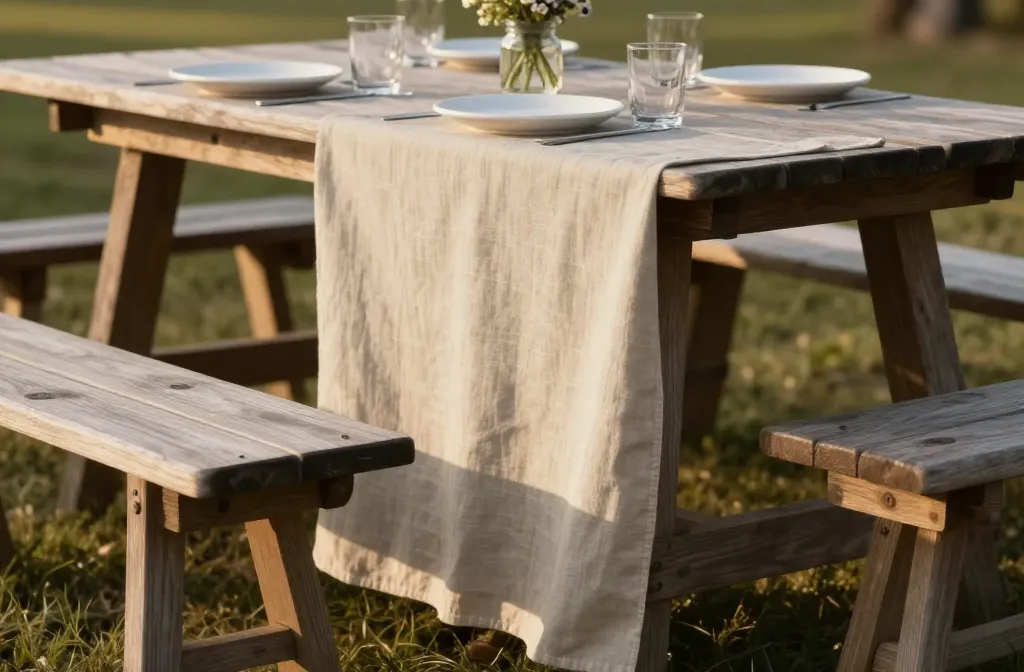
I learned the “waterfall” fold after one windy park lunch where my tablecloth kept flipping like a flag. I wanted a clean, tailored look without wrestling clips or sewing anything. Once I dialed in the fold and weight placement, the cloth stayed put and the edges fell in a smooth line that looked intentional in every photo. In this guide I’ll show you exactly how to set up the fold, secure it against gusts, and pick the right fabric so your setup looks neat and stays put all afternoon.
What the Waterfall Fold Actually Is
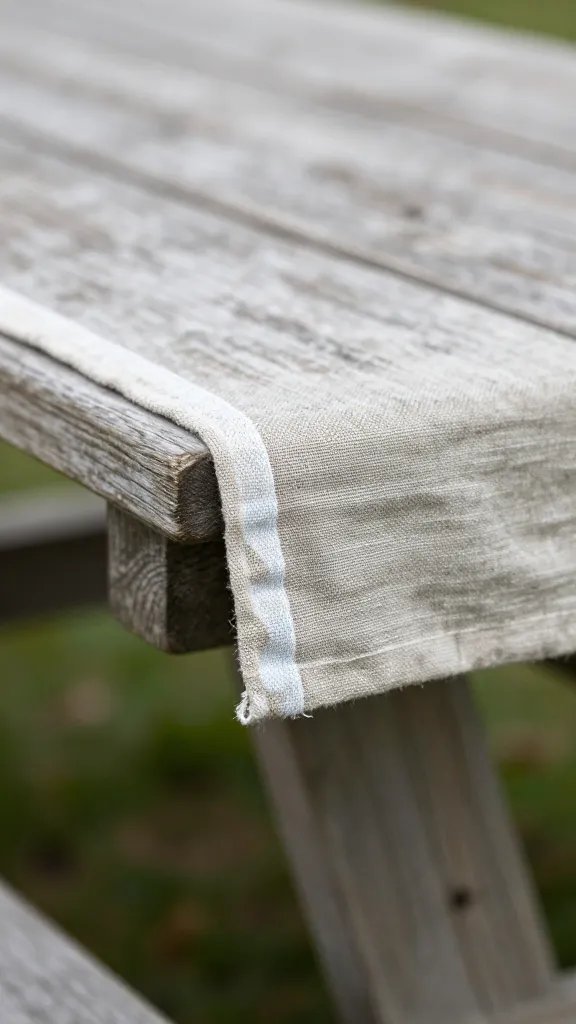
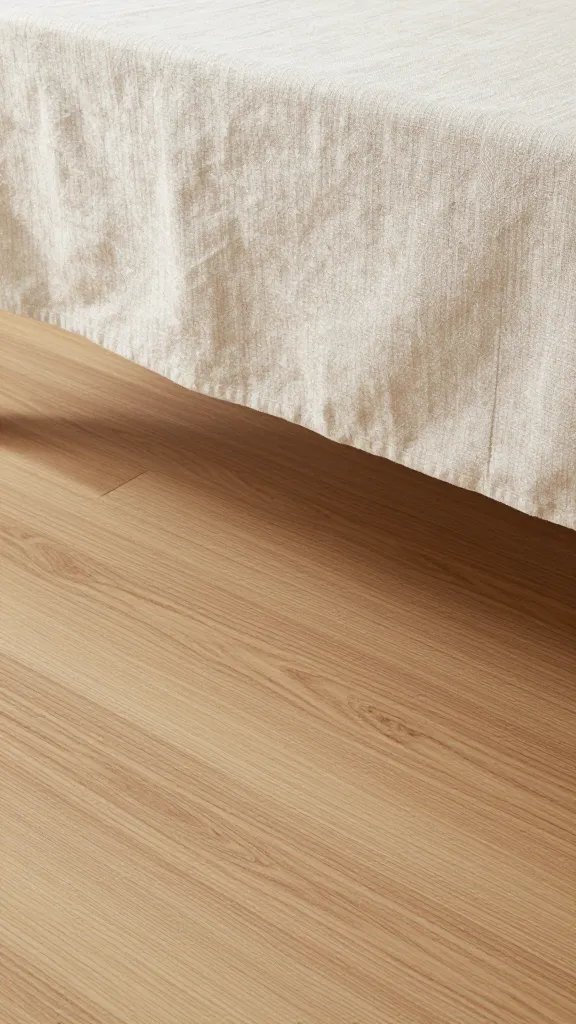
The waterfall is a clean, continuous drape that flows over the table edge and drops straight to a tidy, weighted hem. It avoids bunching at the corners and keeps the eye on the table setting, not on wrinkled fabric.
Instead of letting fabric “puddle,” you create a deliberate line: smooth across the top, sharp break at the edge, uninterrupted vertical fall. The look works on wood, plastic, and metal picnic tables with attached benches.
Action today: Grab any medium-weight cloth and practice making a crisp “break line” right at your tabletop edge with the side of your hand — you’ll feel where the fabric wants to fold.
Choose the Right Linen and Size for Your Table
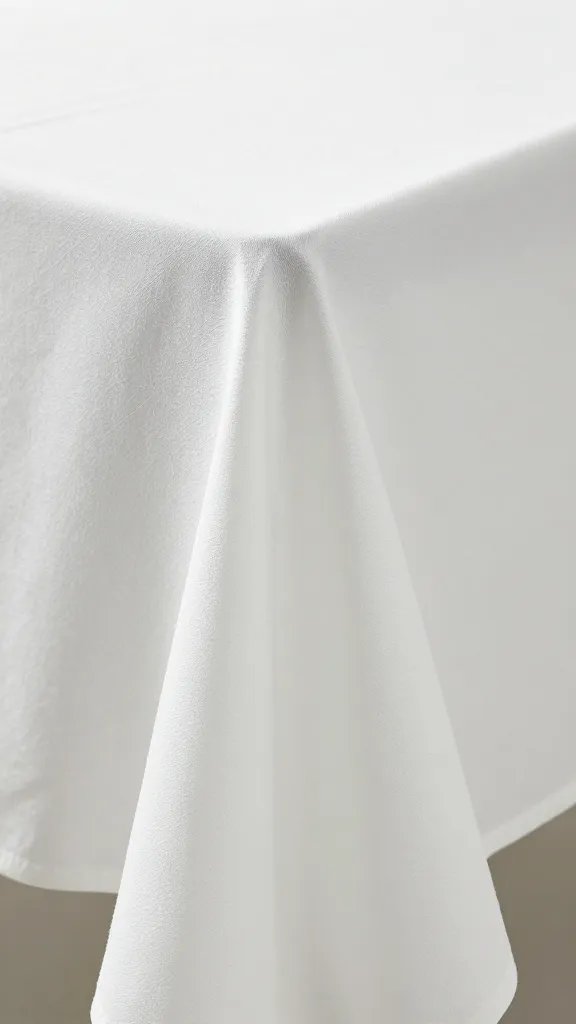
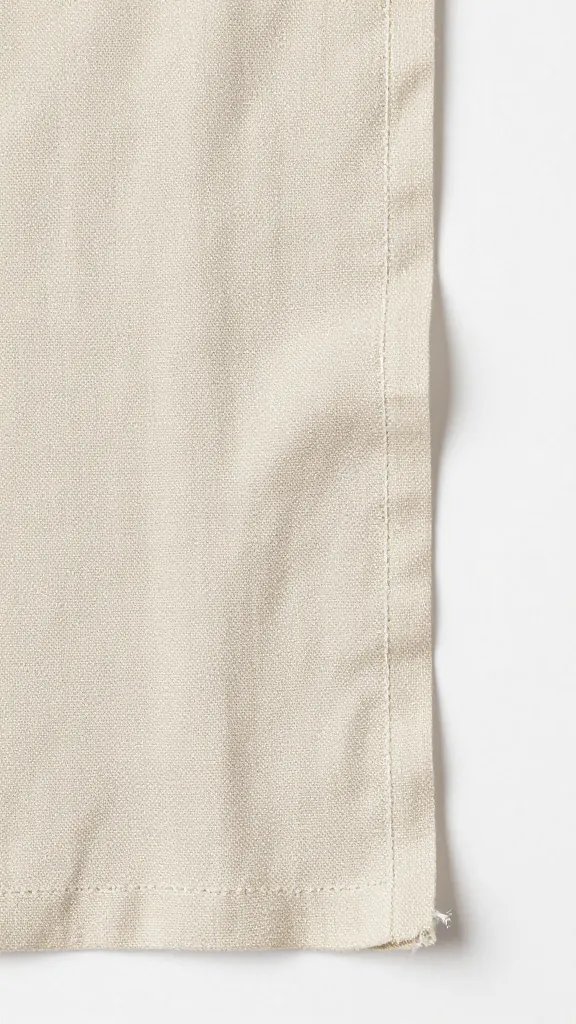
Fabric weight does the heavy lifting. I use medium-weight cotton, cotton-linen blend, or polyester twill. Thin polyester snags and flies; heavy canvas looks blocky and won’t fall cleanly.
For a standard 6-foot picnic table (about 72 in x 29-30 in top), aim for a cloth about 90 x 132 inches. That gives a 10-12 inch overhang on the long sides and a deeper drop at the short ends so you can “waterfall” without exposing table legs awkwardly.
Material recommendations
- Cotton or cotton-linen blend (machine washable, soft drape)
- Polyester twill or spun polyester (wrinkle-resistant, outdoor-friendly)
- Avoid: flimsy vinyl alone. If you need wipeable, layer a thin vinyl topper over a cotton base for weight and drape.
Action today: Measure your tabletop and add 20-24 inches to each dimension for side drops; take that note to the garden centre or hardware store’s home aisle to choose a cloth that fits.
Prep the Table and Cloth So the Drape Behaves
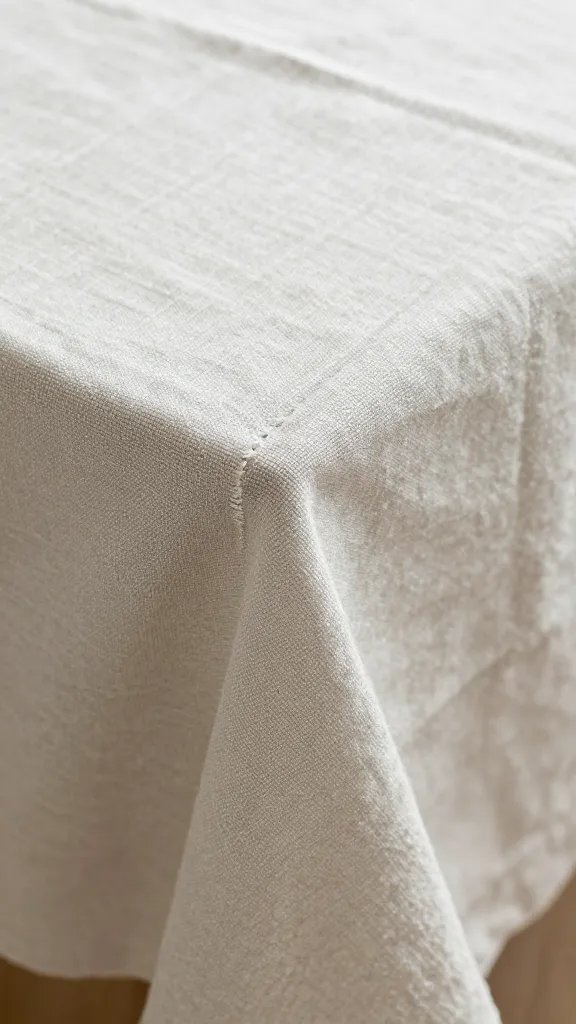
Start with a clean, dry tabletop. Grit makes cloths creep. Wipe with a damp cloth and let it dry for 5 minutes.
Lightly press or steam the cloth at home. Focus on the zones that will form the break lines: two long edges and both short ends. If you don’t have a steamer, spritz with water and run a warm iron for 60 seconds per section.
Action today: Pack a small spray bottle and a microfiber cloth in your picnic tote — two spritzes and a hand-smooth at the park fix 90% of creases.
The Step-by-Step Waterfall Fold on Site
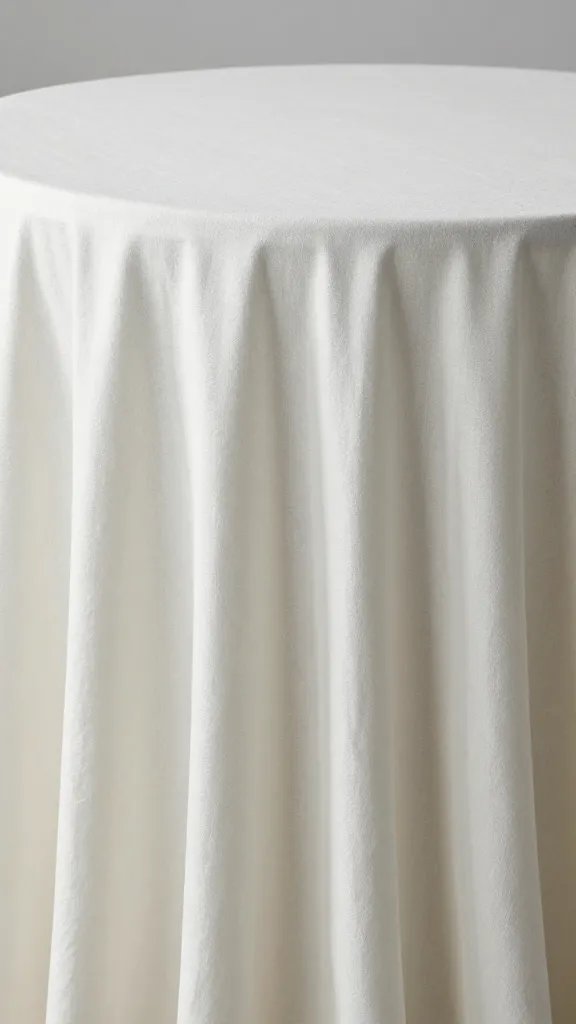
- Center the cloth. Let it hang evenly on both long sides. Sight along the long edge to confirm a straight grain — skewed cloth never falls cleanly.
- Create the break line. Place the edge of your palm right on the tabletop edge and draw it along the length, pressing the fabric down and over in one smooth pass. Repeat once for a sharper crease.
- Straighten the fall. Gently tug the hanging panel straight down so it doesn’t flare. You want a flat plane from the edge to the hem.
- Handle the corners. At each corner, do a soft tuck: pull the side panel straight, then lay the end panel over it so the visible seam points to the table leg. No triangle pleats — they break the waterfall line.
- Set the ends. Repeat the same palm-press break on the short ends so all four edges have defined drops.
Action today: Practice the palm-press along one tabletop edge at home — one firm, continuous pass makes the cleanest break.
Wind-Proof Without Ugly Clips
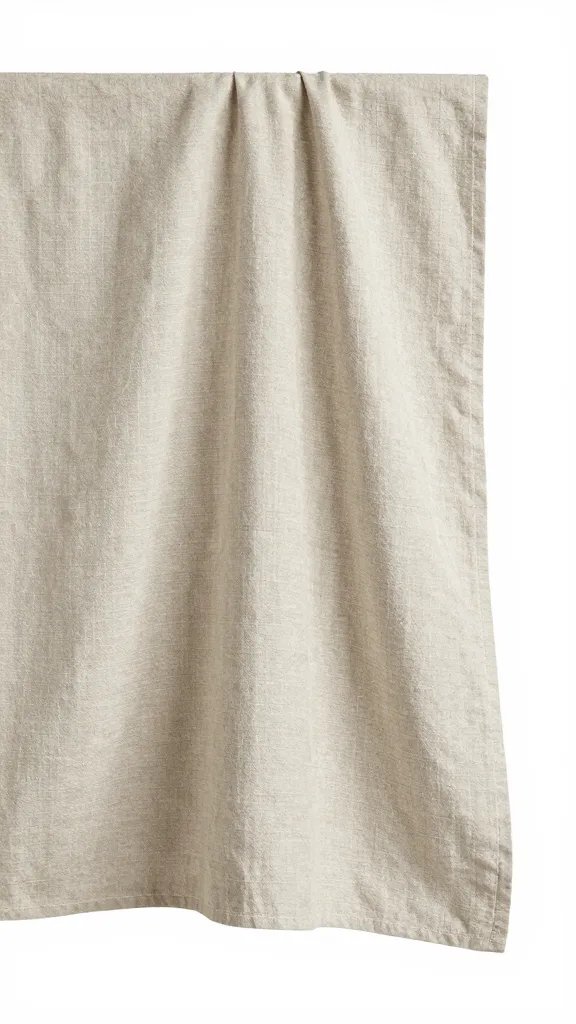
Wind is the enemy of a smooth fall. I use hidden weight and friction instead of visible clamps. A non-slip drawer liner strip under the cloth at the edges adds grip without bulk.
For weight, place flat river stones or sealed sandwich bags with a handful of dry rice inside the hemline at the corners and midpoints. If your cloth has a double-fold hem, slip weights into that channel. Otherwise, tape them on the underside with painter’s tape.
Step-by-step fixes for gusts
- Lay 2-inch-wide non-slip liner along both long edges of the tabletop.
- Add two flat weights per long side: one at the midpoint, one near the bench opening.
- On the short ends, add one centered weight each, hidden 2-3 inches above the hem.
- If gusts pick up, mist the drape lightly with water — a slightly damp cloth grips better and hangs straighter.
Action today: Cut four 8-inch strips of non-slip liner and stash them in your picnic bag — they prevent 80% of lift without showing.
Make Disposable and Reusable Options Look Equally Polished
If you’re using a disposable cloth, choose heavyweight paper-backed plastic. It creases cleanly and takes a break line. Thin party plastic will balloon.
For a reusable, fold along the same break lines after washing so the cloth “remembers” where to fall. Store it rolled around a cardboard tube to avoid hard wrinkles that fight the waterfall shape.
Warning signs you need an adjustment
- Billowing at mid-height: add or shift a weight 6 inches higher.
- Flaring corners: re-tuck with the end panel over the side panel.
- Skewed vertical line: re-center the cloth; an off-grain start never straightens later.
Action today: If your cloth bubbles midway down, move one weight higher rather than adding more at the hem — height beats heaviness.
Style Details That Elevate the Look
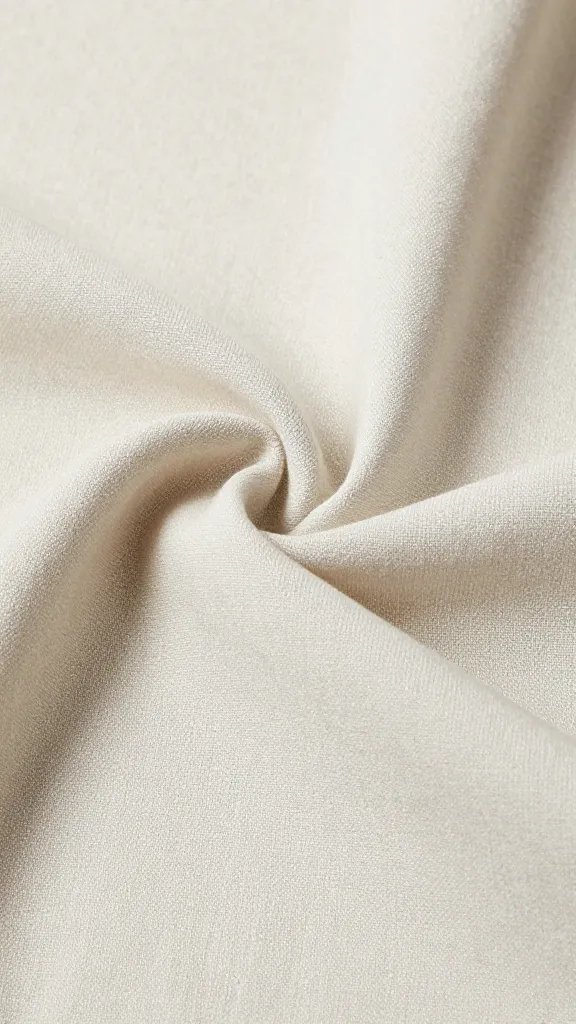
Color-block your layers if you’re using two cloths: a neutral base sized to the table and a slightly smaller accent cloth on top, both folded with matching break lines for a tiered waterfall.
Keep the tabletop simple. Use 2-3 anchors — a tray, a low planter of succulents, and a water pitcher — placed along the centerline. Anchors add both weight and a focal point, which makes the waterfall edges read cleaner in photos.
Action today: Pack one low, heavy centerpiece (a ceramic bowl or planter) and set it first — it locks the cloth before you place lighter items.
Frequently Asked Questions
How much overhang should I leave for the waterfall look?
Target 10-12 inches on the long sides and 12-18 inches on the short ends. That length gives you enough weight and visual line without dragging on the bench or ground. If your cloth is too long, fold a hidden under-hem on top of the table before creating the break line.
Can I do the waterfall fold with a round tablecloth on a rectangular picnic table?
Yes, but keep it controlled. Center the round cloth and let the longest arcs form the waterfalls on the long sides, then soft-tuck excess at the corners underneath. Use two small hidden weights where the arc meets each bench opening to stop flaring.
What’s the best way to keep a vinyl tablecloth from flying up?
Vinyl needs friction and weight. Add a cotton or polyester base cloth underneath for grip, then place non-slip liner strips at the edges. Finish with hidden weights 2-3 inches above the hem to keep the drop tight and straight.
How do I fix wrinkles without an iron at the park?
Mist the cloth lightly with clean water and stretch it taut across the tabletop for 30 seconds. Palm-press along the edges to reset the break line. Sun and tension will relax most creases within 5-10 minutes.
What if my table is very rough or splintery?
Lay a thin moving blanket or an old flat sheet on top first, trimmed to just inside the table edge. This smooths the surface, protects your cloth, and improves the fall. Then apply the main cloth and form your break lines as usual.
How do I keep the corners from looking bulky?
Use the soft tuck: pull the side panel straight down, then lay the end panel over it so the seam points toward the leg. Avoid triangular military folds that stack fabric and ruin the vertical fall. If bulk remains, lift the top layer and shift any hidden weights 2 inches away from the corner.
Conclusion
You don’t need clips or couture linens to get a crisp, photo-ready waterfall drape — just smart sizing, a clean break line, and hidden weight placed a few inches above the hem. Try the palm-press on your dining table tonight, cut a couple of non-slip strips, and set one small centerpiece in your picnic tote. The next time you spread a cloth at the park, you’ll build the look in under three minutes and it will stay elegant until the last plate is packed away.
Leave a Reply