Picnic Etiquette 101: the Essential Rules for Hosting Outdoors Unlocked
· Samantha Jones
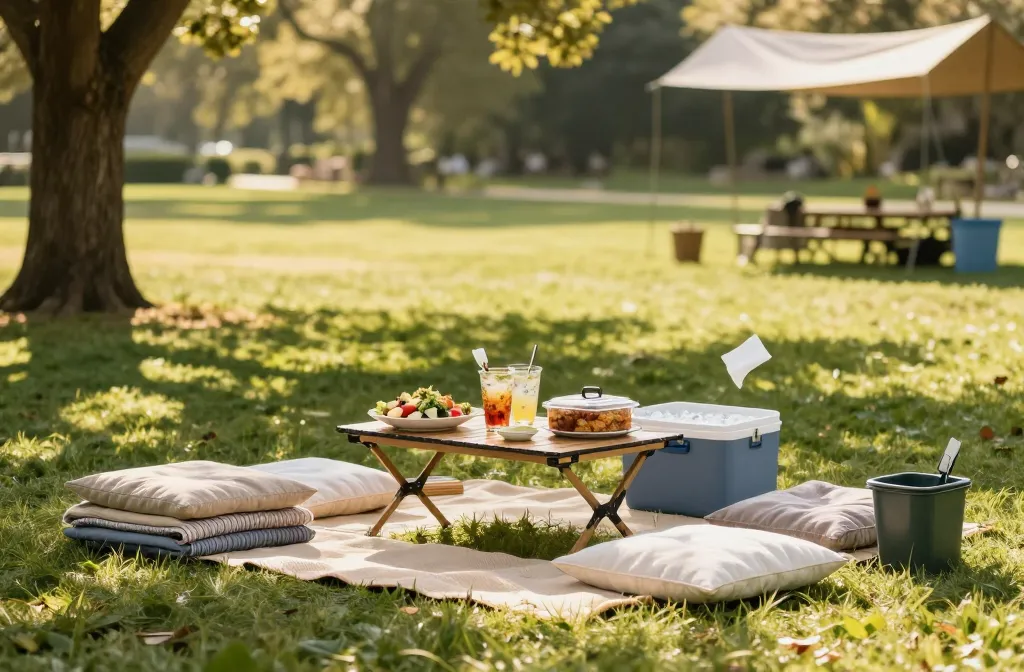
I’ve hosted picnics that felt like a relaxed countryside lunch and others that slid into chaos because I forgot small but crucial details. If you’ve wrangled blankets, buzzing wasps, and lukewarm potato salad, you know the line between charming and stressful is thin. In this guide, I show you the exact hosting habits that keep food safe, people comfortable, and the park cleaner than you found it. You’ll learn what to pack, where to set up, how to serve, and how to leave with every guest saying “let’s do this again.”
Choose a Spot That Serves the Food and the People
Great picnics start before anyone arrives. I scout at the same time of day as the event to check for shade, wind, and crowd levels. I avoid low spots where sprinklers run or where ants trail, and I stand still for a minute to feel the breeze direction so napkins and light plates don’t become kites.
I place blankets on flat ground with a tree or structure behind us to block wind and create a natural “back wall.” If I expect more than six people, I bring one low folding table for food and leave the blanket for sitting only. Elevated food stays cleaner, and traffic flows better.
Action today: Visit your chosen park for five minutes at the event time and pick two backup spots within a 2-minute walk.
Keep Cold Food Cold and Hot Food Hot Without Special Gear
Food safety kills more picnics than rain. I pack cold dishes in a hard-sided cooler with frozen water bottles instead of loose ice. Frozen bottles keep a steadier chill and become drinking water as they thaw. I layer like lasagna: ice packs on the bottom, cold dishes, then a towel, then another ice pack on top to trap cold air.
For warm items, I use an insulated grocery bag lined with a thick towel and pack food in preheated thermal containers. I keep hot foods sealed until serving and finish them within 2 hours max. I mark a small sticky note on the lid with the time it left the oven so I don’t guess later.
Warning Signs Your Setup Isn’t Safe
- Condensation gone and food feels room temp: rotate dishes back into the cooler.
- Mayonnaise or dairy sitting open in the sun: swap to shade and put on ice immediately.
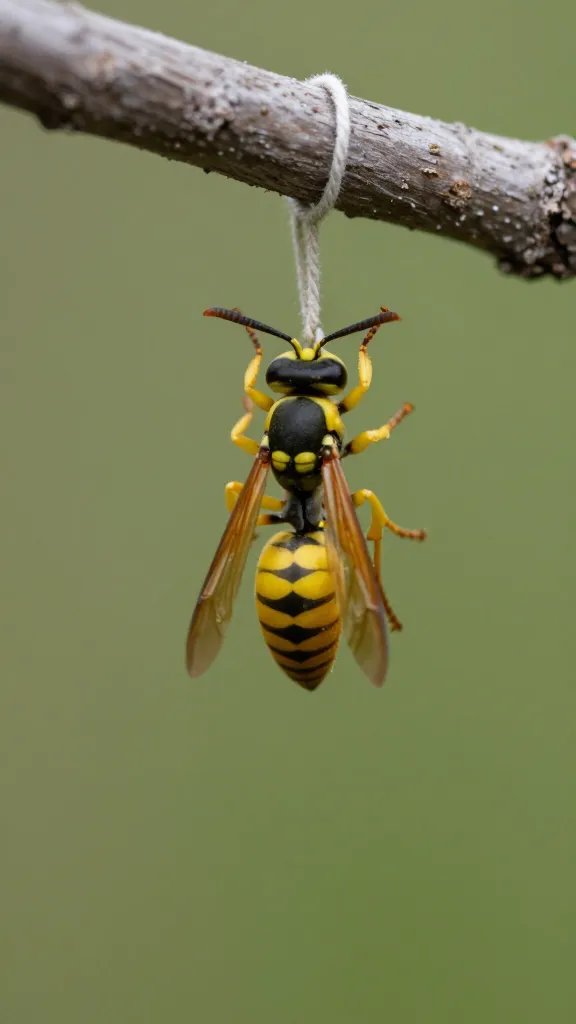
- Fruit attracting bees: keep fruit covered with mesh food tents when not serving.
Takeaway: Pack two coolers: one “pantry” for drinks and snacks that guests open freely, and one “kitchen” for temperature-sensitive food that only you open.
Set a Simple, Sanitary Serving Line
When people serve in a circle on a blanket, elbows knock plates and crumbs land in everything. I set a straight serving line from plates to mains to sides to cutlery and napkins at the end. I place hand wipes at the very first position so clean hands touch the serving spoons.
I dedicate one utensil per dish and keep a backup spoon in a zip bag. I portion salad and sides into two smaller bowls and stage one in the cooler; I swap them halfway through so nothing lingers outside for hours. Bread and chips go in lidded containers or clipped bags between servings.
Action today: Pack a roll of paper towels, a packet of disinfecting wipes, and 10 zip bags—those three items solve 90% of mess and cross-contamination issues.
Make Seating Comfortable Without a Vanload of Gear
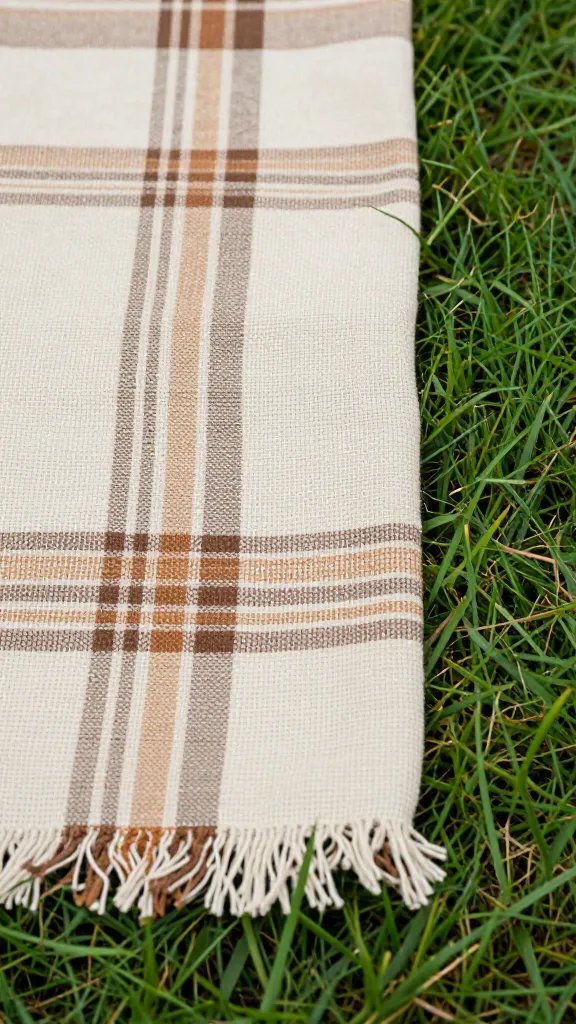
I layer a waterproof picnic blanket on the bottom and a soft throw on top so damp grass never wicks through. I bring two lightweight cushions for older guests or anyone with cranky knees. If the ground slopes, I put kids and low cups higher on the slope and set the drinks crate at the bottom so spills don’t run into the food.
I corral small items in one crate that doubles as a side table. I never scatter personal bags; I make a single “bag zone” behind the seating so people don’t step over straps. Shade first, view second—guests relax when they aren’t squinting or roasting.
Takeaway: Pack one waterproof layer, one comfort layer, and a crate—those three define your “room” and keep the space orderly.
Mindful Noise, Pets, and Shared Spaces
Public spaces work when hosts read the room. I keep music at conversation level and aim the speaker inward toward us, never across the lawn. If I bring a dog, I tether the leash to a ground stake on the opposite side of the food and keep a dedicated water bowl there. I plan a short walk before serving so the dog settles.
Games belong where they won’t slice through others’ blankets. I reserve throwing games for open edges and choose compact games—cards, dominoes—near the food area. I greet neighbors within 10 feet of our spot; a friendly hello makes any later request (like “mind the frisbee arc?”) easy and polite.
Action today: Add a trash bag, a recycling bag, and a small dog waste bag roll to your kit and tie them to your crate so everyone knows where to toss things.
Labeling, Allergens, and Fair Portions
Guessing ingredients is stressful. I stick painter’s tape on each dish with three notes: name, key allergens, and “veg/vegan/gluten-free” if relevant. If I serve nut dishes, I keep them at the far end with a separate serving spoon and never stack them above other foods.
For fair portions, I pre-cut mains and set a “one each to start” note for popular items. I keep backup snacks—carrot sticks, crackers, extra fruit—in sealed containers. I announce refills once everyone’s eaten, which prevents the first five people from taking half the food.
Takeaway: Pack a roll of painter’s tape and a marker; label each dish in 10 seconds and remove guesswork for guests with dietary needs.
Clean As You Go and Leave No Trace
Trash spreads fast outdoors. I line two bags before we serve and clip them to the crate so they don’t blow away. I keep a small “compostables” container with a tight lid for food scraps if the park has compost bins; if not, it all goes home with me.
After eating, I run a 3-minute sweep: collect cups, shake blankets downwind and away from others, and check for toothpicks or twist ties. I pour leftover ice melt under a tree base or onto gravel, not grass, to avoid soggy patches where people sit later.
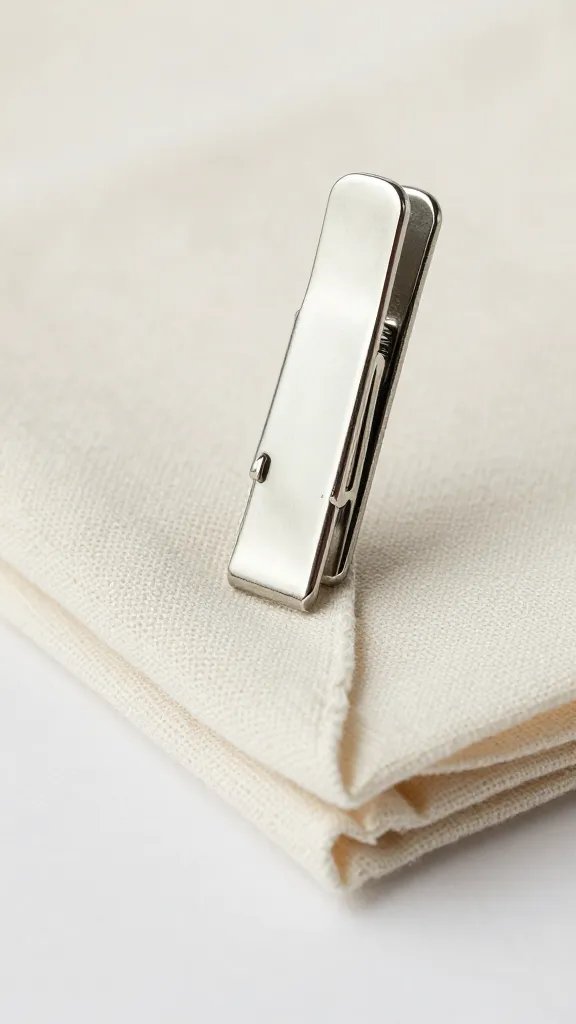
Action today: Add a few binder clips to your kit—use them to secure bag liners, clamp tablecloth corners, and pin napkins in a stack.
Frequently Asked Questions
How early should I arrive to claim a good picnic spot?
Arrive 30–45 minutes before your guests, especially on weekends. This gives you time to choose shade, check wind, and set up the serving line without rushing. If the park is popular, send one person ahead to hold the spot while another brings supplies.
What’s the simplest picnic menu that still feels special?
I use one handheld main, two sides, and one fruit or sweet. Example: baguette sandwiches, a crunchy slaw, a bean salad, and strawberries. Pre-wrap mains in parchment, pack sides in two smaller bowls each, and bring mustard/mayo packets instead of jars.
How do I keep bugs away from the food without sprays?
Use mesh food tents and keep lids on between servings. Place a small bowl of sliced lemons with whole cloves stuck in them near sweet dishes; it discourages flies. Keep trash sealed and move fruit peels straight into a tied bag.
What if it’s windy and everything wants to fly away?
Switch to heavier serving pieces and clip the tablecloth on all corners with binder clips. Keep napkins in a lidded container or a zip bag and issue them one-per-plate. Position blankets with the wind at your back and store empty wrappers immediately.
How do I politely handle a guest who brings a dish with allergens?
Thank them and place the dish at a separate end with its own utensil. Label it clearly and mention to the group that allergen dishes are staged separately. If a severe allergy exists, keep the dish sealed when not serving and communicate directly with the affected guest.
What’s the best way to transport drinks without carrying a heavy cooler?
Freeze half your water bottles the night before and mix them with room-temperature bottles in a soft cooler. Add a few canned drinks and wedge them between frozen bottles for even cooling. Bring one small bag of ice for cups and top-ups at the destination.
Conclusion
You now have a blueprint that covers the parts of picnicking that actually make or break the day: the site, the serving flow, temperature control, and shared-space manners. Pick a park, set a 30-minute setup window, and pack the three anchors—waterproof blanket, labeled dishes, clipped trash bags. Host once with this checklist, and the next invite writes itself.
Leave a Reply