How to Sit Elegantly on a Picnic Blanket: Tips for Men and Women Secrets
· Yasmine Taljaard
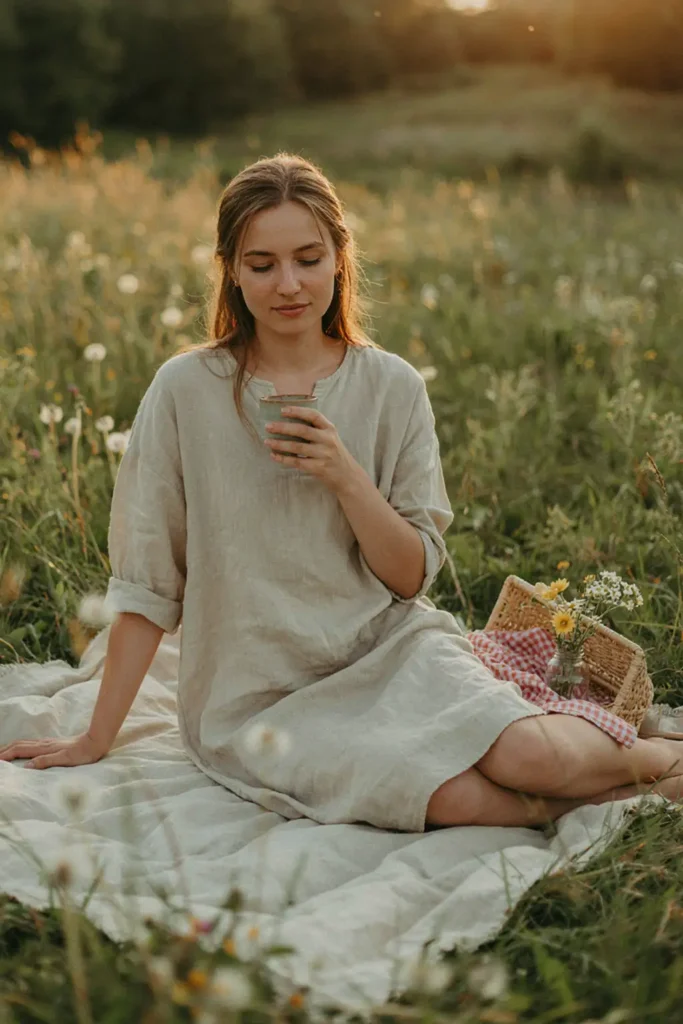
I learned to sit well outdoors the hard way: knees numb, shirt creased, and grass stains I couldn’t explain. If you’ve ever fidgeted on a blanket, unsure where to put your legs or how to keep your outfit tidy, I’ve been right there with you. In this guide, I’ll show you how to sit elegantly on a picnic blanket, comfortably, stain-free, and photograph-ready. You’ll learn practical positions for men and women, smart clothing choices, and simple etiquette that makes you look composed without trying.
Why Elegance Starts Before You Sit: Blanket, Ground, and Setup
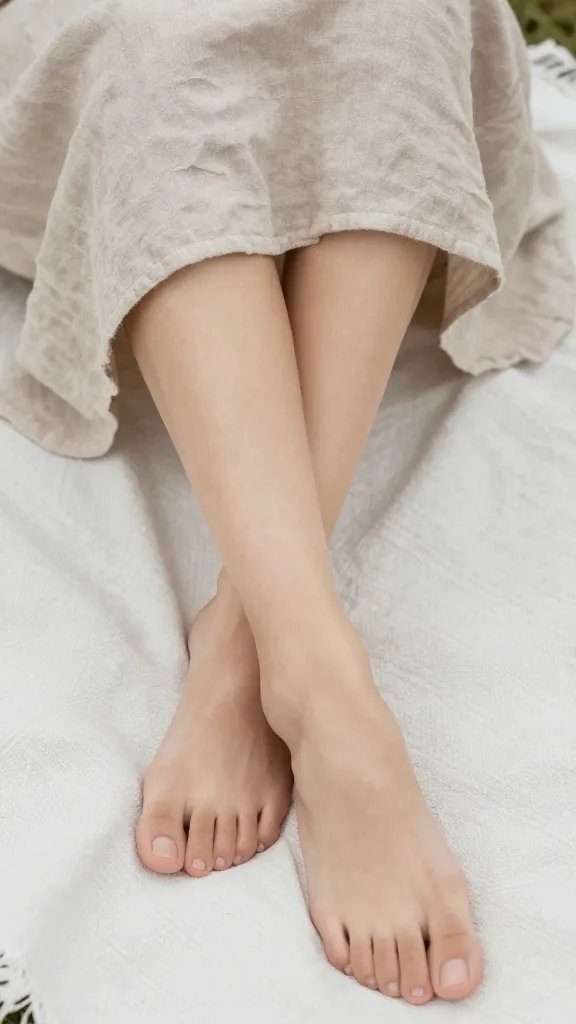
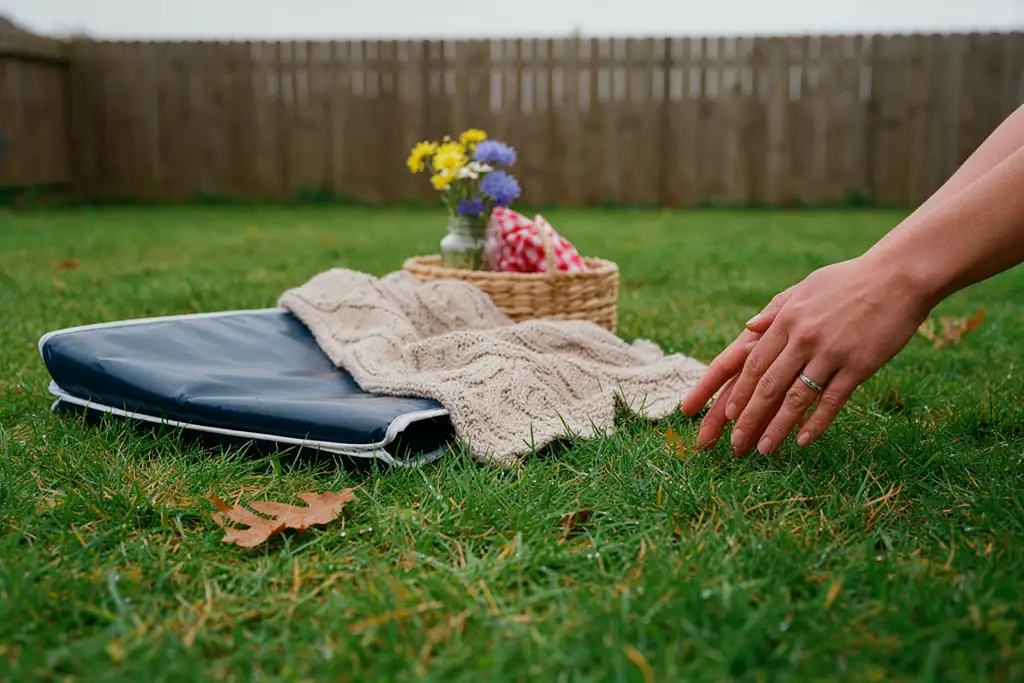
Elegance on a picnic blanket starts with smart ground prep: choose level, dry terrain and layer a moisture barrier before you sit. A stable, dry base keeps clothes clean and posture steady from the first minute to the last.
Elegance outdoors begins with a stable base. I always choose level ground, firm grass or hard-packed soil, so I don’t sink or tilt. A thin layer of moisture will travel straight into light fabrics, so I run my hand over the spot and check for dampness before setting anything down.
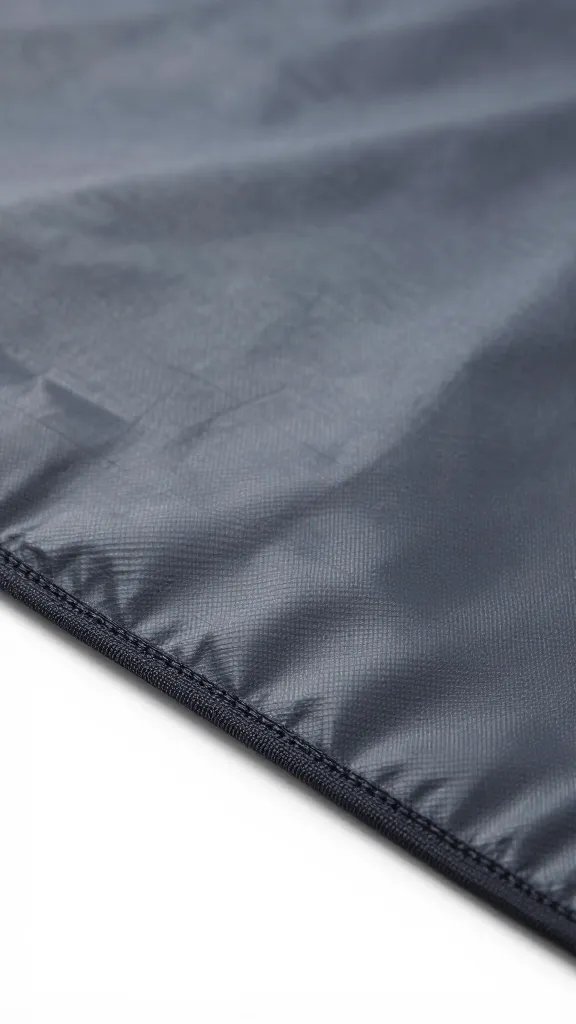
Layer your foundation. I carry a lightweight waterproof layer (a foldable picnic mat or even a trash bag flattened under the blanket) to block damp. Then I lay a medium-weight blanket with some texture so it grips and doesn’t bunch when I shift.
Leave space for legs. I place bags and food off to a back corner so I can extend or fold my legs without crabbing around plates. I align the blanket edges square to a visual line (path, tree line) so photos look intentional.
Action today: Pack a thin waterproof sheet and place it under your blanket every time. You’ll sit drier, longer, and keep clothes clean.
Posture That Looks Good in Photos and Feels Good After 30 Minutes
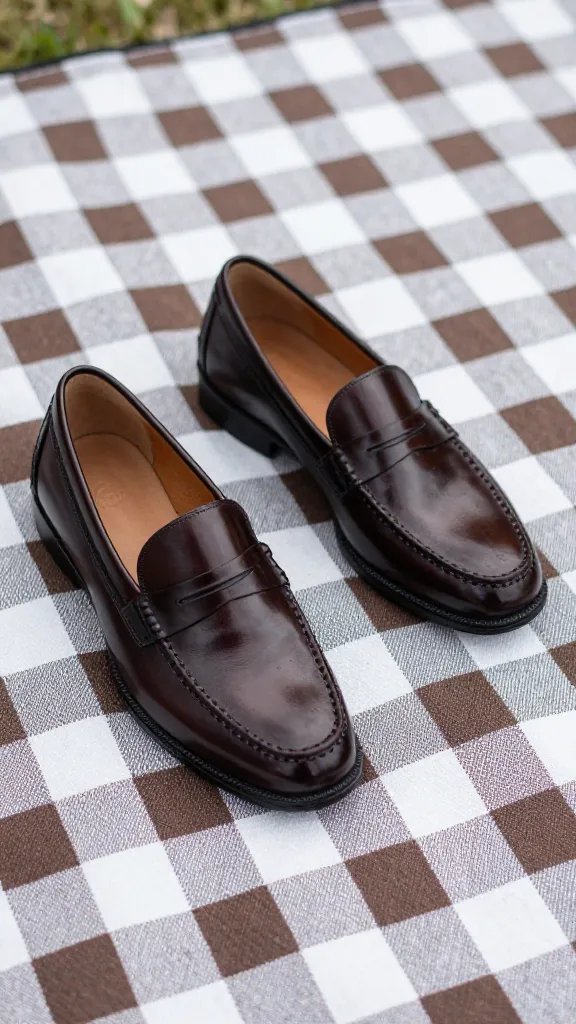
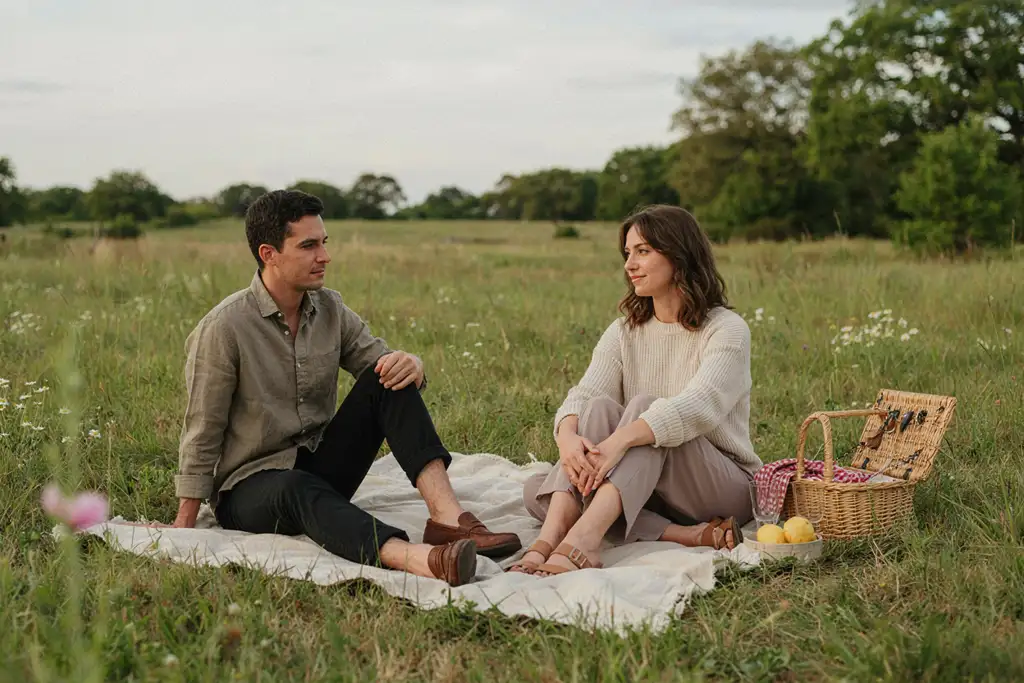
Good picnic posture means stacking your ribs over your hips and growing tall from the sit bones, not the shoulders. A slight torso angle and relaxed hands make you look composed in photos without stiffness.
I sit tall from the hips, not the shoulders. I imagine a string lifting the crown of my head and gently tuck my chin so the neck looks long. I keep ribs stacked over hips so my lower back doesn’t collapse. Keeping the spine in neutral alignment reduces lower-back strain during prolonged sitting [SERP].
Hands control the look. I rest one hand lightly on the blanket beside my hip and the other on a knee or ankle. Soft wrists and spread fingers read relaxed; clenched fists read tense. [SERP]
Angles matter. I turn my torso 10–30 degrees off the camera or the group’s focal point. Straight-on is harsh; a slight angle narrows the profile and reads elegant. Research on portrait composition confirms that a 15- to 30-degree body angle produces a slimmer, more natural silhouette in seated photographs [SERP].
Action today: Practice rising two inches taller through your spine each time you exhale. Posture fixes itself without stiffness.
Leg Positions for Women: Polished, Comfortable, and Practical
The three go-to positions for women on a picnic blanket are the Tuck, Figure-Four Fold, and Long Line. Each protects hems, keeps lines clean, and lets you switch every 20 minutes to stay comfortable.
I rotate between three positions to avoid stiffness and wardrobe mishaps. Each one protects hems and keeps lines clean.
The Tuck (Side-Saddle)
- Knees together, shins folded to one side, ankles stacked or slightly staggered.
- Hips angled 20–40 degrees, spine tall, one hand on the blanket for balance.
- Best with skirts or dresses. Keeps fabric draped and cameras above waist level safe.
The Figure-Four Fold
- Knees bent in front, one ankle tucked near the opposite hip, the other leg folded in.
- Shin bones make a soft diamond; sit on a folded corner of the blanket for cushion.
- Good for trousers or midi skirts, elegant without pinching the knees.
The Long Line
- Legs extended to one side, knees soft, ankles together or crossed at the calves.
- Lean slightly on the hand closest to your feet; other hand rests near knees.
- Great for photos; avoid on slippery blankets without texture.
Which Sitting Position Works Best for Your Situation
| Situation | Best Position | Why It Works |
|---|---|---|
| Women, skirts or dresses | Tuck (Side-Saddle) | Keeps knees together, fabric draped, and hemline protected from grass |
| Women, trousers or midi skirts | Figure-Four Fold | Comfortable cross-leg variation that avoids knee pinch and reads polished |
| Women, photo-heavy events | Long Line | Elongates the silhouette and photographs well from any angle |
| Men, casual gatherings | Supported Cross-Leg | Relaxed and stable with hip elevation for back support |
| Men, eating and passing food | Staggered Sit | Stable base that keeps you contained within your space |
| Men, quick stand-up needed | One-Knee Up | Planted foot gives leverage for a smooth, single-motion rise |
| Older guests or limited mobility | Staggered Sit or Supported Cross-Leg | Easier to rise from; hip elevation reduces lower-back compression [SERP] |
| Younger guests, casual vibe | Cross-Leg or Figure-Four | Relaxed and social; easy to shift and lean into conversation |
| Formal picnic or styled event | Tuck or Long Line | Clean lines and controlled silhouette match the occasion’s polish |
| Family picnic with kids | Staggered Sit or One-Knee Up | Lets you stand quickly to assist children without scrambling |
| Social gathering, group photos | Long Line or Figure-Four | Reads well in group shots and keeps you within your space boundary |
Action today: Choose one primary position (Tuck, Figure-Four, or Long Line) and switch every 20 minutes to prevent numbness.
Leg Positions for Men: Relaxed Shape Without the Sprawl
Men look best on a picnic blanket with grounded, contained positions that avoid over-spreading. Elevating hips with a folded jacket stacks the spine naturally and keeps the silhouette relaxed, not slumped.
I look for grounded stances that avoid over-spreading while keeping knees comfortable. These three cover most situations.
The Supported Cross-Leg
- Cross legs comfortably with ankles below knees; don’t force a tight lotus.
- Sit on a folded sweater to raise hips one to two inches. Instant back relief. Raising the hips above the knees reduces disc pressure in the lumbar spine [SERP].
- Hands on ankles or shins; elbows pointed slightly in to reduce width.
The One-Knee Up
- One leg bent with the foot planted; the other leg folded or extended alongside.
- Forearm rests on the raised knee. Casual, contained, easy to stand from.
- Angle the planted foot 15 degrees outward to open the hip. [SERP]
The Staggered Sit
- Both knees bent, one heel near your seat, the other foot slightly forward.
- Torso angled toward the forward knee; hands light on the blanket.
- Stable for eating and passing food without encroaching on neighbors.
Action today: Elevate your hips with a folded jacket before you sit. Your spine stacks naturally and you’ll look relaxed, not slumped.
Outfit Choices That Survive Grass, Wind, and Sitting
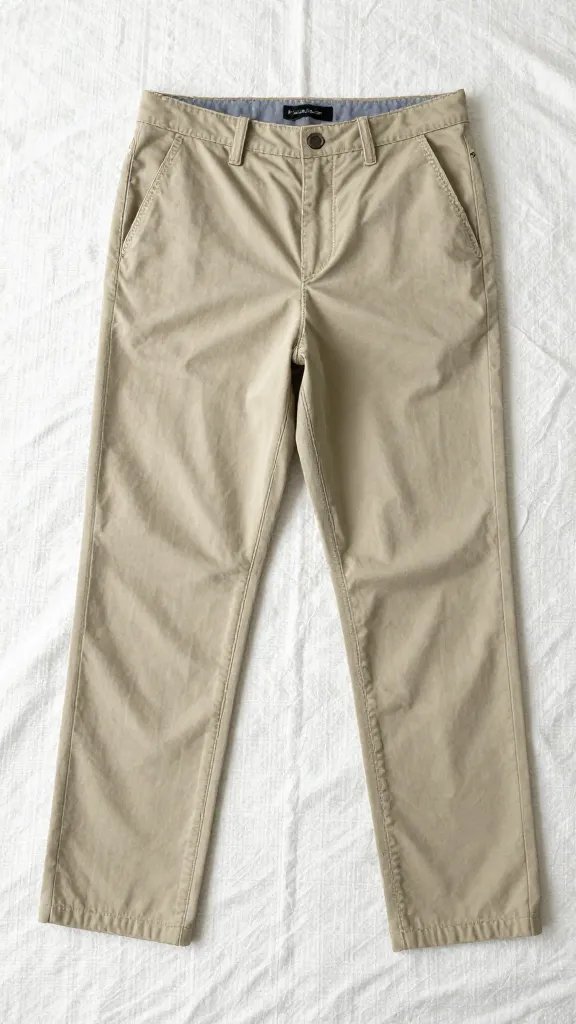
Textured, medium-weight fabrics in mid-tones hide creases and grass stains far better than smooth, light-colored materials. Plan your outfit to drape well when seated, not just when standing.
I plan clothes to drape when seated and to hide pressure marks. Smooth fabrics show every crease; textured weaves hide them. Fabric weight and weave texture directly affect how visible creases and moisture marks become under pressure [SERP].
- Fabrics: Choose medium-weight cotton blends, linen-cotton, or knits with a bit of stretch. Avoid slick satin that slides and shows sweat marks.
- Colors: Mid-tones and patterns disguise grass stains better than bright whites or pale pastels.
- Skirts/Dresses: Go knee to midi length with a lining or slip. Bring a light scarf to tuck under thighs on damp grass.
- Trousers/Shorts: Straight or tapered legs that won’t bunch. Dark chinos or structured shorts hold shape.
- Tops: Collars and structured tees read polished when seated. Avoid deep backless cuts if you plan to lean.
- Shoes: Loafers, ballet flats, or low sandals that slip off quietly. Spiked heels sink and throw posture off. [SERP]
Action today: Pack a thin scarf or bandana. Use it as a discreet barrier under light fabrics or as a quick lap cover when you shift.
Hands, Props, and Food: What to Do So You Don’t Fidget
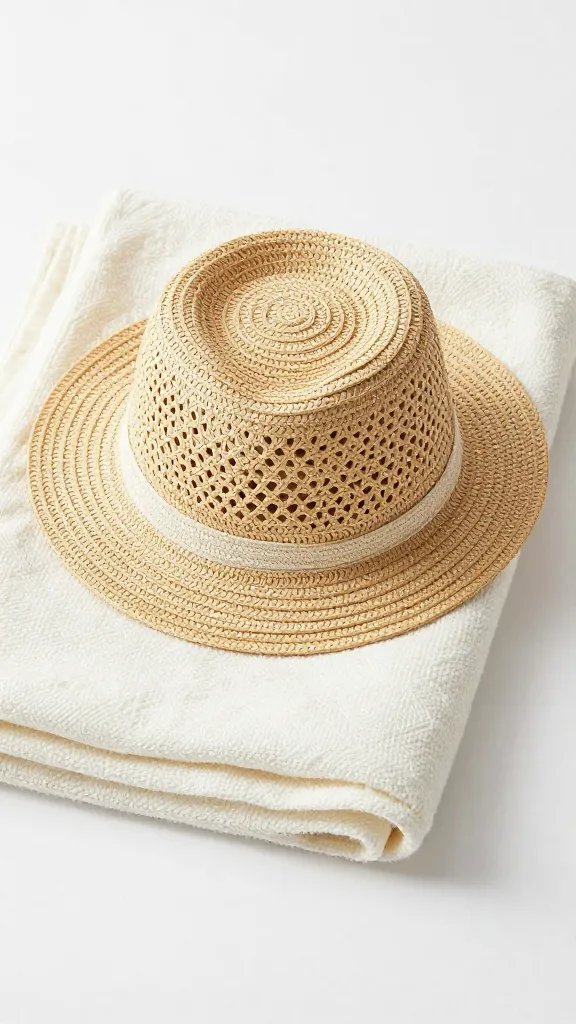
Give your hands a job and your posture follows: hold a cup with purpose, park a cloth napkin on your lap, and pivot from the hips when passing food. A cloth napkin outperforms paper every time; see our 10 napkin folding techniques for folds that stay neat outdoors.
Elegant sitting is half posture, half occupation. If you don’t know what to do with your hands, you’ll fuss with clothes.
- Props: Hold a cup with the base resting on your palm and fingers gently around. When not drinking, set it to your non-dominant side, just behind your hip.
- Napkin Strategy: Keep a cloth napkin half-folded on your lap; lift one corner to dab, then refold. Paper crumples and looks messy fast. A well-chosen fold can double as a lap barrier and a style accent (see our napkin folding guide).
- Passing Food: Pivot at the hips, not the shoulders. Slide platters along the blanket rather than reaching across knees.
- Phone: Tuck it under the back corner of the blanket to avoid bulges and distractions.
Action today: Decide your “parking spot” for cup and plate before you sit, left or right, always the same, so movements look intentional.
Graceful Transitions: Getting Down and Up Without Scramble
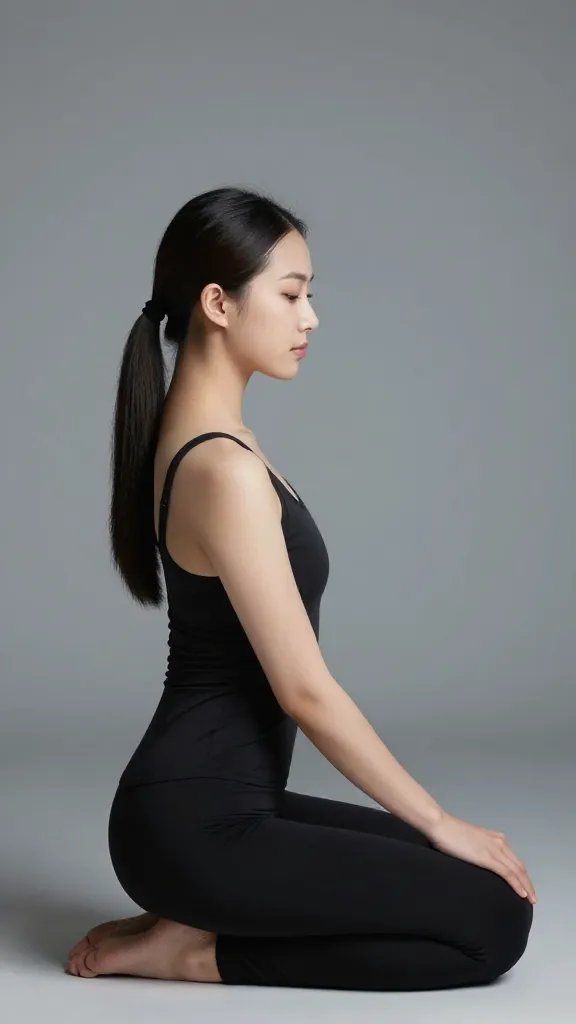
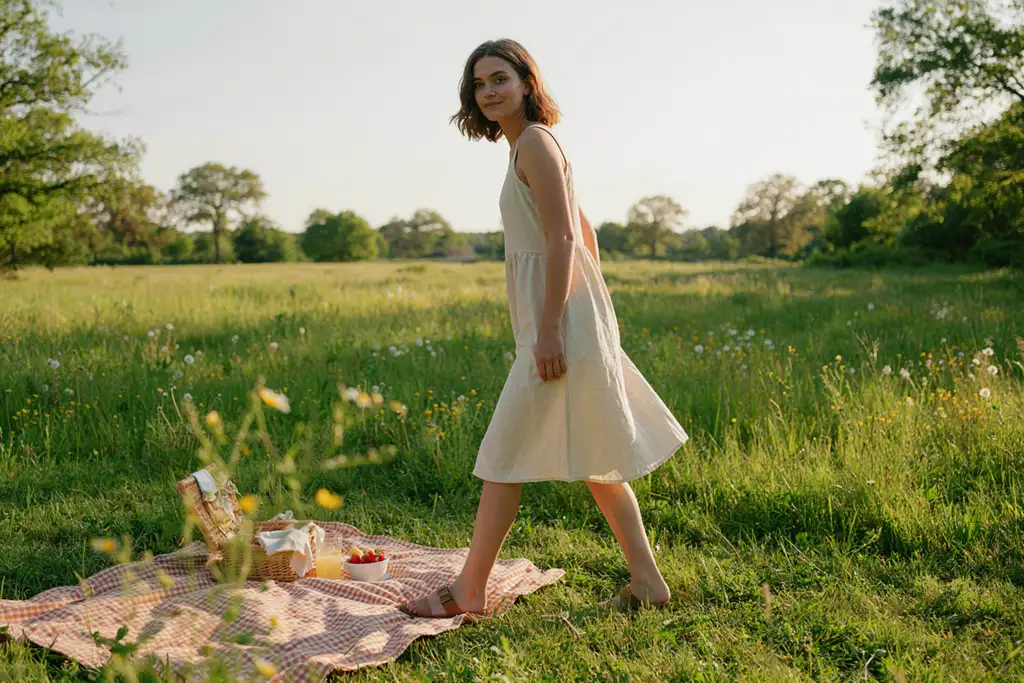
Plan your route down and up before you move: angle your hips, lower slowly, and press up in one fluid motion from a planted foot. The sequence matters more than strength, and practicing once at home makes it automatic.
I plan my route down and up to keep clothes aligned and movements calm. The sequence matters more than strength. Biomechanics research shows that rising from the ground with a planted foot and forward lean reduces knee and hip load significantly [SERP].
Step-by-Step: Sitting Down Elegantly
- Stand at the blanket’s edge, angle your hips 30 degrees to your chosen leg position.
- Place one hand on the blanket behind you and lower your hips slowly, keeping your spine tall.
- Slide feet into position; smooth your hem or trouser crease with one pass of your free hand.
- Set your cup/plate in its “parking spot,” then relax shoulders.
Step-by-Step: Standing Up Smoothly
- Plant one hand behind your hip and the opposite foot in front for leverage.
- Lean slightly forward from the hips, keep chin level, and press up in one continuous motion. [SERP]
- Sweep the back of your clothes once with your hand to reset fabric.
Action today: Practice the stand-up sequence once at home on a towel. One fluid press beats three small shuffles every time.
Etiquette and Space: Looking Elegant in a Group
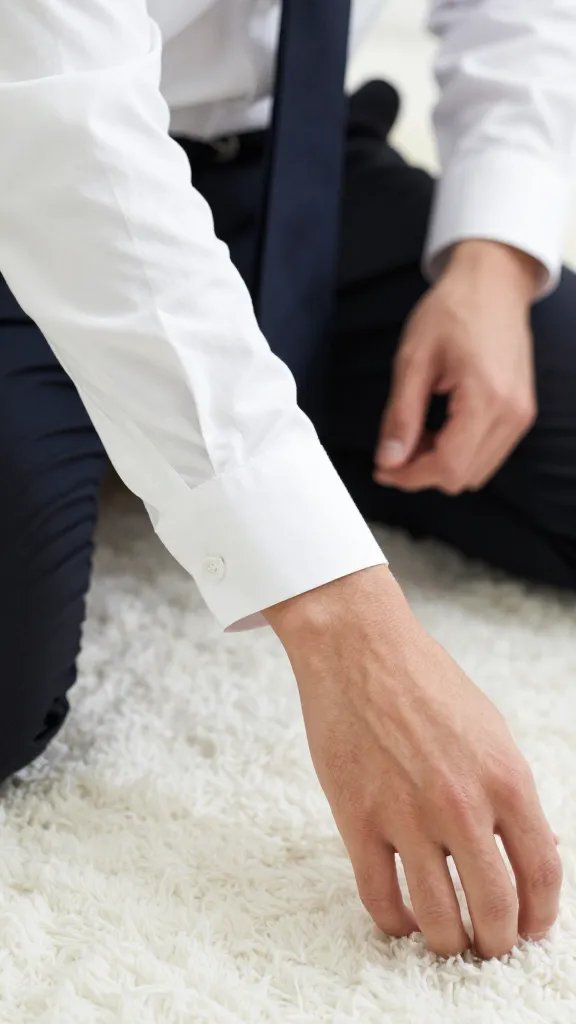
Group elegance comes down to spatial awareness: respect a hand-width border between your knee line and the next person’s plate zone. Announce shifts before you move, and angle your torso toward the conversation, not away from it.
Match Your Position to the Occasion
| Occasion | Best Position | Avoid | Tip |
|---|---|---|---|
| Casual park picnic | Cross-leg or staggered sit | Over-sprawling | Keep shoes on for easy repositioning |
| Beach picnic | Long Line or staggered sit | Cross-leg (sand gets in) | Sit on a doubled towel for insulation |
| Wine-and-cheese gathering | Tuck or one-knee up | Cross-leg (too casual) | Keep your wine glass on the non-leaning side |
| Family outing with kids | One-knee up or staggered sit | Long Line (hard to rise fast) | Stay at the blanket edge for quick access |
| Outdoor wedding or styled shoot | Tuck or Long Line | Any sprawled position | Angle 30 degrees to the camera at all times |
| Buffet-style garden party | Staggered sit | Long Line (blocks foot traffic) | Face the serving direction for easy plate refills |
| Plated dinner on the lawn | Tuck or one-knee up | Cross-leg (plate balance is awkward) | Lay your textile layers with enough texture to grip plates |
Elegance reads as consideration. I leave a hand-width of space between my knee line and the next person’s plate zone. I avoid pointing knees directly at someone unless we’re in conversation. Outdoor dining etiquette guides consistently rank spatial awareness as the top factor in perceived grace [SERP].
I keep movements small when people are eating. When I need to shift, I announce it lightly (“I’m going to scoot back a touch”) so neighbors guard their cups and nothing tips.
Photos happen. I align my torso to the camera, soften my jaw, and rest my tongue on the roof of my mouth to relax the face. I reset posture on the exhale, not the inhale, so shoulders drop. [SERP]
Action today: Before you settle, mark your knee line and plate zone mentally. Respect those borders and everyone looks composed.
Frequently Asked Questions
How do I keep my outfit clean when the grass is damp?
Lay a waterproof layer under the blanket. Use a foldable picnic mat or a large trash bag flattened edge to edge. Sit on a doubled corner of the blanket for extra insulation under hips and thighs. Keep a cloth napkin on your lap and a spare tucked under the blanket edge for quick swaps. If a damp patch appears, rotate your body 90 degrees and reset your leg position.
What’s the best way to sit in a dress without flashing?
Use the Tuck (side-saddle) position with knees together and shins to one side. Before you lower, pinch the back hem with one hand to guide fabric under you, then smooth the front once seated. Keep a lightweight scarf handy as a lap layer in breezy conditions. Angle your torso slightly off-camera for photos to keep lines neat.
I get pins and needles after 10 minutes. What should I change?
Elevate your hips by one to two inches with a folded sweater or jacket to reduce pressure on the lower back and hips. Switch positions every 20 minutes. Rotate among cross-leg, one-knee-up, and staggered sits. Keep weight spread across sit bones, not the tailbone. Hydrate and flex ankles every few minutes to improve circulation.
How can I look relaxed without slouching?
Grow tall from the hips and think “soft ribs,” not “chest up.” Keep shoulders down and slightly back, with hands resting lightly on the blanket or a knee. Angle your body 10–30 degrees off the main focal point and breathe out slowly before a photo. A small prop (a cup or a folded napkin) gives your hands a natural home.
What should I wear to avoid awkward creases?
Pick medium-weight fabrics with a bit of structure: cotton twill, linen blends, or knit ponte. Avoid high-sheen materials that show fold lines. Mid-tone colors and light patterns hide pressure marks and grass stains. If you must wear light colors, bring a scarf or thin cloth to place under your seat area.
What is the most graceful way to sit on the ground?
The side-saddle tuck (knees together, shins folded to one side) is widely considered the most graceful ground-sitting position. It keeps the legs aligned, the spine tall, and the hemline controlled. For variety, alternate with the figure-four fold or the long line to prevent stiffness. Each position offers a different visual profile while maintaining composure. Floor-sitting in varied positions supports hip mobility and core engagement [SERP].
How do you get up from a picnic blanket without looking awkward?
Place one foot flat on the ground with the knee bent, lean your torso slightly forward from the hips, and press up through the planted foot in one continuous motion. Keep your chin level and avoid using both hands to push off the ground. The key is a single fluid rise rather than a multi-step scramble. Rising with a bent knee reduces load on the knee joint compared to straightening from a cross-legged position [SERP]. Practice the sequence at home on a towel until it feels natural.
How can I prevent my skirt or dress from riding up when sitting on grass?
Before sitting, pinch the back hem of your skirt between your knees to guide the fabric under you. Once seated, smooth the front down with one pass of your hand. A lightweight scarf placed under the thighs acts as a barrier and keeps fabric from shifting. Sitting side-saddle with knees together is the most reliable position for keeping a hemline in place on uneven ground.
Is it better to sit cross-legged or with legs to the side at a formal picnic?
With legs to the side (side-saddle or long line) reads more polished at a formal picnic. The position maintains a clean line from hip to ankle and photographs well from any angle. Cross-legged sitting works for casual settings but can look too relaxed when the event calls for a dressier tone. If you are wearing a structured outfit or the host has set a dress code, favor the tuck or long line position.
What posture mistakes make sitting on a blanket look ungraceful?
The most common mistakes are rounding the shoulders forward, collapsing the lower back, and letting the hands dangle or clench. Pointing your feet directly at another guest is a frequent etiquette misstep. Sitting too far back on the tailbone instead of the sit bones creates a slouched silhouette. Leaning heavily on one arm for long periods also reads as tense. Correcting these alignment errors reduces visible strain and improves the seated profile [SERP]. Fix most of them by growing tall from the hips and giving your hands a deliberate resting spot.
Should you take your shoes off on a picnic blanket?
Yes, if you are staying seated. Slipping off shoes keeps the blanket clean and lets your feet rest in a natural position. Put shoes back on when walking to the food table or restroom. Choose flat, flexible shoes like loafers or ballet flats that slide on and off without bending. Avoid heels that sink into soft ground and destabilize your posture when you stand. [SERP]
What is the mermaid sitting position?
The mermaid sit places both legs folded together to one side, with ankles stacked or crossed at the calves and knees softly bent. The torso stays upright or leans slightly on the hand nearest the feet. It is a variation of the long line and is considered one of the most elegant positions for photos and skirts. The position can fatigue the outer hip after 15 to 20 minutes, so alternate with the tuck or figure-four fold to stay comfortable. [SERP]
Conclusion
You don’t need perfect posture or a fancy outfit to look elegant on a picnic blanket—just a stable base, a reliable sitting position, and small, intentional movements. Choose your setup and one go-to posture now, then practice the stand-up sequence once before your next outing. The next logical step: assemble a tiny “picnic polish” kit—waterproof layer, cloth napkin, and a light scarf—and stash it with your blanket so you’re ready any sunny day. When comfort is handled, elegance happens on its own. For more on hosting with polish, see our guides on <a href="picnic etiquette rules“>picnic etiquette rules and tablecloth and textile combinations.
Leave a Reply