Smart Etiquette for Picnic Dogs: When to Keep Your Pet on a Leash
· Yasmine Taljaard
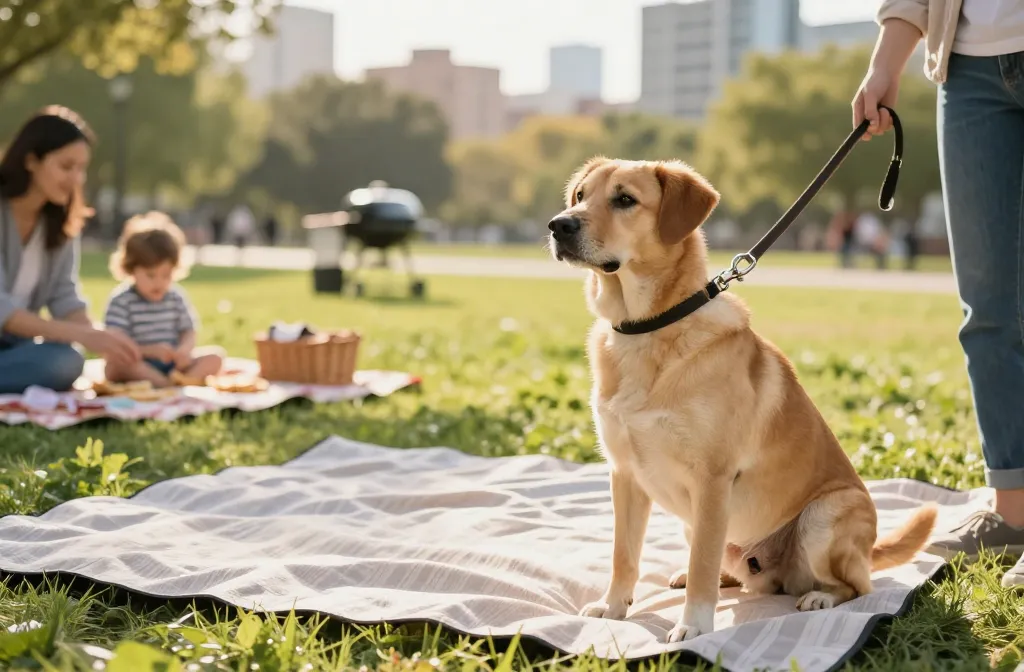
I’ve hosted more than a few park picnics where the food looked great but the dog dynamics didn’t. Blankets too close together, toddlers with crackers, and a friendly dog who “just wants to say hi” can turn tense fast. I learned to read the park like a map: where leashes stay on, where sniff breaks are safe, and when to pack up. In this guide, I’ll show you exactly when to leash, how to judge a setting in 60 seconds, and simple rules that keep everyone comfortable — including your dog.
Understand the Setting Before You Unclip
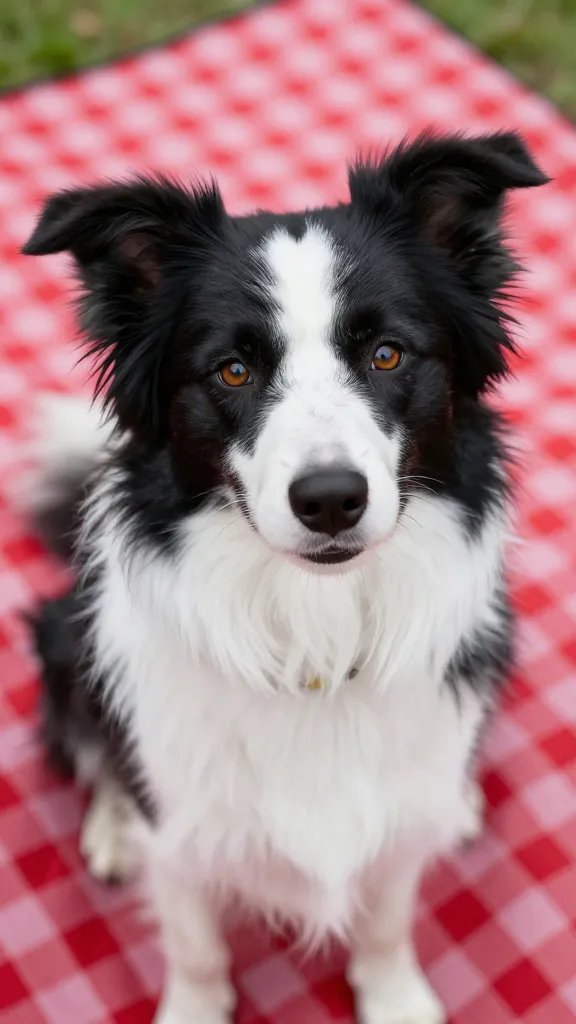
Location sets the rules. City parks often require leashes by law outside marked off-leash areas, and shared spaces like picnic lawns, playground edges, and sports fields demand more control than a quiet corner. If you see posted rules, treat them as non-negotiable.
Read the crowd. A cluster of blankets, food out on low tables, and kids running mean high temptation and low tolerance for roaming dogs. Wide, open corners with fewer people and clear sightlines give you more options to practice off-leash manners, but only if it’s allowed.
Action today: Before you sit down, walk a slow 1-minute loop around your spot and count: how many blankets within 20 steps, how many kids, and any wildlife or grills. If you count more than three blankets or any active grill/kid zone nearby, keep the leash on.
Know Your Dog’s Picnic Profile
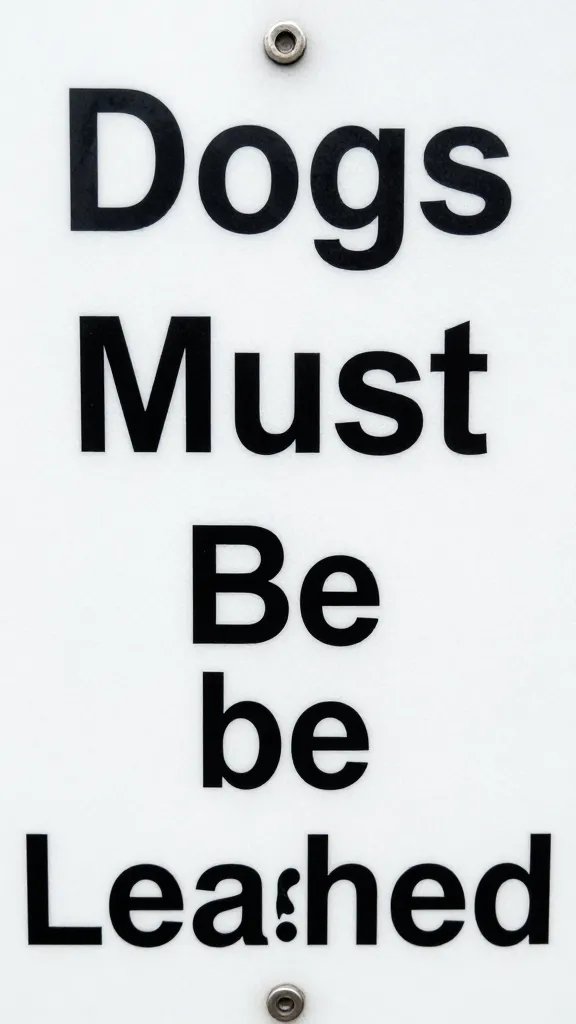
Not every well-behaved dog thrives at a picnic. If your dog is a food scavenger, a greeter who rushes, or noise-reactive to scooters and balls, a leash protects them from making mistakes. Off-leash reliability at home or on trails doesn’t transfer to picnic chaos.
Test your control cues where you sit. Ask for a 10-second settle on a mat, a leave it with dropped crackers, and a 15-foot recall on a long line. If any cue fails twice, your dog isn’t ready to be loose around food and children.
Action today: Pack a simple kit: a 6-foot leash, a 15–20 foot long line, a lightweight ground stake or your table leg as an anchor, a non-slip mat, and high-value treats. That setup turns any spot into a controllable training zone.
When Leash-On Is Non-Negotiable
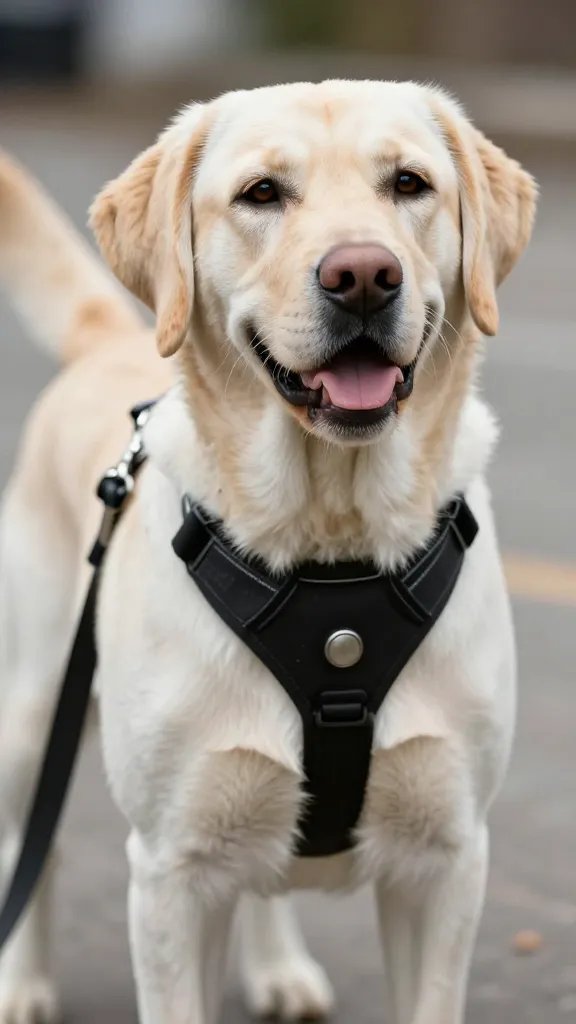
Use a hard rule so you never gamble. Keep your dog leashed when you see any of these: food within 6 feet of the ground, wildlife like ducks or squirrels nearby, kids under 10 in any direction, grills or hot pans, crowded blankets inside a 30-foot radius, or on-leash dogs approaching. If others chose leashes, mirror it.
Leash also stays on during arrivals, unpacking, and cleanup. These are the moments your attention splits and your dog learns bad habits, like snatching food or wandering to other blankets.
Action today: Set a clear rule for your household: “Leash stays on unless we have 30 feet of space in all directions, legal off-leash permission, and reliable recall proven on that day.” Write it on your picnic checklist.
How to Create a Calm “Home Base” on the Blanket

Dogs relax when the setup makes sense. Define a dog zone on one edge of the blanket, never in the traffic lane to and from the cooler. Clip the leash to a stable anchor and give your dog a non-slip mat so they know where to settle.
Layer in predictability. Offer a chew like a bully stick or stuffed lick mat during people-eating time, set a bowl of water within paw’s reach, and position your dog so they face away from traffic. A settled dog won’t feel the need to patrol.
Step-by-Step: Two-Minute Settle Routine
- Anchor leash to a table leg, ground stake, or your waist via a hands-free belt.
- Place your dog’s mat at the blanket edge and cue “down.”
- Feed five pea-sized treats in place, 2 seconds apart.
- Hand your chew. If they pop up, pause the chew and reset the down, then return the chew.
- Release after two minutes to sniff on leash for 30 seconds, then return.
Action today: Practice the two-minute settle at home tonight during your dinner — same mat, same cues. Repeat three meals in a row so it sticks at the park.
Polite Introductions and Boundaries With Other Picnickers
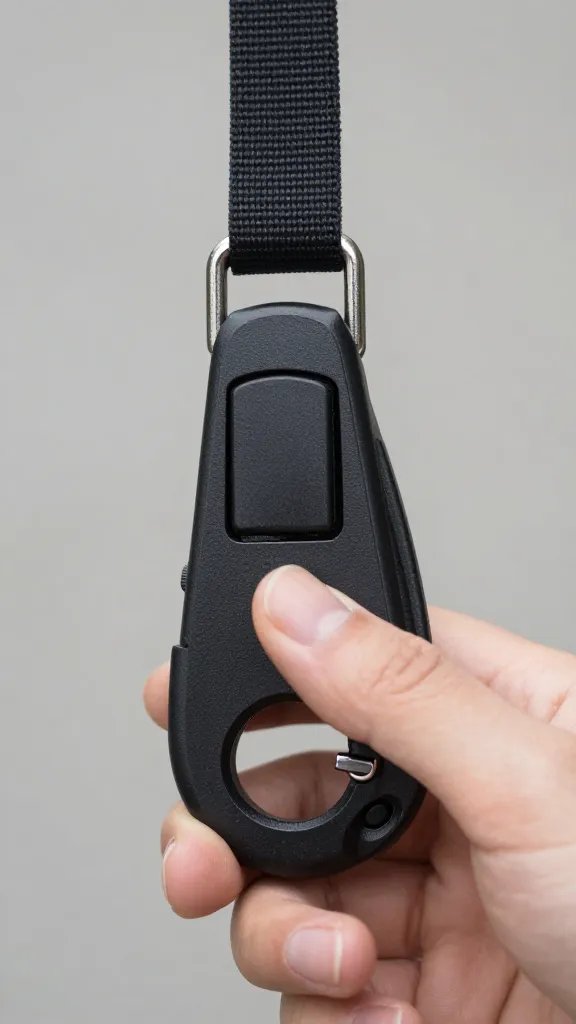
Assume consent is required. You don’t let your dog visit another blanket or dog without a clear “yes.” Ask from a distance: “Is a hello okay?” If you hear “not today,” thank them and move on. That single habit prevents almost every awkward moment.
Teach your dog a go-say-hi protocol on leash: approach to within two steps, pause, get a sit, and release for a 3-second sniff before calling back for a treat. End before the energy spikes. For children, you handle the leash, you set the sit, and you manage hand placement low and still.
Action today: Practice 3-second hellos on your next walk: sit, brief sniff, call back, reward. Do five reps total, then quit while your dog still wants more.
When (And How) to Give Off-Leash Freedom
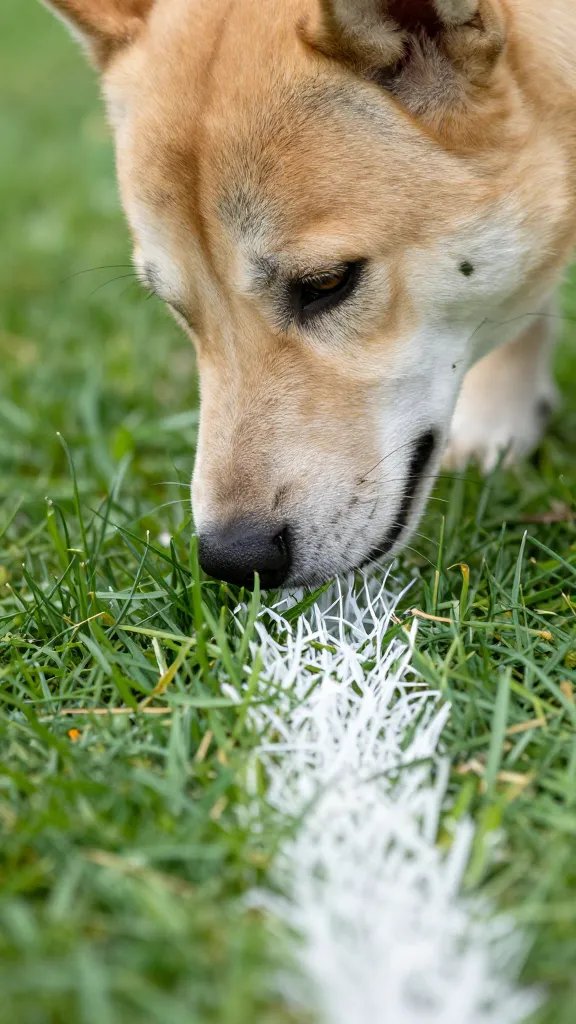
Only unclip when three conditions align: legal permission (posted off-leash area), space (30 feet clear in all directions), and proofed recall (two successful recalls in a row with distractions present). If any piece fails, you do not unclip.
Transition gradually with a long line. Let the line drag while you run three recalls, then step on it quietly if your dog fixates on food or wildlife. Keep a treat magnet routine — one slice of chicken every 30–60 seconds for checking in — so your dog keeps orbiting your blanket.
Action today: Run a “readiness drill” before you unclip: name recall once from 15 feet, then again from 25 feet. If your dog comes briskly both times, consider off-leash. If not, stay anchored.
Dealing With Common Picnic Curveballs
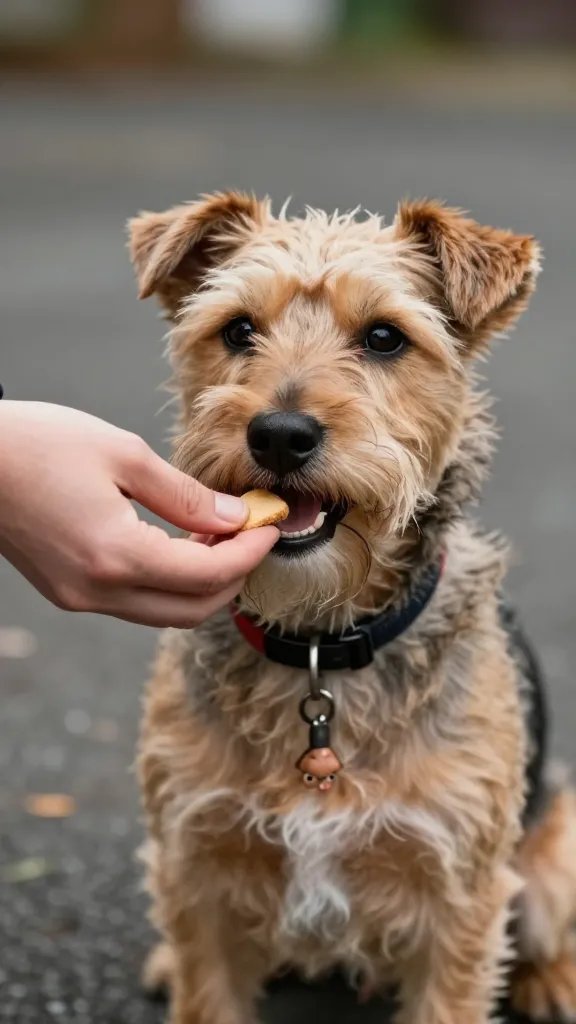
Food on the ground, bee stings, or surprise soccer games happen fast. You need two emergency cues: a leave it for dropped items and a let’s go for smooth exits. Practice both weekly so they work under pressure.
If another off-leash dog rushes your blanket, stand between dogs holding your leash short but loose, toss a handful of treats at the approaching dog’s feet, and say “We’re not saying hi, thanks.” You control your dog first; the other owner can collect theirs.
Warning Signs Your Dog Needs a Break
- Constant scanning or panting even in shade
- Fixating on nearby food or squirrels
- Ignoring known cues twice in a row
- Stiff body or slow-motion movement around kids
Action today: Pre-plan a 5-minute walk-away break at the 30-minute mark of your picnic. A short reset prevents the bigger problems.
Frequently Asked Questions
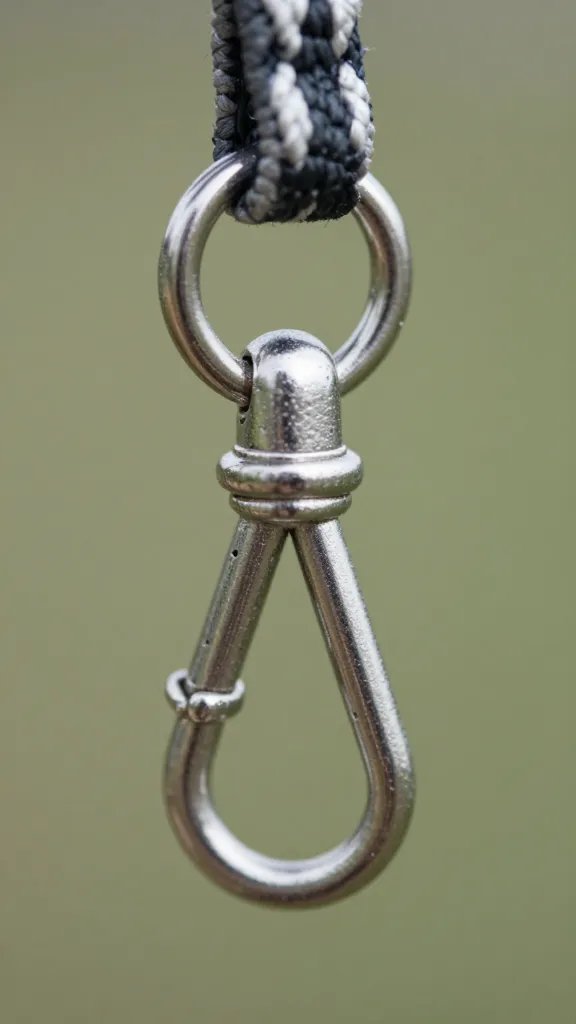
What kind of leash works best for picnics?
Bring a standard 6-foot leash for control at the blanket and a 15–20 foot long line for decompression sniffing in open, legal areas. Choose a flat nylon or biothane leash that wipes clean after grass and food spills. A simple ground stake or your table leg works as an anchor point. Avoid retractable leashes — they tangle around blankets and offer poor braking near food.
How do I stop my dog from stealing food off the blanket?
Define a clear dog zone with a mat at the blanket edge and reinforce a down-stay with frequent, small treats at first. Use a chew during human mealtime to keep your dog occupied. If they approach the food area, guide them back to the mat and reward calm settling. Keep all plates and serving dishes at least 12 inches from the mat edge to remove temptation.
Is it rude to bring a dog to a crowded picnic area?
It’s fine if you maintain tight control and respect others’ space. Choose a perimeter spot with an easy exit, keep your dog leashed, and skip introductions unless invited. If the lawn looks packed — blankets within a few steps of each other — pick a quieter area or a shorter visit. Courtesy means your dog doesn’t affect anyone else’s meal or blanket.
What should I do if my dog barks at kids or bikes during a picnic?
Increase distance immediately — 20 feet or more often flips barking to curiosity. Put your dog behind you, cue a down on the mat, and start a steady treat stream for looking calmly at the trigger. After the trigger passes, stretch the interval between treats. If barking restarts twice, relocate to a quieter corner.
Can I let my dog off-leash if they “never leave my side”?
Only in areas that explicitly allow it and after you confirm recall with live distractions that day. Picnic environments change by the minute, and even velcro dogs break pattern for chicken bones, kids, or kites. Prove two clean recalls on a long line first, then consider unclipping if you still have legal clearance and space. If you’re unsure, leash stays on.
What’s a simple training plan to prepare for picnic season?
Run three short sessions each week: 5-minute mat settles during your meals, 10 “leave it” reps with dropped snacks, and five 20–30 foot recalls on a long line at the park edge. Add a weekly field trip to practice near low-level distractions. Keep treats soft and pea-sized so you can pay quickly. Consistency over four weeks transforms picnic manners.
Conclusion

Picnics feel easy when your dog knows their spot, your leash rules are clear, and you decide upfront where freedom happens. Start with the two-minute settle at home this week, then test recall on a long line during your next park visit. When those pieces click, you’ll know exactly when to keep the leash on — and when your dog has earned a little sunshine freedom without stressing anyone else’s afternoon.
Leave a Reply