Master the Etiquette of “Saving Spots” in High-Traffic Parks
· Yasmine Taljaard
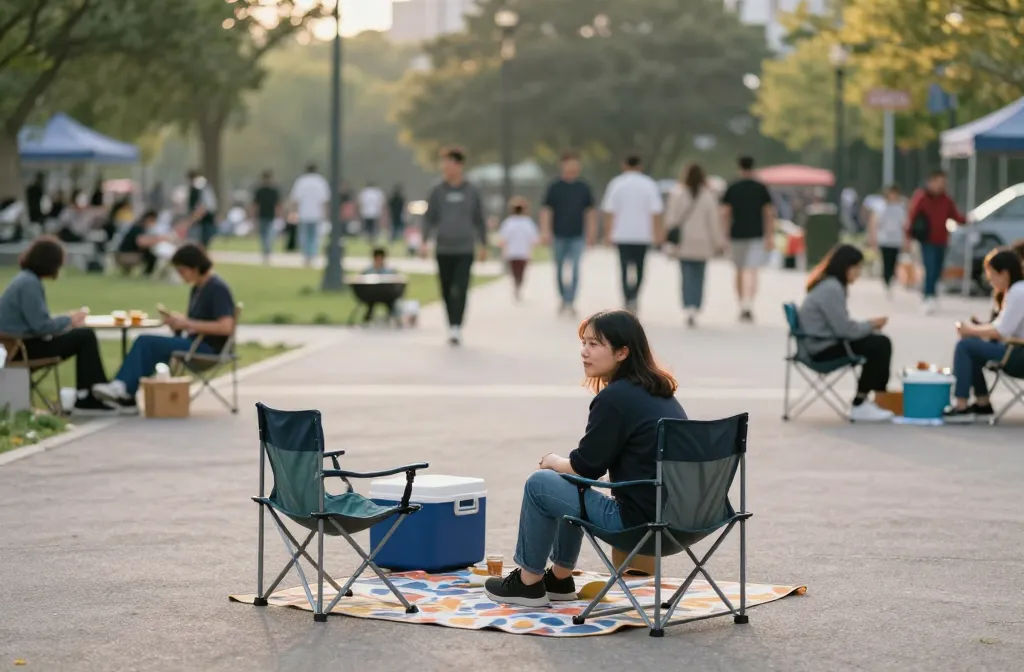
I’ve hosted more park picnics than I can count, and I’ve seen tempers flare over blankets and folding chairs. If you’ve tried to save a table for friends who are parking or a grill for a birthday cookout, you know how awkward it gets when crowds build. In this guide, I’ll show you how to save a spot fairly, read the unspoken rules, and avoid showdowns — while still getting your group settled. You’ll learn what signals work, what crosses the line, and how to back it up with clear, polite communication.
Know What Counts as “Saved” Versus “Abandoned”
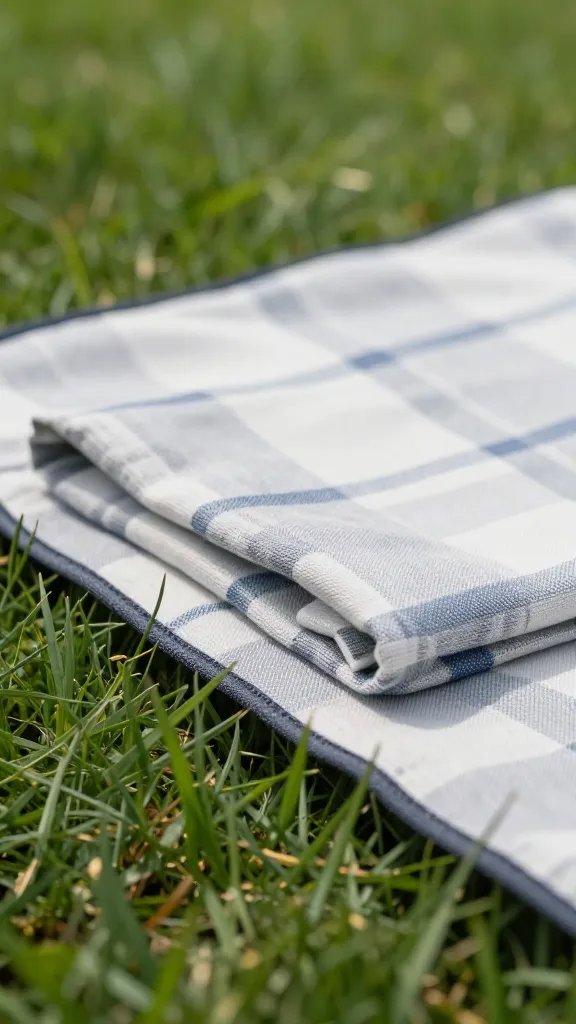
A place is only “saved” when a person is physically present and visibly using it. One blanket tossed on grass or a single water bottle on a picnic table reads as abandoned, not claimed.
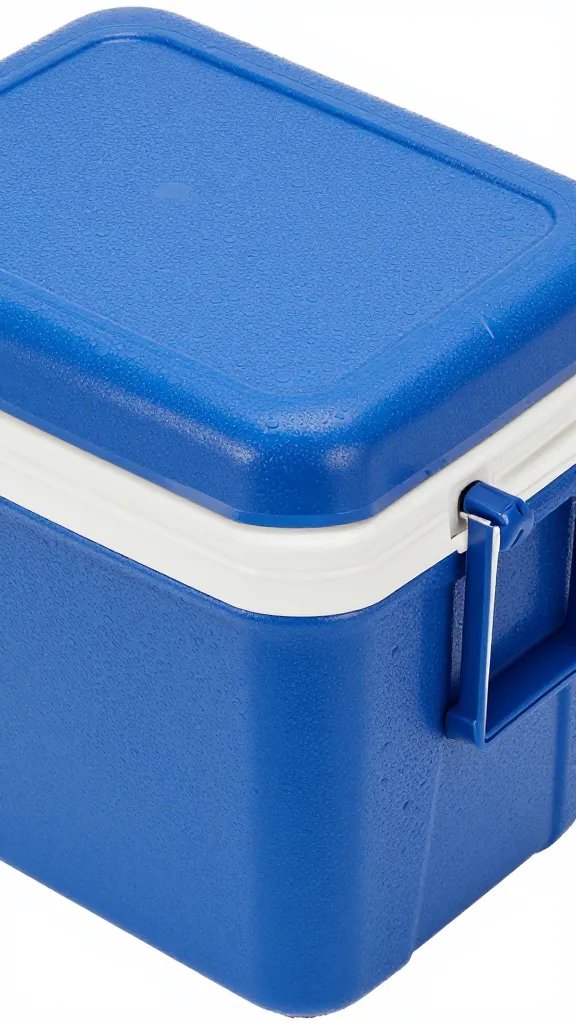
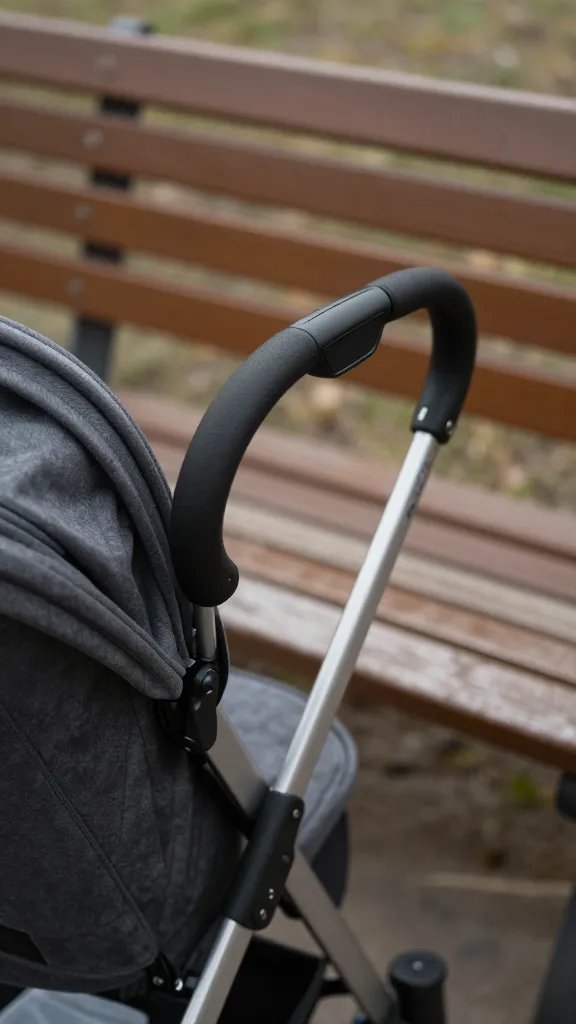
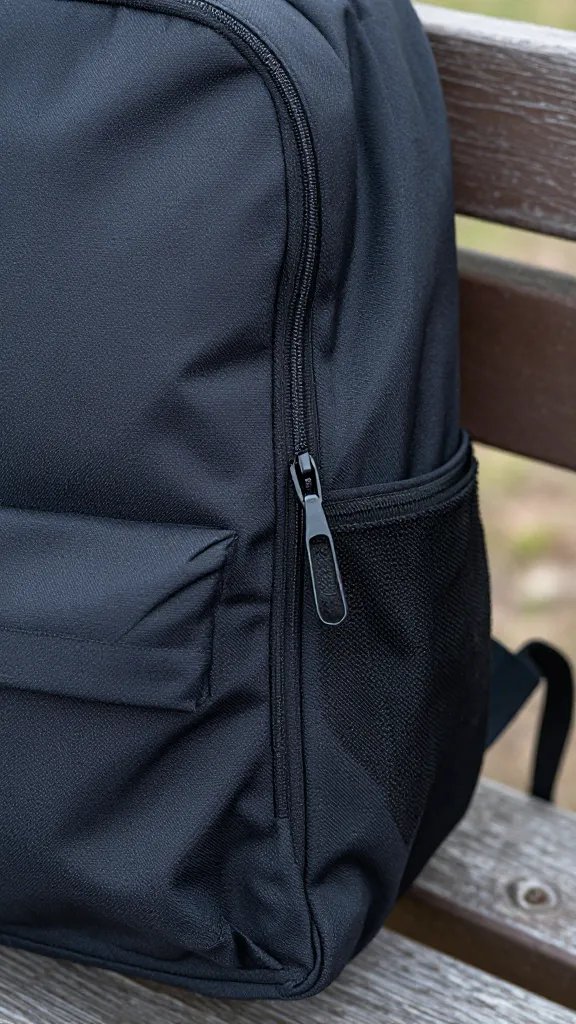
I treat a spot as claimed when I see a human there plus obvious setup: a spread blanket, a small cooler, a backpack, or a stroller within arm’s reach. I treat it as open if I see loose items with no one nearby.
Action today: If you arrive first, stay with your setup and keep at least one anchor item — a blanket or chairs — visibly in use so others read the spot as occupied.
Use Clear, Fair Markers That Don’t Sprawl
Big tarps that rope off space for a dozen absent friends create resentment. In busy parks, sprawl reads as selfish.
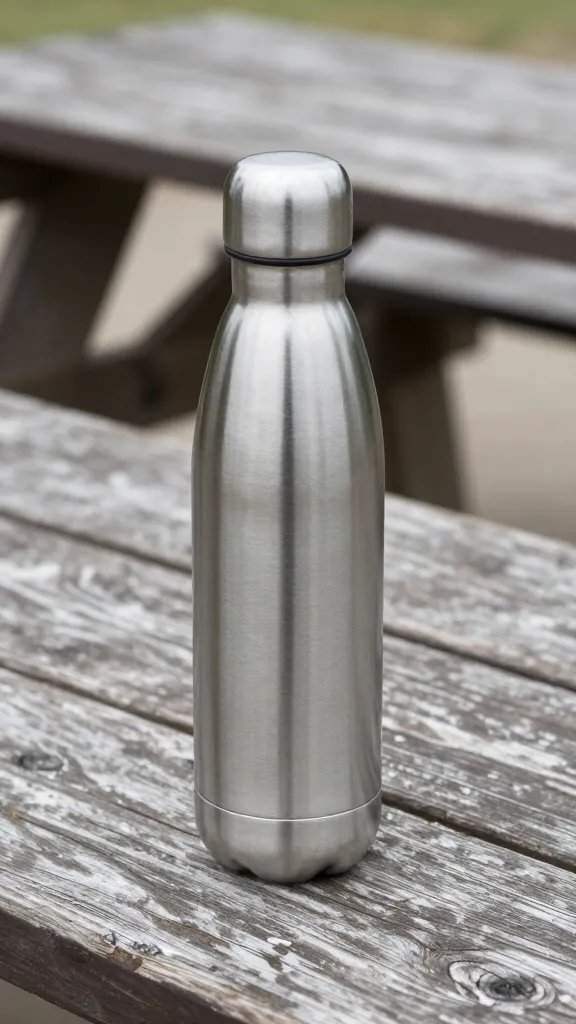
I use a single picnic blanket (fits 2–4 sitting adults) or two folding chairs to mark a core area. I keep pathways, grill pads, and shared amenities unobstructed. I never lay gear on adjacent tables to “reserve” them; I only claim what I can actively occupy.
Practical Markers That Work
- Blanket or compact picnic rug: Keep corners weighted with a small cooler or bag.
- Two folding chairs: Face them toward the area to signal intention and presence.
- Small sign on the table edge: “In Use — Group Arriving By 12:30” with your name. Keep it polite and time-limited.
Action today: Pack one dedicated blanket and two lightweight chairs; use these as your only boundary so you send a fair, readable signal.
Set a Clear Arrival Window — And Stick to It
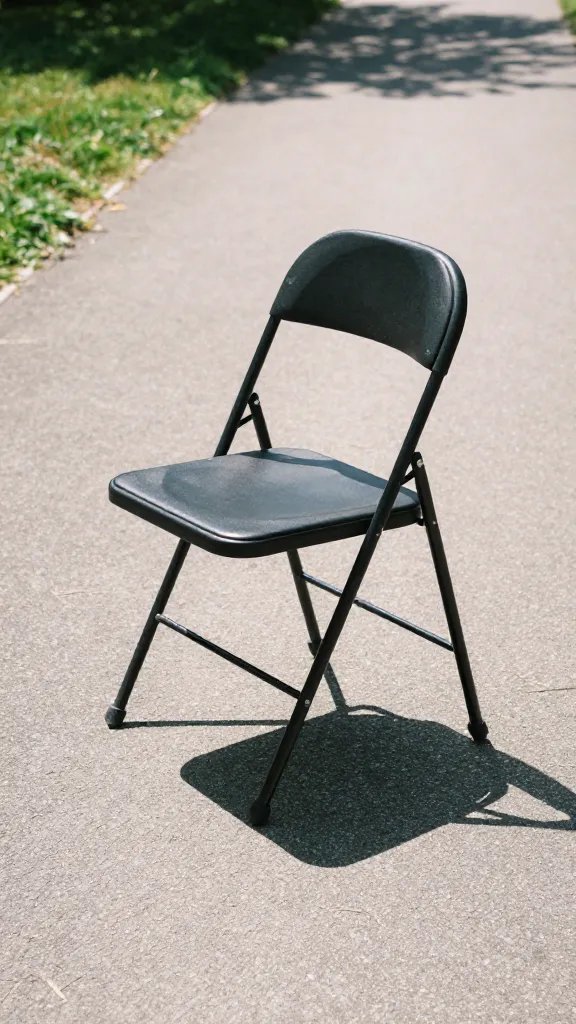
Open-ended saving is what upsets people. I set a strict window — usually 30–45 minutes on weekends, 20–30 minutes on weeknights — for my group to arrive.
If friends run late, I shrink the footprint or release the space. When asked, I share the time: “Yes, we’re using this table — our group’s arriving by 12:30.” A definite endpoint defuses most pushback.
Timeframes That Keep Peace
- High noon weekends: 30 minutes max before you downsize or offer to share.
- Early mornings or weekdays: Up to 45 minutes if the park isn’t full.
- Special events posted by the park: Follow posted rules; some prohibit any saving.
Action today: Text your group a firm meet-time with a 15-minute grace period and tell them the spot will be released after that.
Prioritize People Over Gear When Crowds Build
When the park fills, human presence matters more than piles of items. I condense gear to free up space and make it obvious the area is truly in use.
I seat actual arrivals first and stack extras under the table or at the blanket’s edge. I never argue over an empty chair I’m “holding” for someone 20 minutes away. If pressed, I offer a compromise: “You can take that chair; our friend can grab a spare from the car.”
Action today: As the park gets crowded, reduce your footprint to what your present group can sit on right now.
Share Amenities You’re Not Actively Using
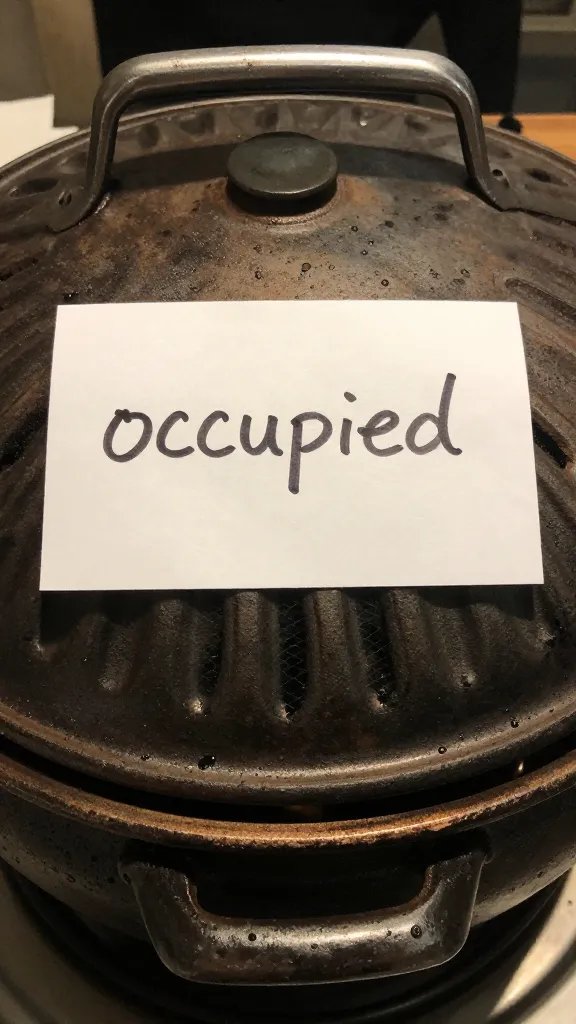
Grills, outlets, and shaded pavilions are shared resources. If I’m not actively cooking, I don’t block a grill with a bag “to hold it.” I queue fairly and invite others to cycle in between batches.
At a table with a built-in grill, I offer time slots: “We’ll be done at 1:10 — you can use it after us.” If I need to marinate or preheat, I stay there while doing it so my use is clear and continuous.
How to Offer a Fair Share
- State your finish time upfront.
- Invite others to share the table surface while you’re not cooking.
- Keep your cooler and prep out of the way so turnover is obvious.
Action today: When you light a public grill, tell the nearest waiting group your expected finish time and stick to it.
Speak First, Be Specific, and Stay Polite Under Pressure
Most conflicts start with uncertainty. I always greet approaching groups before they guess at my intentions.
I use simple, specific lines: “Hi there — we’re using this table. Our group will be here by 12:30. You’re welcome to share the far bench until then.” If someone challenges, I repeat once, then offer a concrete alternative: “There’s open shade by the elm; we’re wrapping this end in 20 minutes.” I never argue over rules I can’t enforce. I keep it friendly and firm.
Action today: Practice one short script: “Hi! We’re using this spot and expecting two more by [time]. You’re welcome to share this side until then.”
Respect Park Rules and the Spirit Behind Them
Many high-traffic parks post guidelines that outlaw unattended reservations, tents on turf, or staking off areas. I follow posted signage first — it settles disputes fast.
If staff or rangers speak up, I comply immediately. I avoid tape, rope, cones, or lawn stakes unless I hold a permitted reservation that explicitly allows them. The goal is to enjoy the park together, not to win territory.
Action today: Check the park’s website or the kiosk map when you arrive for any reservation or setup rules and adjust your plan to match.
Frequently Asked Questions
Is leaving a blanket enough to save a picnic spot?
No. A blanket alone reads as unattended. Stay with your blanket and keep at least one personal item like a cooler or backpack in reach. If you must step away, have someone else remain. Without a person present, expect others to treat the space as open.
How long is it reasonable to hold a table for late friends?
On busy weekends, 30 minutes is the limit I use. Weeknights or low-traffic mornings can stretch to 45 minutes. Communicate a clear arrival time to anyone who asks. After your window passes, release or share the space to stay fair.
Can I save a public grill while I prep food?
Yes, if you’re physically present and moving toward active use. Keep your tools and ingredients at the grill, preheat promptly, and tell others your finish time. Don’t block a grill with a bag while you sit elsewhere; that’s not considered use.
What should I do if someone takes the spot I was saving?
Start with a calm, clear explanation: “I’ve been here holding this table; our group arrives by [time].” If they refuse and there’s no posted rule supporting you, avoid escalating. Downsize your footprint, share if possible, or relocate to a nearby area you can actively occupy. Your safety and the day’s enjoyment matter more than the exact table.
Is it rude to save space for a large group event?
It’s fine if you hold only what present people can reasonably use and you have a permit if required. Break the group across adjacent open areas rather than fencing off a huge section. Post your end time and be generous with shared amenities. The larger the group, the more important it is to be visible, organized, and communicative.
Conclusion
You can hold space without conflict when you stay present, mark fairly, and set clear timeframes. Pick a park you love, pack one blanket and two chairs, and practice the one-sentence script that states your plan and invites small compromises. Next time you head out, arrive with a 30-minute window, share what you’re not actively using, and you’ll keep both your spot and the good vibes intact.
Leave a Reply