Steal Luxe Looks: 5 Tips for Sourcing High-End Home Decor From Thrift Stores
· Samantha Jones

I started furnishing my first apartment with a $200 budget and a lot of patience. The best pieces I own — a solid oak coffee table and a brass pharmacy lamp — came from thrift stores after I learned what to look for and how to move fast. If your shelves feel bare and your style feels out of reach, you’re exactly where I was. This guide teaches you how to spot quality, negotiate, and bring home thrifted decor that looks high-end the moment it hits your room.
Know What “High-End” Actually Looks And Feels Like
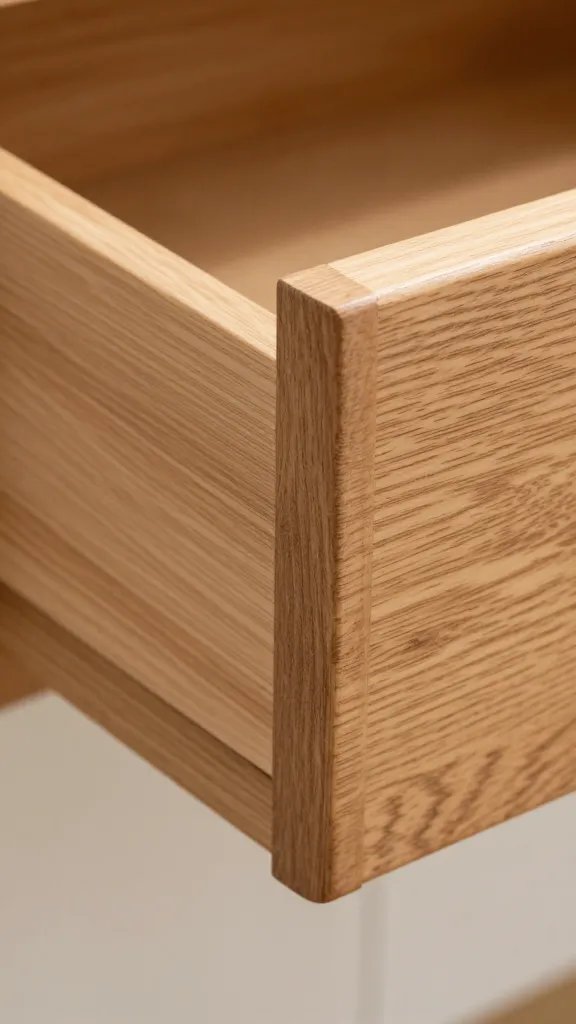
Price tags in a retail showroom don’t define quality — construction details do. I check for solid wood instead of thin veneer, dovetail joints on drawer boxes, and real metal (brass, bronze, iron) that feels heavy and cool to the touch. I also look for natural fibers like linen, wool, cotton, and silk on textiles.
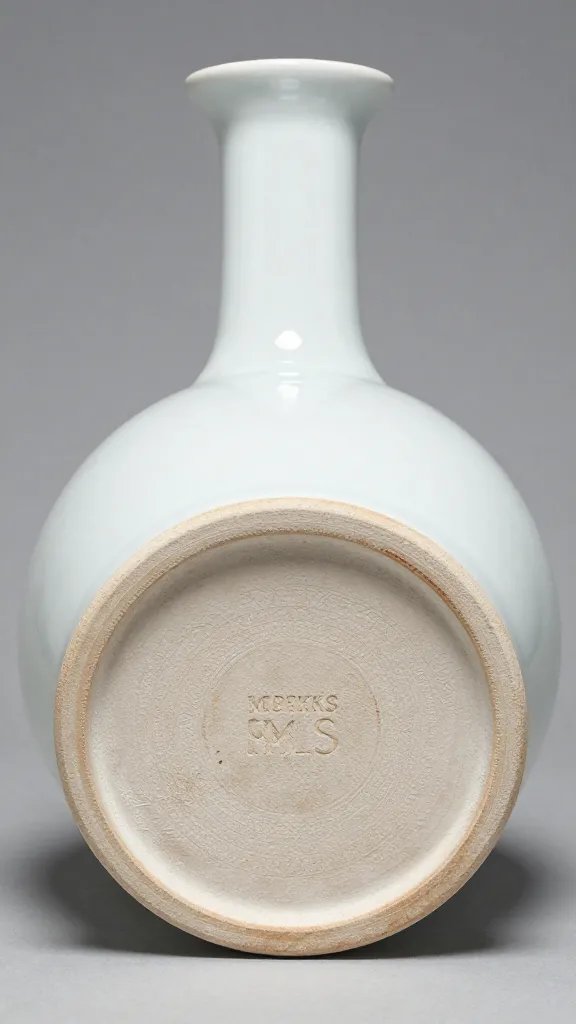
On ceramics and glass, I scan for an even glaze, a maker’s mark on the base, and weight that matches size — light for crystal-thin glass, substantial for stoneware. Cheap mass-market items feel hollow or flex when you press them.
Quick Material ID
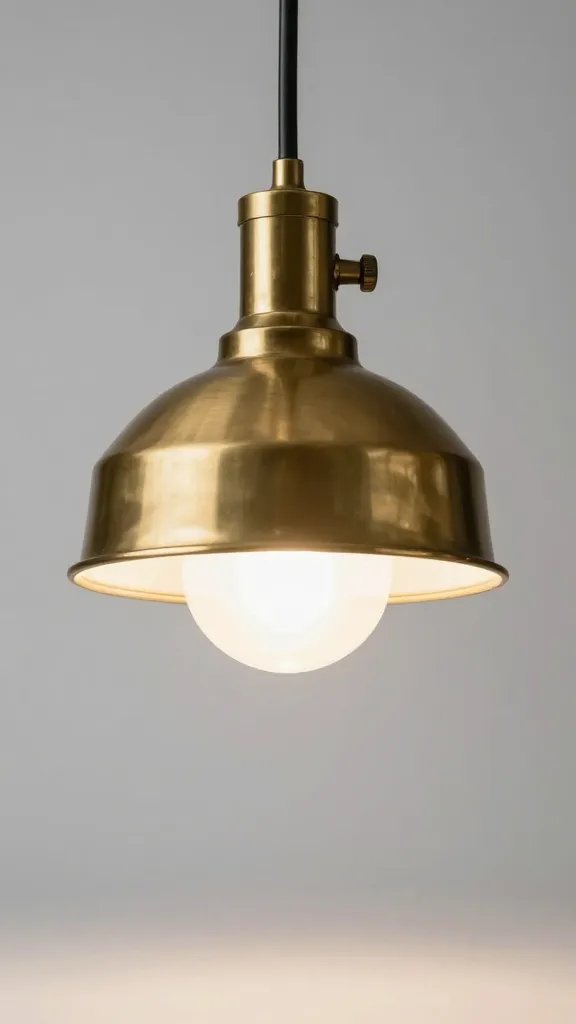
- Brass vs. plated: Scratch a hidden spot with a key. If the color stays warm gold, it’s brass. If a silvery layer appears, it’s plated.
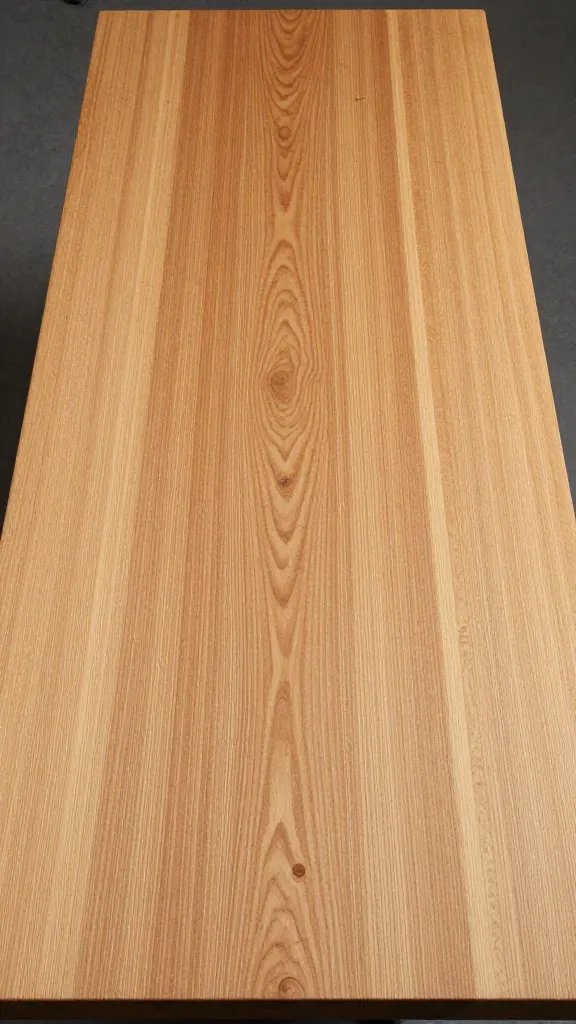
- Solid wood vs. veneer: Check the edges and the underside. Matching grain continues around edges on solid wood; veneer shows a thin glued layer on top of plywood or MDF.
- Crystal vs. glass: Tap gently with a ring — crystal rings with a sustained tone; regular glass makes a short clink.
Action today: Pick one category you need (lamp, side table, mirror) and write three quality markers you’ll check before you buy.
Shop On The Right Days And In The Right Sections
Thrift stores receive donations all week but process and stock in predictable bursts. I show up within the first hour on Tuesday or Wednesday when weekend donations finally hit the floor, and again on the first Saturday of the month for overflow. I also scan the back wall near furniture intake, the housewares aisle endcaps, and the “priced as is” carts that staff roll out before shelving.
Don’t ignore the art section crates on the floor. Frames with real wood and glass hide there under faded prints. I buy the frame for the molding and mat, then replace the art later.
Action today: Call your local shop and ask two questions: “When do you restock furniture?” and “Do you have color-tag discount days?” Put the best time on your calendar.
Use A Simple, Fast Inspection Routine Before You Touch The Price Tag
Speed matters because good pieces disappear in minutes. I run the same 60-second check every time so I don’t get stuck debating.
- Stability test: Rock the piece diagonally. If it wobbles but joints look intact, it needs a screw-up — easy. If you hear cracking or see split legs, I pass.
- Surface scan: Look for veneer lift at corners, water rings, and burn marks. Rings and scratches are fixable; bubbled veneer and deep burns are not worth it unless the price is very low.
- Hardware check: Open every drawer/door. Smooth glide and dovetails mean quality; stapled or butt joints mean short life.
- Sniff test: Musty textiles and strong smoke in wood take months to remove. I only buy if the smell is faint and the piece can sit in sun for a week.
- Dimensions: I keep my room measurements on my phone. I measure max width and height with a pocket tape or use my hand span (approx. 8 inches) as a quick ruler.
Action today: Put a mini kit by your door: tape measure, microfiber cloth, AA battery (lamp test), and a quarter (to test coin grooves in hardware and tap glass).
Target Categories That Upgrade A Room Fast
Not everything in a thrift store turns high-end with elbow grease. I focus on categories where quality stands out immediately once cleaned.
- Lighting: Solid brass lamps, pharmacy lamps, ceramic gourd lamps, and pleated linen shades. Always check the socket and cord jacket. Rewiring a table lamp with a basic lamp kit from the hardware store takes 20 minutes.
- Mirrors: Wood or metal frames with real glass add scale and light. Slight foxing on antique mirrors looks intentional; deep black spots across the center look tired.
- Side Tables & Stools: Small footprint, high impact. Look for solid wood, stone tops, or rattan cane that’s still tight.
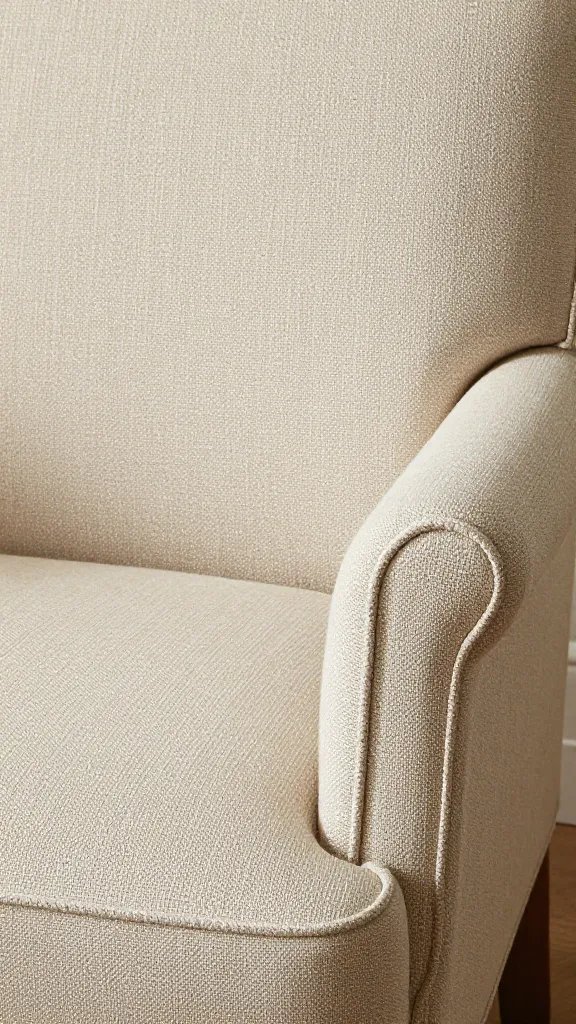
- Textiles: Wool throws, vintage linen tablecloths, real down pillow inserts. Wash in cold water with mild detergent and air dry flat.
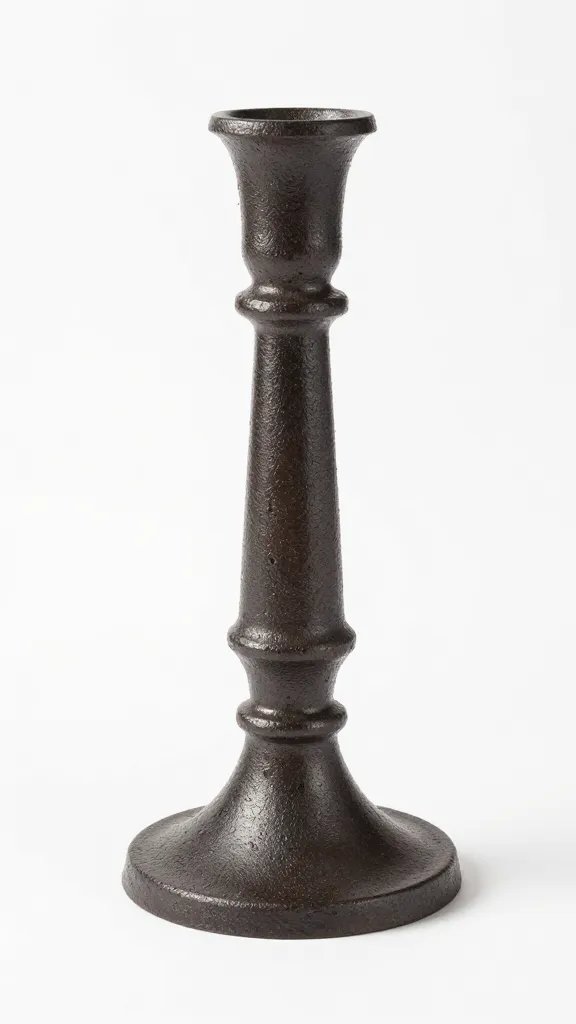
- Vessels: Heavy stoneware crocks, studio pottery, and thick glass cylinders. They style well empty or with branches.
Action today: Choose one high-impact category and set a firm max price (for example: lamps under $35). This keeps you decisive in the aisle.
Negotiate, Bundle, And Arrange Pickup Like A Pro
I negotiate respectfully and only after I’ve found issues that matter. I point out a wobbly leg, missing knob, or frayed cord and ask, “Would you take $25 if I take it today?” I also bundle related items — two lamps plus a mirror — and ask for a combined price.
For large items, I pay to hold for 24 hours and return with a friend. I keep moving blankets and ratchet straps in my car. Staff appreciate quick, safe pickups and remember the regulars who make their jobs easier — those regulars often get first look when new items roll out.
Negotiation Script
“I love this piece and noticed the veneer lifting on the corner. If I take it now and handle loading, can we do $40 instead of $60?” Then I stop talking and let silence work.
Action today: Put cash in small bills ($5s and $10s) in your wallet. Cash makes quick deals simple when managers are busy.
Clean, Restore, And Style For A High-End Finish
Most thrift finds look expensive after one hour of care. I start with a gentle clean: warm water, a drop of dish soap, and a microfiber cloth. For wood, I follow with restorative finish like a wax or oil from the hardware store. For brass, I remove lacquer with acetone in a ventilated area, then polish lightly; I leave some patina so it doesn’t look freshly dipped.
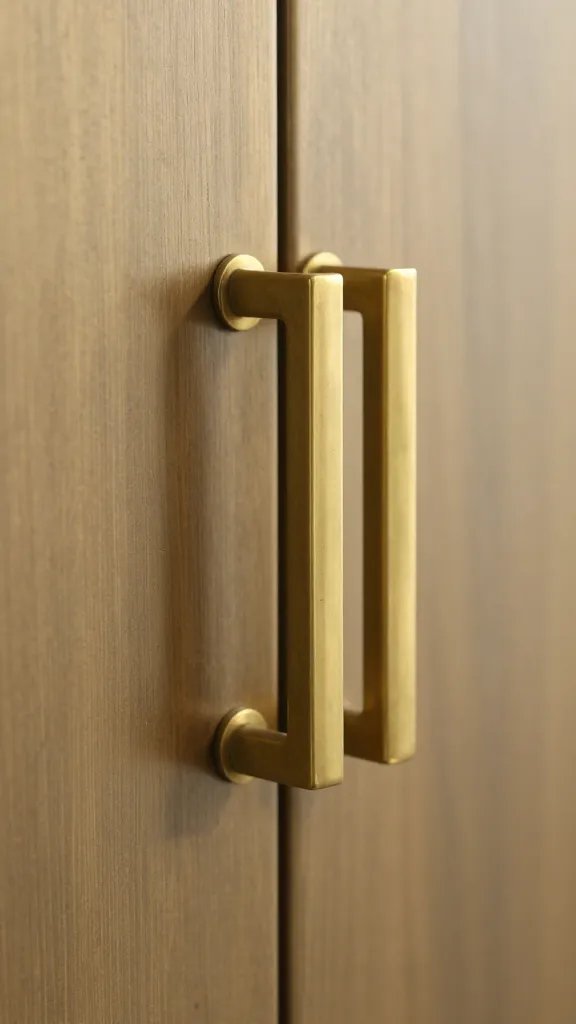
For lamps, I replace brittle cords with a basic kit and add a linen or pleated shade from the garden or hardware store’s home aisle. I swap cheap knobs for solid metal or wood pulls — the smallest detail that changes the whole read. Styling matters too: a single large vessel with seasonal branches looks designer, while clutter reads cheap.
Step-By-Step: One-Hour Wood Refresh
- Dust with a dry microfiber cloth.
- Clean with warm water and a drop of dish soap; dry immediately.
- Lightly sand scratches with 320-grit paper following the grain.
- Wipe on a hardware-store restorative oil or wax; buff after 15 minutes.
- Replace knobs; stick felt pads under feet to stop wobble on hard floors.
Action today: Buy one new shade or knob set for a thrifted lamp or cabinet you already own. That single swap upgrades the piece instantly.
Frequently Asked Questions

How do I remove that thrift store smell from wood furniture?
Wipe all surfaces with a 50/50 mix of white vinegar and water, then dry thoroughly. Place bowls of baking soda inside drawers and set the piece in bright indirect sun for 2-3 hours per day over a week. If odor lingers, seal drawer interiors with a clear shellac from the hardware store. Avoid perfumed sprays — they mask rather than fix.
What’s a fair price for a solid wood side table?
For thrift stores, $20–$60 is typical for solid wood depending on condition and style. Dovetail joints and heavy weight justify the top of that range. If a leg is loose or the top needs refinishing, negotiate 25–40% off. Always check comparable listings on your phone before you commit.
Is it safe to buy secondhand lamps?
Yes, if you plan to rewire. Inspect the cord for cracks and the socket for scorch marks. A basic lamp rewiring kit from the hardware store costs less than a takeout dinner and takes 20 minutes with household pliers and a screwdriver. Replace the harp and add a new shade for a clean finish.
How do I tell if a frame is worth buying for the artwork?
Flip it over. If you see solid wood molding, a clean mat, and glass instead of acrylic, it’s worth grabbing even if the print is outdated. Look for a framer’s label or dust cover paper that’s neatly taped — signs of professional framing. You can swap the art later with a high-quality print cut to size at a copy shop.
Can I fix chipped veneer on a good piece?
Small chips along edges are fixable with wood filler and a furniture touch-up pen from the hardware store. Clean, fill, sand smooth, and color-match with the pen, then wax. Large veneer bubbles or wide missing sections take advanced work and usually aren’t worth it unless the price is very low. Prioritize solid wood when possible to avoid veneer repairs.
Conclusion
You don’t need designer showrooms to get a designer home — you need a trained eye, good timing, and quick decisions. Start with one target item, shop during restock hours, and use your 60-second inspection routine. When you bring the piece home, clean it, swap one detail, and style it with intention. Next trip, aim for lighting — one great lamp can rewrite your entire room in an afternoon.
Leave a Reply