The Secret to How to Pack Olive Tapenade for a Picnic (No Leaks, No Weird Texture)
· Yogi
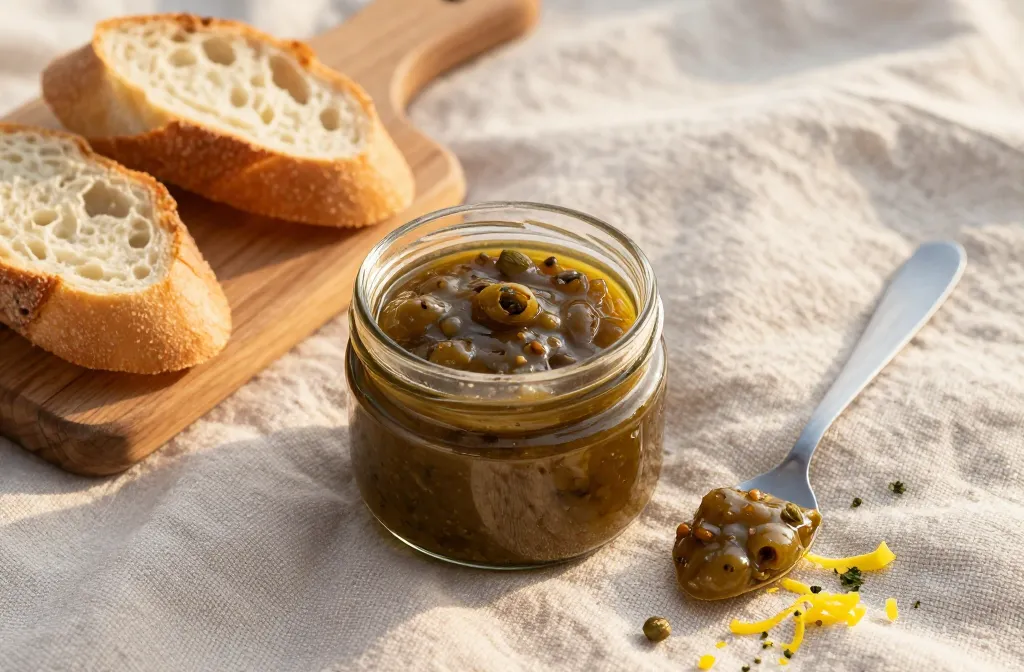
Picnic olive tapenade tastes like summer in a jar—until it leaks all over your tote or turns into weirdly gray mush. Let’s prevent that tragedy. With a few smart tweaks, you can keep your tapenade bright, spreadable, and fully contained. No oily fingerprints, no soggy baguette, no regrets. Ready?
Choose the Right Tapenade Texture (It Matters More Than You Think)
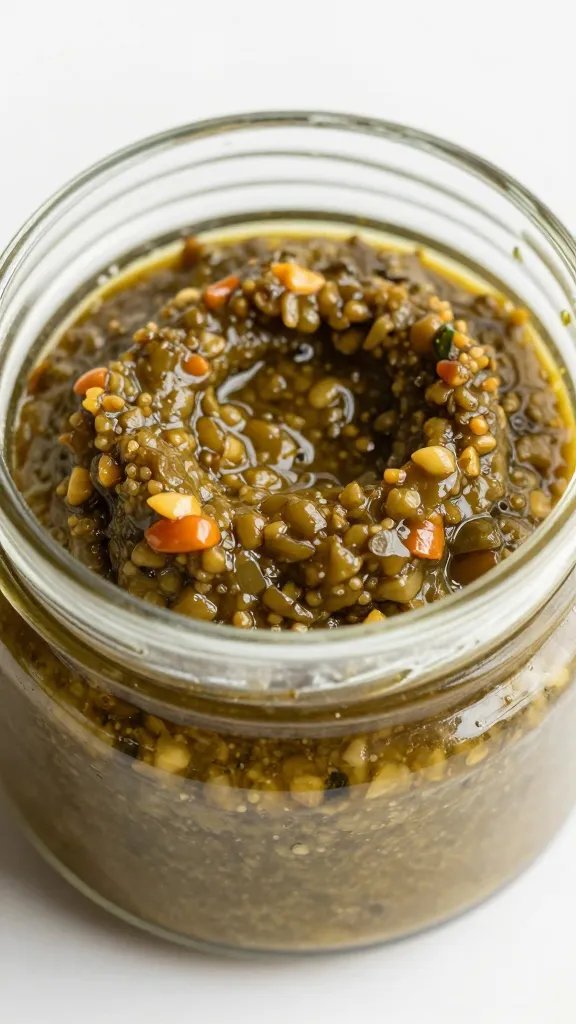
Chunky or smooth? Both work, but you want a spread that holds its shape. Too loose, and it slides into Leak City. Too stiff, and it feels like salty gravel.
- For chunky fans: Pulse olives, capers, and add-ins just until they’re pebble-sized. You should still see bits. Stir in oil by hand so you control consistency.
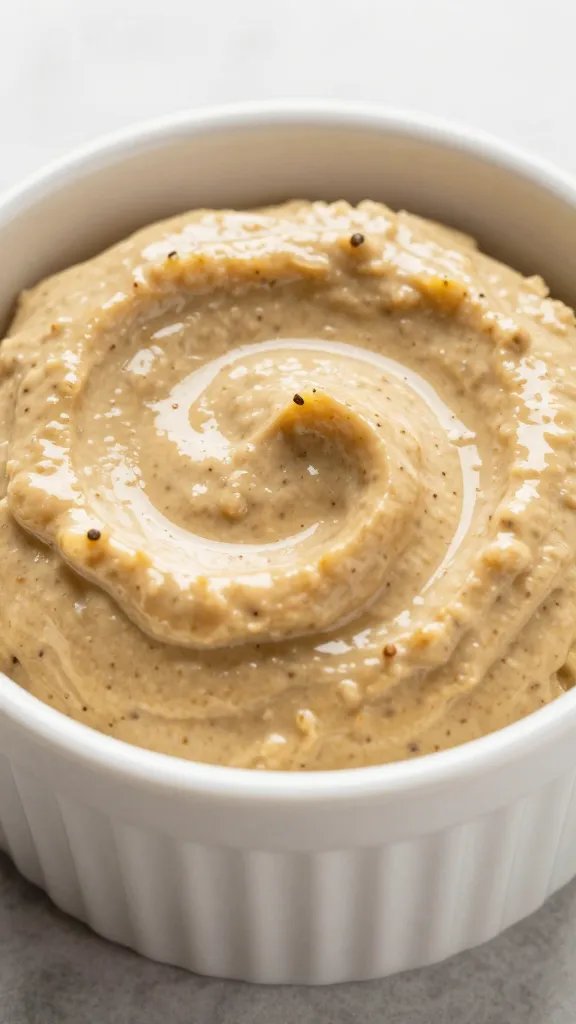
- For smooth lovers: Blend until thick and spreadable, not pourable. If it looks glossy and drippy, add a spoon of breadcrumbs or finely ground almonds to tighten it up.
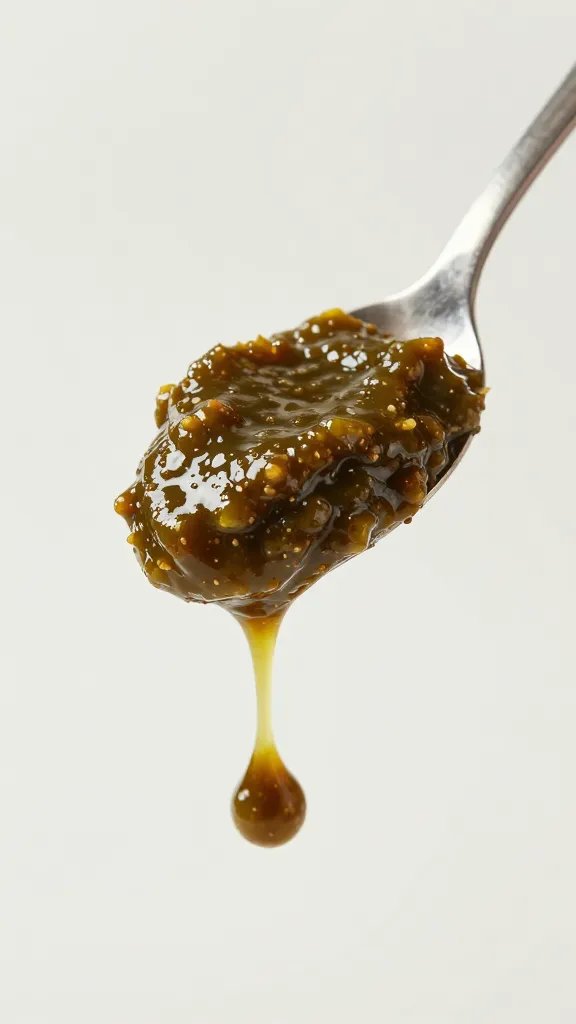
- Test it: Scoop a spoonful. If it slowly spreads into a puddle, it’s too loose. If it cracks when you push it, drizzle in a touch more oil.
Quick Fixes for Runny Tapenade
- Dry your olives. Pat them with paper towels before chopping. Water thins the mixture and invites leaks.
- Add binders. Breadcrumbs, almond meal, or even a teaspoon of tahini help emulsify and thicken.
- Emulsify the oil. Whisk oil in slowly instead of dumping it. Your spread will stay together better.
Pick Containers That Don’t Betray You
Your container makes or breaks the no-leak goal. And yes, I have trust issues with flimsy lids.
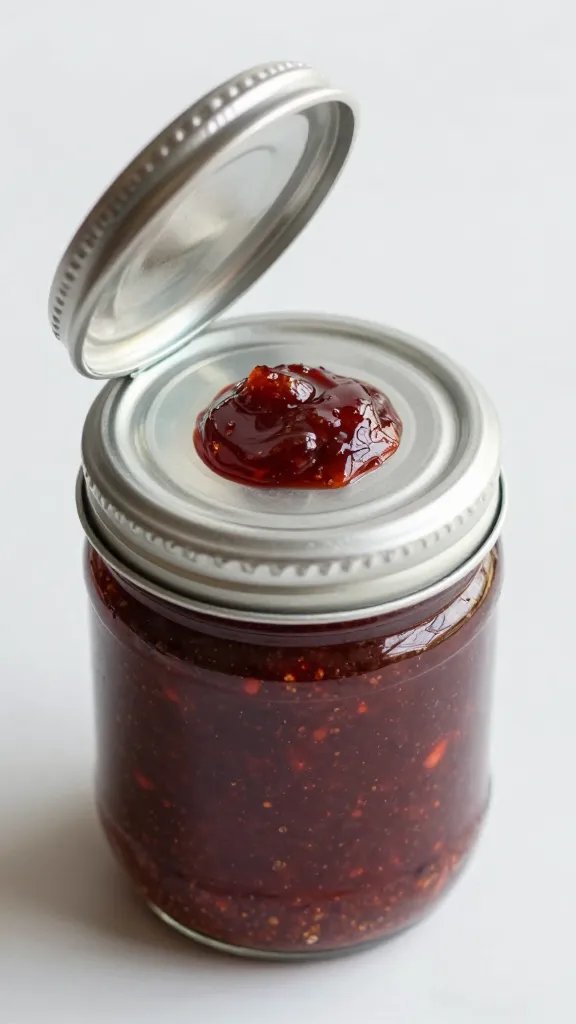
- Go for leakproof glass jars with gasketed, screw-top lids (think small Weck or spice jars). They don’t absorb odors and they clean easily.
- Use a two-container system: put tapenade in a small jar, then place that jar inside a zip-top bag. Belt and suspenders, baby.
- Avoid flimsy plastic tubs. The lids pop off when jostled. You’ll cry. Don’t do it.
- Size matters. Fill the jar to just below the rim. Less air = less oxidation and sloshing.
Line of Defense: The Oil Seal
Pour a thin layer of olive oil over the top before sealing. It prevents air from browning your tapenade and helps stop watery separation. Tap the jar gently to release trapped air bubbles.
Keep It Cool Without Waterlogging the Bag
Olive tapenade tastes best slightly cool, not fridge-cold. But warm tapenade? Greasy and sad.
- Use a small ice pack or two instead of loose ice. Keep the jar near (but not smushed against) the pack.
- Wrap the jar in a cloth napkin to prevent condensation drips and cushion it from bumps.
- Pack upright. Put the jar in a cup or a snug pocket in your bag so it stays vertical en route.
Avoid Weird Texture: Balance Salt, Oil, and Acidity
Tapenade can go from “lush and briny” to “chalky and harsh” if you don’t balance it. And bland? Not on my watch.
- Rinse salty ingredients. Rinse capers and anchovies (if using) briefly, then pat dry. You control salt; salt doesn’t control you.
- Add acidity. A squeeze of lemon or splash of red wine vinegar brightens everything and keeps flavors lively after a few hours.
- Use good oil. Choose a mild, fruity extra-virgin olive oil. Bitter or peppery oils can taste harsh when cold.
- Finish with freshness. Stir in fresh parsley or basil right before packing. It perks up the color and flavor.
IMO: Skip Garlic Overload
Raw garlic intensifies over time. Use half a clove, or mellow it by sautéing it lightly in oil first. Your picnic buddies will thank you.
Pack Smart: Dippers and Spreads That Don’t Sog
You nailed the tapenade. Don’t ruin it with sad bread.
- Pre-slice sturdy breads: baguette, ciabatta, or sourdough. Lightly toast slices so they hold up. Pack in a paper bag inside a larger container.
- Bring crisp options: crackers, crostini, endive leaves, cucumber rounds. Variety keeps the texture party going.
- Add a creamy counterpoint: small tub of ricotta, goat cheese, or hummus. Tapenade + creamy base = chef’s kiss.
- Keep wet stuff separate. Tomatoes, mozz, or roasted peppers go in their own containers. Assemble at the picnic, not in your bag.
Make-Ahead and On-Site Assembly
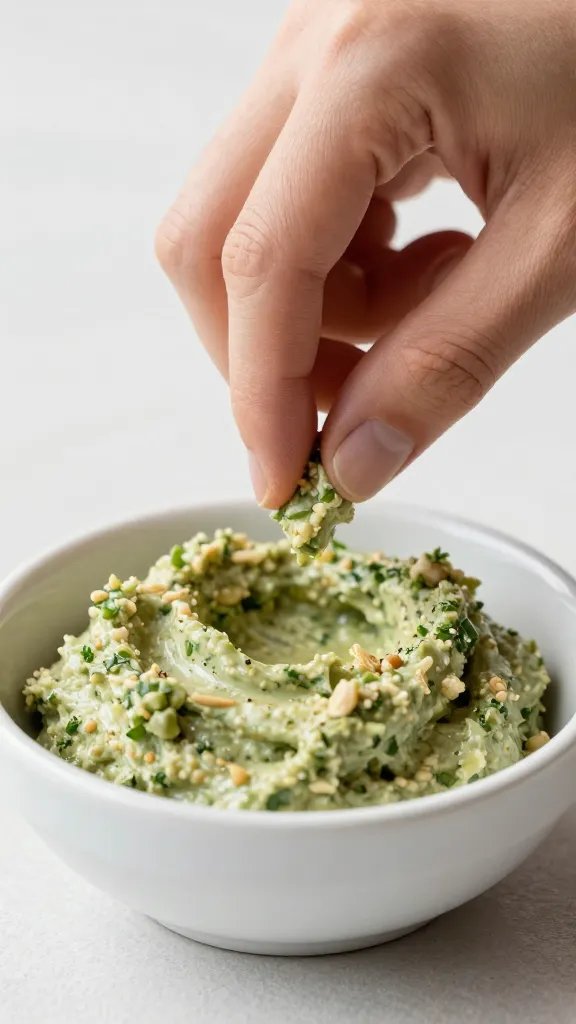
You can prep days ahead and still serve tapenade that tastes fresh. Timing matters.
- 2–3 days before: Make the base tapenade without fresh herbs. Store in a small, airtight jar with an oil seal.
- Day of: Stir, taste, and adjust salt and acidity. Add chopped fresh herbs. Pack and chill.
- On-site: Give it a quick stir (oil separation happens—normal!). Plate small amounts at a time so the rest stays cool and safe.
Serving Tip
Use a dedicated small spreader or spoon. It controls portioning and keeps crumbs out of your jar. Cross-contamination = early spoilage. FYI.
Flavor Boosters That Travel Well
Want to flex a little? Easy upgrades survive the commute and impress your friends.
- Lemon zest for extra brightness without extra liquid.
- Sun-dried tomatoes (oil-packed, patted dry) for umami and color.
- Fresh thyme or rosemary, minced super fine—sturdy herbs handle travel better than delicate basil.
- Orange zest + chili flakes for a Sicilian vibe. It slaps, IMO.
FAQ
How do I stop my tapenade from turning brown?
Keep air off it. Use an oil seal, pack in a small jar (less headspace), and add a touch of lemon juice. Store it chilled and out of direct sun. Stir before serving to refresh the color.
Can I freeze tapenade for later?
You can, but I don’t recommend it for a picnic. Freezing dulls the flavor and can separate the mixture. If you must, freeze in small portions, then thaw in the fridge and re-emulsify with a little oil and lemon.
What olives work best?
Go with meaty, flavorful olives: Kalamata, Castelvetrano, Taggiasca, or Gaeta. Mix a mild green with a brinier black for balance. Always pit them first—your blender and your teeth will appreciate it.
Do I need anchovies?
No, but they add savory depth without tasting fishy. If you skip them, bump umami with a few sun-dried tomatoes, a dash of soy sauce, or a pinch of nutritional yeast (vegan option).
Why did my tapenade leak even in a jar?
Probably headspace or a weak seal. Fill the jar higher, add an oil seal, and tighten the lid firmly. Then keep it upright, insulated, and cushioned. Double-bag as a final safeguard.
How long can it sit out?
About 2 hours at room temp, less in hot sun. Keep it in the shade, serve small amounts at a time, and rotate it back to the cooler between rounds. Food safety, but make it chic.
Conclusion
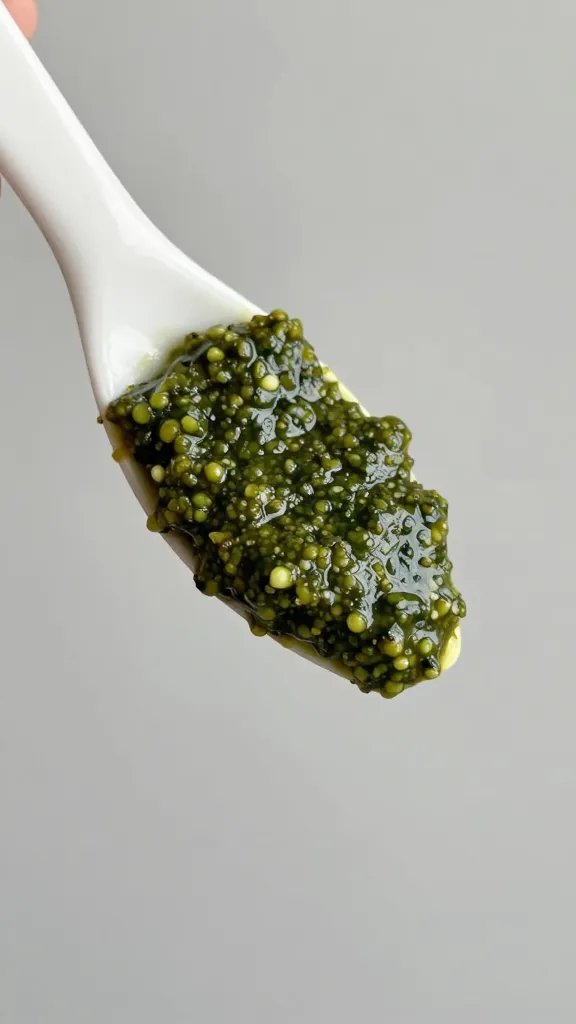
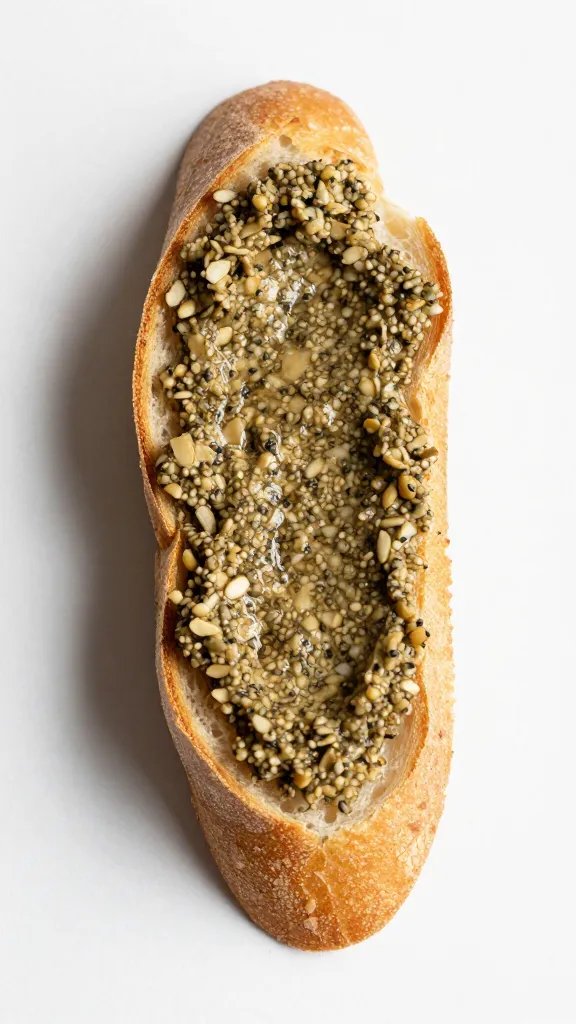
Pack a thick, balanced tapenade in a leakproof jar, give it an oil seal, keep it cool, and serve it with sturdy dippers. That’s the whole game. With a few smart moves and a little parsley at the end, your picnic spread stays vibrant, scoopable, and nowhere near your tote lining. IMO, that’s how you win picnic season.
Leave a Reply