Master the “Tuxedo” Fold: Formal Picnic Etiquette for Black-Tie Outdoor Events
· Samantha Jones
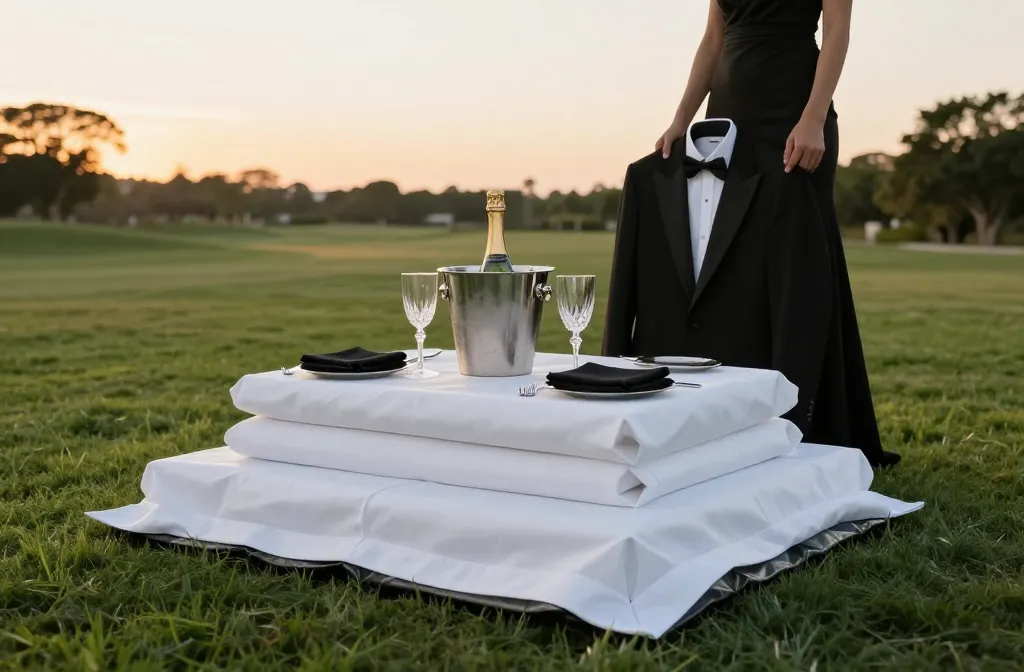
I’ve hosted more than one “champagne-on-the-lawn” evening where guests arrived in gowns, tuxes, and the usual outdoor chaos threatened to wrinkle everything. The difference between a graceful night and grass-stained despair came down to planning the setup like a formal table, then adapting it for wind, dew, and uneven ground. In this guide I’ll show you the exact “Tuxedo” Fold layout, packing list, and timing I use for black-tie picnics. You’ll learn how to keep food cold, hems clean, and glassware upright — without professional equipment.
What the “Tuxedo” Fold Is and Why It Works Outdoors
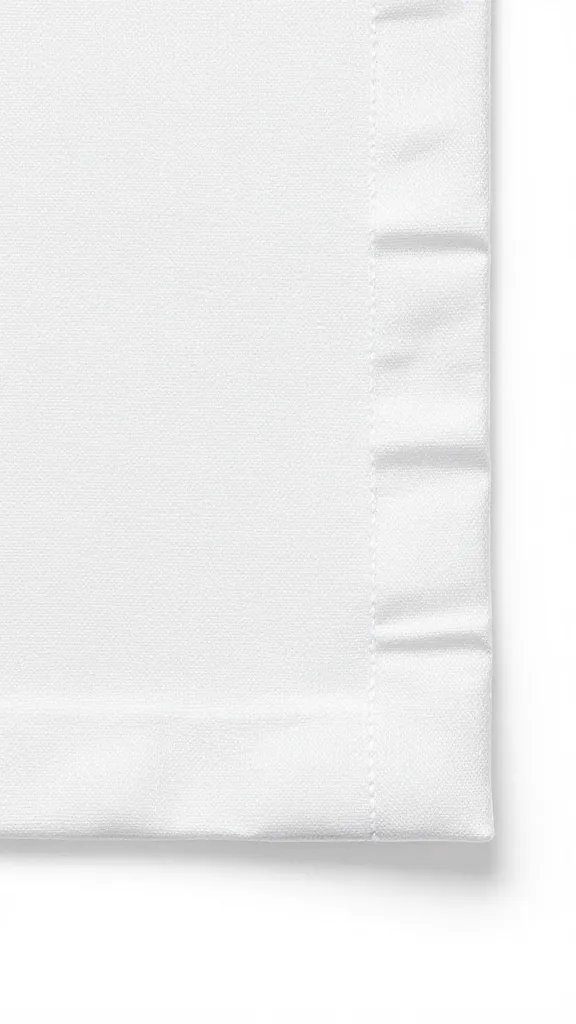
The “Tuxedo” Fold is a simple, repeatable layout that turns a regular picnic blanket into a stable, clean, and formal surface. Think of it as a suit jacket: crisp structure on the outside, thoughtful pockets and supports on the inside.
You start with a water-resistant base, add a firm middle layer, and finish with a pressed top cloth. Then you fold clean edges over like lapels to create a raised frame that keeps crumbs in, grass out, and napkins from flying.
This structure handles dew, uneven ground, and breeze — the three things that ruin elegance outdoors.
Action today: Pick your three layers: a waterproof tarp, a tightly woven picnic blanket, and a clean tablecloth you can press at home.
Build the Three-Layer Base: Dry, Firm, and Formal
I never skip layers. Each one solves a different outdoor problem.
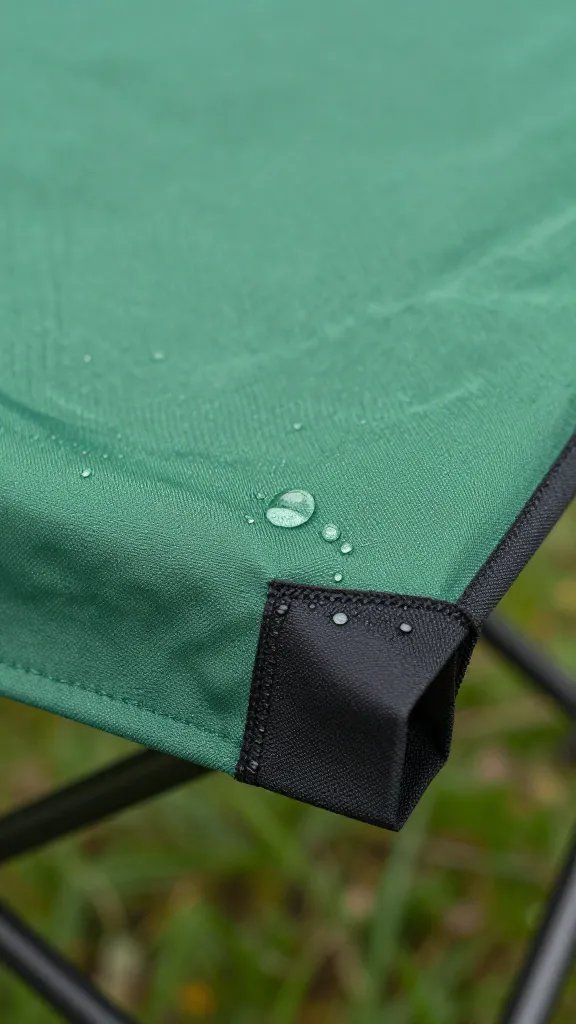
- Bottom (Dry): A lightweight tarp or waterproof picnic mat keeps moisture off clothes and linens. Size it at least 30 cm larger on all sides than your top cloth.
- Middle (Firm): A dense wool blanket or yoga mats placed edge-to-edge create a cushioned, wobble-resistant surface. Two standard yoga mats under the sitting area prevent heels and glass stems from sinking.
- Top (Formal): A pressed cotton or linen tablecloth sets the tone. White reads most formal; a subtle pattern hides crumbs and pollen better.
Step-by-Step: The “Tuxedo” Edge
- Lay the tarp flat and anchor the corners with closed shoes or small bags — not stakes.
- Center the firm layer on top. If using mats, butt edges tightly and overlap with the blanket to hide seams.
- Drape the pressed tablecloth. Smooth it once with open palms, front to back.
- Fold a 10–12 cm border of the tablecloth up and over itself on all four sides to form a raised “lapel.” Tuck a slim paperback or menu under each corner to keep shape.
Takeaway: Use three layers and a 10–12 cm folded border to create a dry, firm, and clean serving frame.
Place Settings That Survive Grass, Wind, and Long Dresses
Black-tie calls for real pieces, but outdoors you need compact, stable items. I pack one handled tote per two guests.
- Plates: Lightweight enamel or bamboo-fiber dinner plates — they won’t shatter or flex.
- Cutlery: Full-size stainless with rounded tips; wrap each set in a cloth napkin secured with a hair tie.
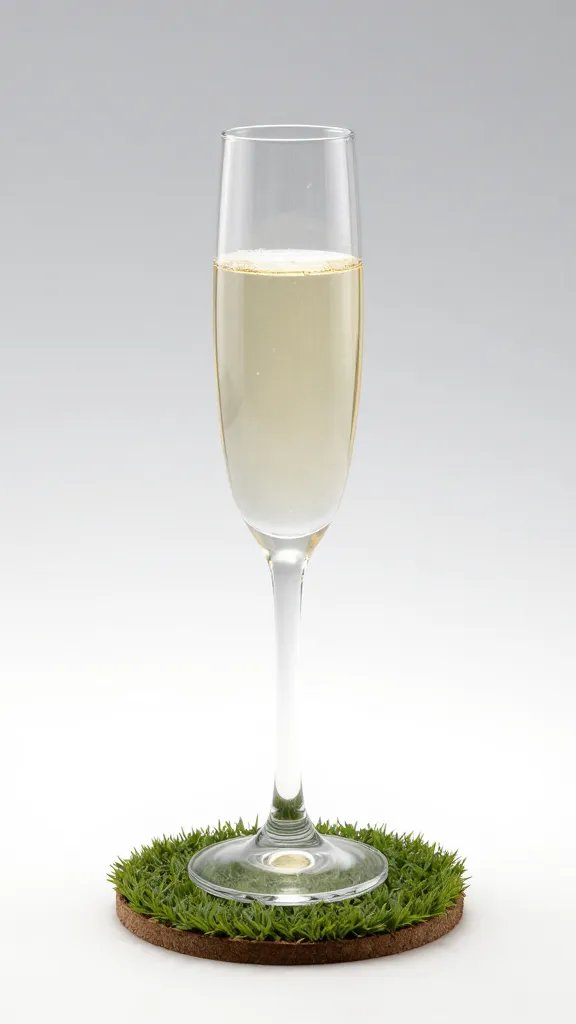
- Glassware: Short-stem coupes or sturdy tumblers instead of tall flutes. They sit lower and won’t topple.
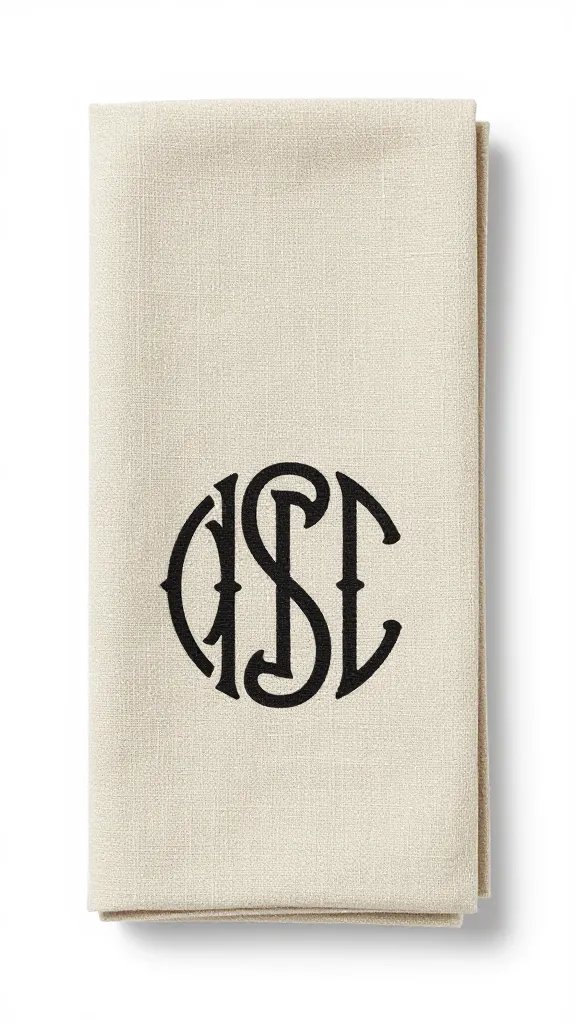
- Napkins: Cotton or linen, pressed and folded once. Paper reads casual and blows away.
- Serving: One small wooden board per couple to elevate cheeses off the cloth.
Wind-Proofing the Setting
- Slip a flat river stone or coaster under each napkin corner.
- Use the folded “lapel” edge as a rail to park glasses and prevent rolling.
- Keep menus and place cards inside napkin folds.
Action today: Swap tall flutes for short coupes and pre-wrap cutlery in napkins with a hair tie.
Formal Food That Travels Well and Serves Cleanly
Outdoor black-tie food should be knife-optional, clean to portion, and safe without constant refrigeration. I build a menu that sits well for 60–90 minutes.
- Proteins: Sliced roast chicken, cold beef tenderloin, or smoked salmon. Pre-slice and layer with lemon slices or herbs.
- Grains/Salads: Farro or couscous with roasted vegetables; dress lightly at home to avoid sogginess.
- Cheese: Firm or semi-firm like Comté, Manchego, or aged Gouda. Pre-cut batons prevent crumbly mess.
- Bread: Small rolls or pre-sliced baguette wrapped in a tea towel to absorb condensation.
- Dessert: Individual tarts, macarons, or chocolate-dipped strawberries. No crumbly cakes.
Clean Service: No-Drip, No-Smear
- Pack dressings and condiments in small jam jars with tight lids. One jar per two guests.
- Use two serving spoons per dish: one “clean” spoon that never touches plates, one “service” spoon that does.
- Line serving boards with parchment cut to size; toss after service to keep the cloth pristine.
Takeaway: Pre-slice everything, use firm cheeses, and portion desserts individually to keep hands, sleeves, and the tablecloth spotless.
Temperature, Safety, and Timing Without Special Gear
You don’t need catering coolers. You need smart packing and a clock. I keep cold items safe for two hours from leaving the fridge.
- Cold Pack: Freeze two water bottles the night before; place them alongside proteins and dairy. They double as drinking water later.
- Shade: Set up under a tree or create shade with an umbrella anchored in a tote filled with books. Direct sun warms food in 15 minutes.
- Serve Order: Unpack and plate breads and salads first, proteins last. Keep dairy and seafood in the tote until guests sit.
- Time Check: Start eating within 20 minutes of setup. Return leftovers to the tote with the frozen bottles after 60 minutes.
Action today: Freeze two water bottles to use as ice packs and hydration in one.
Dress-Safe Seating and Movement on the Blanket

Long hems and formal fabrics snag and wrinkle fast. I map traffic like a dining room and assign clear zones.
- Seating Zone: Place cushions or folded throws along two adjacent sides of the blanket so guests face the food without reaching across plates.
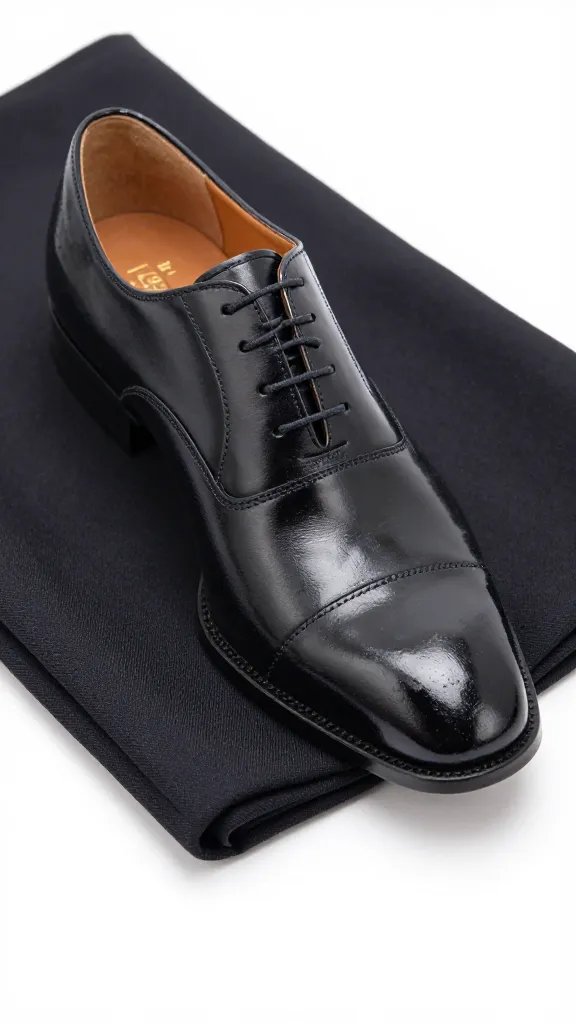
- Footwear Protocol: Shoes off on the tarp, not the cloth. Keep a clean corner or a small doormat for re-shoeing.
- Glass Lane: Reserve the far “lapel” edge as the glass rail. No elbows past the rail.
- Spill Kit: A dark tea towel, a small spray bottle of water, and club soda for immediate stain blotting.
Emergency Stain Fix
- Blot with the dark towel, don’t rub.
- Spritz water, blot again.
- For wine, pour a little club soda, lift with the towel, then cover with the towel to hide the area.
Takeaway: Create a “glass rail,” define seating on two sides, and keep a spill kit at arm’s length.
Discreet Waste, Cleanup, and a Graceful Exit
Nothing breaks the mood like rustling bags and frantic folding. I pack cleanup to look intentional.
- Waste: One paper grocery bag fitted with two nested trash bags — one for recyclables, one for food waste. Tuck it under the board during the meal.
- Crumb Control: Lift the parchment from boards and fold inward before tossing. Shake the top cloth away from people, downwind only.
- Fast Fold: Fold the top cloth corner-to-corner twice, stains inward. Roll the tarp last so any moisture stays contained.
- Final Sweep: Hand-light check for toothpicks, stones, and bottle caps. Leave the lawn cleaner than you found it.
Action today: Pre-pack a paper grocery bag with two nested liners so waste sorting is effortless and discreet.
Frequently Asked Questions
How do I keep the tablecloth from billowing without using ugly clips?
Use the “Tuxedo” Fold to create a 10–12 cm border and tuck slim, flat weights at the corners — a paperback, a compact umbrella, or a phone power bank in a napkin. Distribute one small river stone per napkin to pin edges. Keep heavy items like water bottles against the upturned border to reinforce the frame.
What do I wear so I can sit comfortably without ruining formal clothes?
Choose fabrics with a little structure: wool blends, taffeta, or thicker satin rather than slinky silks. Men can sit cross-legged with jacket unbuttoned; women can use a folded throw as a lap board under the knees. Avoid stilettos on grass and bring foldable flats or loafers for the blanket.
Can I serve sparkling wine without flutes?
Yes — short coupes or sturdy stemless tumblers work better outdoors. Chill the bottle thoroughly, open it on the tarp edge, and pour with the glass resting on the wooden board to prevent tipping. Keep a tea towel over the bottle between pours to control drips on the cloth.
How do I keep food safe without a cooler?
Freeze two water bottles overnight and pack them next to proteins and cheeses in an insulated tote. Set up in shade and start eating within 20 minutes. Return leftovers to the tote with the frozen bottles after 60 minutes and finish or discard them within two hours of leaving the fridge.
What if the ground is very uneven?
Place yoga mats or folded picnic blankets under the serving area only, then the regular blanket over everything. Use the wooden boards as micro-tables for plates and glasses, and keep the heaviest items centered. If a corner dips, slide a folded scarf or napkin underneath to level it discreetly.
How do I make the setup look formal when all I have are household items?
Press your top cloth and napkins, keep the palette tight (two colors plus metal), and use real cutlery. Add one small floral cluster in a low jar and one candle in a windproof holder if allowed. The consistent materials and the crisp “lapel” border do most of the visual work.
Conclusion

The “Tuxedo” Fold turns a lawn into a dining room you can trust with satin and tux wool. Set your three layers, build the raised border, and keep service compact and wind-safe — you’ll feel in control from first cork pop to last crumb. If you’re ready to refine further, plan a test run this weekend with two friends and a single-course menu. One successful rehearsal makes your black-tie picnic feel effortless when it counts.
Leave a Reply