Sustainable Luxury: Why 100% Organic Cotton Napkins Are a Picnic Essential Unpacked
· Samantha Jones
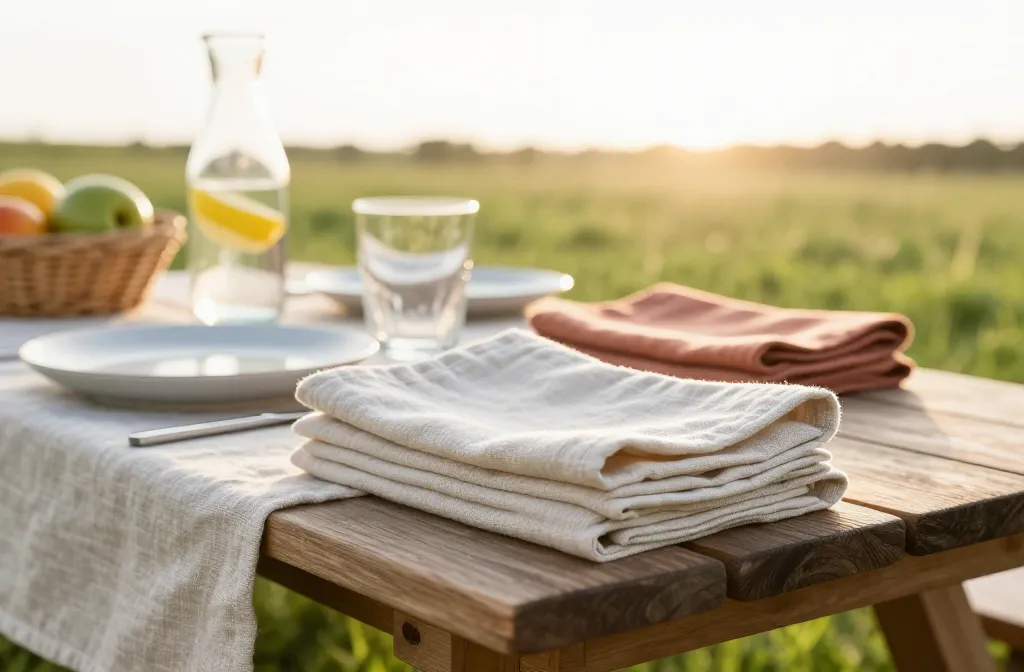
I used to pack paper napkins for every picnic and always ran out by dessert. The switch to 100% organic cotton napkins solved the mess, looked better in photos, and cut my trash bag in half. In this guide, I’ll show you why organic cotton napkins deliver real luxury outdoors and how to choose, use, and care for them with only basic household tools. You’ll leave knowing exactly what to buy, how many you need, and how to keep them spotless without special gear.
What “Sustainable Luxury” Actually Means at a Picnic
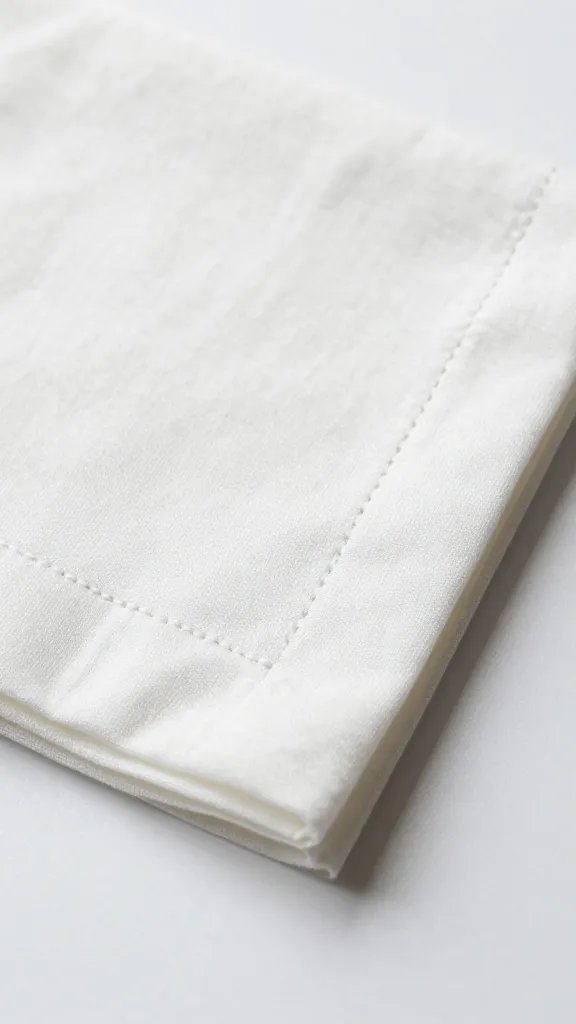
Luxury at a picnic is comfort you can feel and quality you can see. 100% organic cotton gives you both without the guilt of single-use waste.
Organic farming avoids synthetic pesticides and fertilizers, which protects soil life and waterways. That stewardship shows up in fabric that feels soft yet sturdy, not slick or papery.
Reusable napkins shrink your trash volume and your ongoing costs. Four picnics in, you’ve already spent less than buying premium disposable packs every time.
Action today: Count how many paper napkins you usually burn through per picnic; plan to replace them 1:1 with cloth for your next outing.
Why 100% Organic Cotton Beats Paper and Poly Blends Outside
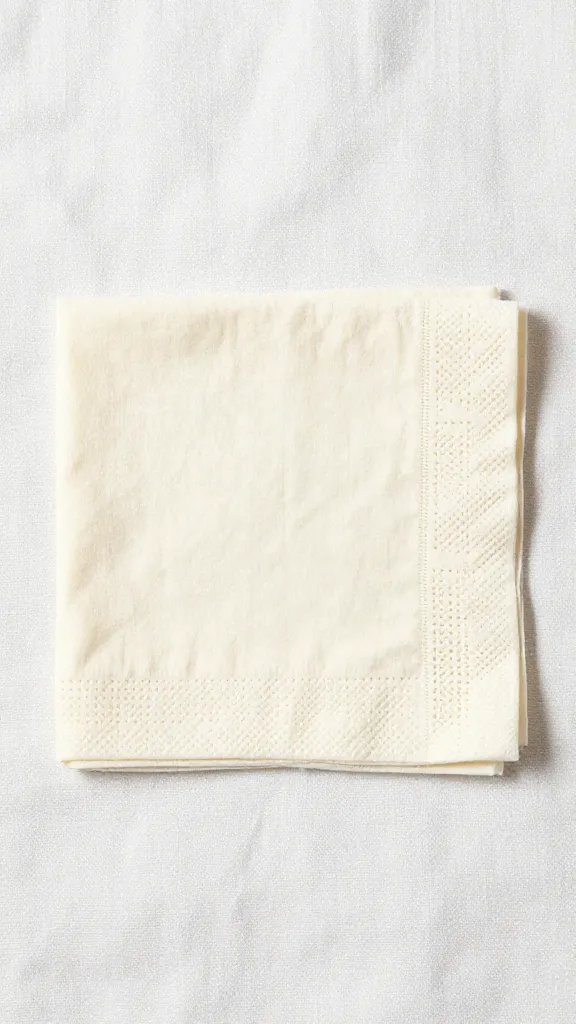
Paper tears under saucy ribs, watermelon, and oily dressings. Blended synthetics smear and hold odors. Organic cotton absorbs quickly, wipes cleanly, and dries fast in a light breeze.
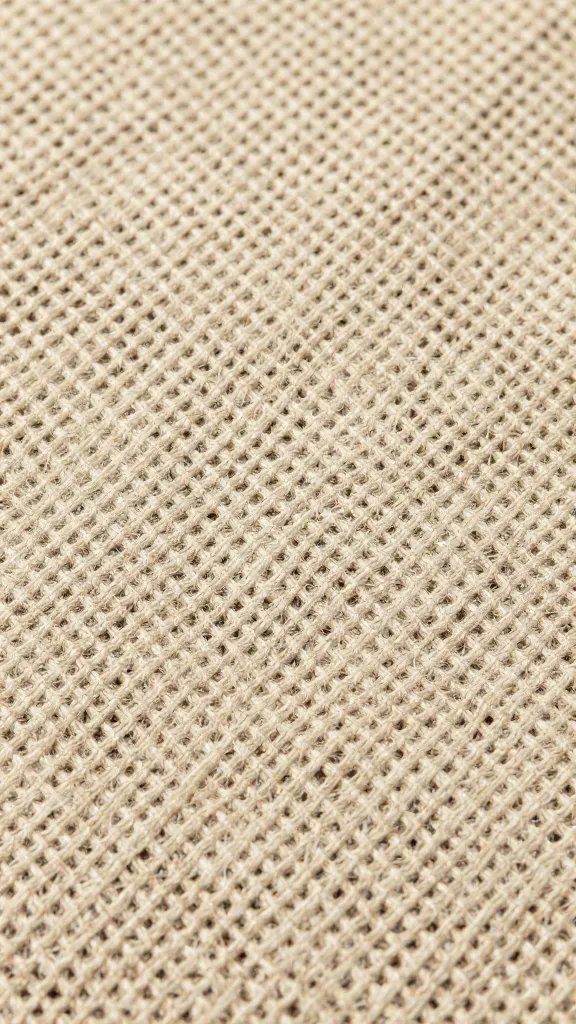
Look for a medium-weight weave (think shirt-weight to light tea towel). It’s thick enough to protect clothes but thin enough to air-dry on a branch or the stroller handle in 20–40 minutes.
Pure cotton also handles heat. You can use it as a pot-holder sleeve for a warm pie tin or to lift a kettle handle without melting fibers.
Action today: Test one napkin at home: spill a teaspoon of olive oil and a teaspoon of water on a plate and wipe. If it smears or leaves wet streaks, skip that fabric.
How Many Napkins You Actually Need (And What Sizes Work)
I bring two per person for daytime picnics and three per person for saucy spreads or kids. That covers laps, faces, and an extra for serving.
For size, 16–18 inch squares handle laps and hands without feeling bulky. If you host grazing boards, add two 20-inch squares to use as bread liners or to wrap fruit.
Pre-wash shrinks cotton 3–8%. Buy a set that lists finished size after washing, or plan for a one-inch shrink on each edge.
Action today: For a family of four, set aside eight 16–18 inch napkins in a contrasting color so they’re easy to spot in the picnic basket.
Choosing the Right Fabric Weave and Color for Real-World Messes
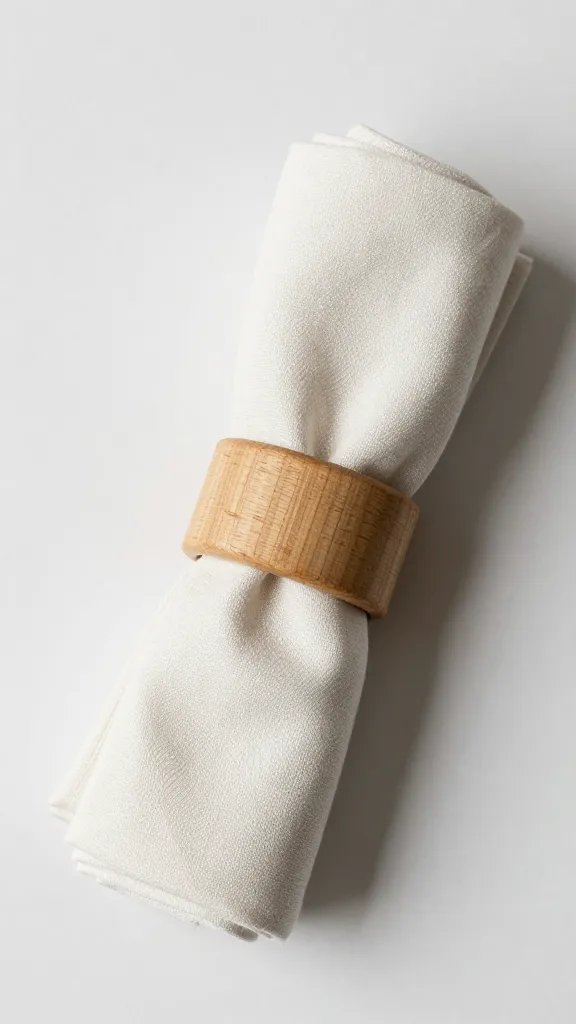
Weave matters. Twill resists stains and drapes well for laps. Plain weave (like a tea towel) absorbs fast and dries quickly. Sateen looks dressy but shows oil rings faster.
Pick colors that hide stains between washes. Mid-tones like olive, rust, denim blue, or charcoal mask berry juice and grass. Avoid bright whites if you picnic on lawns or serve tomatoes.
Patterns help. A simple stripe or small check camouflages light smudges and lets you stretch to a second use when water is scarce.
Action today: Rub a ripe strawberry on a fabric swatch in-store (or on a corner of your first napkin at home); if a cold-water rinse lifts most of it, that weave is picnic-ready.
Low-Effort Care With Only a Sink and Mild Detergent
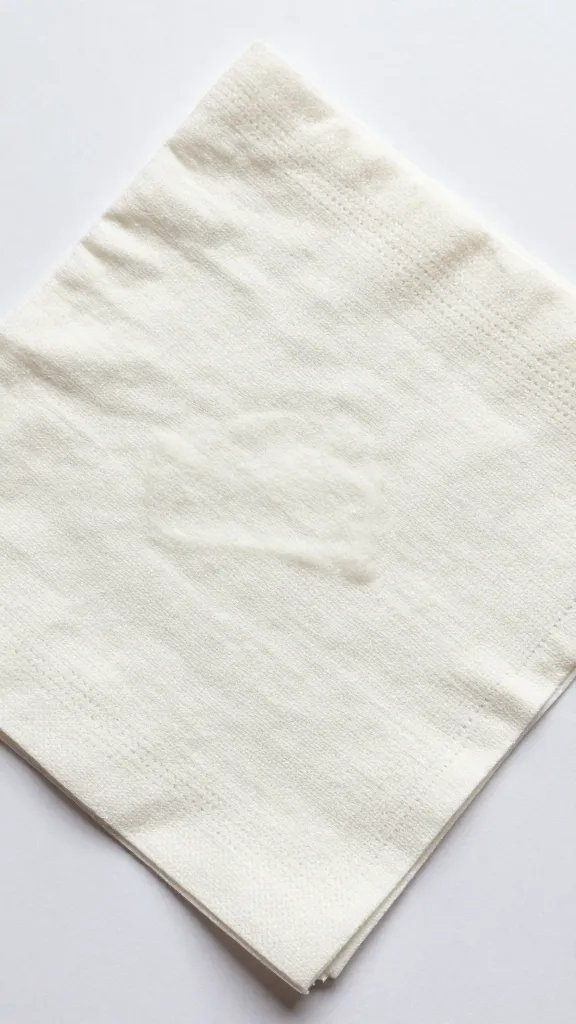
You don’t need stain pens or special soaps. Rinse stains with cold water as soon as you pack up. Cold lifts wine and berry pigments; hot sets them.
At home, soak stubborn spots in a bowl with a teaspoon of liquid laundry detergent per liter of cold water for 30 minutes. Then wash on a normal cycle and line-dry. Sunlight acts as a natural brightener and odor killer.
Quick Fixes for Common Stains
- Wine and berries: Cold rinse, then sprinkle a pinch of table salt to pause the stain until you can soak.
- Grease (olive oil, cheese): Work in a drop of dish soap with your fingers before washing.
- Grass: Dab rubbing alcohol on the spot with a cotton pad before laundering.
- Tomato sauces: Cold rinse, then soak with detergent; finish with line-drying in sun.
Action today: Pack a small zip bag with one spare napkin and a travel-size dish soap; use it for fast pre-treats at the park sink.
Smart Ways to Pack, Use, and Reuse at the Park
Fold napkins flat and slide them against the basket wall to save space. Wrap a loaf of bread or a pie tin with one napkin to protect it and skip plastic.
Assign colors to roles: dark napkins for laps, lighter for serving, a patterned one for knife wiping. That simple system keeps mess in check without extra supplies.
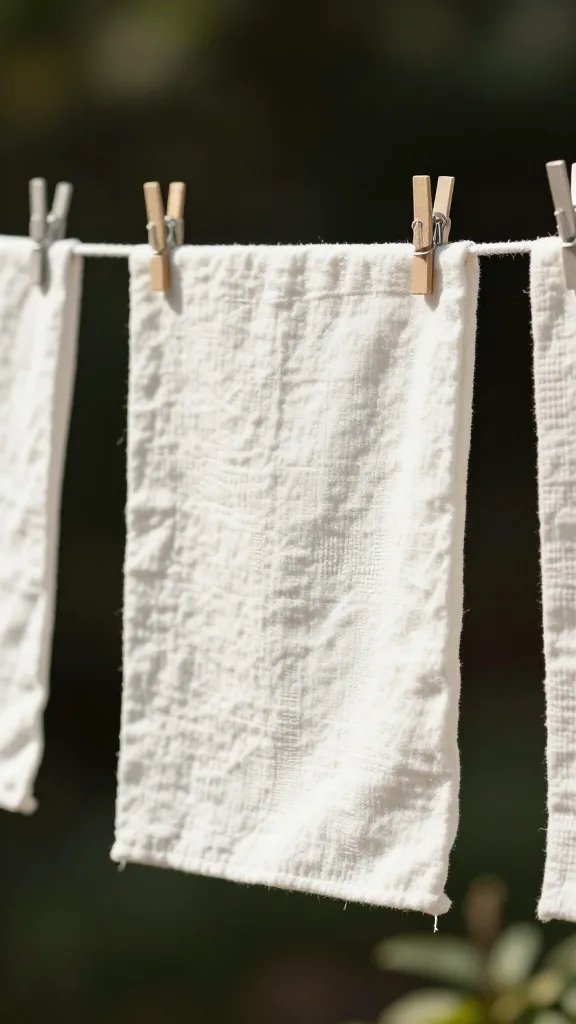
After eating, clip damp napkins to your backpack with clothespins or a spare hair tie. Airflow prevents odors while you walk home.
Action today: Add two wooden clothespins to your picnic kit; they weigh nothing and turn any bench back into a drying rack.
How to Buy Quality Without Paying for a Logo
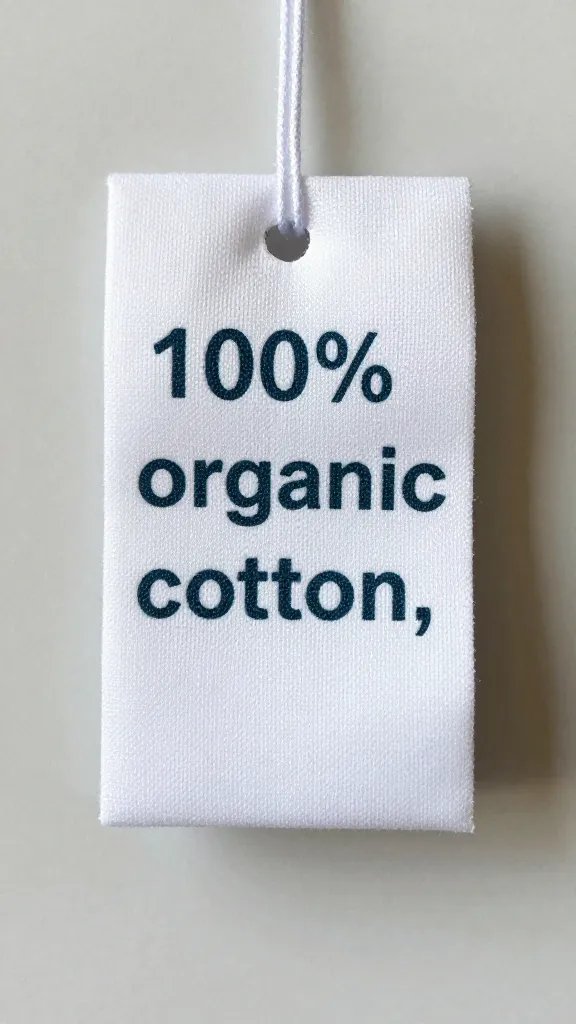
Skip “hotel” sets if they’re polyester blends. Check the fiber tag for 100% organic cotton. If you see “poly” or “microfiber,” put it back.
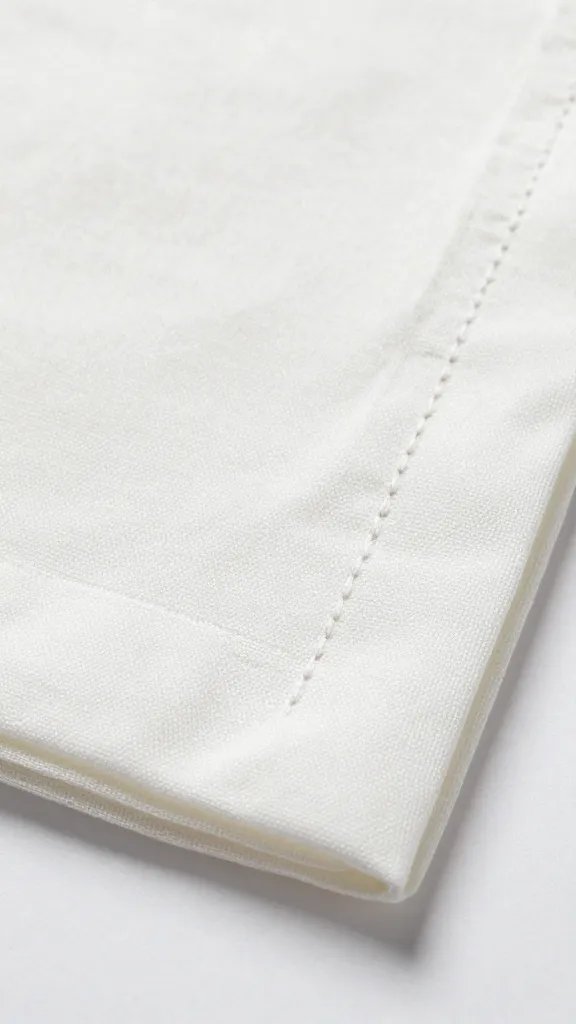
Feel the hem. A tight, even double-fold hem with tidy corners means the cloth won’t unravel in the wash. Loose single-fold hems curl and fray.
Certification helps. GOTS or OEKO-TEX labels indicate safer dyes and finishing. You’ll find these on packaging at standard home stores and garden centers with home goods sections.
Action today: In-store, hold a napkin up to the light; if you can clearly see your fingers through it, choose a heavier weave for better outdoor use.
Why Organic Cotton Lasts Years (And What Shortens Its Life)
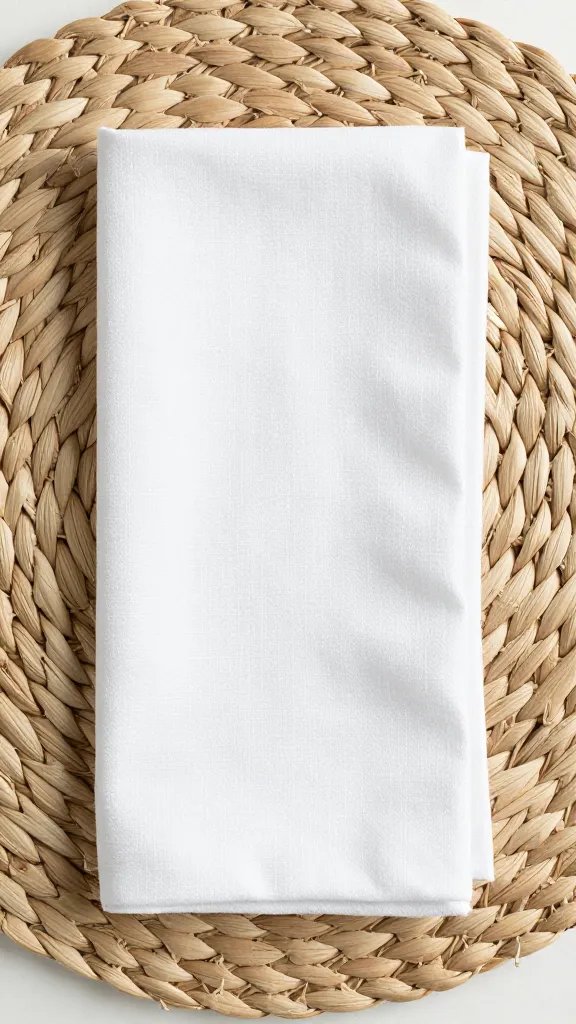
Organic cotton fibers are long and strong when not over-processed. High-heat drying and chlorine bleach break them down fast.
Wash warm or cold, skip fabric softener, and dry on low or line-dry. Ironing on medium with steam restores crisp edges for special picnics without harming fibers.
Rotate your set. Keep two picnic bundles and alternate them. This spreads wear and keeps each set looking sharp longer.
Action today: Set your washer to cold and turn off the automatic high-heat dryer setting for all napkins this week.
Frequently Asked Questions
Will organic cotton napkins stain too easily for outdoor eating?
No. Treat stains right away and they release. Rinse with cold water at the park, then pre-treat at home with a drop of dish soap on grease or a 30-minute cold soak with laundry detergent for colored stains. Line-dry in sunlight to lift residual marks. Choose mid-tone colors and subtle patterns to hide light smudges between washes.
Are cloth napkins hygienic for picnics without a washing machine nearby?
Yes, if you manage moisture and timing. Use one side for hands and the other for lap protection, then air them out on the walk home. Bag them in a breathable pouch rather than a sealed plastic bag. Wash the same day or next morning; cold pre-rinse keeps odors from setting.
How many napkins do I need for kids and messy foods?
Plan three per child when serving sauces, fruit, or ice cream. Use one as a bib by tucking a corner under a shirt collar or clipping with a clothespin. Keep one clean napkin reserved for serving or wiping utensils. Pack an extra in the glove compartment for surprise spills on the drive back.
Do I need special detergent for organic cotton?
No. Regular liquid laundry detergent works. Avoid chlorine bleach and fabric softeners, which weaken fibers and reduce absorbency. For brightening, add a scoop of oxygen bleach to the wash or rely on sun-drying to naturally lighten stains. Always rinse stains in cold water first.
What’s the best budget-friendly option if I’m switching from paper?
Start with a 6–8 pack of 16–18 inch plain-weave napkins from a home store that lists 100% organic cotton and a recognizable certification. Choose a mid-tone color to minimize visible wear. If cost is tight, buy a pack of organic cotton tea towels and cut/hem into squares, or simply use them full-size as dual-purpose napkin/placemats. Build a second set later to rotate.
Conclusion
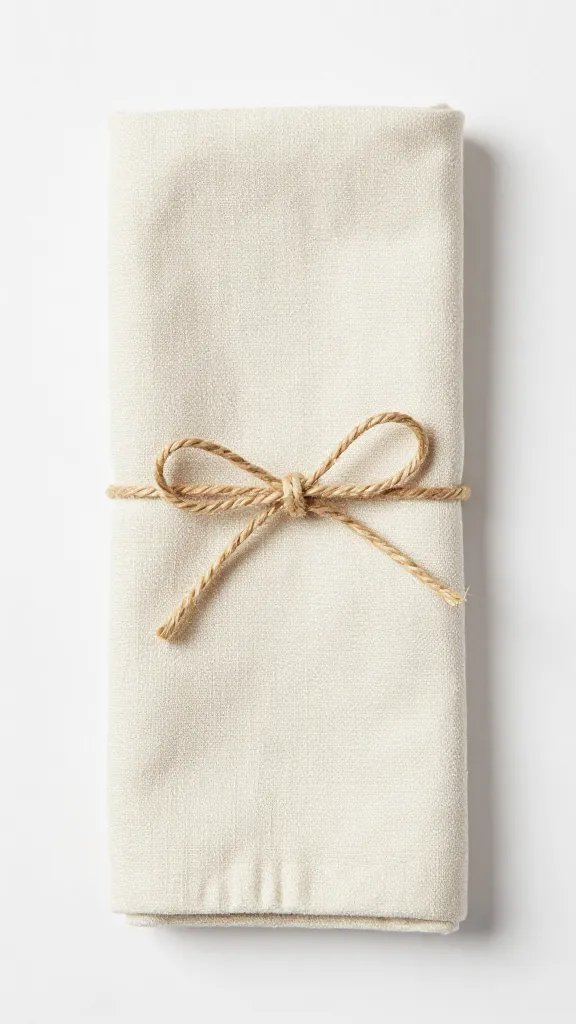
You don’t need a designer basket to make a picnic feel special; you need tools that work every time. A small stack of 100% organic cotton napkins delivers comfort, cuts waste, and holds up to real messes with simple sink-and-sun care. Set aside your first eight today, pack two clothespins, and plan your next picnic knowing clean, durable, and good-looking napkins are handled.
Leave a Reply