Zabaglione With Macerated Stone Fruit – A Light, Lush Italian Dessert
Zabaglione is one of those desserts that feels fancy but comes together with just a handful of ingredients. It’s silky, warm, and airy—almost like a custard crossed with a cloud. Paired with juicy, macerated stone fruit, it becomes bright and balanced, not heavy.
This is the dessert you make when you want something impressive without fuss. It’s simple enough for a weeknight and elegant enough for guests.
Why This Recipe Works

Zabaglione With Macerated Stone Fruit - A Light, Lush Italian Dessert
Ingredients
- For the macerated fruit:
- 3 cups mixed stone fruit, sliced (peaches, nectarines, plums, cherries, apricots)
- 2–3 tablespoons granulated sugar (adjust to fruit sweetness)
- 1 teaspoon lemon zest
- 1–2 tablespoons fresh lemon juice or orange juice
- Optional: 1 teaspoon vanilla extract or 1 tablespoon liqueur (amaretto, Grand Marnier, or Marsala)
- For the zabaglione:
- 6 large egg yolks
- 1/3 cup granulated sugar
- 1/2 cup Marsala wine (or a mix of dry white wine and a splash of brandy)
- Pinch of fine salt
- Optional: 1/2 teaspoon vanilla extract or 1 teaspoon lemon zest
- To serve (optional):
- Crushed amaretti cookies or biscotti
- Fresh mint leaves
- Lightly whipped cream (unsweetened or barely sweetened)
Instructions
- Prep the fruit. Combine sliced stone fruit with sugar, lemon zest, and citrus juice in a bowl. Add vanilla or liqueur if using. Toss gently and let sit 20–30 minutes, stirring once or twice, until a syrupy juice forms.
- Set up a double boiler. Fill a medium saucepan with an inch or two of water and bring to a gentle simmer. Place a heatproof bowl on top, making sure the bottom doesn’t touch the water.
- Whisk the base. In the bowl off the heat, whisk egg yolks, sugar, salt, and Marsala until combined and slightly lighter in color, about 30 seconds.
- Cook and aerate. Set the bowl over the simmering water. Whisk constantly, reaching all around the bowl. In 6–8 minutes, the mixture should triple in volume and thicken to a ribbon that holds briefly when dripped. Adjust the heat so it steams, not boils.
- Flavor to finish. When thick and glossy, remove from heat. Whisk in vanilla or lemon zest if using. Taste and adjust with a pinch more sugar or a squeeze of lemon if desired.
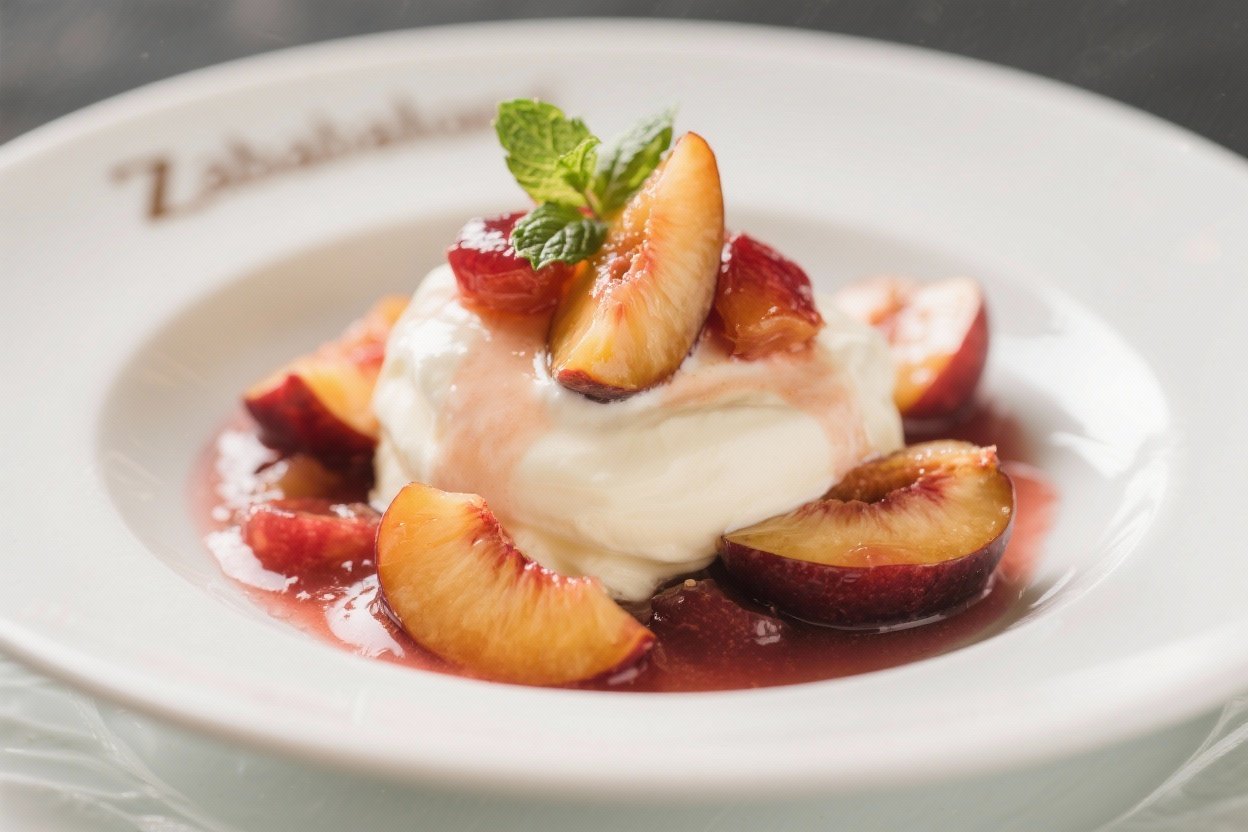
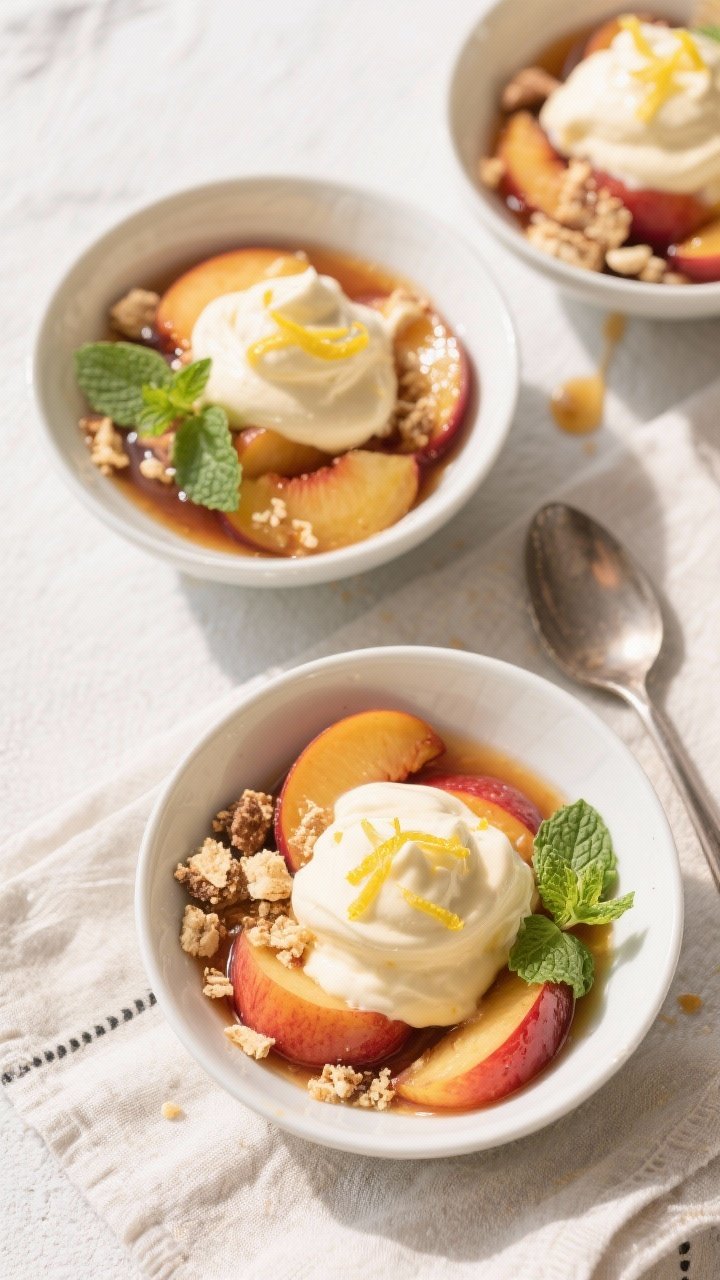
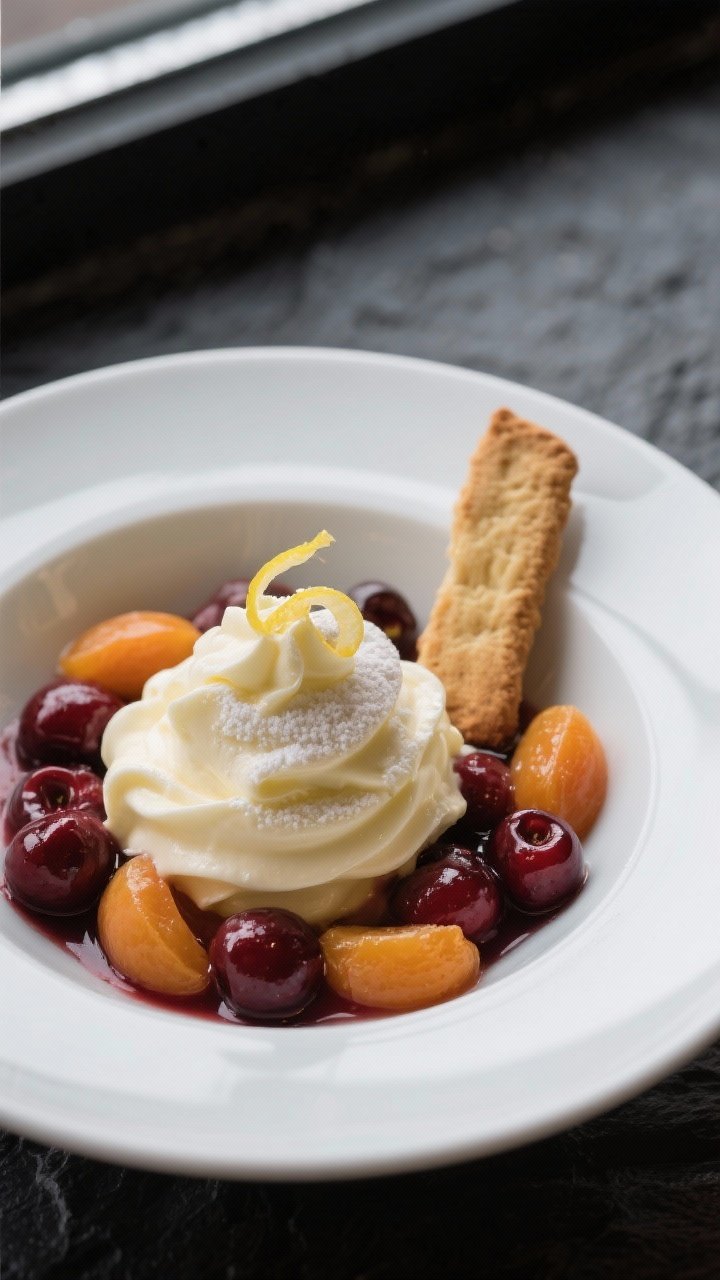
- Assemble. Spoon macerated fruit and juices into glasses or shallow bowls. Top with warm zabaglione. Garnish with crushed amaretti and mint, or a dollop of barely sweet whipped cream.
- Serve immediately. Zabaglione is best warm from the bowl with cool fruit underneath for contrast.
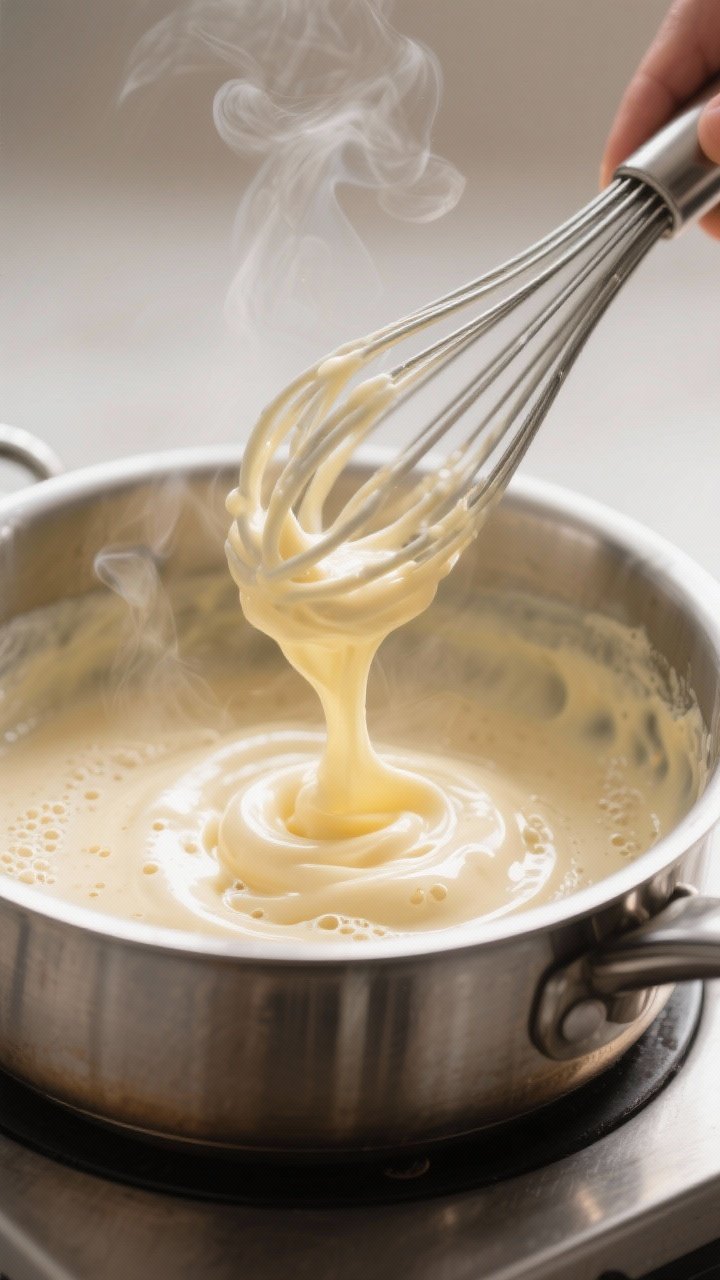
Zabaglione is traditionally made with egg yolks, sugar, and wine whisked together gently over heat until it’s thick and foamy. The technique traps air, creating a light, mousse-like texture without cream.
The wine adds fragrance and depth, which keeps the dessert from tasting one-note.
The macerated stone fruit—think peaches, plums, cherries, nectarines, or apricots—adds tartness and juiciness to balance the warm richness. A short soak in sugar and citrus brings out their juices and softens the edges. The contrast of warm zabaglione with cool fruit is a big part of the appeal.
Finally, this dessert is customizable.
You can choose your wine, adjust sweetness, and swap fruits based on what’s ripe. It’s flexible yet classic, and that’s why it works so well.
Ingredients
- For the macerated fruit:
- 3 cups mixed stone fruit, sliced (peaches, nectarines, plums, cherries, apricots)
- 2–3 tablespoons granulated sugar (adjust to fruit sweetness)
- 1 teaspoon lemon zest
- 1–2 tablespoons fresh lemon juice or orange juice
- Optional: 1 teaspoon vanilla extract or 1 tablespoon liqueur (amaretto, Grand Marnier, or Marsala)
- For the zabaglione:
- 6 large egg yolks
- 1/3 cup granulated sugar
- 1/2 cup Marsala wine (or a mix of dry white wine and a splash of brandy)
- Pinch of fine salt
- Optional: 1/2 teaspoon vanilla extract or 1 teaspoon lemon zest
- To serve (optional):
- Crushed amaretti cookies or biscotti
- Fresh mint leaves
- Lightly whipped cream (unsweetened or barely sweetened)
How to Make It
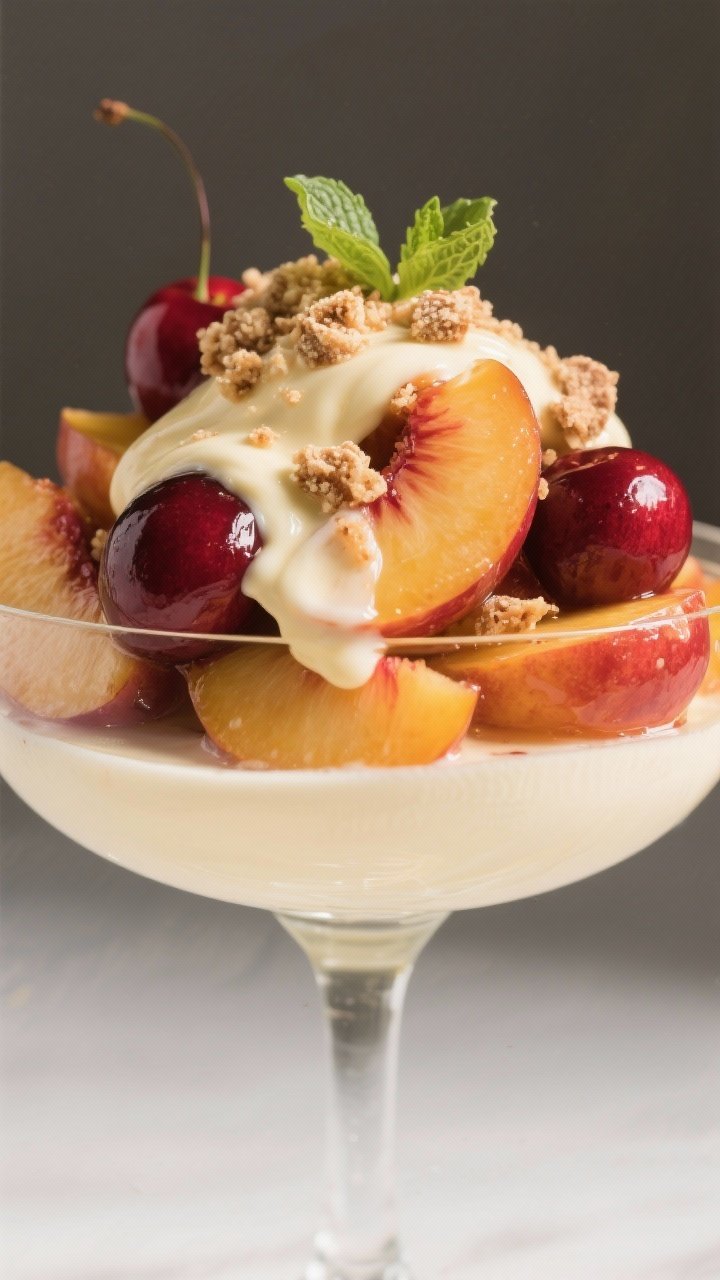
- Prep the fruit. Combine sliced stone fruit with sugar, lemon zest, and citrus juice in a bowl. Add vanilla or liqueur if using.
Toss gently and let sit 20–30 minutes, stirring once or twice, until a syrupy juice forms.
- Set up a double boiler. Fill a medium saucepan with an inch or two of water and bring to a gentle simmer. Place a heatproof bowl on top, making sure the bottom doesn’t touch the water.
- Whisk the base. In the bowl off the heat, whisk egg yolks, sugar, salt, and Marsala until combined and slightly lighter in color, about 30 seconds.
- Cook and aerate. Set the bowl over the simmering water. Whisk constantly, reaching all around the bowl.
In 6–8 minutes, the mixture should triple in volume and thicken to a ribbon that holds briefly when dripped. Adjust the heat so it steams, not boils.
- Flavor to finish. When thick and glossy, remove from heat. Whisk in vanilla or lemon zest if using.
Taste and adjust with a pinch more sugar or a squeeze of lemon if desired.
- Assemble. Spoon macerated fruit and juices into glasses or shallow bowls. Top with warm zabaglione. Garnish with crushed amaretti and mint, or a dollop of barely sweet whipped cream.
- Serve immediately. Zabaglione is best warm from the bowl with cool fruit underneath for contrast.
How to Store
Best enjoyed fresh: Zabaglione loses its airy structure as it sits.
Serve right after making for peak texture. If you must hold it, keep it warm over barely steaming water for up to 20 minutes, whisking occasionally.
Fruit keeps longer: The macerated fruit can be covered and chilled for up to 2 days. It may release more juice; that’s a plus.
Stir before serving.
Avoid freezing: Zabaglione splits and weeps once thawed, so freezing is not recommended.
Health Benefits
- Stone fruit is nutrient-dense: Peaches, plums, and nectarines offer vitamin C, potassium, and antioxidants like beta-carotene and anthocyanins.
- Controlled sweetness: The dessert is naturally sweet from fruit. You can keep added sugar moderate and still get big flavor.
- Protein from yolks: Egg yolks contribute protein and fat-soluble vitamins, making the dessert more satisfying in smaller portions.
- Alcohol volatility: Some alcohol from the wine evaporates during cooking, leaving flavor with less bite. Note: it does not fully cook off.
Pitfalls to Watch Out For
- Scrambled eggs: Overheating is the main risk.
Keep the water at a gentle simmer and whisk constantly. If you see steam billowing or the mixture thickens too fast, pull the bowl off heat and whisk vigorously.
- Too thin: If your zabaglione won’t thicken, the heat is too low or you stopped whisking. Return to the simmer and keep whisking until it ribbons.
- Overly sweet or flat: Balance is key.
Adjust sugar to your fruit’s sweetness and use citrus to brighten. A pinch of salt sharpens flavors.
- Watery fruit: Very ripe fruit macerates quickly. Don’t over-sugar or let it sit too long.
If it gets too juicy, spoon off some syrup or reduce it briefly in a pan to thicken.
Alternatives
- Wine swaps: Use Prosecco for a lighter, floral note; dry white wine for a cleaner profile; or sweet Marsala for classic depth. A splash of brandy or amaretto adds warmth.
- Non-alcoholic version: Replace wine with a mix of white grape juice and a tablespoon of lemon juice, or use a strong, cooled chamomile tea with a little vanilla.
- Fruit variations: In off-season, try pears, citrus segments, or berries. In summer, a cherry-only version is lovely.
- Dairy twist: For extra body, fold in a spoonful of softly whipped cream at the end to make a lighter, semifreddo-like texture.
This is not traditional but very forgiving.
- Make it cold: Chill the zabaglione over an ice bath after cooking, then serve it cool with fruit for a different vibe.
FAQ
Can I make zabaglione ahead of time?
It’s best made and served right away. If you need a head start, macerate the fruit in advance and have your ingredients measured and ready. Cook the zabaglione just before serving.
Is it safe to eat due to the eggs?
The mixture is gently heated to thicken, which also reduces risk, but it may not reach a full pasteurization temperature.
If you’re concerned, use pasteurized eggs. Keep the mixture warm, not hot, to avoid curdling.
What if I don’t have a proper double boiler?
Use a heatproof glass or metal bowl set over a saucepan of simmering water. The key is that the bowl should not touch the water, and the heat should be gentle.
How do I know when it’s done?
Lift the whisk and let the mixture fall back into the bowl.
If it forms a ribbon that sits briefly on the surface before dissolving, it’s ready. It should be glossy, thick, and airy.
Can I reduce the sugar?
Yes. Reduce the sugar in the zabaglione to 1/4 cup if your fruit is very sweet, but keep some sugar to help stabilize the foam and improve texture.
What wines should I avoid?
Avoid very oaky or heavily tannic wines.
They can taste harsh when warmed. Stick with Marsala, a light dessert wine, Prosecco, or a clean dry white.
Can I serve this over cake?
Absolutely. Spoon the fruit and zabaglione over a slice of sponge cake or a simple pound cake.
The juices soak in beautifully, making a quick trifle-style dessert.
What if it curdles?
If you catch it early, pull it off heat and whisk like crazy to smooth it out. You can add a tablespoon of cool wine to help loosen the texture. If it’s fully scrambled, start over—it happens to everyone.
In Conclusion
Zabaglione with macerated stone fruit is elegant, quick, and surprisingly light.
With just a few ingredients and some gentle whisking, you get a dessert that feels special without being fussy. Keep the heat low, taste as you go, and lean on ripe fruit for flavor. Once you make it, you’ll want to bring it back whenever stone fruit is in season—or you’re simply in the mood for something warm, silky, and bright.
Printable Recipe Card
Want just the essential recipe details without scrolling through the article? Get our printable recipe card with just the ingredients and instructions.