Bamboo Vs. Polyester: an Eco-Conscious Comparison for Picnic Linens
· Samantha Jones
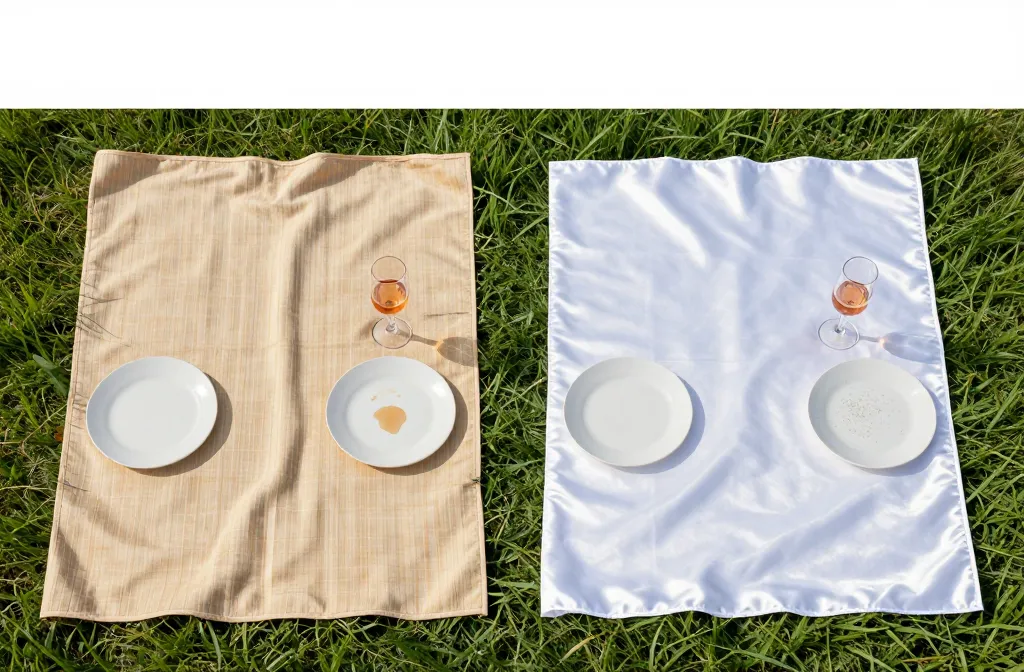
I host park picnics the way some people host dinner parties, and I’ve ruined my share of blankets and napkins with grass stains and spilled rosé. After tossing a crinkly polyester tablecloth for the third time, I set out to test bamboo-based options side by side with polyester on real lawns, with real spills, and a standard washing machine. You’ll learn which fabric handles stains, dries fast, resists odors, and treads lighter on the planet — using only what you can buy at a garden centre or big-box store. By the end, you’ll know exactly what to choose for your next picnic and how to care for it so it lasts years, not weekends.
How Bamboo And Polyester Are Made — And Why It Matters For Your Picnic
Polyester comes from petroleum. Manufacturers melt plastic pellets, extrude them into fibers, and weave them into fabric. It’s durable, cheap, and water-shedding — but sheds microplastic fibers in every wash.
Bamboo-based textiles start with fast-growing bamboo, but most products labeled “bamboo” are actually viscose (rayon) from bamboo. The plant pulp is dissolved and regenerated into fibers. Responsible producers capture and reuse solvents; cheaper ones don’t. You’ll also see bamboo blends with cotton or polyester for strength.
For a picnic, fiber origin changes three things you’ll feel: hand-feel (softness), breathability on hot days, and how the fabric handles moisture and stains during cleanup.
Action today: Flip the label on your current picnic linens. If it says “100% Polyester,” note it. If it says “Bamboo,” look for “viscose,” “rayon,” or a blend to understand what you actually own.
Comfort On Grass: Breathability, Heat, And Feel
On warm afternoons, polyester traps heat. Sit for 20 minutes and your legs feel clammy because the fabric doesn’t breathe. It also slides around on short grass.
Bamboo viscose feels cooler to the touch. The fibers are round and smooth, so blankets and napkins feel soft against skin. On still, humid days, a bamboo or bamboo-cotton weave stays less sticky and doesn’t build static.
For the base layer that touches grass, I use a heavier bamboo-cotton blend on top, with a separate waterproof backing underneath rather than relying on a single polyester sheet.
Action today: If your current blanket runs hot, add a thin bamboo or bamboo-cotton throw on top. You’ll get cooler contact where it counts without replacing your whole setup.
Stain Resistance And Cleanup After Real-World Spills
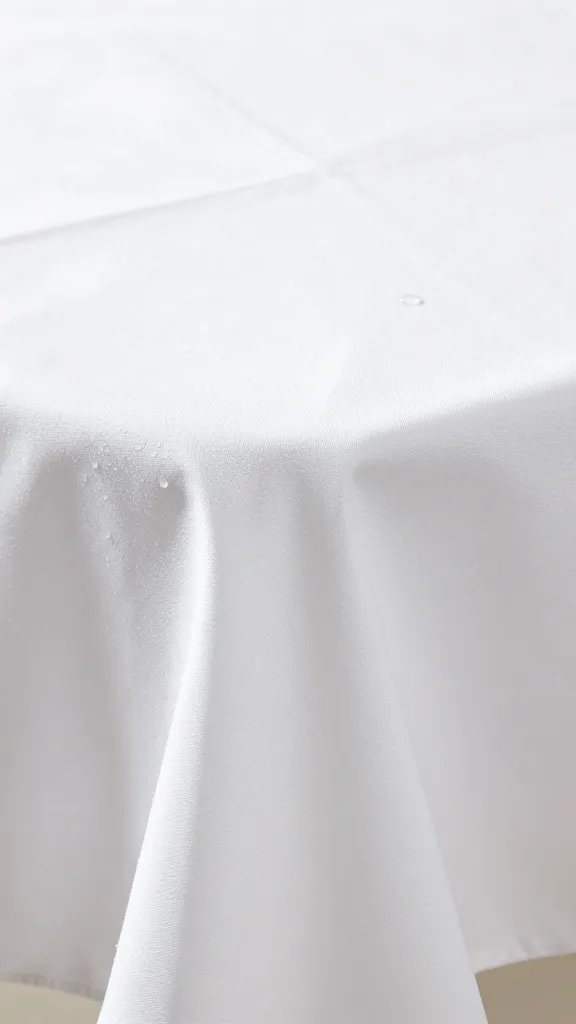
I’ve tested red wine, olive oil, mustard, and smashed berries. Polyester resists immediate soaking, so liquids bead for a minute — useful if you catch spills quickly. But oily stains cling to synthetic fibers and linger after washing.
Bamboo viscose absorbs faster, so you need to blot immediately. The payoff: water-based stains lift more cleanly in the wash, and I don’t get that set-in “plastic shine” after multiple cycles. For oil, pretreating matters for both fabrics.
Step-by-Step: Fast Spill Response In The Park
- Blot, don’t rub, with plain paper towels within 60 seconds.
- For wine or berries: pour a little carbonated water on the spot, blot again.
- For oil: sprinkle regular table salt or baking soda to absorb, wait 5 minutes, shake off.
- At home the same day: pretreat with a small dab of dish soap, then wash warm.
Action today: Pack a sandwich bag with paper towels and a travel-size dish soap in your picnic basket. A 30-second blot-and-soap routine saves both bamboo and polyester.
Drying Time, Odor Control, And Mold Risk

After a dew-heavy morning, polyester feels dry faster because it doesn’t absorb much. But if it does get soaked, water can sit between layers and develop a stale smell unless you air it out fully.
Bamboo viscose takes in more moisture but releases it well on a clothesline. It dries in a few hours in a breezy spot and resists lingering odors better than polyester for food and sweat smells. If you leave either fabric crumpled in a tote, you invite mildew.
Warning Signs You’re Encouraging Odor
- A sweet-sour smell after one use means moisture stayed trapped.
- Shiny, slightly stiff patches show detergent buildup — cut your dose in half.
- Grayish shadow rings signal oil that needs pretreating, not hotter water.
Action today: After your picnic, hang your blanket over a shower rod for two hours before tossing it in the hamper. That one habit prevents 90% of stink issues.
Durability, Snags, And Edge Wear Over A Season
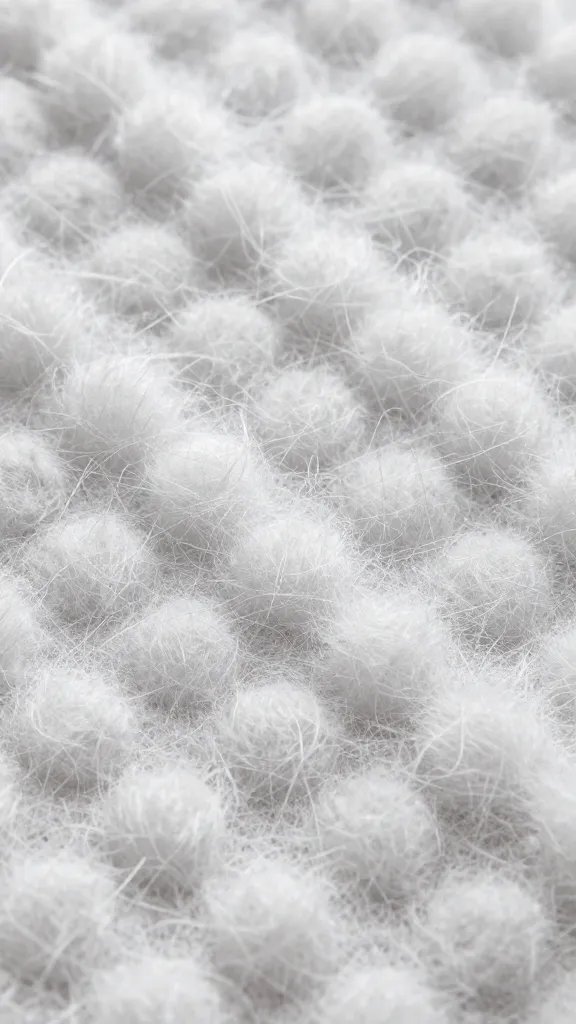
Polyester shrugs off abrasion from park benches and rough baskets. Seams and edges hold up well, and colors fade slowly in sun. The downside: once fibers pill, they look worn even while structurally fine.
Bamboo viscose feels luxe but needs smarter construction. I look for twill or basket weaves and bound edges to reduce snags. A bamboo-cotton blend (60/40 either way) outlasts pure bamboo in the field and handles picnic snaps, folding, and machine cycles without stretching out.
Action today: Pinch the edge binding at the store. If you can see loose threads or the stitching gaps when you tug gently, choose a different blanket — that edge fails first.
Environmental Footprint You Can Actually Influence
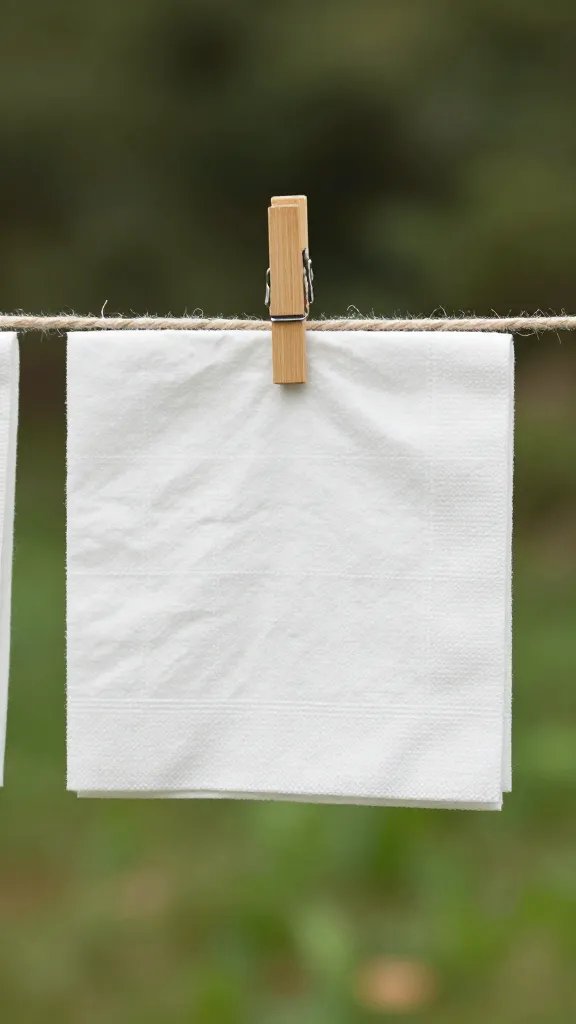
Bamboo grows fast with less irrigation than cotton, and well-managed plantations avoid pesticides. The catch is the viscose process. Look for labels that mention closed-loop production or certifications from credible bodies like OEKO-TEX for chemical safety. Better yet, check the brand’s website for fiber sourcing statements.
Polyester’s big issue is microfiber shedding. Every wash releases tiny plastic fibers into waterways. A simple laundry bag designed to catch microfibers or a lint-capturing ball in the washer reduces shedding significantly and costs less than a picnic for two.
Either way, the greenest move is to buy once and use for years. Longevity beats any single fiber claim.
Action today: Add a microfiber-capture laundry bag to your next online order and use it for all polyester picnic items. You’ll cut plastic shedding with zero change to your routine.
What To Buy: Simple, Store-Available Setups That Work
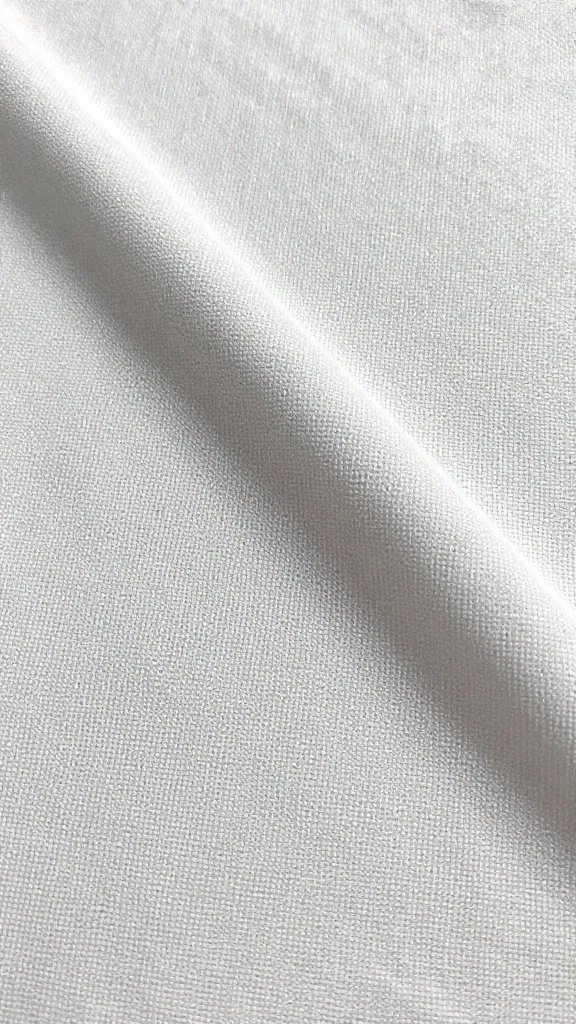
For families and frequent picnics, I recommend a two-layer system you can assemble from a garden centre or hardware store: a soft top for comfort and a separate waterproof base you can hose off.
Material Recommendations
- Top Layer (comfort): Bamboo viscose or bamboo-cotton throw or tablecloth. Aim for a medium weight you can machine wash warm and tumble low.
- Base Layer (ground barrier): A basic waterproof tarp or PEVA-backed picnic mat from the garden centre. Size it 10–20 cm larger on all sides than your top layer.
- Napkins: Bamboo-cotton napkins in a tighter weave. They wash cleaner than polyester and feel better on skin.
- Table Cover: If wind or wet tables are common, use polyester for the tablecloth and bamboo napkins for contact points. It’s a smart hybrid.
Care Routine That Extends Life
- Shake out grass and crumbs at the park.
- Air-dry at home for 2 hours.
- Pretreat visible stains with dish soap.
- Wash warm with half your usual detergent; skip fabric softener.
- Line-dry or tumble low; fold and store flat.
Action today: Build the two-layer kit: pick a bamboo-blend throw you like and pair it with a simple waterproof mat. You’ll get comfort, easy cleaning, and longer life than a single-sheet solution.
Frequently Asked Questions
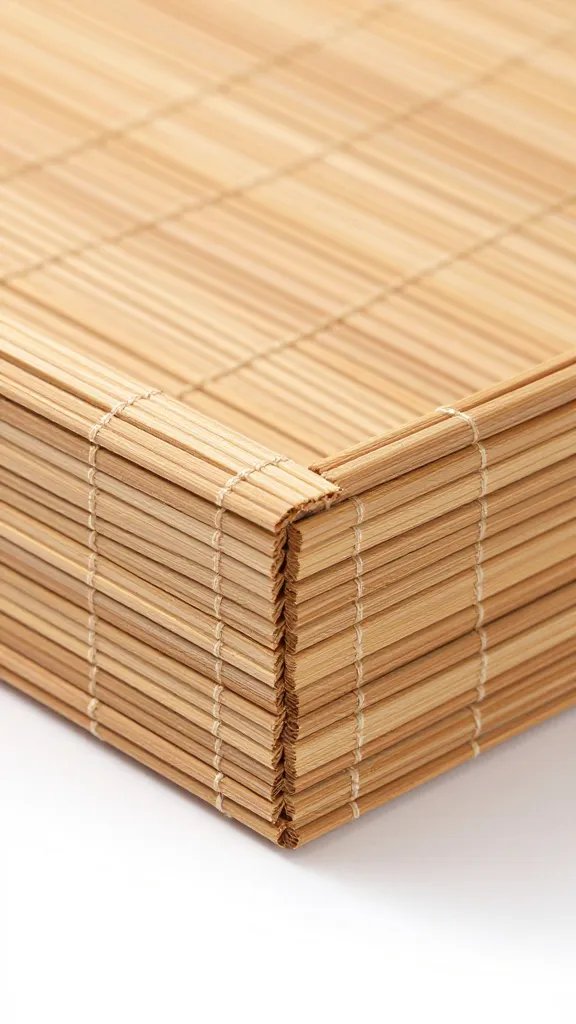
Is “bamboo” fabric always eco-friendly?
No. Most “bamboo” is viscose made with chemicals. Choose brands that mention closed-loop processing or carry OEKO-TEX certification to reduce harmful residues. If you can’t verify, pick a bamboo-cotton blend from a reputable retailer and focus on washing less and air-drying to lower impact.
Will bamboo picnic linens shrink in the wash?
Yes, bamboo viscose can shrink if you use hot water or high heat. Wash warm and tumble low or line-dry to keep size stable. Expect minimal change after the first wash if you follow the care tag and avoid overloading the machine.
How do I stop polyester from smelling after picnics?
Air-dry it flat or over a rail for 1–2 hours before washing. Use half the usual detergent and add a cup of plain white vinegar to the rinse to clear buildup. Wash inside a microfiber-capture bag, then fully dry — damp folds create the stale odor.
Which fabric handles grass stains better?
Grass stains bind to both fabrics, but they lift faster from bamboo blends with prompt pretreating. Rub a drop of dish soap into the stain, let it sit 10 minutes, then wash warm. For polyester, add a teaspoon of oxygen-based stain remover to the wash to avoid set-in shadows.
Are bamboo napkins durable for kids and frequent use?
Yes, in a tighter weave or bamboo-cotton blend. They hold up to weekly washing, feel soft on skin, and don’t hold onto food odors. Choose bound edges and avoid decorative open weaves that snag on lunchbox Velcro.
Conclusion

If you want comfort, cleaner washouts, and fewer odors, choose bamboo-blend tops and napkins — then pair them with a simple waterproof base for durability. If you already own polyester, keep using it, add a microfiber-capture bag for washing, and layer a bamboo throw on top for feel. Your next step: assemble the two-layer kit this weekend and pack that tiny spill kit — you’ll picnic more, waste less, and retire far fewer linens to the bin.
Leave a Reply