Host Etiquette: How to Choose a Spot That Respects Public Park Space
· Samantha Jones
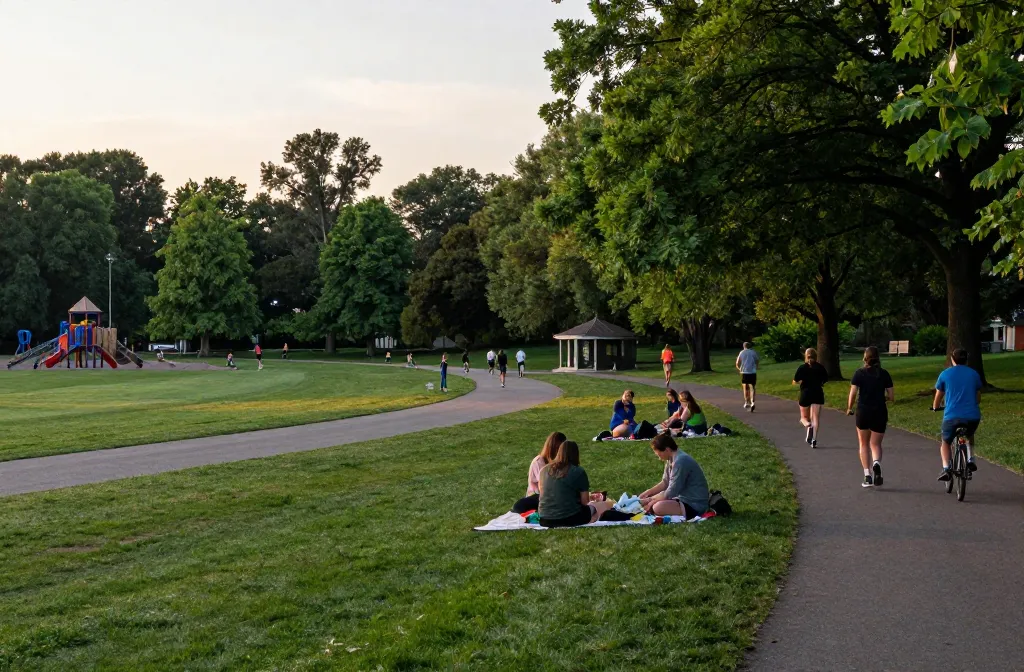
I host outdoor meetups a few times a month, and I’ve learned that the difference between a smooth event and a tense one usually comes down to where you set up. I’ve arrived early, staked a corner, and still annoyed joggers, birders, or a kids’ soccer practice because I didn’t read the space well. This guide shows you exactly how to pick a spot that respects the park, other visitors, and your group’s comfort. You’ll leave knowing how to assess ground, shade, noise, and proximity so you’re a host people want to invite back.
Read the Park Like a Map: Access, Flow, and Shared Use
Before you pick a patch of grass, look at how people move through the park. Paths, trailheads, and playgrounds draw constant foot traffic — if you set up within 10–15 feet of these, you’ll feel like you’re blocking a hallway.
Scan for posted rules at entrances and kiosks. Many parks designate open lawns for picnics and keep fields for sports. Do not claim a sports field, even if it’s empty; leagues often have permits and arrive on the hour.
Think about accessibility. Choose a spot within a 2–3 minute walk of an obvious landmark (restrooms, a pavilion, a statue) so late arrivals don’t wander. Make sure at least part of the route is smooth for strollers and wheels.
Action today: Walk the loop once before unpacking. If people detour around you as you pause, you’re in the way — choose a wider lawn or a side grove.
Protect the Ground: Choose Durable Surfaces and Dry, Level Spots

Wet grass and sloped ground turn any gathering into a mess. You tear turf, compact soil, and leave muddy scars that last weeks. Pick a level, dry area; if your shoes soften the ground when you step, move.
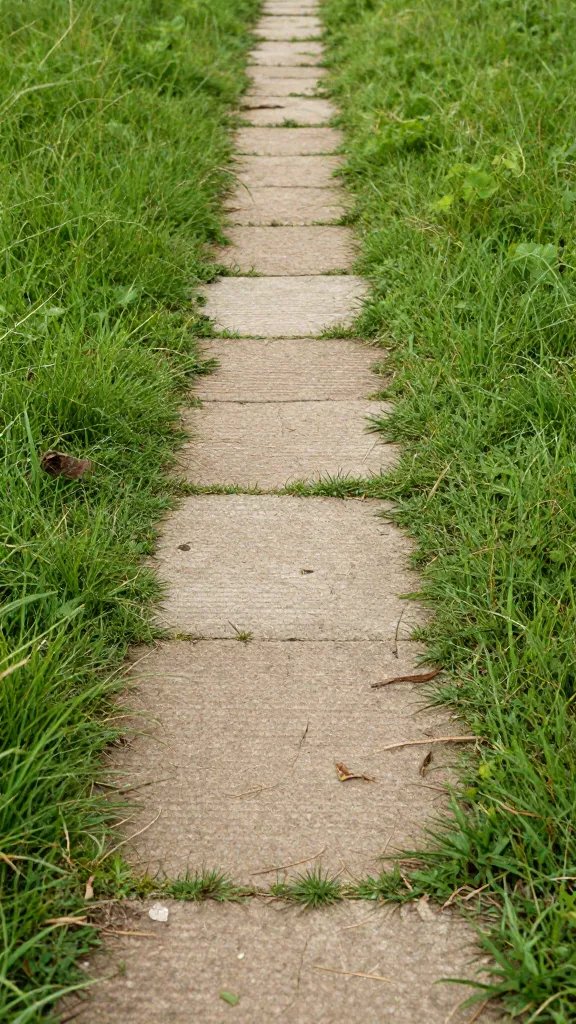
Prefer durable surfaces for tables, grills, or heavy coolers. A concrete pad, gravel apron, or the edge of a paved path (without blocking it) prevents ruts. Keep chairs and coolers off tree roots — roots extend well past the canopy and crush easily under repeated weight.
Warning Signs You’ll Damage the Site
- Standing water or shiny, flattened grass
- Exposed roots or thin turf under shade trees
- Ant mounds or fresh seeding signs
Action today: Carry a lightweight picnic blanket and one small tarp. If you must use grass, lay the tarp under coolers to spread weight and protect the turf.
Respect Trees and Wildlife: Shade Without Stressing the Canopy
Shade is gold, but trees are not gear racks. Never hang hammocks, lights, or banners from branches without explicit park permission. Bark damage invites pests, and repeated tension kills limbs.
Set up at least 6–8 feet from trunks to avoid trampling root zones. Keep food and trash sealed; squirrels and birds learn fast, and a fed animal becomes a nuisance that rangers have to manage. Locate away from known nesting areas, pollinator beds, and water edges where birds feed.
Low-Impact Shade Alternatives
- Freestanding pop-up canopy with sandbags or water weights (no stakes if the park bans them)
- Umbrella with a weighted base
- Schedule for morning or late afternoon when the sun is lower
Action today: Bring four refillable water jugs to use as canopy weights so you never tie off to a tree or fence.
Mind Noise and Privacy: Pick Natural Sound Buffers

Parks bounce sound. A Bluetooth speaker at “living room” volume can carry 50–100 feet on open lawn. Use landscape features as buffers: a low hill, a stand of shrubs, or a pavilion wall keeps sound contained and gives neighboring groups breathing room.
Stand where your group faces inward, not across a main path. This keeps conversations and laughter from projecting outward like a megaphone. If you expect games or kids with energy, leave a 20–30 foot buffer to the nearest other group.
Simple Sound Rules That Keep the Peace
- Cap speaker volume so you can talk without raising your voice at 6 feet
- Position speakers pointed toward your group, not the open park
- Quiet hours usually start at dusk — check signs and set an alarm 30 minutes prior
Action today: Do a 30-second “walk-away test” after you start music: walk 60 feet. If lyrics are clear, lower the volume two notches.
Plan Around Facilities: Restrooms, Bins, and Legal Cooking Spots
Host etiquette includes thinking about everyone’s basic needs. Restrooms within a 3–5 minute walk matter for families and older guests. If the nearest facilities are closed for cleaning, move; don’t send people across the entire park.
Place your setup 10–20 feet from trash and recycling so you use them without turning your spot into a traffic island. If grilling, use only designated grills or bring a tabletop unit and place it on paved ground with a metal tray beneath for drips. Many parks ban charcoal on grass.
Action today: Pack heavy-duty trash bags and a clip or string to hang one from your table edge. When it’s three-quarters full, tie and bin it — don’t overfill cans.
Share Space Politely: Permits, First-Come Norms, and Neighbor Check-Ins
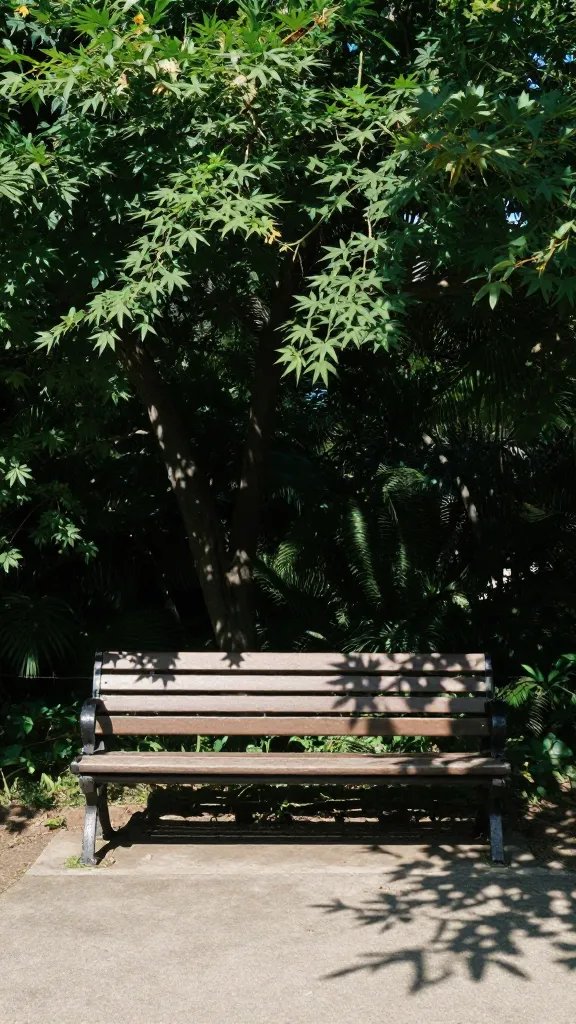
If you reserved a shelter, print or save the permit on your phone and display a copy on the table. Arrive 15–30 minutes early, but don’t sprawl beyond the reserved area. On open lawns, take only the space you’ll use in the next hour, not what you hope you’ll need later.
Introduce yourself to nearby groups as you settle in. One quick check-in about music, smoke direction, or kids’ games prevents 90% of conflicts. If a team or class with a clear schedule shows up, yield promptly even if you arrived first.
Step-by-Step: A Two-Minute Neighbor Check-In
- Walk over with a smile and a quick wave.
- Say your plan: “We’ll be here until 4 with light music.”
- Ask one question: “Is this volume okay, or should we turn it down a notch?”
- Offer a swap: “If you need more space for your game, we can slide 10 feet.”
Action today: Save a short note on your phone with your end time and phone number; if you step away, leave it on the table so rangers or neighbors can reach you.
Leave No Trace In Practice: Cleaning That Actually Works

End strong by leaving the spot cleaner than you found it. Do a slow, shoulder-to-shoulder sweep for bottle caps, straw wrappers, and bread ties — these hide in grass. Shake blankets over a trash bag, not the lawn.
Pack out food scraps. Bread, rice, and fruit peels attract pests and change wildlife behavior. Extinguish coals fully with water until they’re cool to the touch, then use designated ash bins only.
Five-Minute Exit Checklist
- Trash double-bagged and binned; recyclables separated
- Ground scan complete; no confetti or zip ties left
- Coals cold; grill surface wiped on-site
- Furniture marks checked; move items to unflatten grass
- Lost-and-found photo taken and shared with your group
Action today: Keep a small “park kit” in your trunk: two trash bags, nitrile gloves, paper towels, a 1-gallon water jug, and a zippered pouch for small litter.
Frequently Asked Questions

How close is too close to a playground or sports field?
Give at least 30 feet to playground edges so kids can run without weaving through your group. For sports fields, stay off painted lines and keep 50 feet of buffer; balls and players need runout space. If a field has a permit schedule posted, choose another area entirely.
What if the only shade is under a big tree?
Use the shade, but keep 6–8 feet from the trunk and avoid placing heavy items over visible roots. Don’t hang anything from branches. If wind picks up, switch to umbrellas with weighted bases or move to partial shade for the last hour.
Can I stake a canopy in a public park?
Many parks ban ground stakes to protect irrigation and roots. Use water jugs or sandbags as weights at each leg instead. Place the canopy on level ground and keep the footprint tight so you don’t sprawl into paths.
How loud can music be without bothering others?
Set volume so a person 6 feet away can talk at a normal tone. Do the 60-foot walk-away test; if lyrics are intelligible, lower it two notches. Point speakers inward toward your group and turn them off at dusk unless the park clearly allows amplified sound later.
What should I do if a ranger or another group asks me to move?
Pack first, discuss after. Apologize, relocate promptly, and then ask where you can set up to avoid repeating the issue. This keeps the interaction brief and respectful and shows you’re hosting in good faith.
How do I handle trash if bins are overflowing?
Double-bag your waste and take it with you. Overflow signals weekend volume or a pickup delay, and adding more creates windblown litter. Keep a spare contractor bag in your kit so you can pack out without leaks.
Conclusion
Great hosting in a public park starts with choosing a spot that fits your group without squeezing anyone else out. Walk the space, protect the ground, buffer sound, and plan for basics — then leave it better than you found it. Your next step: build a simple park kit and do a five-minute site walk before every meetup. That habit turns “just a picnic” into a welcome invitation for everyone who shares the park with you.
Leave a Reply