The Art of Being Thoughtful: Transforming an Outdoor Meal Into an Occasion Secrets
· Samantha Jones
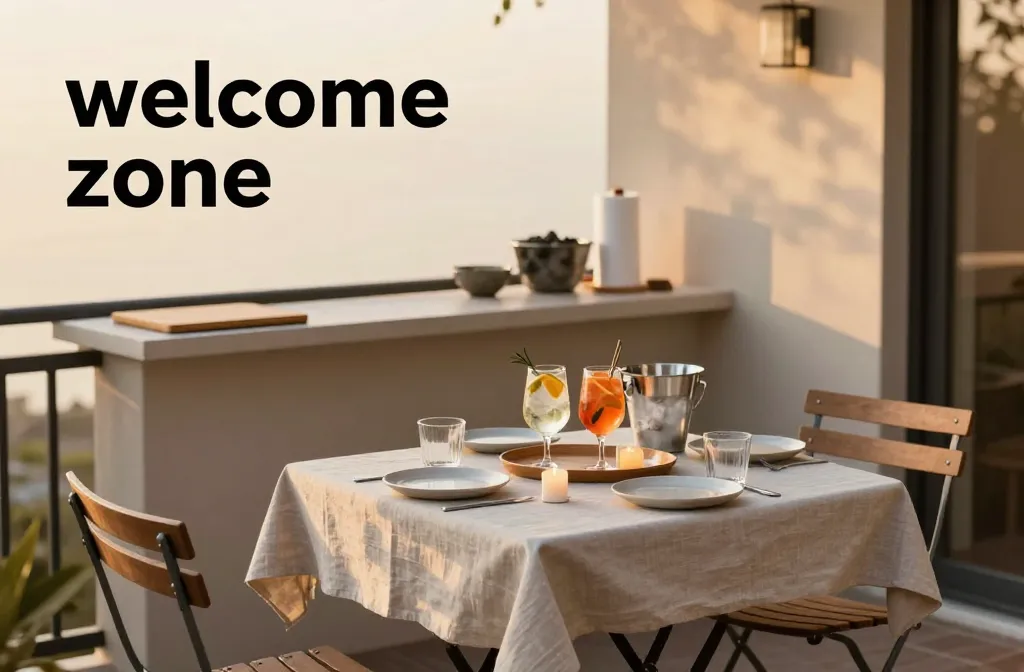
I started hosting backyard meals on a wobbly balcony table with two folding chairs and a single citronella candle. Guests still talk about those nights because I focused on small, human touches instead of fancy gear. You don’t need a chef’s toolkit or a designer patio to create a feeling of care. In this guide, I’ll show you how to design the flow, menu, setting, and timing so your outdoor meal feels intentional, welcoming, and surprisingly effortless.
Design the Flow Before You Set a Single Plate
Thoughtfulness starts with the path your guests take: where they land, what they sip, and how they settle. I map three zones with what I already own — a welcome spot for drinks, a prep-and-serve station, and a sit-down table. This keeps me out of traffic and keeps guests from hovering over the stove.
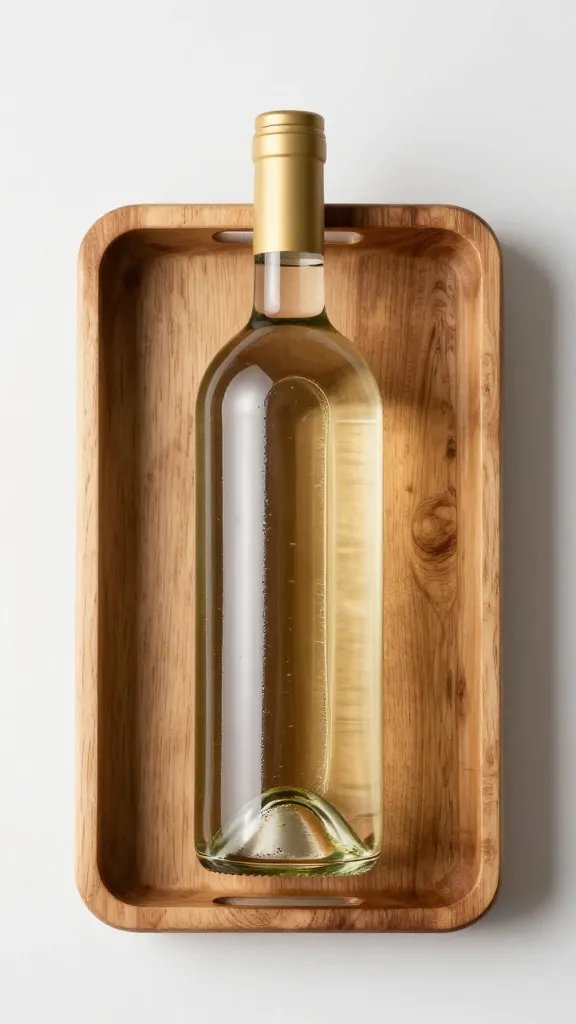
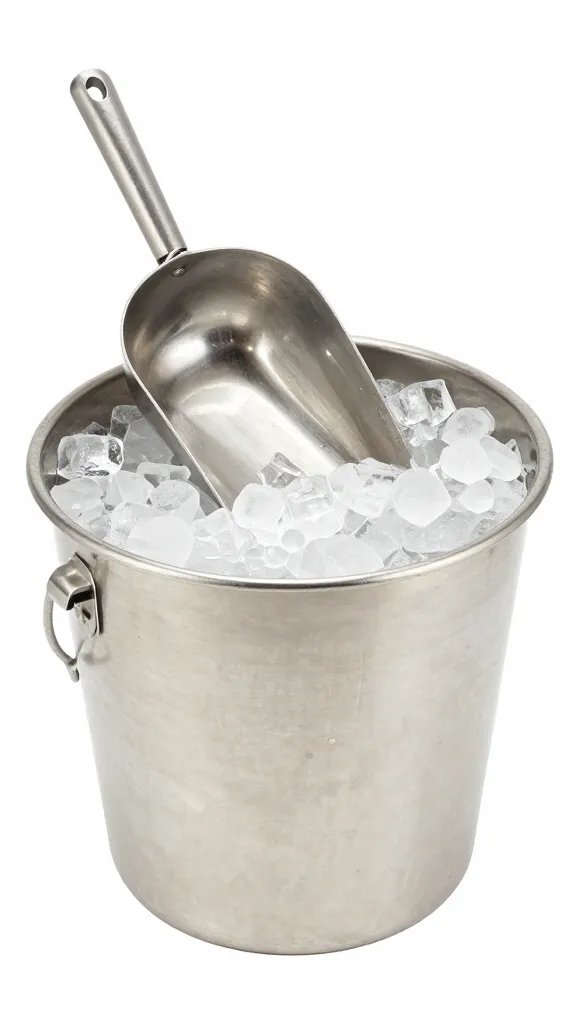
I place the welcome zone nearest the entrance with a tray, ice bucket, and two drink options: one alcoholic, one not. The serve station sits along a wall or railing with a cutting board, a roll of paper towels, a compost bowl, and a trash can — all within arm’s reach. The dining zone gets the calmest corner with the best evening light.
Action today: Walk your outdoor space and mark three zones with masking tape; then assign each zone a single job: welcome, serve, or dine.
Set a Table That Works Outdoors, Not Just Looks Good
Outside, wind, uneven surfaces, and dim light undo fussy setups. I keep the table sturdy with a tablecloth clipped underneath using binder clips or simple tablecloth weights. I use heavier plates and glasses to anchor place settings — ceramic plates and tempered glasses from the kitchen beat flimsy disposables every time.
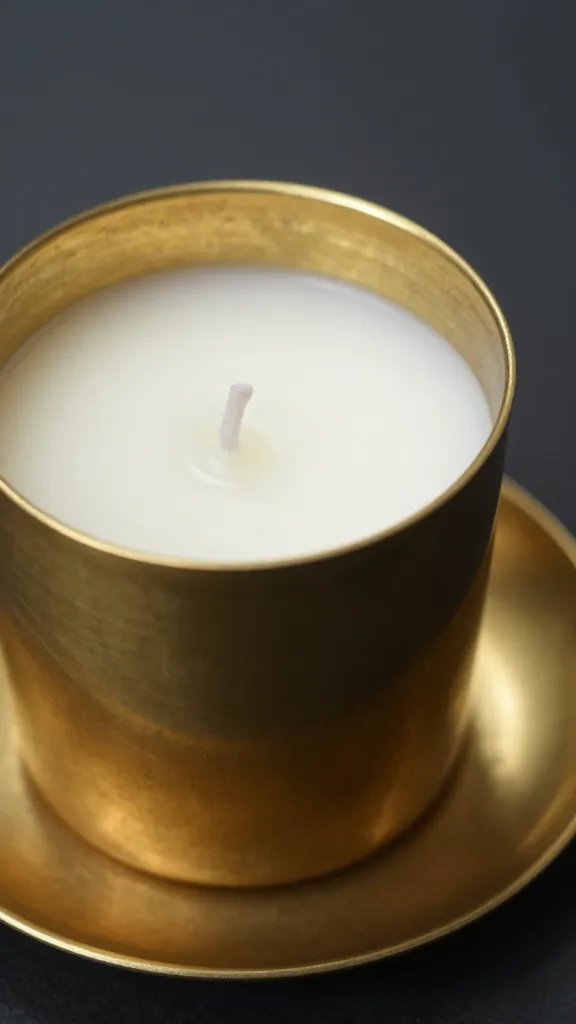
For lighting, I skip overhead glare and use three low light sources: two candles in jam jars and one battery lantern near serving platters. I lay cutlery horizontally at the top of each plate to save space on narrow tables, and I add a small bowl for pits, shells, or skewers so plates don’t get cluttered.
Wind-Proofing Essentials
- Clips or weights: Binder clips under the table edge, or metal key rings tied to cloth corners.
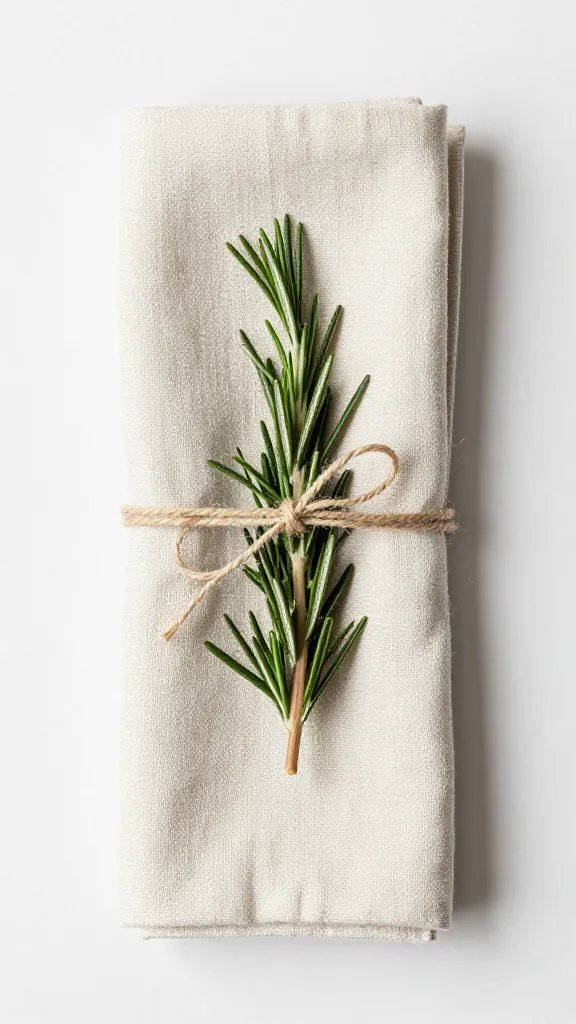
- Stable napkins: Cloth napkins rolled and secured with a rubber band hidden under a piece of twine.
- Menus: One shared printed card in a small frame instead of individual sheets.
Takeaway: Add weight to everything that sits on the table — plates, glasses, napkins, and tablecloth — and you won’t chase items all evening.
Cook Once, Assemble Twice: A Menu That Survives Heat and Delay

Thoughtful menus assume guests will be late and the weather won’t behave. I build around foods that taste good warm or room-temp and assemble at the last minute for freshness. I avoid a main dish that ties me to the grill for 30 minutes straight.
Here’s a reliable structure: one sturdy salad, one grain or bean dish, one centerpiece protein, and one cold thing with snap. For example: lemony cucumber salad, herbed couscous with toasted almonds, grilled chicken thighs with a yogurt-herb sauce, and chilled watermelon wedges with a pinch of salt.
Make-Ahead, No-Drama Components
- Sturdy salad: Shaved cabbage or kale holds dressing for hours. Dress 30 minutes before eating to soften.
- Grain/bean base: Couscous or canned chickpeas tossed with olive oil, lemon, and chopped herbs.
- Protein: Chicken thighs or portobello caps marinated in a zip bag; grill 6-7 minutes per side.
- Finisher: A sauce — yogurt with lemon zest and dill, or salsa verde from parsley, capers, and olive oil.
Takeaway: Choose a main that holds — chicken thighs, sausages, or marinated tofu — and pair it with one bold sauce you can make in 10 minutes.
Time the Evening With Two Simple Clocks
Outdoor meals fall apart when food and light don’t line up. I set two clocks: one for sunset and one for when guests arrive. I aim to sit down 30 minutes before sunset so people can see their plates, and I plan the grill to finish 10 minutes before that.
I back-time tasks from those two moments. If sunset is 8:15, I light the grill at 7:30, dress the salad at 7:40, start the protein at 7:45, and set bread on the table at 8:00. I keep this in my phone’s notes so I don’t think — I just do.
Takeaway: Look up sunset time and set an alarm for 45 minutes before; that’s your cue to light the grill and dress the salad.
Comfort Is the Real Luxury: Temperature, Bugs, and Seating
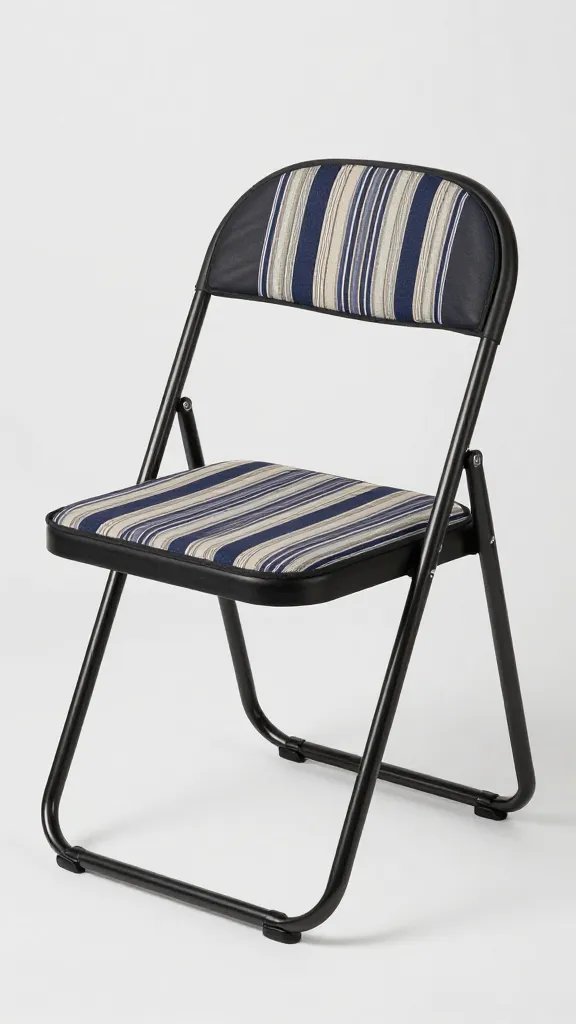
Guests remember if they were cold, bitten, or balancing on wobbly chairs. I stack simple comforts at the edges of the space so people can help themselves without asking. A basket of light throws, a pump bottle of unscented bug repellent, and a few seat cushions solve most complaints.
To keep bugs off food, I use mesh splatter screens from the kitchen as dish covers. I set a small fan on low near the table to push air across knees and ankles — bugs hate moving air. For chill, I keep a kettle ready for mint tea and a bottle of room-temp red; for heat, I freeze damp washcloths and offer them as cool-downs.
Takeaway: Place a small fan on the ground aimed under the table — it keeps mosquitoes off legs without shouting.
Make Guests Feel Seen: Small Rituals That Signal Care

Thoughtfulness is specific, not expensive. I greet each guest by name with a drink question that invites choice: “Sparkling water with lime or a light spritz?” I label platters with painter’s tape and a marker: “contains nuts,” “vegetarian,” “spicy,” so no one needs to ask twice.
I add one quiet ritual to start the meal: a one-line toast about the season or the reason we’re together. I also prep a job for the first helper — usually slicing bread or lighting candles — so people who want to pitch in feel useful.
Takeaway: Write three platter labels before anyone arrives — it prevents the same allergy and ingredient questions on repeat.
Clean as You Go Without Leaving the Table Empty
Outdoor cleanup piles up fast when bins are far away. I stage a lidded bin for trash, a bucket for bottles, and a tub with soapy water behind the serve station. Between courses I sweep plates into the bin, dunk utensils, and return within 60 seconds.
I keep a damp towel clipped to my belt loop with a carabiner so I can wipe surfaces in one pass. At the end, I consolidate leftovers into one large container per dish — no fussy portioning — and I send guests home with clean jars, not plastic bags.
Takeaway: Set a single “landing tub” with warm soapy water near the table — everything dirty goes there until you deal with it after dessert.
Frequently Asked Questions
How do I keep food safe outdoors without a fancy cooler?
Use two cheap solutions: a large mixing bowl filled with ice to nest a smaller serving bowl, and frozen water bottles that double as drinks later. Keep dairy and meats on the ice and move them back to the kitchen between rounds. Follow a two-hour rule for perishable items in warm weather, and swap platters instead of topping up the same one.
What if I only have a tiny balcony with no grill?
Cook everything inside and finish with heat or garnish outside. Use a grill pan on the stove for sear, then carry food out on a warmed sheet pan wrapped in a clean towel. Choose room-temp dishes like bean salads and herby couscous, and add a fresh element tableside — sliced tomatoes with salt and olive oil or torn basil over mozzarella.
How do I handle guests with different diets without doubling the workload?
Build the meal in layers. Serve a hearty base (grains or greens), a flexible protein (chicken thighs and marinated tofu), and a big-flavor sauce on the side. Label each platter with painter’s tape and keep a dedicated serving spoon per dish to avoid cross-contact.
What lighting works best when I don’t have outdoor power?
Use a mix of battery lanterns and candles in jars at three heights: table, seat, and eye level. Place one lantern near the serve station, one on the ground under the table for leg visibility, and a few candles in heavy glass to avoid tipping. Avoid scented candles near food; use unscented or citronella away from plates.
How do I stop napkins and menus from blowing away?
Roll cloth napkins and secure with a rubber band hidden under twine. Use heavier glasses as paperweights for any single shared menu or note. If you prefer paper napkins, stack them in a small bread pan or loaf tin, which shields them from wind.
Conclusion
You don’t need a perfect patio to host a memorable outdoor meal — you need a plan that respects light, wind, and how people actually move. Start with zones, set your two clocks, and choose a hold-friendly menu anchored by one great sauce. Do those three things this week on any balcony, stoop, or backyard, and you’ll turn a simple dinner into an occasion people feel — and talk about — long after the plates are washed.
Leave a Reply