How to Handle Spills on a White Picnic Blanket Like a Pro Fast
· Yasmine Taljaard
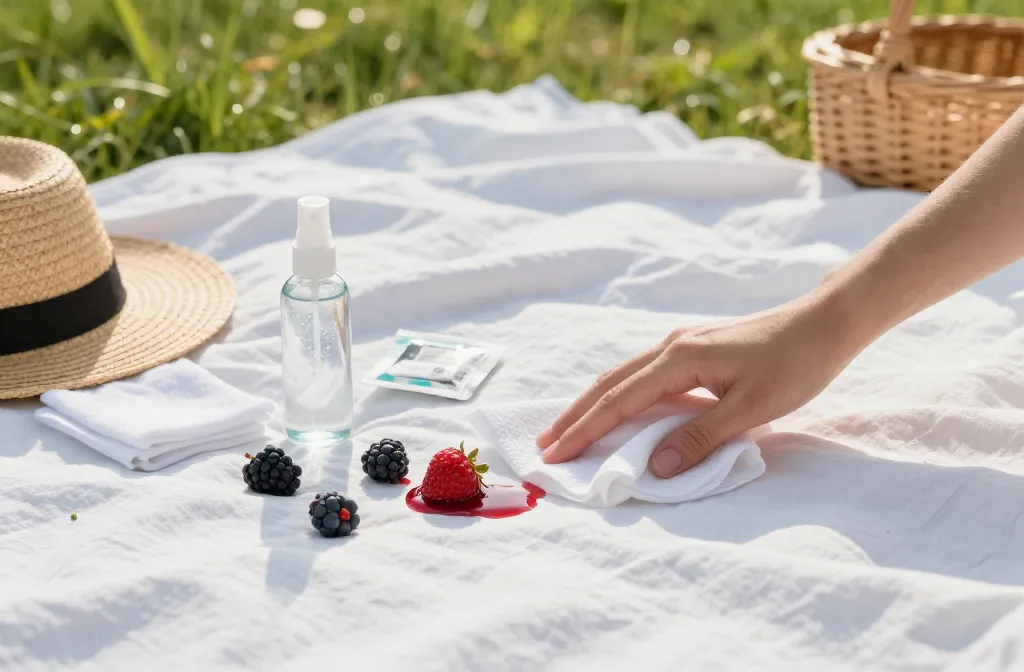
I’ve hosted enough park picnics to know that a white blanket is a magnet for berry juice, coffee, and grass streaks. I’ve also learned that the first two minutes after a spill decide whether you keep that blanket bright or live with a permanent blotch. In this guide, I’ll show you exactly what to do on the spot and once you get home, using only supermarket and hardware-store basics. You’ll finish with a repeatable routine that keeps white fabric looking crisp all season.
Why Speed Beats Any Fancy Cleaner
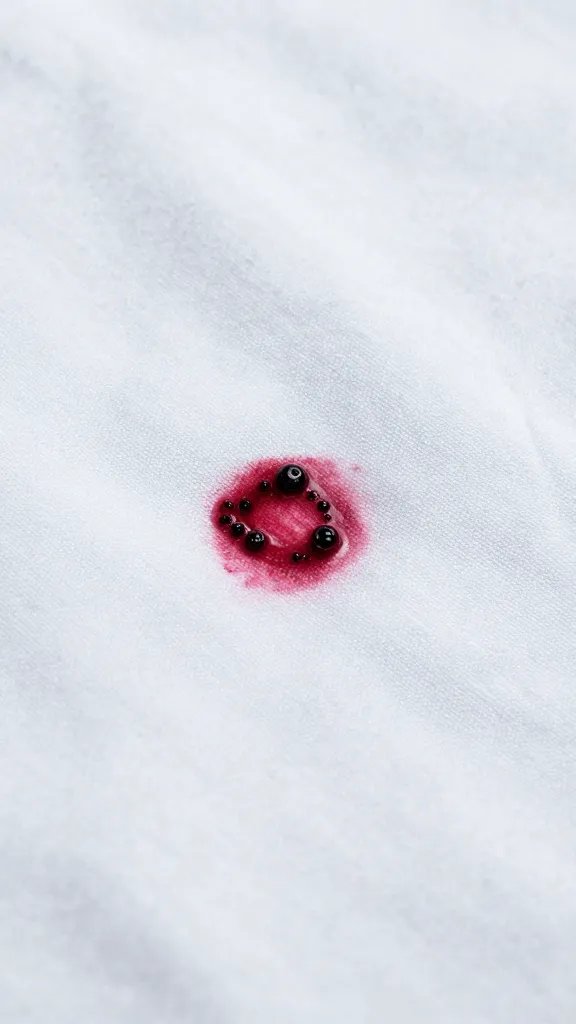
Stains set as liquids travel into the fibers and dry. On white fabric, anything with color or oil shows instantly and bonds fast as it evaporates in sun and wind.
I treat every spill like a first-aid moment: stop spread, lift excess, then neutralize. The products matter less than acting in the right order.
Action today: Add a small “spill kit” to your picnic basket so you never wait to treat a stain.
The On-the-Spot Routine That Stops Stains Cold
When something hits the blanket, you need a simple, automatic sequence. I use a three-step approach that works for drinks, sauces, and mud.
Step-by-Step: 120-Second Field Fix
- Blot, Don’t Rub: Use paper towels or a clean cloth to lift liquid. Press straight down. Rubbing drives pigment deeper and frays fibers.
- Dilute and Wick: Drip a little plain water on the spill’s center, then blot again from the outside edge inward. This pulls color toward your towel, not across the blanket.
- Stain-Specific Neutralizer:
- Tannins (coffee, tea, wine, berries): Apply club soda or sparkling water and blot. The bubbles help lift pigments.
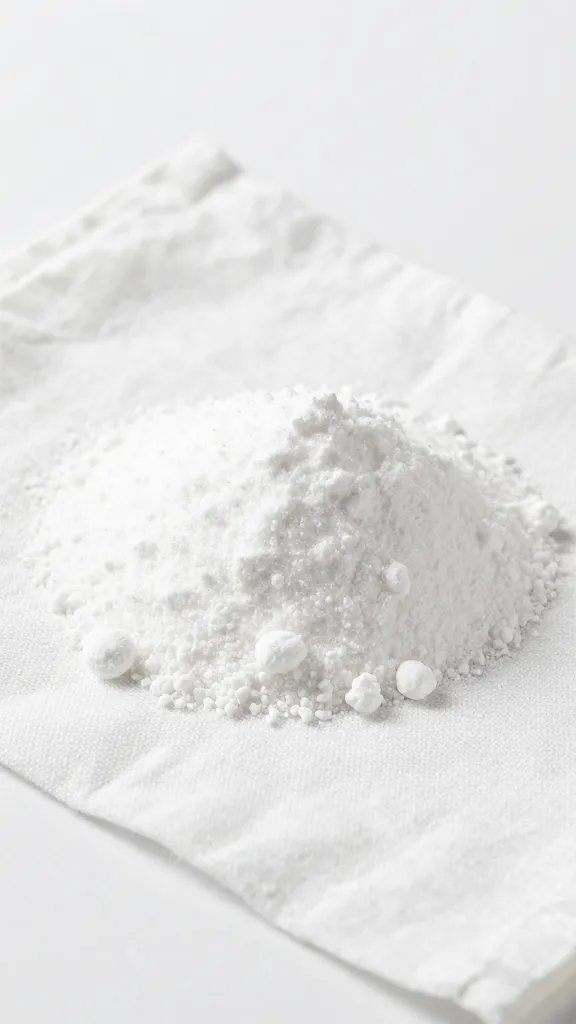
- Grease (butter, dressing, sunscreen): Sprinkle cornstarch, baking soda, or talc to absorb oils. Wait 5 minutes, then brush off gently.
- Protein (ice cream, milk, egg): Use cool water only. Warm water cooks proteins into the fibers.
- Grass and mud: Let mud dry. Flick or brush off solids; don’t smear wet dirt.
Takeaway: Follow blot → dilute → targeted neutralizer within two minutes to prevent 80% of stains from setting.
The Minimal Spill Kit to Pack Every Time

I keep a quart-size zip bag in my basket with small items that cover almost every spill. You don’t need specialty cleaners to win; you need the right basics.
What to Pack
- Paper towels or microfiber cloths: For blotting without lint.
- Club soda: A small bottle works for tannins and dyes.
- Cornstarch or baking soda: A travel spice jar is perfect for grease.
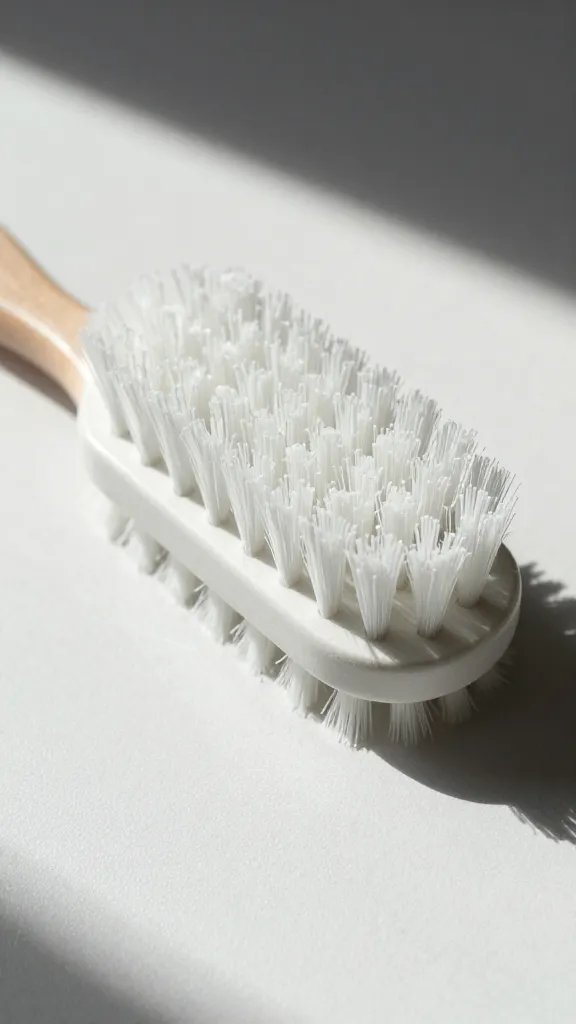
- Soft brush or old toothbrush: For dried mud and lifting powders.
- Plastic scraper or old credit card: To lift thick sauces without smearing.
- Zip bags: To isolate any heavily soiled corner of the blanket on the trip home.
- Wet wipes (alcohol-free): For hands and non-greasy drips; avoid on delicate fibers.
Action today: Assemble this kit in 10 minutes and store it with your blanket so it always leaves the house with you.
Home Treatment That Restores White Without Damage
Once you’re home, you finish the job before the picnic grime bakes in. This is where most people go wrong by over-scrubbing or using hot water at the wrong time.
Step-by-Step: Deep Clean After the Picnic
- Pre-check the Fabric: Look for a care tag. If it says “spot clean only,” treat locally and air dry. If machine-washable, proceed.
- Shake and Vacuum: Remove crumbs and grit so they don’t grind into fabric during washing.
- Pre-treat By Stain Type:
- Tannins and berries: Soak 15–30 minutes in cool water with oxygen bleach (not chlorine). Gently agitate by hand.
- Grease and sunscreen: Rub a few drops of clear dish soap into the spot. Wait 10 minutes. Rinse with warm water.
- Protein stains: Use cool water and a small amount of enzyme detergent. Never hot water at first.
- Grass: Apply rubbing alcohol on a cotton pad, dab, then rinse. Follow with oxygen bleach soak if needed.
- Wash Correctly: Use a normal cycle with warm water if the tag allows, plus an enzyme detergent. Add oxygen bleach for whitening. Avoid fabric softener; it locks in residue.
- Sun-Dry, Then Reassess: Air-dry in bright shade or morning sun. Direct sun helps whiten but can yellow some synthetics if left for hours. Check stains before full drying; heat sets them.
Takeaway: Pre-treat the right way, then air-dry before heat to avoid locking in any faint marks.
What Different Fabrics Need (So You Don’t Ruin Them)
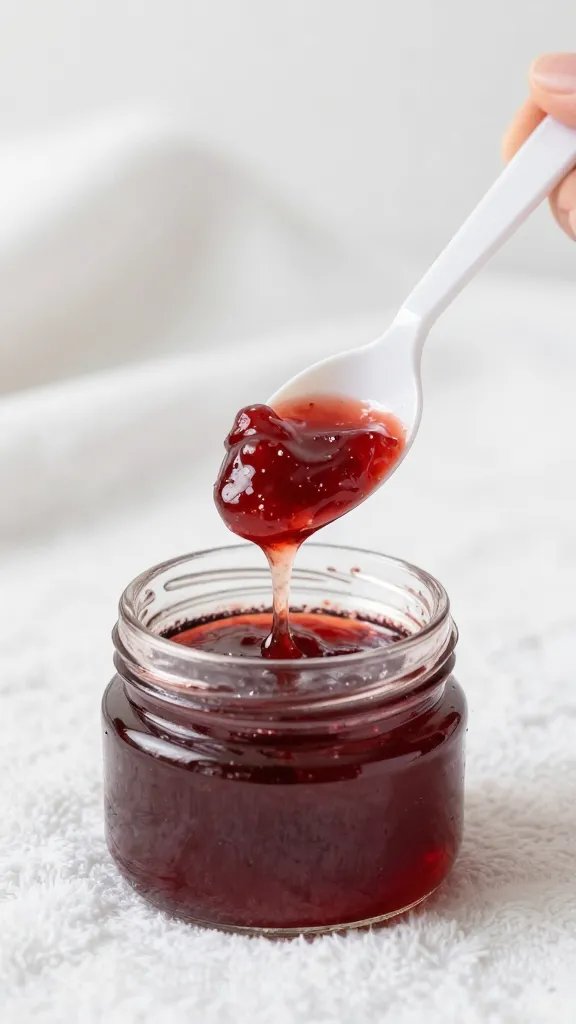
Not all white blankets are the same. Cotton forgives; wool and some synthetics need care. I match method to material before I touch a stain.
- Cotton/canvas: Handles oxygen bleach and warm water. Great for picnics and easy stain removal.
- Polyester/fleece: Wash warm, avoid high heat drying to prevent pilling or yellowing. Oxygen bleach is usually safe; spot test.
- Wool blends: Cool water only, no agitation. Use a wool-safe detergent; never chlorine bleach.
- Waterproof-backed blankets: Hand wash or gentle cycle. Avoid hot water and high heat; it can warp the backing and trap odors.
Action today: Check your blanket’s tag now and note the limits on a piece of masking tape you keep with the spill kit.
Preventative Moves That Keep White Actually White
The easiest stains to fix are the ones that never happen. Small setup changes save you an hour of scrubbing later.
- Designate a “spill zone”: Place drinks and saucy foods on a tray or cutting board on top of the blanket.
- Use barrier layers: Slip a lightweight, washable tablecloth or an old sheet under high-traffic areas. For grass-heavy spots, put the waterproof side down if you have a backed blanket.
- Choose clear or lidded cups for kids: Fewer colorful drips on white fabric.
- Pre-treat the blanket: Spray a fabric protectant rated for upholstery and outdoor fabrics. Apply outdoors, let cure as directed.
Takeaway: Add a tray and a fabric protectant before your next picnic to prevent most common spills.
When a Stain Lingers: Escalation Without Overdoing It
Some marks survive round one. I escalate methodically so I don’t bleach burn or fuzz the fabric.
Warning Signs and Fixes
- Shadow stain after washing: Soak again in oxygen bleach for 1–2 hours, then wash. Repeat once before trying anything stronger.
- Oily ring halo: Reapply dish soap directly, let sit 15 minutes, rinse warm, then launder.
- Color transfer from picnic clothes/towels: Use a color remover safe for the fabric, following package directions. Spot test first.
- Yellowing after sun: Rinse thoroughly to remove residues, then a short soak in oxygen bleach. Avoid chlorine on synthetic blends.
Action today: Keep oxygen bleach on your laundry shelf; it solves most “almost gone” stains without harsh side effects.
Frequently Asked Questions
What’s the fastest thing I can do when red wine hits the blanket?
Blot hard with paper towels to remove as much as possible. Pour a little club soda directly onto the spot and blot from the edges toward the center. Repeat until the towel lifts little to no color. Once home, soak in cool water with oxygen bleach for 20–30 minutes before washing.
Can I use hydrogen peroxide on a white picnic blanket?
Yes, on white cotton or polyester for tough organic stains, but spot test first. Use 3% peroxide, apply with a cotton pad, let sit 5 minutes, then rinse and launder. Avoid on wool and silk blends, which can weaken or yellow. Don’t mix with vinegar directly on the fabric.
How do I handle greasy sunscreen smears?
Sprinkle cornstarch or baking soda on the fresh smear and let it sit 5–10 minutes to pull oils. Brush off, then work a few drops of clear dish soap into the area and rinse warm. Launder with an enzyme detergent. Avoid fabric softener, which can re-deposit oils.
Is chlorine bleach safe to get my blanket bright again?
Use chlorine bleach only on bleach-safe white cotton, and only after oxygen bleach fails. Dilute according to the bottle and soak briefly, then rinse thoroughly and wash. Never use on wool, nylon, or spandex blends. Overuse can thin fibers and create yellowing over time.
What if I can’t wash the blanket right away after a picnic?
Rinse stained areas with cool water if possible, blot dry, and keep the blanket loosely rolled with the stained section facing out to air. Avoid sealing it wet in a bag, which bakes in stains and causes odor. At home, pre-treat the marked areas before a full wash. Aim to launder within 24 hours.
How do I remove grass stains without damaging the fabric?
Dab rubbing alcohol on the grass mark using a cotton pad and lift gently. Rinse with cool water, then soak in oxygen bleach if a green tint remains. For delicate weaves, use light pressure with a soft brush. Avoid hot water until the green is gone.
Conclusion
You don’t need special gear to keep a white picnic blanket pristine — just a fast routine and a small kit you carry every time. Set yourself up now: pack the blotting tools, add club soda and cornstarch, and note your fabric’s limits. At your next picnic, you’ll handle spills in under two minutes and wash once with confidence, not guesswork.
Leave a Reply