How to Use Rattan and Bamboo for a Sustainable Afro-Chic Picnic That Pops
· Yogi
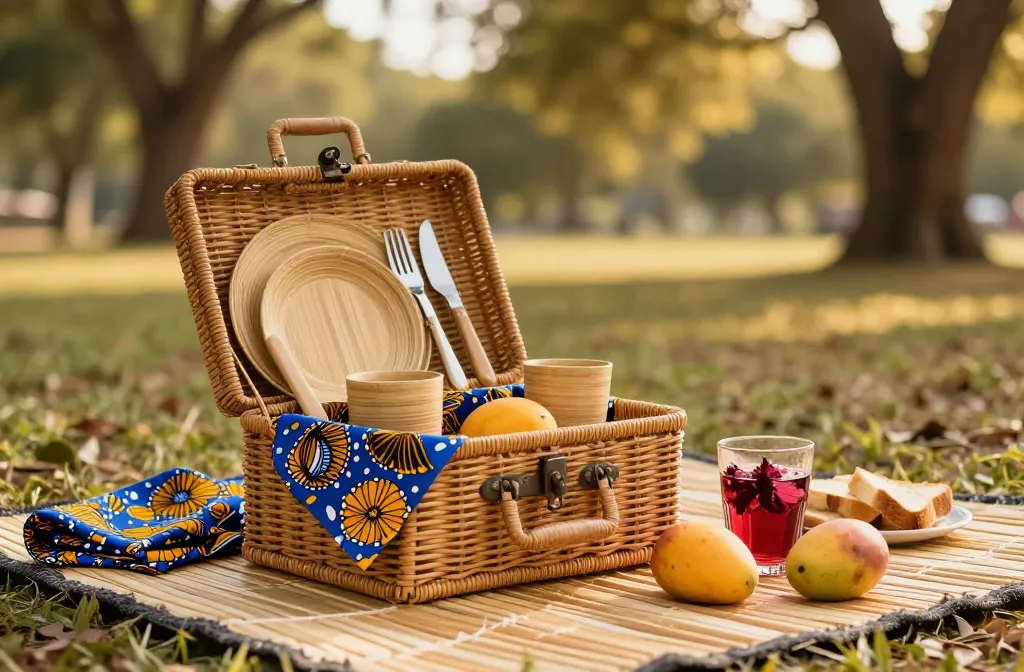
I started hosting park picnics because my apartment balcony ran out of space for friends. The first time I swapped plastic crates for rattan baskets and a simple bamboo mat, cleanup took five minutes and nothing went to landfill. If you’ve been stuffing flimsy disposables into a tote and hoping for the best, this guide will change how you pack, serve, and carry. You’ll learn which rattan and bamboo pieces work, how to maintain them, and how to keep the look distinctly Afro-chic without buying a trunk of props.
Why Rattan and Bamboo Outperform Plastic for Picnics
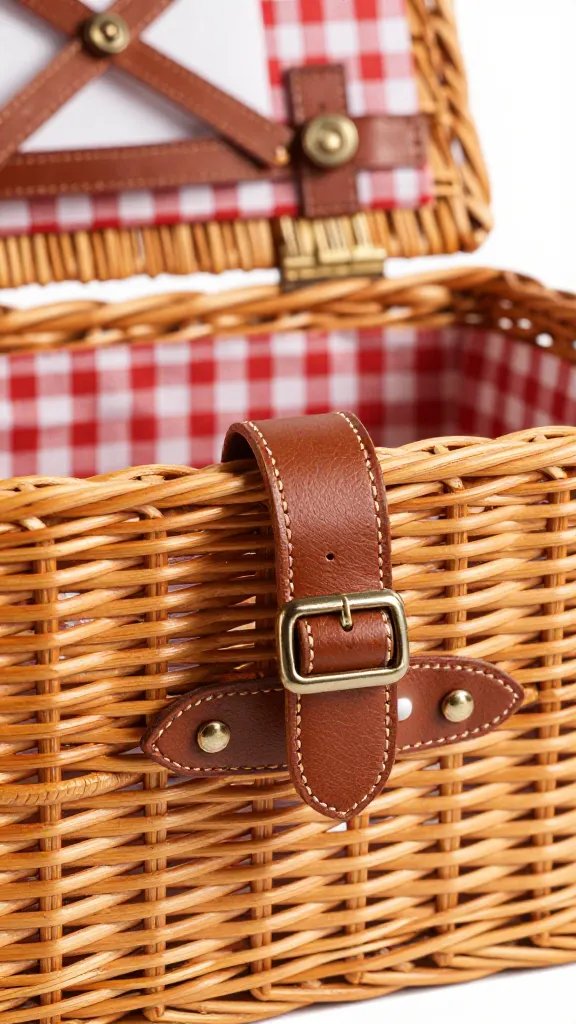
Rattan is a vine; bamboo is a grass. Both grow fast, require minimal inputs, and last for years when you keep them dry between uses. Compared to plastic, they don’t warp in the sun, and they stay structurally rigid under a full food load.
Rattan’s woven texture breathes, so fruit and bread don’t sweat and turn soggy. Bamboo’s dense grain makes it ideal for boards, cutlery, cups, and mats that wipe clean and don’t retain smells.
When a piece reaches end-of-life, you can compost untreated rattan and bamboo or send them to green waste — no microplastic trail left behind.
Action today: Retire one plastic carrier and replace it with a mid-size rattan basket you can lift with one hand when full.
Choosing the Right Pieces: A Small Kit That Does Big Work
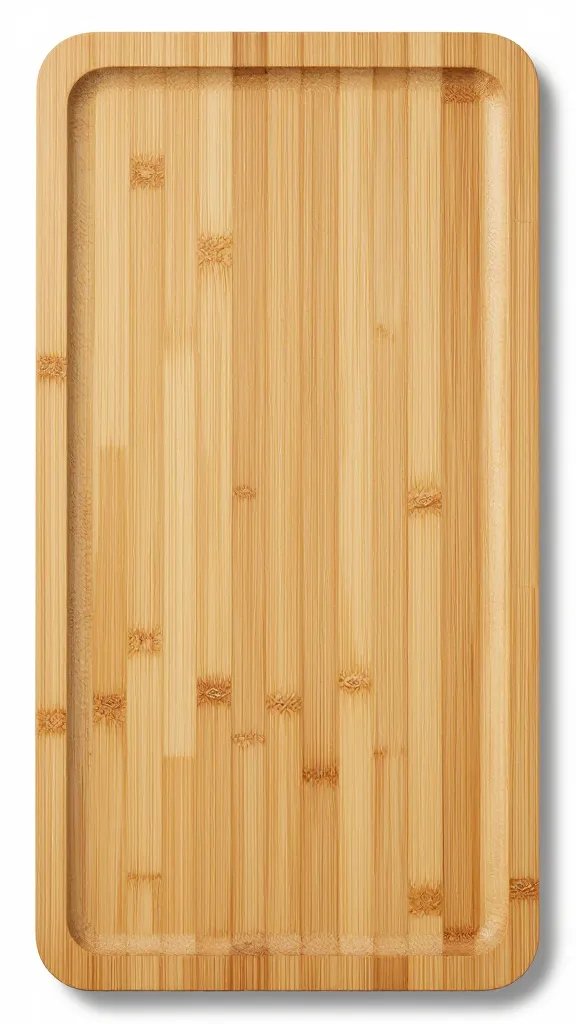
I pack a five-piece core kit that covers seating, serving, and storage without bulk. Everything fits a standard bike basket or car trunk and carries easily by hand.
- Bamboo folding mat (120–150 cm wide): Sits flat on slightly damp grass and shakes clean. Choose a mat with fabric edging to prevent fray.
- Rattan lidded basket (30–40 cm long): Acts as both carrier and on-site “pantry.” Look for a tight, even weave and wrapped handles.
- Bamboo board (30 cm): Serves as a prep and cheese board; double-duty as a tray.
- Bamboo plates and cups (reusable, not “bamboo fiber” melamine blends): Solid bamboo or laminated bamboo veneers hold up better and avoid hidden plastics.
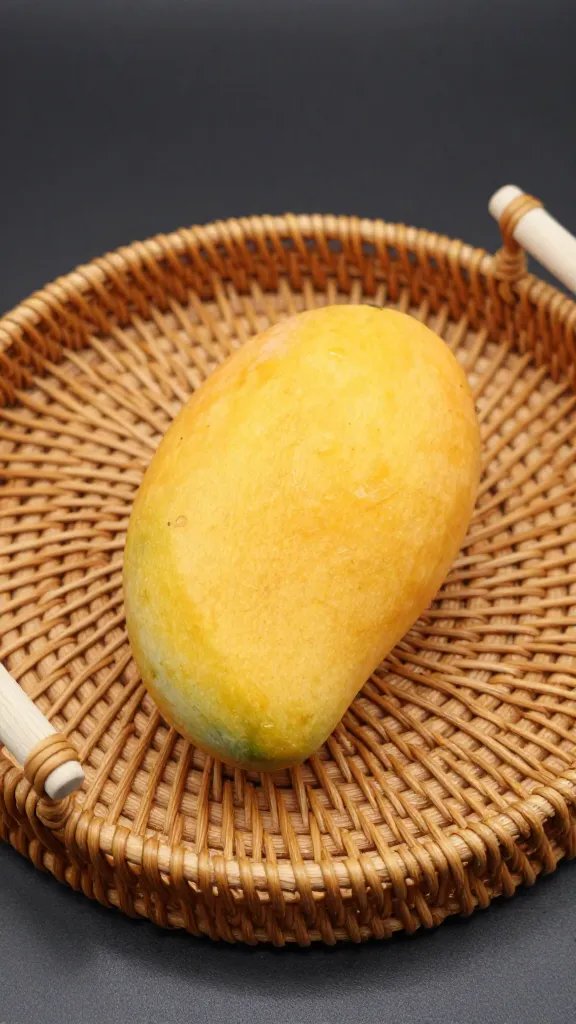
- Rattan tray (round, 30–35 cm): Stable surface on uneven ground; also corrals condiments and fruit.
Material red flags
- Avoid “bamboo fiber” items that list melamine or urea-formaldehyde — these are plastics with bamboo filler.
- Avoid glossy rattan with heavy varnish; it traps moisture and cracks. Choose light, natural finishes or food-safe oil.
Action today: Measure your favorite tote and pick a rattan basket that nests inside it — this keeps your kit grab-and-go.
Building Afro-Chic Style With Purpose, Not Clutter
Afro-chic means pattern, provenance, and craft — not a costume trunk. I anchor neutral rattan and bamboo with one patterned hero piece and two color accents pulled from it.
- Textiles: Add one large Kente, Ankara, or Bogolanfini-inspired cotton cloth as a top layer over the bamboo mat. It brings color and softens the seating area.
- Details: Tie napkins with raffia or a strip cut from leftover wax print. Use a small calabash or gourd bowl for nuts or dates.
- Natural florals: A jar of proteas, sunflowers, or pennisetum grass stems rides well in the basket and sets the scene without waste.
Keep the palette tight: one print, two solids. Let the rattan and bamboo be the quiet backdrop so the print reads as intentional.
Action today: Pick one textile from your home that already matches your basket tone and designate it as your picnic overlay.
Pack Light, Pack Stable: How to Load Without Breakage
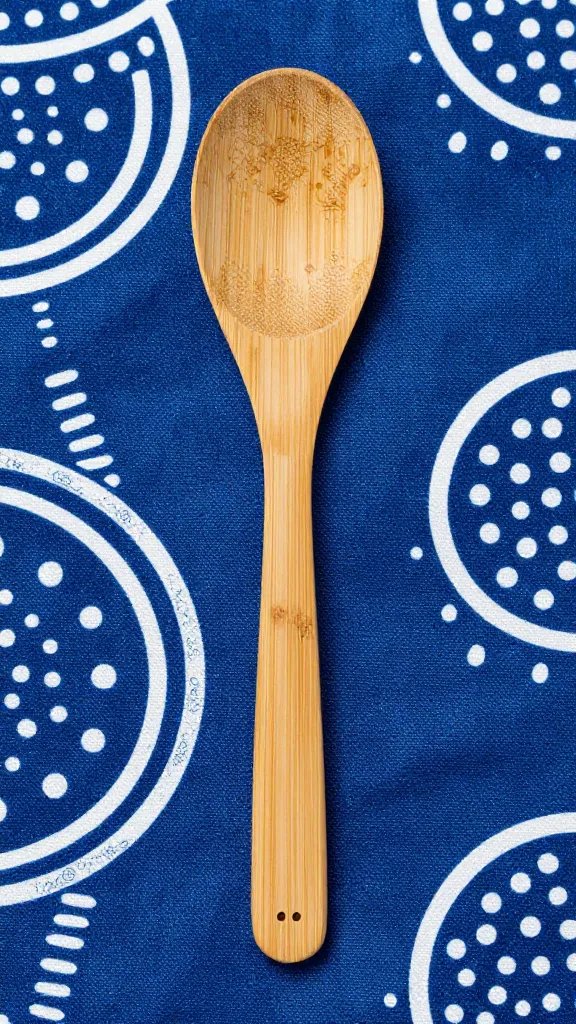
I pack heaviest and flattest on the bottom, cradle fragile items with textiles, and keep liquids upright using the tray as a “shelf.” This prevents crushed fruit and rolling jars on uneven paths.
- Line the bottom of the rattan basket with the folded textile and the bamboo mat to add structure.
- Place the bamboo board flat at the bottom or along the basket side for rigidity.
- Add sealed containers (salads, grains) next, then bread and fruit. Slip cups into the gaps.
- Lay the rattan tray on top as a lid-stabilizer. Tuck cutlery in a cloth roll at the side.
- Carry bottles upright in a cloth wine sling or stand them in the basket corner with the tray holding them in place.
Use small cloth bags for crumbs and peels so the basket stays clean and ants stay uninterested.
Action today: Do a five-minute “shake test” at home — lift, tilt, and set down your packed basket. If anything rolls, add the tray as a top stabilizer.
Care and Maintenance: Make Your Set Last Years
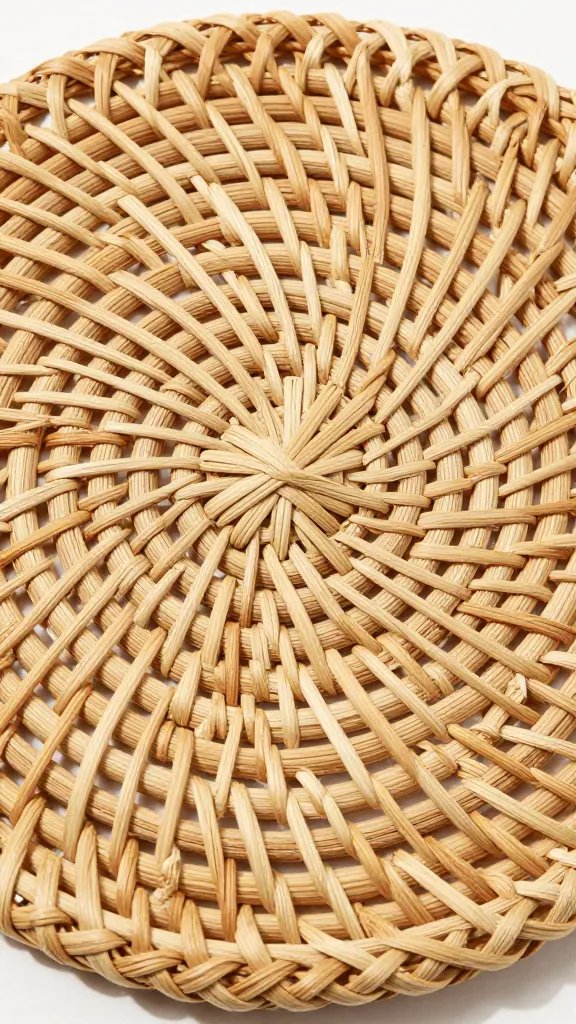
Rattan and bamboo hate being wet for long. I treat moisture as the only real enemy and clean the same day.
- After use: Wipe bamboo with a damp cloth and a drop of mild dish soap. Dry standing on edge for airflow.
- Rattan baskets/trays: Brush out crumbs, then wipe lightly with a barely damp cloth. Air-dry in shade, never direct sun.
- Re-oil bamboo boards every 6–8 uses with a small amount of food-grade mineral oil or cold-pressed flaxseed oil. Wipe on, wait 15 minutes, buff dry.
- Storage: Keep off the floor in a dry closet. Slip a small cotton sachet of rice inside the basket to absorb humidity.
Warning signs and quick fixes
- Raised splinters (bamboo): Sand gently with fine sandpaper, then re-oil.
- Musty smell (rattan): Set in bright shade and airflow for a full day; wipe with 1:1 white vinegar and water, then dry completely.
- Loose weave: Spot it early; reinforce with a thin jute tie on the inside to prevent spread.
Action today: Schedule a 10-minute wipe-and-dry routine on the same day as your picnic — it prevents 90% of damage.
Food Safety and Clean Handling Outdoors
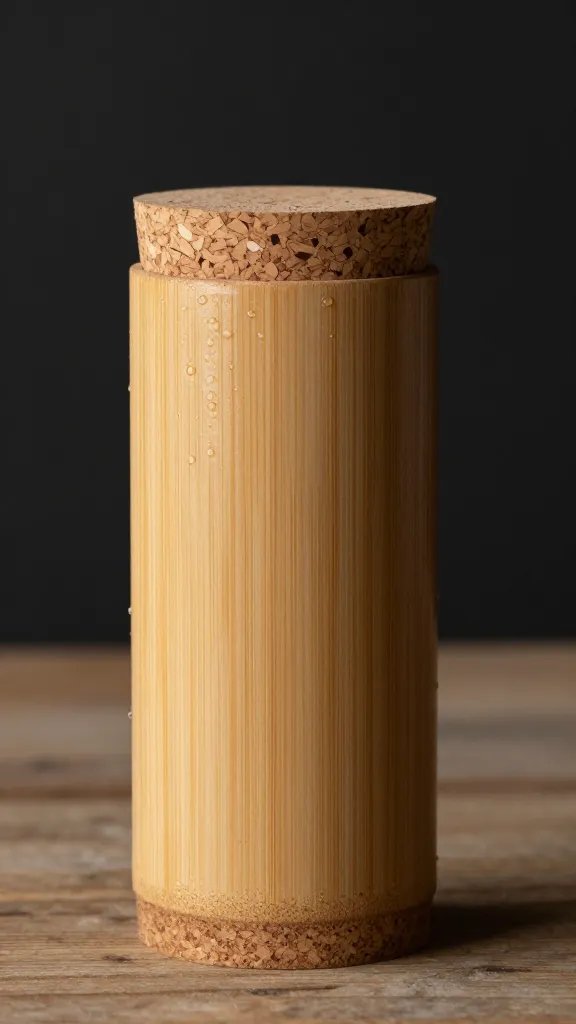
Bamboo boards and cups don’t like soaking, and neither does your stomach. I keep raw and ready-to-eat items separate and pack chill the simple way.
- Cold pack: Freeze two water bottles overnight and wrap them in your textile. They keep a basket cool for 2–3 hours and become drinks later.
- Separation: Use one small lidded container for raw proteins if you’re grilling; keep the bamboo board for bread/cheese only.
- Serve fast: Uncover food only when people are seated. Cover with the rattan tray inverted to keep flies off between bites.
Bring a small spray bottle with water and a few drops of dish soap for hands and surfaces, plus a dry cloth for final wipe-downs.
Action today: Freeze two bottles now so you never reach for disposable ice packs again.
Low-Waste Cleanup That Leaves Nothing Behind
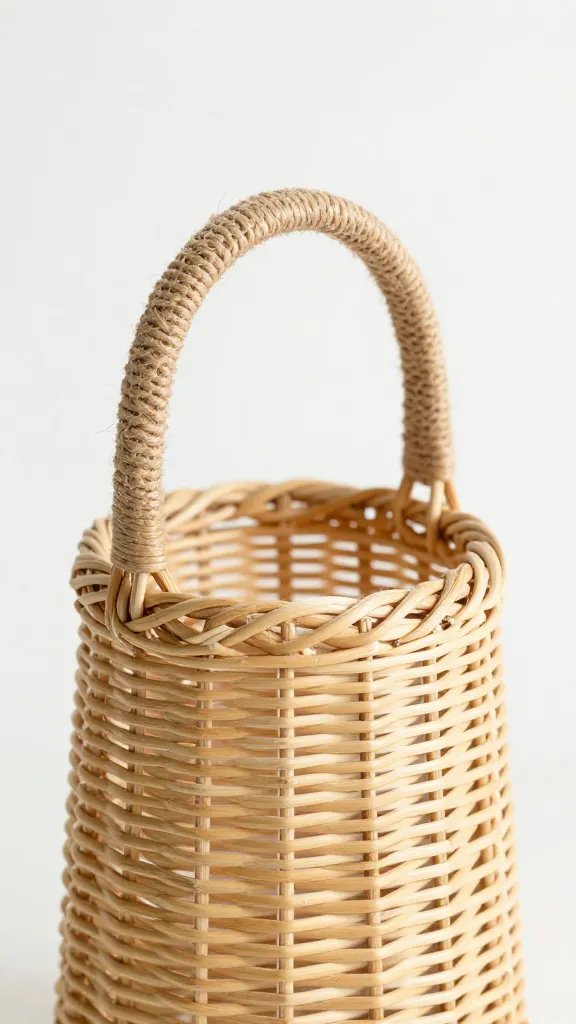
I plan cleanup before I unpack. That means dedicated bags and a simple order of operations so the site looks untouched in three minutes.
- Scrape plates into a compostable bag or a jar with a lid.
- Stack bamboo plates and cups, wipe once, and nest.
- Shake the textile and mat away from people, then roll them together.
- Do a fingertip litter sweep in a 2-meter radius — I always find a cap or twist tie.
At home, empty compostables into your green bin or balcony worm bin, rinse containers, and finish the wipe-and-dry routine from the maintenance section.
Action today: Pre-pack two labeled cloth bags: one for recycling, one for compost. Keep them in the basket so you never forget.
Frequently Asked Questions
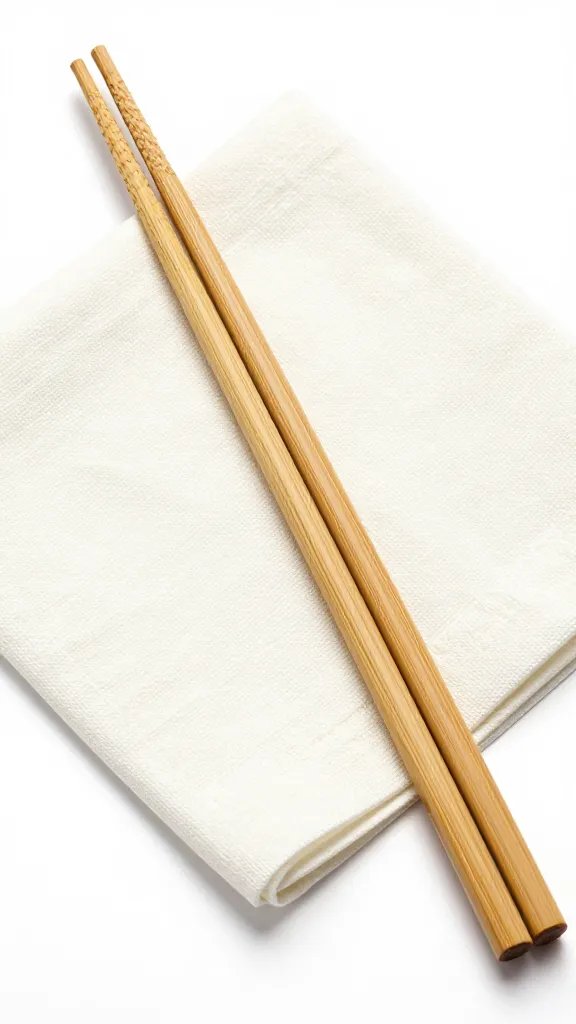
How do I tell if a “bamboo” plate is actually plastic-based?
Check the label for melamine or urea-formaldehyde — if listed, it’s a plastic composite. Solid bamboo items feel heavier and have visible grain layers on the edge like plywood. In-store, tap the rim: plastic composites sound sharper and plasticky, solid bamboo sounds duller. If shopping online, look for “solid bamboo” or “bamboo veneer, food-safe adhesive” in the description.
What size rattan basket works for a couple versus a group?
For two people, a 30–35 cm lidded basket fits a board, two plates, cups, and food for a light meal. For four to six, move to 40–45 cm with deeper sides so bottles stand upright. If you walk far, prioritize a narrower, taller basket with a shoulder strap to keep weight close to your body. Test by loading three full jars and lifting; if the handles flex, size up.
Can I use rattan and bamboo on damp ground without damage?
Yes, if you add a barrier and dry promptly. Lay the bamboo mat first, then your textile; keep rattan trays off the ground by placing them on the mat or a board. After the picnic, air-dry baskets and trays in shade with plenty of airflow until fully dry. Never leave rattan sitting on wet grass while you pack the car.
What’s the easiest Afro-chic accent if I don’t own traditional textiles?
Start with two bold cotton napkins in Ankara-style prints from a local market or online seller. Fold one as a runner over the tray and use the other to wrap cutlery. Choose colors that echo your fruit or drink — orange for mango, deep green for leafy salads. This reads intentional and travels tiny.
How do I remove food stains and smells from bamboo boards?
Sprinkle coarse salt, rub with half a lemon for 30 seconds, and wipe clean. For onion or fish smells, wipe with a 1:3 white vinegar to water mix, then dry standing on edge. Re-oil after every few cleanings to keep moisture out. Avoid soaking or dishwashers, which cause swelling and splits.
Conclusion
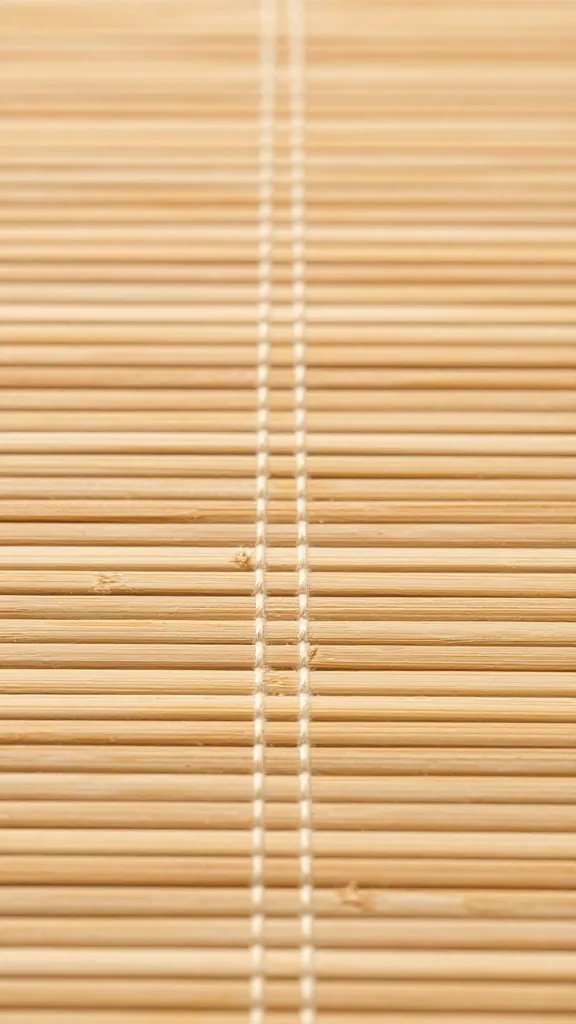
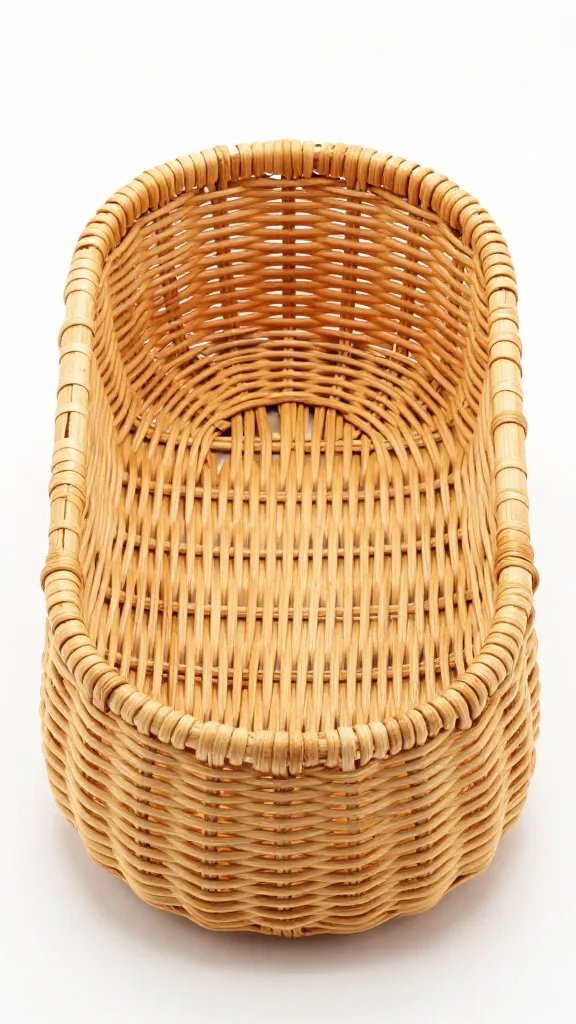
You now have a compact, durable kit and a rhythm that keeps your picnic stylish, functional, and low waste. Start with one rattan basket and one bamboo mat, layer in a single bold textile, and practice the five-minute cleanup. Next weekend, take the kit to your nearest park and time yourself from unpack to first bite — you’ll feel the difference in ease and finish with nothing left behind but footprints.
Leave a Reply