Epic Fun 5 Activities for Kids at a Family Picnic: From Three-Legged Races to Kites
· Samantha Jones

I’ve hosted enough park picnics to know the difference between “Are we leaving yet?” and kids begging for one more round. The trick is simple: bring a few structured, low-setup activities that work for mixed ages and don’t need special gear. In this guide, I’ll share five picnic games I run every summer, plus the exact steps and small tweaks that prevent tears and keep things moving. You’ll leave with a plan you can run tomorrow using what you already own.
Three-Legged Races That End in Laughter, Not Tumbles
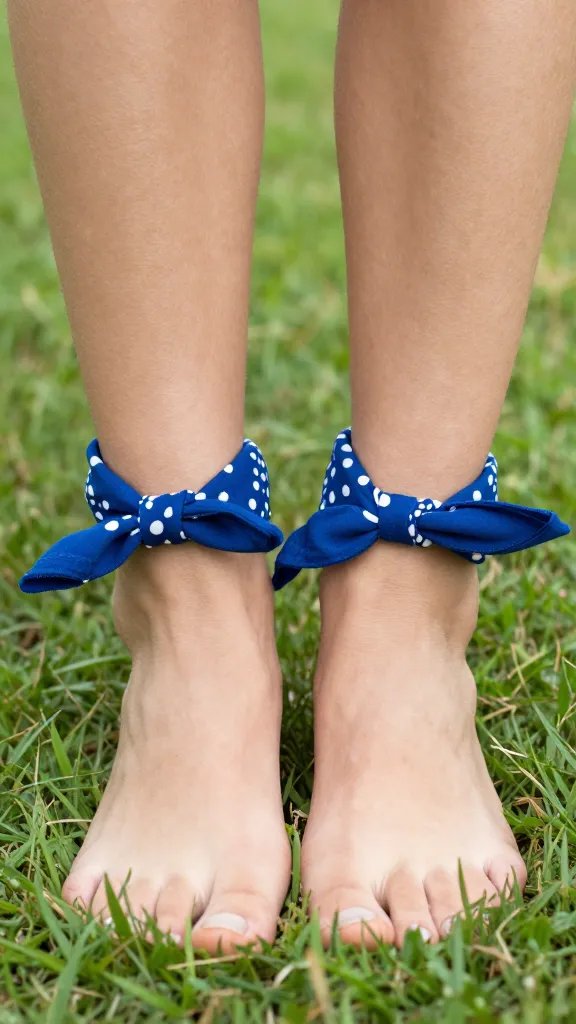
The three-legged race wins every time because it’s fast, funny, and pairs older and younger kids. Most spills happen because adults tie legs too high or pick a course that’s too long. I keep it short, safe, and repeatable.
Step-by-Step Setup
- Mark a 30–40 foot lane using water bottles or picnic cups as cones. Flat grass only.
- Pair compatible heights (older with younger for balance). Avoid huge mismatches.
- Tie just below the knee with a scarf, bandana, or soft dish towel. Knot snug but not tight — two fingers should slide under the knot.
- Practice walk 10 steps in sync: chant “left-right” or “together-step.” Then race.
- Run heats of 3–4 pairs at a time. Winners do a friendly final.
Safety and Smoothing
- Warning sign: Kids wobble on first step. Fix by lowering the tie or tightening slightly.
- Rain or uneven ground: Switch to a “penguin shuffle” — same tie point, walking only.
Action today: Toss two bandanas into your picnic bag and pre-knot each into a loop that fits around two kids’ calves — faster, safer starts.
Relay Races With Household Gear (Egg Spoons, Cup Carry, and Book Balance)
Relays keep a big group busy with minimal space. I rotate three stations so no one waits long and younger kids can pick an easier challenge. Use what you already have — spoons, plastic eggs, paper cups, paperback books.
Relay Options
- Egg-and-Spoon: Use plastic eggs or a ping-pong ball on a tablespoon. Walk first round, jog for the final.
- Water Cup Carry: Fill paper cups halfway. Spill means a 3-second “freeze,” not a restart — fewer meltdowns.
- Book Balance: Paperback on head, one hand behind back. Great equalizer for speedy kids.
How to Run It Smoothly
- Divide into two teams. Mark a 25–30 foot turnaround point with a hat or bottle.
- Everyone completes one leg, then swaps to the next station item.
- Cheer for finishes, not just winners — announce “Team Spirit Award” for the loudest encouragers.
Action today: Add four paper cups and a paperback to your picnic tote; they double as serving gear and instant relay props.
DIY Kite Flying That Actually Gets Off the Ground
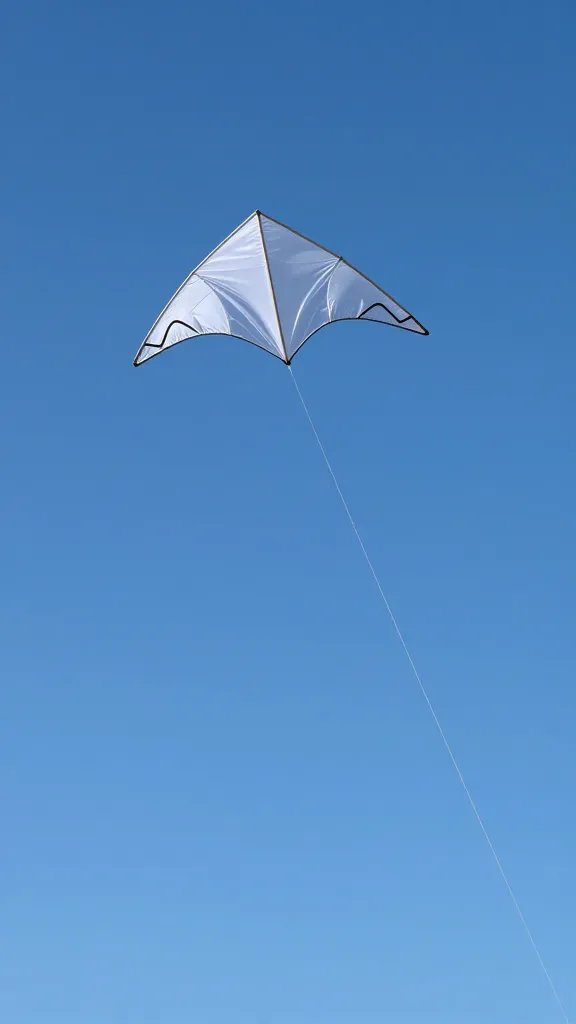
Kites can flop if you try to launch in still air or use tangled line. I’ve learned to pick a light, simple kite and set kids up for success with a short, clean line and a proper launch.
What to Bring
- 1–2 diamond or delta kites from a garden or hardware store — aim for a simple single-line design.
- Cotton or nylon kite string on a winder. Untangle and rewind at home so it feeds smoothly.
- Gloves for the adult helper if wind picks up.
Launch Steps That Work
- Choose open grass with no trees within 50 feet and steady breeze — flags rippling steadily is perfect.
- Let out 15–20 feet of line. One person holds the kite at shoulder height; the flyer keeps the line taut.
- On “go,” the holder releases as the flyer takes 4–5 brisk steps back, then feeds line slowly.
- Keep tension steady. If the kite dips, tug once and walk backward two steps.
Fixes for Common Problems
- Kite spirals: Tail too short. Tie on a 4–6 foot fabric strip from a plastic bag or bandana.
- No lift: Wind too light. Swap to running launches or pause and return to relays.
Action today: Pre-cut two extra tails from a plastic shopping bag and stash them with your kite — instant stability when the wind shifts.
Nature Scavenger Hunt That Respects the Park
I run scavenger hunts that focus on observation over collecting. Kids stay curious, and we leave the space as we found it. All you need is a simple list and a phone camera.
Build a Quick List
- Find and photograph: A heart-shaped leaf, something that smells good, three shades of green, a Y-shaped twig, an insect, tree bark close-up.
- Do and note: Count 10 bird calls, spot 3 cloud shapes, trace your shoe print in dry dirt with a stick.
How to Run It
- Form pairs with one phone per pair. Set a 12–15 minute timer.
- Review the rule: Look, snap, don’t pick — no taking plants or disturbing nests.
- Reconvene and share best photo; award a sticker for “Coolest Find.”
Action today: Save a note on your phone titled “Picnic Hunt” with 10 prompts so you’re always ready.
Picnic Blanket Craft Corner: Wind Wands and Nature Crowns
After running and kites, kids need a calm reset. I set one blanket as the craft zone with tape, string, and safety scissors. Two fast crafts keep hands busy and pack flat.
Wind Wands
- Cut 3–4 ribbons or fabric strips about 18–24 inches long. In a pinch, use plastic bag strips.
- Tie to a short stick or a spare wooden spoon handle. Double-knot and add a piece of tape over the knot.
- Kids dash and watch the streamers trail — great for little ones who can’t manage kites.
Nature Crowns
- Make a paper headband from a grocery bag strip, sized to the child’s head.
- Use tape loops (sticky side out) along the band.
- Stick found items like grass heads, fallen petals, or feathers you spot on the ground.
Warning: No picking live flowers in public gardens; use only fallen materials.
Action today: Add a quart-sized zipper bag with tape, string, and kid scissors to your picnic basket — it becomes a ready-made craft kit.
Simple Scoring and Prizes That Keep It Friendly

Competition can sour fast if one child wins everything. I set clear, light scoring and hand out tiny, varied awards so everyone gets noticed for something real.
How I Score
- Stamps or tally marks on the back of each child’s hand for completing each activity.
- Rotating awards: Fastest Pair, Best Teamwork, Most Encouraging, Creative Save, Safest Flyer.
- Prizes: Stickers, fruit leather, a fancy paper crown, or first pick of dessert.
Action today: Pack a sheet of stickers and pre-write five award titles on sticky notes; announcing them takes 60 seconds and resets the mood every time.
Frequently Asked Questions
What if I have a wide age range and toddlers get frustrated?
Pair toddlers with an older “buddy” for races and give them simpler roles, like holding the finish-line ribbon or being the official starter. For relays, let them walk half-distance and hand off early. Keep a toddler station with blocks, bubbles, and the craft corner so they have wins too. Rotate every 10–12 minutes to prevent fatigue.
How much space do I need for these activities?
A flat 30–40 foot lane covers races and relays safely. Kites need a clear 50-foot radius without trees or power lines. If space is tight, shorten courses to 15–20 feet and switch kite time for wind wands and the scavenger hunt. Always walk the area first to spot holes, roots, or sprinklers.
What should I bring in a minimal “activity kit”?
Pack two bandanas, four paper cups, one tablespoon, a paperback, a roll of tape, kid scissors, string, and a small kite. Add stickers and two spare plastic bags for tails and cleanup. Everything fits in a gallon zipper bag and covers all five activities. Repack it dry after the picnic so it’s grab-and-go next time.
How do I prevent arguments about rules or who won?
State one rule per game right before you start and keep them consistent across rounds. Use short heats so kids who lose early can try again quickly. Award multiple titles beyond “first place,” and let kids choose their next teammate after each round to mix it up. End each activity with a group clap and a quick photo so the transition feels complete.
What if the wind dies and the kids fixate on flying the kite?
Switch to a countdown “kite run” where kids tow the kite low like a streamer, then trade for wind wands. Offer a timed challenge: longest ribbon trail without touching the ground in 20 seconds. Promise one more kite attempt in 15 minutes, then set a timer — clear expectations keep the mood positive. Always have two backup activities ready on the blanket.
Conclusion
You don’t need elaborate gear to run a great picnic — you need a rhythm and a few tested setups. Pick two active games, one calm craft, and kite time if the breeze cooperates, then rotate every 10–15 minutes. Pack the tiny kit once this week so you can say yes to a sunny forecast without scrambling. Next step: set a date on your calendar and drop this plan into your phone notes — your future self will thank you on the grass.
Leave a Reply