Cozy Magic the “Winter Picnic”: How to Host Indoors by the Fireplace
· Samantha Jones
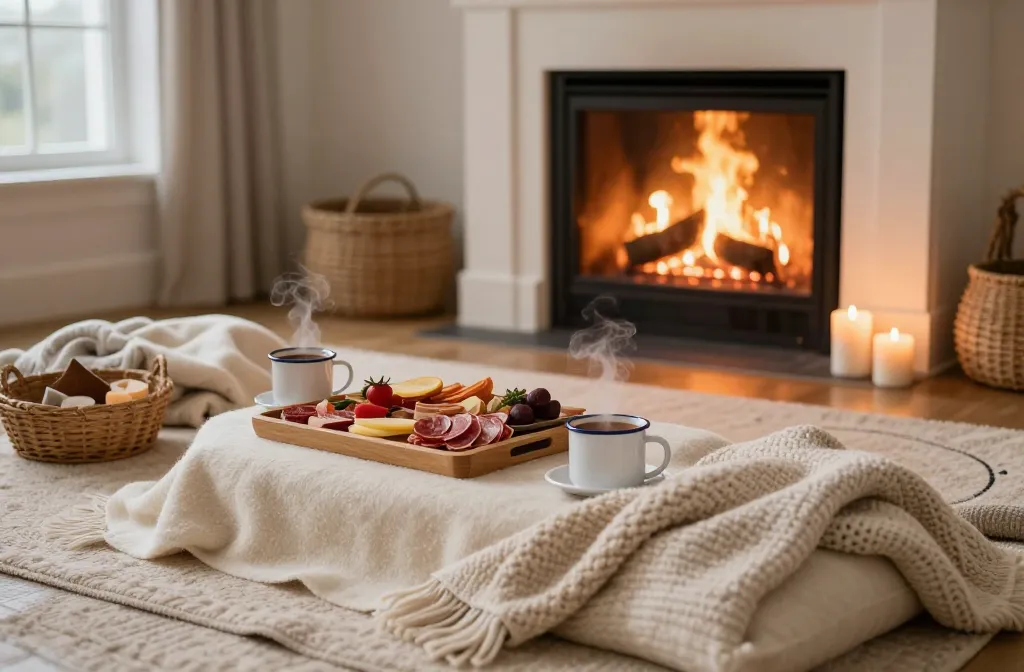
I started hosting winter picnics after one windy December night made the park impossible but the craving for a slow, fireside meal wouldn’t go away. Friends arrived with blankets and a basket each, and we built the evening around steady warmth, hand food, and flickering light. You’re going to learn exactly how to plan the layout, heat, menu, safety, and atmosphere so your living room feels like a campsite without the cold toes. By the end, you’ll be able to run a fireplace picnic that looks intentional, runs on time, and cleans up fast.
Set the Safe Zone Around the Fire
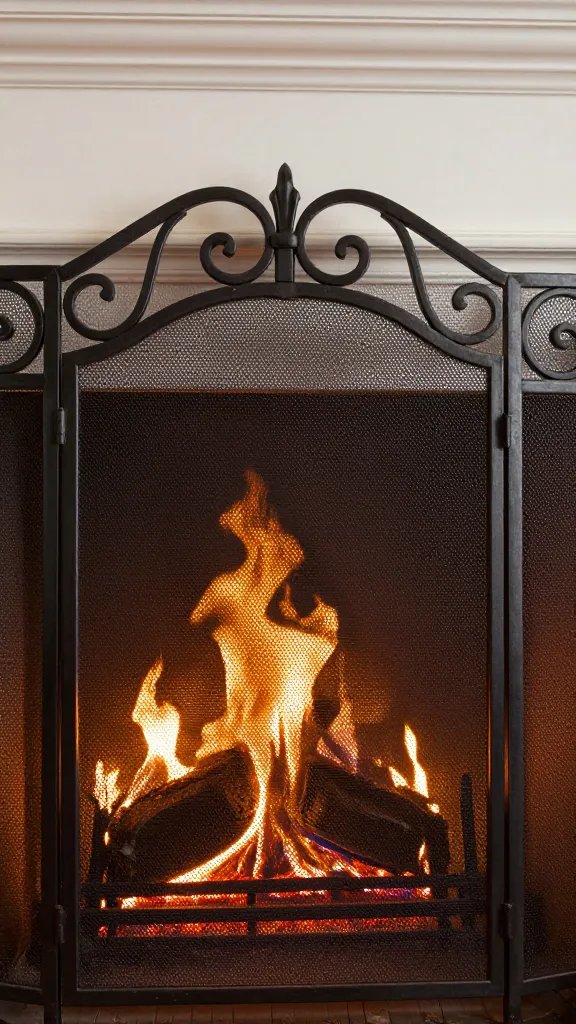
A fireplace changes the rules: you need space, a barrier, and a plan. I mark a clear 3-foot radius in front of the hearth where nothing flammable goes — no throws, no baskets, no paper napkins.
I place a sturdy fireplace screen in front of open flames and keep a metal tray or ceramic tile just outside that radius for hot cookware or skewers. I also test the carbon monoxide alarm the afternoon of the picnic and crack a window by one inch if I run the fire for more than 90 minutes.
Warning signs: Smoky smell lingering after you open the damper, popping sparks jumping past the screen, or guests shifting away from heat signal poor airflow or too much log load. Open the window slightly, reduce the wood to one split log, and vacuum ash to 1 inch depth next time.
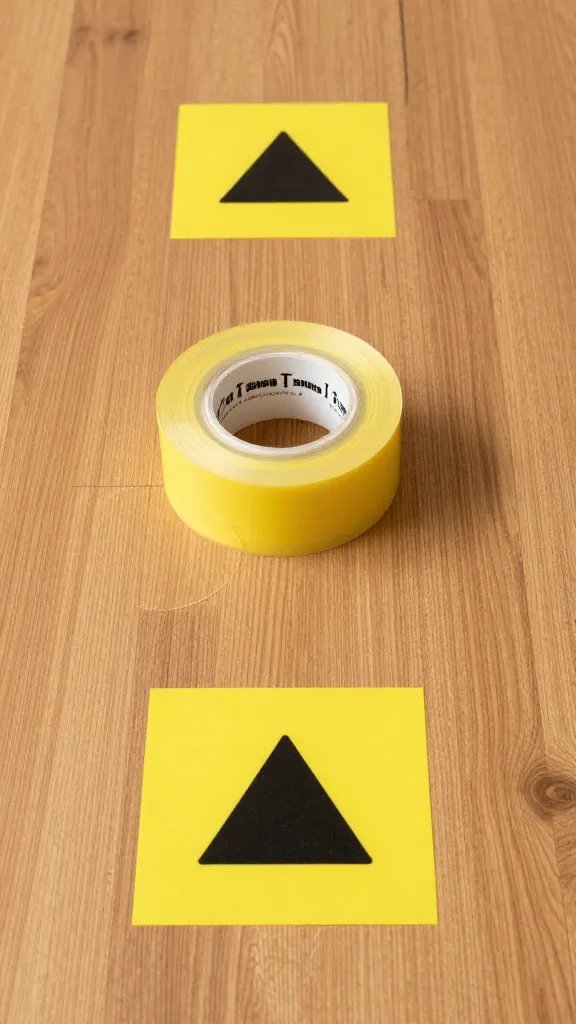
Action today: Put blue painter’s tape on the floor to mark a 3-foot “no textiles” arc in front of your fireplace and set out the screen.
Create a Picnic Layout That Actually Works Indoors
I build three zones: sit, serve, and stash. The sit zone sits 4–6 feet from the hearth for warmth without roasting.
For seating, I layer a low rug, a picnic blanket with a washable backing, and then seat pads or yoga mats under throws for insulation. Trays become tables: I use baking sheets, cutting boards, or lidded storage containers flipped upside down for steady surfaces that keep plates level on soft textiles.
The serve zone stays behind the front row of blankets on a coffee table or a sturdy crate. The stash zone — extra water, wood, and cleanup bin — lives near the entry so it never clutters the floor.
Action today: Lay out your blanket and place a cutting board “table” where your plate will go; sit and test reach to the serving area — adjust until you can grab food without leaning over flames.
Plan a Heat-Smart Menu with No-Fuss Service
A winter picnic menu needs foods that hold temperature, eat well by hand, and won’t scatter crumbs into textiles. I serve one hot anchor, two hearty sides, and one fresh, crisp element.
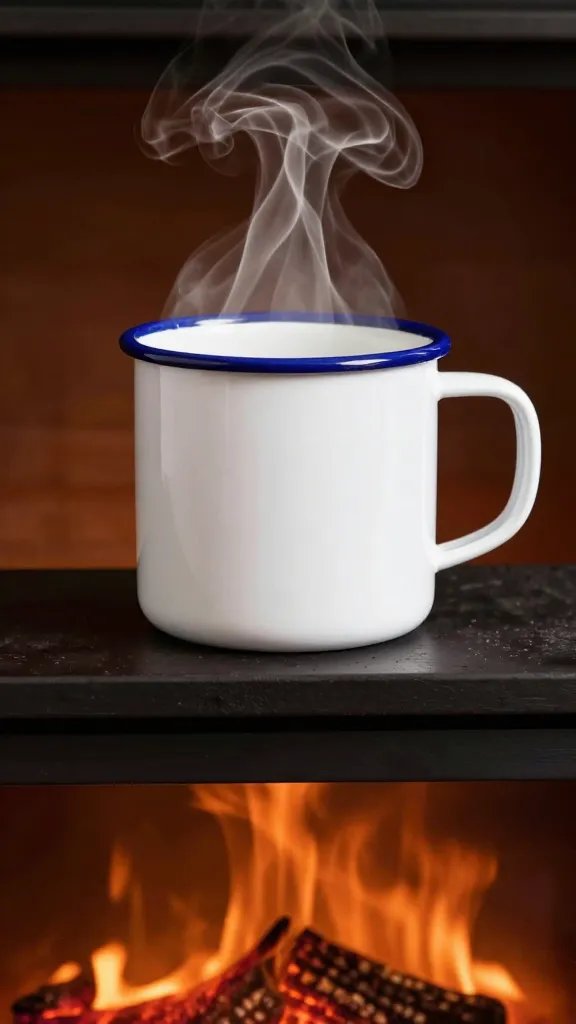
Hot anchors that stay happy on low heat: chili in a Dutch oven, mulled cider in a lidded pot, baked camembert wrapped in parchment, or roasted vegetable skewers. I keep them warm on a trivet near the hearth — not on the stone ledge — and rotate the lid half-open to control steam.
Sides that don’t wilt: roasted nuts with rosemary, crusty bread torn into big chunks, marinated olives, and pickled carrots. For fresh crunch, I like endive leaves as edible scoops with a tub of herbed ricotta.
Step-by-step service:
- Preheat bowls and mugs with hot tap water; dump before filling to keep food warm longer.
- Portion dressings and dips in small jars so you can pass them like condiments.
- Use one-hand plates (salad plates or enamel camp plates) plus cloth napkins clipped with clothespins to blanket edges as “lap guards.”
Action today: Choose one hot anchor (e.g., a pot of mulled cider) and prep it in a lidded pot you can carry to the living room without sloshing.
Fireplace-Cooking Without the Mess (Or Skip It Cleanly)
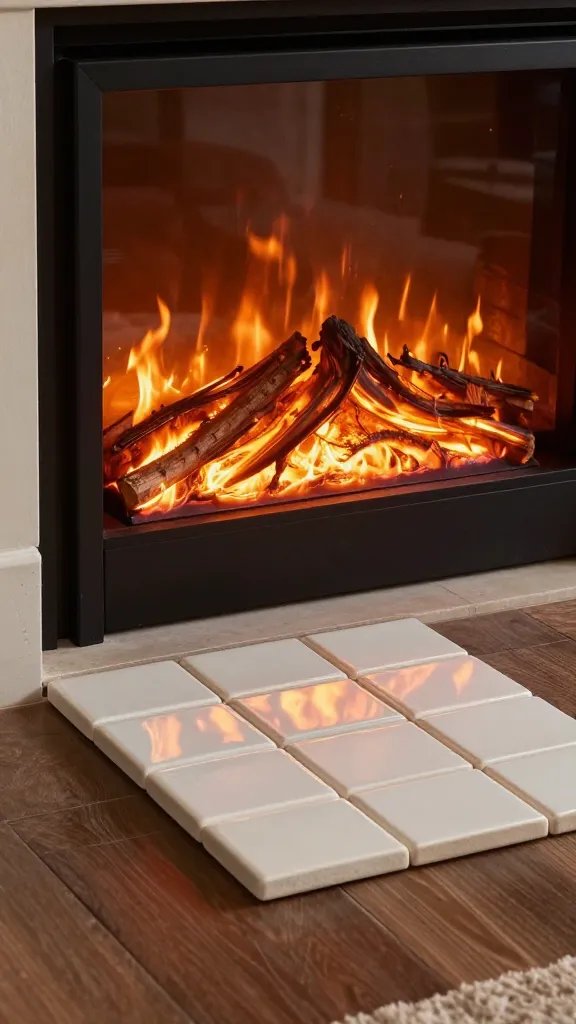
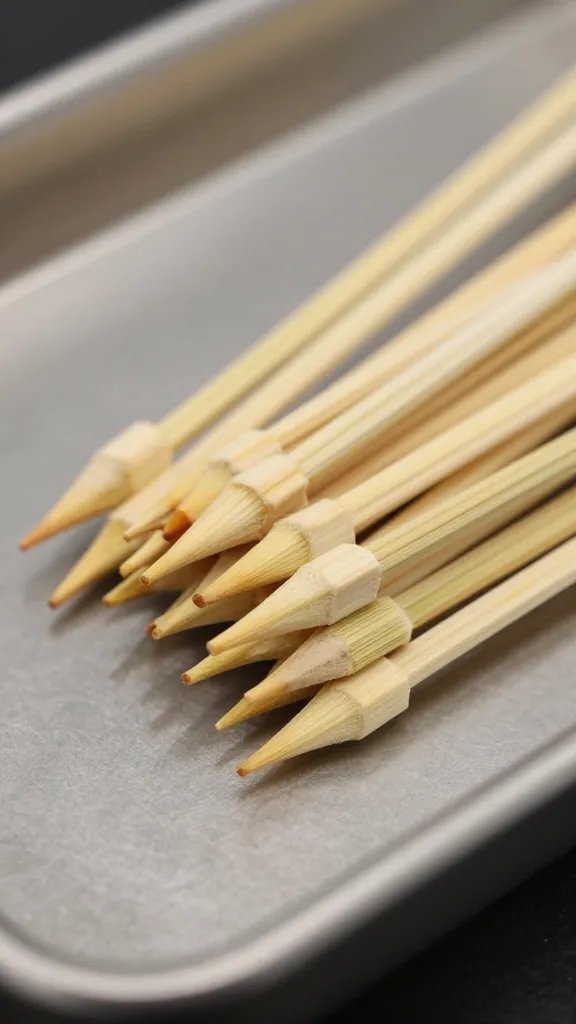
If you want the camping feel, toast or warm — don’t full-on cook. I use long-handled skewers for marshmallows, bread cubes for fondue-style dipping, or pre-roasted veggie skewers for a quick reheat a foot outside the flame edge.
Line the ash bed with a flat cast-iron griddle or place a small fireplace grill grate over split logs to keep food away from soot. Keep a sheet of heavy-duty foil under drippy items like camembert. No grate? Warm items in a covered cast-iron skillet set on a trivet near — not on — the hearth stone, turning every 3–4 minutes.
Material recommendations:
- Long skewers (metal, 24–36 inches) from a hardware or camping aisle.
- Cast-iron skillet or griddle for stable heat and easy cleanup.
- Natural fiber cloths for grip and to avoid melting near heat.
Action today: Test one skewer at flame edge for 10 seconds to gauge heat; adjust your seating distance based on comfort.
Lighting, Music, and Scent That Compliment the Fire
Firelight looks perfect until someone tries to butter bread in the dark. I add warm-white lamps behind seating at knee height and a string of plug-in fairy lights along the floor edge to define paths.
For scent, I skip perfumed candles near food. I drop one orange peel and a cinnamon stick into a tiny saucepan of water on low at the back of the stove — not on the hearth — so aroma stays gentle. Music stays low, instrumental, and steady around 60–70 bpm; it reduces the urge to shout over crackles.
Action today: Turn off overheads and test two side lamps plus floor string lights; adjust until you can read a label without casting harsh shadows.
Warmth Without Overheating Guests
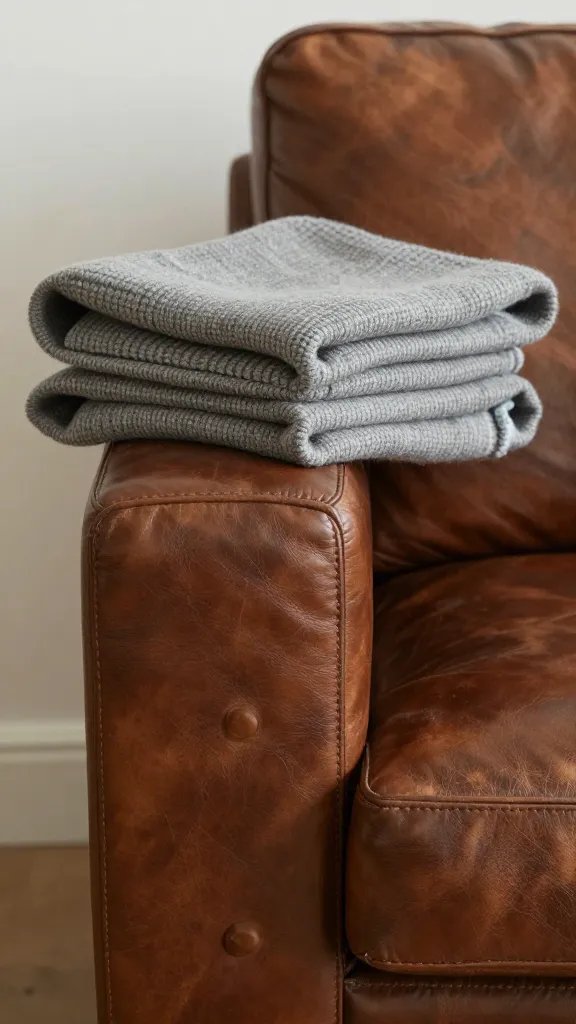
A wood fire heats front-facing bodies fast and leaves backs cold. I fix that with layering: a base throw to sit on, one throw per guest for laps, and a rolled blanket behind the lower back as a draft stop.
I set a small fan on low in the far corner, pointed up, to circulate warm air without blowing on faces. If the room still swings hot-cold, I run the fire at a steady single-log pace and top with a heat-resistant kettle of water to add gentle humidity.
Action today: Place a small fan in a corner on low and feel the difference in five minutes — no more roasted knees, cold shoulders.
Cleanup You’ll Actually Finish That Night

Picnics fall apart at cleanup time. I set a three-bin system at the room edge: food scraps, recyclables, and textiles. Cloth napkins and throws go straight into a laundry basket so crumbs don’t grind into blankets overnight.
For soot and crumbs, I use a hand vacuum and a lint roller on blankets before folding. I close the damper only after embers turn gray and I can hover a palm at the opening without feeling heat — usually 2–3 hours post-fire.
Action today: Stage a laundry basket and two bags by the door before guests arrive — you’ll cut cleanup time in half.
Frequently Asked Questions
How do I host a winter picnic without a fireplace?
Use clusters of candles in hurricane jars for flicker and a small space heater set several feet away for warmth. Keep the same three zones and the same menu plan, with your hot anchor simmering on the stove in a lidded pot. Dim overhead lights and rely on side lamps and fairy lights for the glow. You’ll get the same cozy vibe without the ash.
What should I serve if guests have mixed diets?
Build a modular spread: a vegan chili base with optional toppings like shredded cheese, sour cream, and crumbled sausage on the side. Offer two breads (a seeded loaf and gluten-free crackers) and two dips (herbed olive oil and dairy-free bean dip). Label each item with painter’s tape on the serving board. Everyone assembles their own plate without fuss.
Is it safe to roast marshmallows in a wood-burning fireplace?
Yes, if you use a screen, long metal skewers, and keep to the flame edge, not the sooty center. Roast near the radiant heat, then finish 2–3 inches above an ember bed for even browning. Place finished marshmallows on a lined tray, not the hearth. Keep a bowl of water nearby for sticky fingers, not for dousing embers.
How do I prevent smoke from blowing into the room?
Open the damper fully and preheat the flue: light a rolled newspaper and hold it near the flue opening for 30–60 seconds to prime the draft. Use one or two small, dry logs instead of a big stack, and keep the fire toward the back of the firebox. Crack a window opposite the fireplace by one inch to balance air. If smoke persists, stop adding logs and let the fire settle.
What’s the best seating if my floor is hard and cold?
Start with a thin yoga mat or camping pad, then layer a rug and your picnic blanket. Add seat cushions or folded towels under each guest to lift hips a few inches. Offer one throw per person and a spare folded as a lumbar roll. This setup keeps hips warm and prevents pins-and-needles after 30 minutes.
How many logs should I plan for a two-hour picnic?
For steady heat, plan 3–4 medium splits of seasoned hardwood. Start with two, then add one every 35–45 minutes as embers reduce. Keep the fire small and consistent; large bursts create heat swings and sparks. Store extras in a basket outside the 3-foot safety zone.
Conclusion
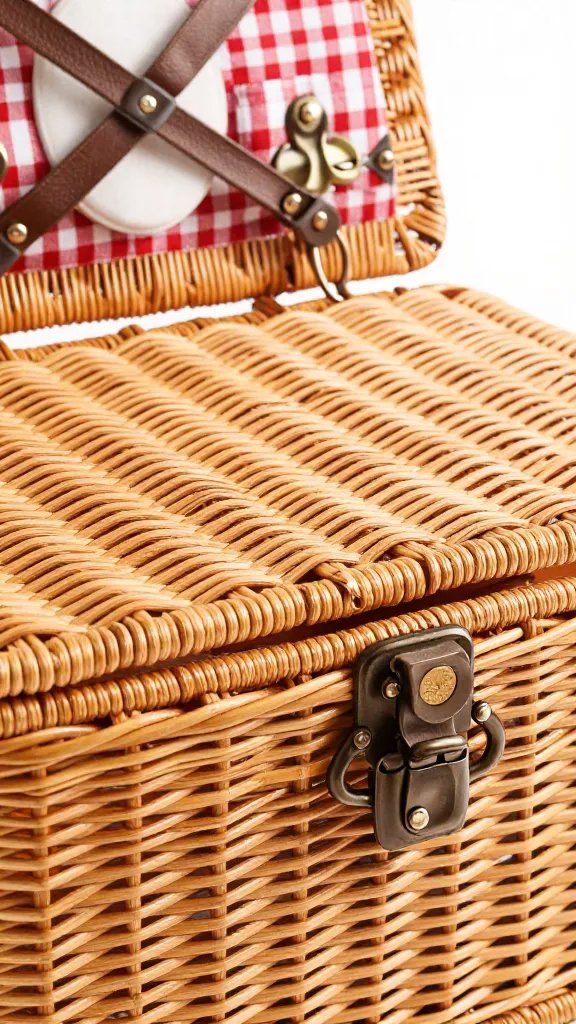
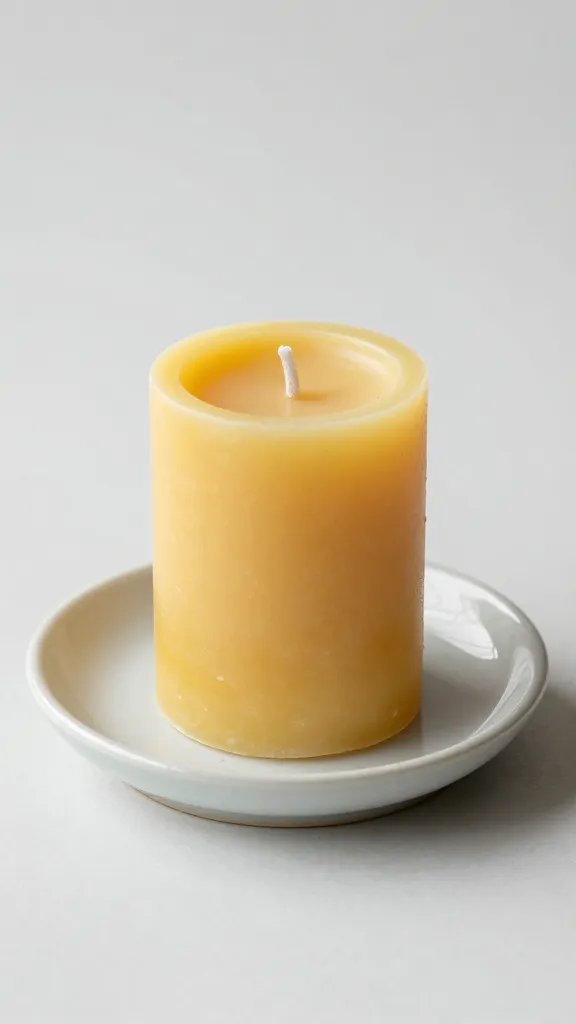
You don’t need a cabin to enjoy a winter picnic — you need a safe layout, a heat-smart menu, and light that flatters the scene. Mark your hearth zone, choose one hot anchor, and layer seating today; you’ll be ready for guests this weekend. When you’re comfortable with the basics, add a simple fireplace warm-up like bread skewers or baked camembert to deepen the experience without extra work.
Leave a Reply