Viral Guide the “Picnic Scavenger Hunt”: a Fun Activity for Adult Group Outings
· Samantha Jones
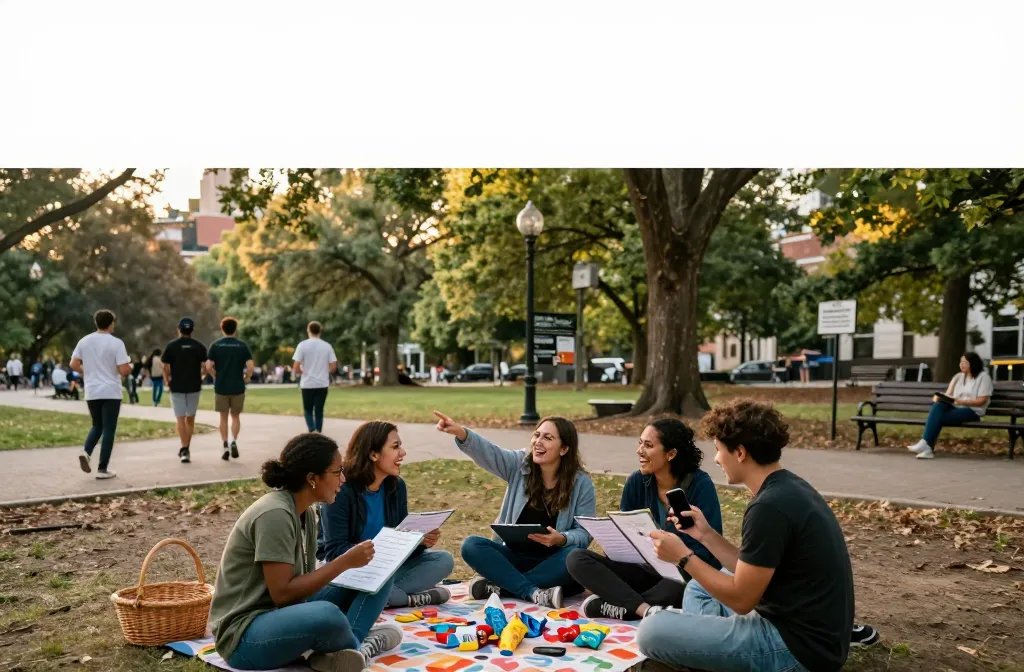
I started running picnic scavenger hunts to liven up park meetups that felt a bit flat by hour two. Everyone had snacks, blankets, and good intentions — but conversations splintered and half the group drifted to their phones. A simple, well-structured hunt fixed that in minutes and became the part people still talk about weeks later. In this guide, I’ll show you the exact format, clues, and timing that keep adults engaged without feeling cheesy, plus variations for any group size and park setup.
Why A Picnic Scavenger Hunt Works For Adults
Adults want structure that feels light, not corny. The right hunt nudges people to move, collaborate, and talk to new faces without forced icebreakers.
The park gives you built-in props — trees, benches, signs, and the items you already packed. That means no special gear and no setup time.
Action today: Commit to a 35-minute round: 5 minutes for teams, 20 minutes to hunt, 10 minutes to debrief and award one silly prize.
Plan The Format In 10 Minutes Flat
I use a points-based list with a mix of easy wins and one or two stretch tasks. Teams of 3–5 keep everyone involved without passengers.
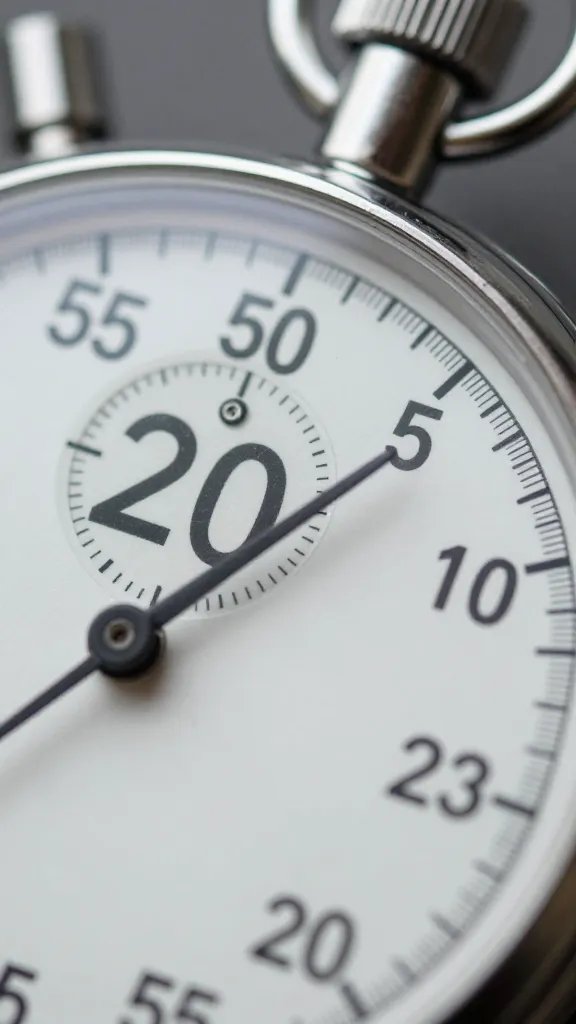
Time-boxing matters. Adults stay sharp when the clock is clear and short; 20 minutes is the sweet spot before attention dips.
Recommended Setup
- Teams: 3–5 people each; mix friends and strangers deliberately.
- Time: 20 minutes to hunt, hard stop at the meetup point.
- Scoring: 1–5 points per task; award 2 bonus points for creativity once.
- Proof: Cell phone photos or short videos; one person acts as recorder.
- Boundary: “Stay within sight of the picnic blanket row and the main path.”
Action today: Set one clear boundary line in the park and mark it on a phone map screenshot you text to everyone.
Build A Balanced List: Items, Interactions, And Movement
A great list hits three buckets: findable objects, playful interactions, and light physical tasks. That balance keeps every personality type engaged.
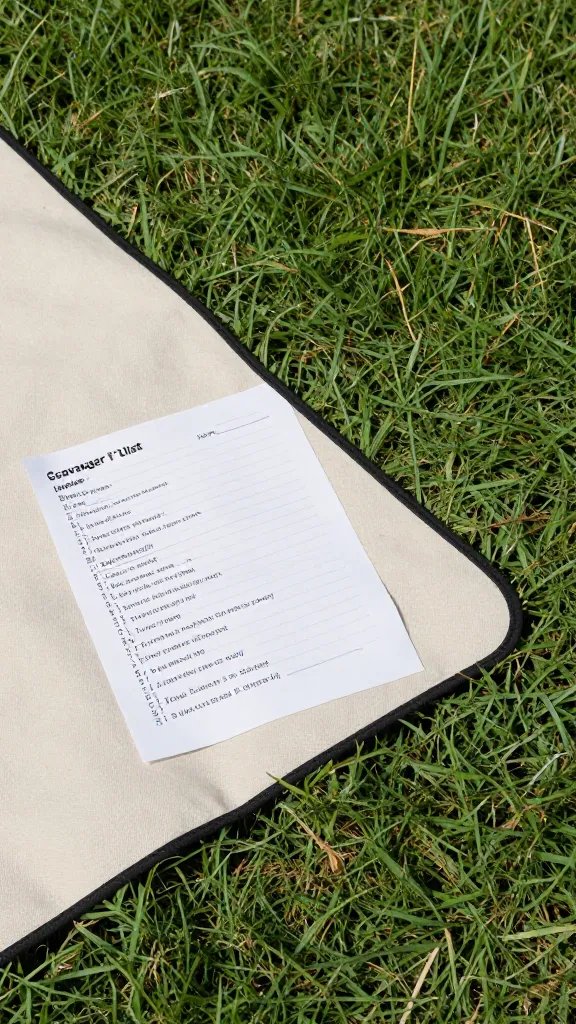
Use park constants so you never rely on a specific location. I test each task with one question: “Can any adult do this in under two minutes here?”
Sample 20-Minute List (Total ~40 Points)
- Objects
- Photo of a unique leaf shape held like a mustache (2 points)
- Trash safely bagged and binned — selfie at the bin (3 points)
- Park sign with a year on it (2 points)
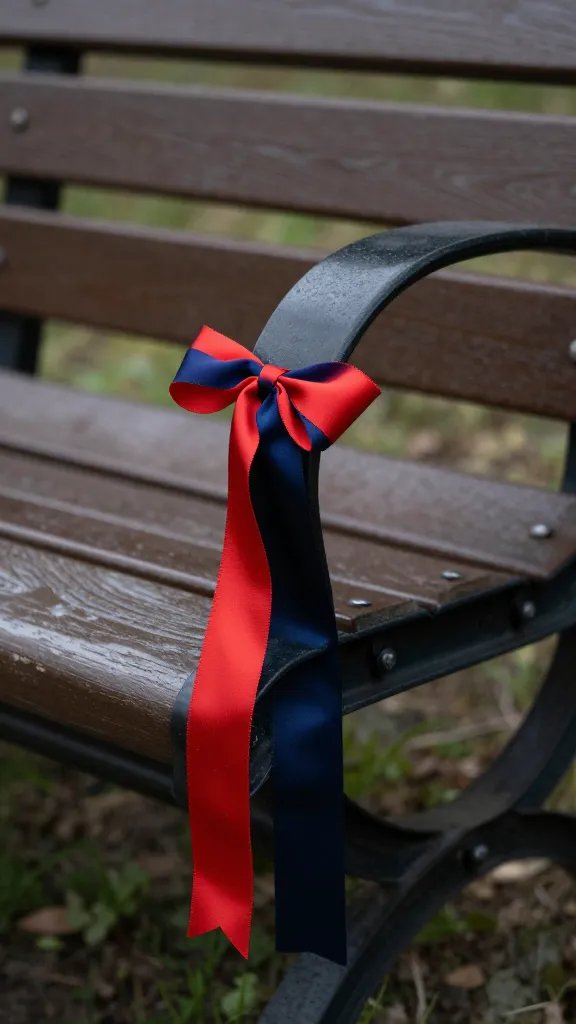
- Something red that isn’t clothing (2 points)
- Interactions
- Teach another team a 5-second handshake; both teams film it (4 points each)
- Ask a friendly passerby for a fun picnic tip; record a 10-second answer (3 points)
- Trade a snack with another team and photograph the swap (3 points)
- Movement
- Team pyramid of three people — safely, on grass — photo (4 points)
- Recreate a famous statue pose near a tree (3 points)
- Spell the word “SUN” using only bodies and shadows (4 points)
- Wildcard
- Most creative hat made from picnic items — no tearing leaves or littering (5 points)
Action today: Copy the list into a phone note and AirDrop/text it to all team leads at start time.
Keep It Safe, Respectful, And Inclusive
I avoid anything that pressures strangers, enters off-limits areas, or risks injuries. Adults appreciate clear guardrails.
Design tasks so everyone can participate regardless of mobility or comfort on camera. Offer an alternative for every movement prompt.
Non-Negotiable Ground Rules
- Safety first: No running on slopes, no climbing, no water entry.
- Respect: Ask before filming strangers; accept “no” and move on.
- Environment: Don’t pick flowers, break branches, or disturb wildlife. Leave no trace.
- Alternatives: If someone opts out of photos, they act as team recorder or director.
Action today: Read these four rules out loud before starting and ask for a quick thumbs-up from every team.
Score Fast And Celebrate The Right Way
Appoint one scorer. I have teams present their favorite single clip first to keep energy high, then I tally the rest while people cheer.
Prizes should be fun, not fancy — think a pack of stickers, a quirky hat, or “first pick of dessert.” Recognize creativity and teamwork, not just raw points.
Rapid Scoring Flow (5–10 Minutes)
- Teams queue photos in their gallery in the list order.
- Scorer calls each task once; teams flash proof; scorer tallies on a phone note.
- Award one Creativity Bonus (2 points) after a quick show of hands.
- Announce winner; snap a group photo; transition to food.
Action today: Pre-name a scorer and hand them a pen plus one index card per team for totals.
Variants For Different Group Sizes And Spaces
Small groups (6–8) thrive with cooperative play: one shared list, collective points, and a “beat the clock” vibe. Large groups (15–40) need more teams and clearer boundaries.
In tight spaces, lean into micro-tasks using textures, sounds, and close-up photos. In open fields, add light-distance challenges that still respect your boundary.
Quick Variants
- Co-op Mode: One list, one timer, goal of 30 points total. Celebrate when the group clears it.
- Relay Mode: Each teammate completes one task solo, tags the next. Works well with 8–12 people.
- Photo-Only Mode: Ideal for camera-shy parks. All proof is objects and landscapes.
Action today: Pick your mode now based on headcount and text it in the invite so expectations are set.
Make Setup Frictionless With One Message
A single, clear pre-event text saves you from repeating instructions in the park. I include what to bring, time limits, and the meet point pin.
People arrive more relaxed when they know the vibe. Use friendly, direct language and confirm phones are charged.
Copy-Paste Invite Text
“We’re running a 20-minute Picnic Scavenger Hunt at 3:30 by the big oak near the playground (pin: [drop pin]). Teams of 3–5, light movement, photo proof only, no climbing or entering water. Bring a charged phone and one shareable snack. Prize = first pick of dessert + glory.”
Action today: Send this text with a map pin to your group chat 24 hours before the picnic.
Frequently Asked Questions
How long should the whole activity take from kickoff to prizes?
Budget 35 minutes total. Use 5 minutes to form teams and explain rules, 20 minutes to hunt, and 10 minutes to score and celebrate. If your group is larger than 20 people, add 5 minutes to scoring and appoint a co-scorer.
What if the park is crowded and strangers don’t want to be on camera?
Design your list so you never rely on stranger participation. If you include an interaction, make it optional and offer a no-camera alternative, like “Find a public notice board and summarize one event.” Remind teams to ask permission before filming and to move on quickly if someone declines.
How do I handle mixed mobility or different comfort levels with physical tasks?
Give every movement task a seated or stationary alternative worth the same points, such as “Create a symmetrical photo using items on your blanket.” Assign roles so everyone contributes: photographer, timekeeper, navigator, and presenter. Make it clear that opting out of a task is normal and planned for.
What’s a good prize that doesn’t feel childish?
Adults respond well to playful status or small perks. Offer first pick of dessert, a reusable picnic blanket clip set, or a goofy trophy you bring back to future picnics. Announce the prize upfront to boost buy-in.
How do I prevent the game from dragging or getting chaotic?
Use a hard timer and a visible meet point — a bright blanket or a small flag. Cap the list at 10–12 tasks and forbid tasks after the timer, no exceptions. Assign one scorer and have teams queue proofs in order to keep scoring under 10 minutes.
Can we play without using our phones?
Yes — switch to “bring back or describe” proof. Teams collect safe, loose items like fallen leaves or bottle caps and give 10-second verbal descriptions for non-collectibles like signs. Keep the same timer and scoring; name one note-taker to prevent disputes.
Conclusion
You now have a complete, low-prep plan for a picnic scavenger hunt that adults actually enjoy — tight timing, balanced tasks, and clear guardrails. Pick your variant, copy the sample list, and send the invite text with a map pin. At your next picnic, run one 35-minute round and watch the whole outing click into place.
Leave a Reply