The Best Fabric for Wedding Napkins: Satin, Linen, or Damask? Unveiled
· Samantha Jones
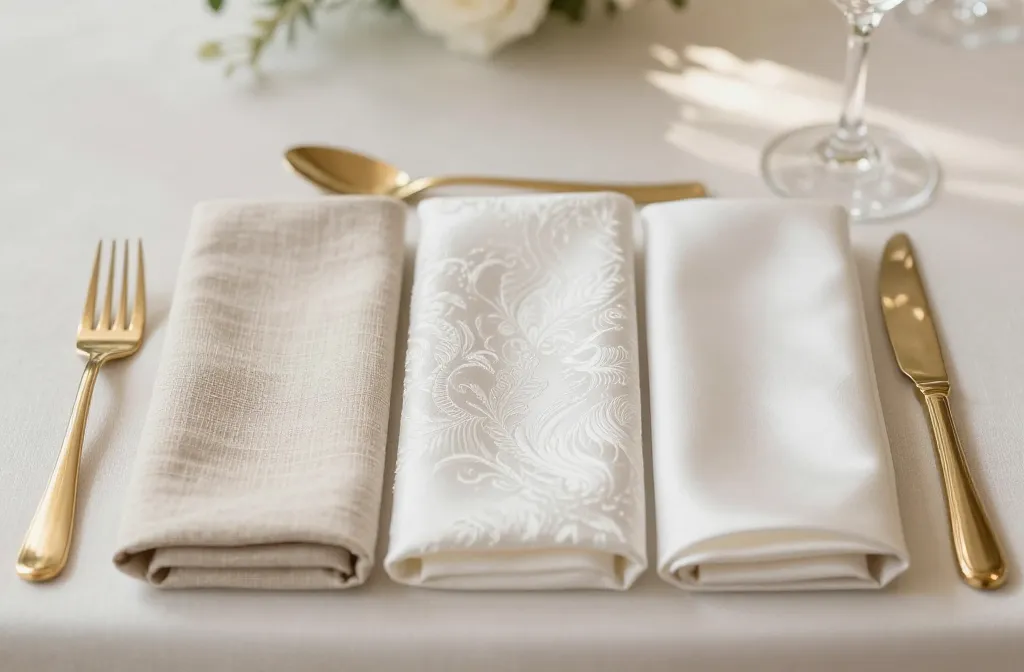
I’ve dressed more than a few wedding tables with a tight budget, a short timeline, and only a household iron to help. The napkins did more than catch crumbs — they set the tone for the entire room. If you’re debating fabrics at your dining table with a coffee mug as your “centerpiece,” I’ve been exactly there. In this guide I’ll show you which fabric actually looks luxe in photos, survives a meal, and won’t make you spend the night under an iron.
What “Looks Expensive” Under Real Lighting and Cameras
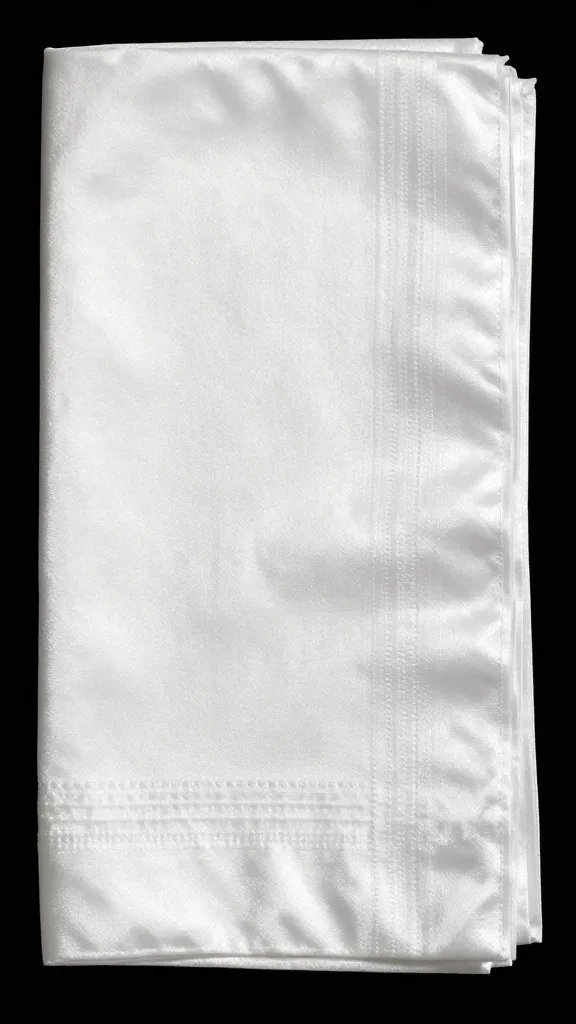
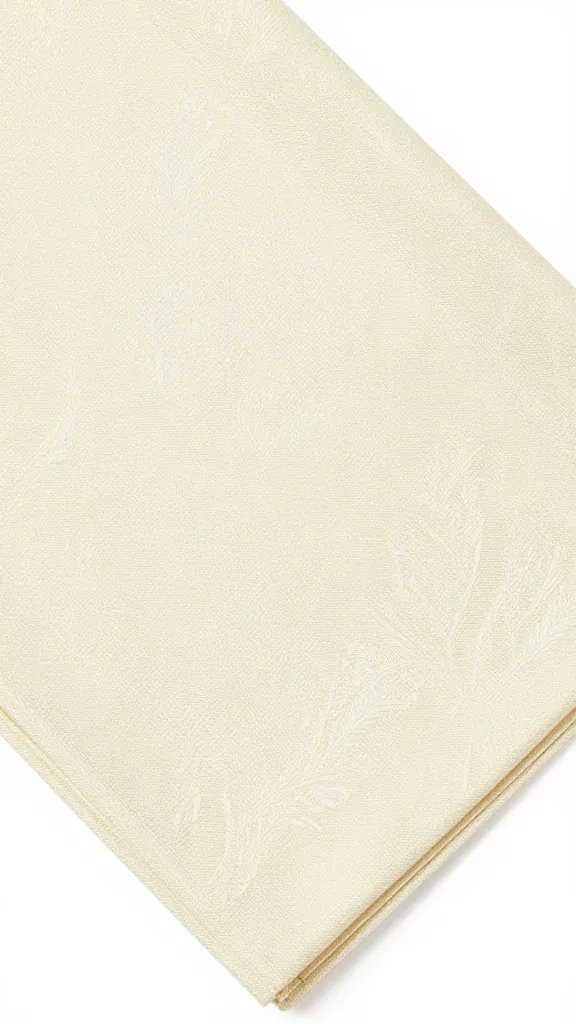
Wedding photos flatten detail and exaggerate shine. Satin throws a glossy highlight that can look streaky or cheap in daylight or flash. Linen has a matte, nubby texture that reads rich and natural in any light. Damask (usually a jacquard weave in polyester or cotton blend) shows pattern through the weave — it catches light softly without glare.
At guest-eye level, linen looks tailored and effortless. Damask looks formal and traditional. Satin looks glamorous but shows every crease and fingerprint of oil from hands.
Takeaway: If you want “luxe in photos with zero fuss,” choose linen. If you want a classic hotel look, choose a poly-cotton damask. Skip satin unless you’ll baby it on the day.
Wrinkles, Stains, and How Much Work You’ll Actually Do
Linen arrives wrinkled but relaxes with steam and looks intentionally textured. It releases food stains well and improves with washing. You can iron it damp with a household iron and a clean pillowcase on top as a press cloth.
Damask in a poly-cotton blend resists wrinkles and stains. It needs a quick press at most. Pure cotton damask creases more but still behaves better than satin.
Satin (especially polyester satin) wrinkles sharply, shows water spots, and snags on rough edges. It also holds oil stains and lipstick shadows after washing.
Action today: Order one napkin in each fabric and perform a “real dinner” test with red wine, olive oil, and tomato sauce. Wash on warm, air-dry, and see which one forgives you.
Comfort, Folding, and How Napkins Behave on the Plate
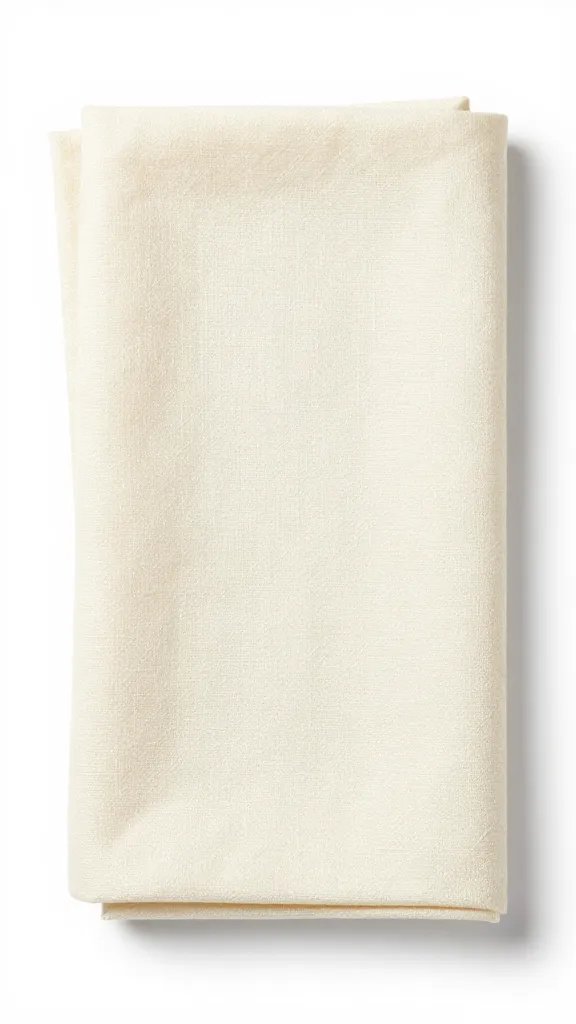
Linen folds crisply and stays where you put it. It holds simple folds — bishop’s hat, pocket, or a clean rectangle — without slumping.
Damask (poly-cotton) also takes a crease well and feels smooth against the skin. Patterned weaves make simple folds look intentional without extra styling.
Satin slides off plates and won’t hold sharp folds without heavy starch. It also feels slick against the mouth, which some guests dislike.
Takeaway: For reliable folds with a basic iron, pick linen or poly-cotton damask. Avoid satin if your napkins need to stand up on their own.
Cost, Sourcing, and Smart Ways to Stretch a Budget
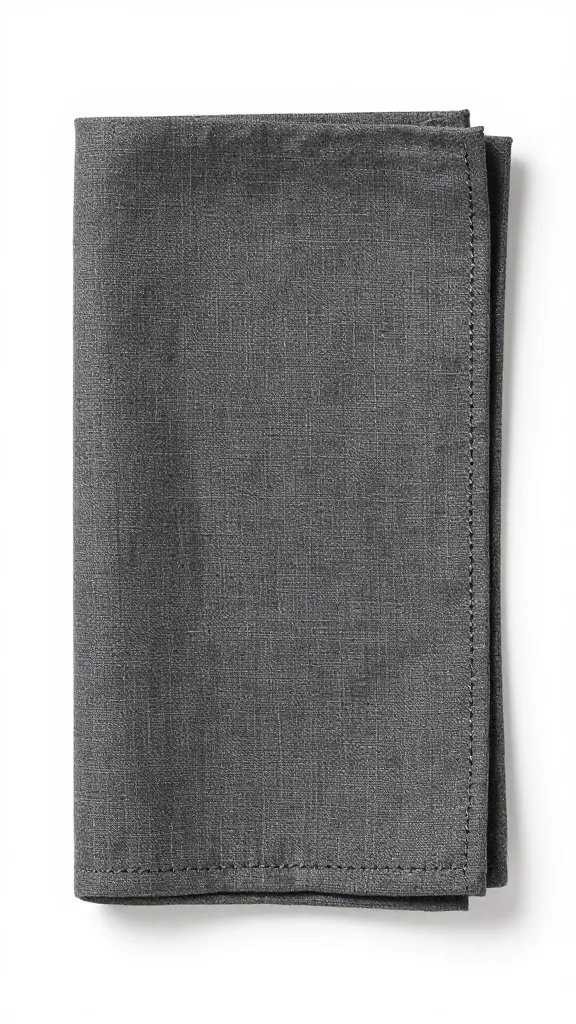
On rental sites and in big-box stores, poly-cotton damask usually costs less than stonewashed linen and close to polyester satin. True flax linen costs more upfront but resells well locally after the wedding.
Buying beats renting when you want a specific color and you have at least 75–100 guests. You can also mix: use linen for head tables and damask for guest tables to control costs without losing cohesion.
Action today: Price three options at 20-inch square size: stonewashed linen, poly-cotton damask, and polyester satin. Compare the total for your guest count plus 10% extras for emergencies.
Color, Theme, and Matching to Your Tableware
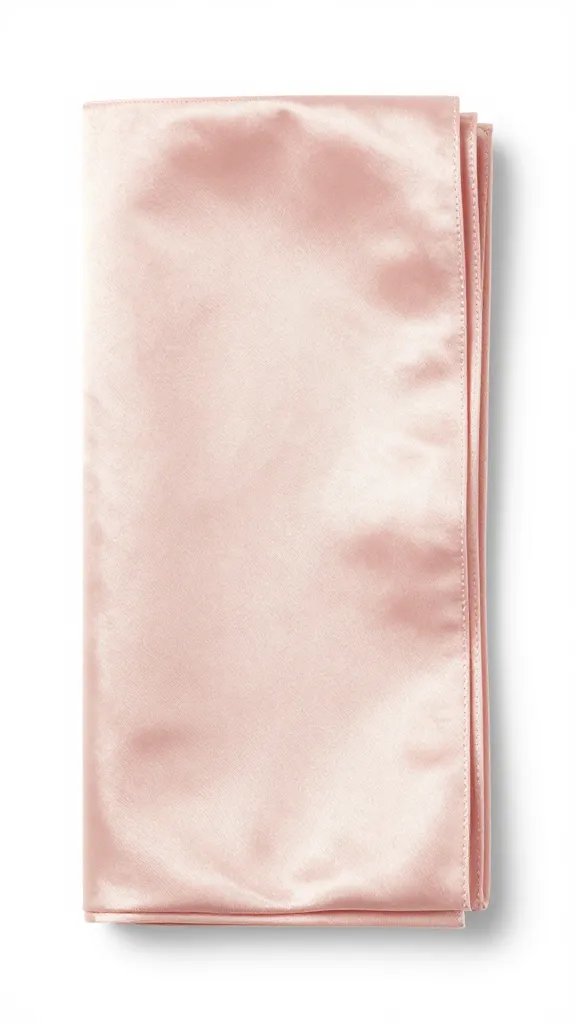
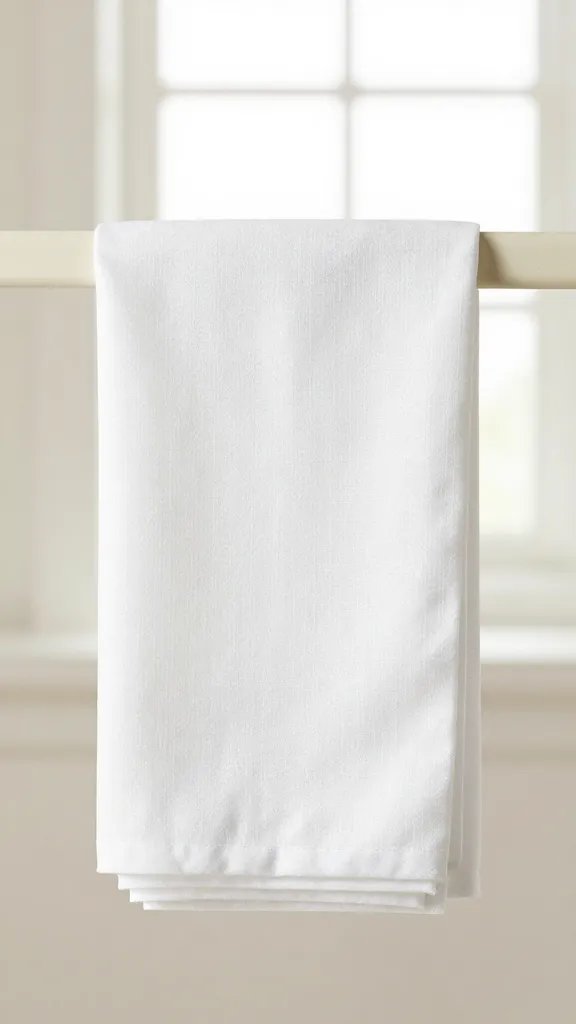
Linen shines in muted, natural palettes: ivory, oat, dusty blue, sage. It pairs with rustic wood, garden florals, and matte dinnerware.
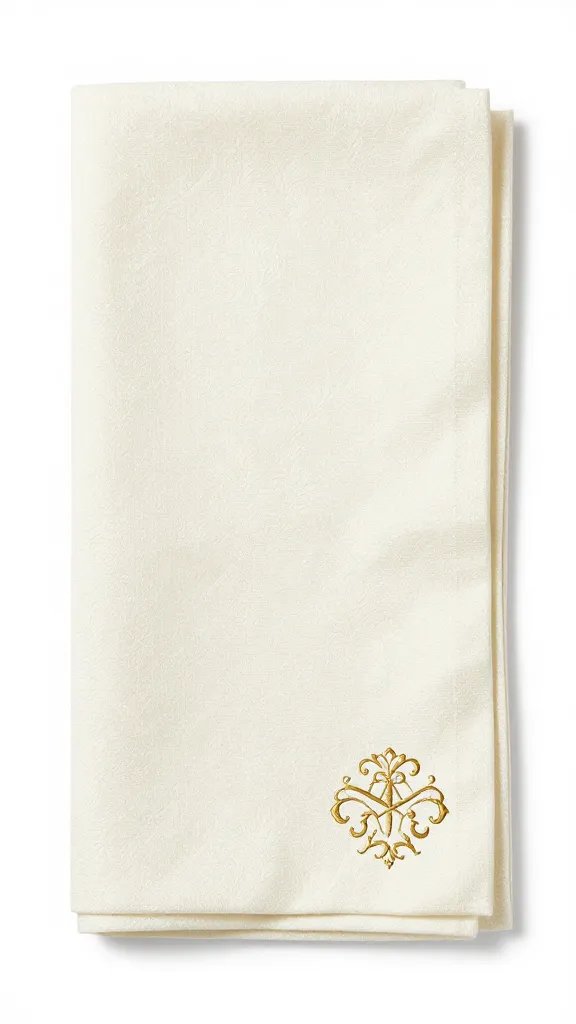
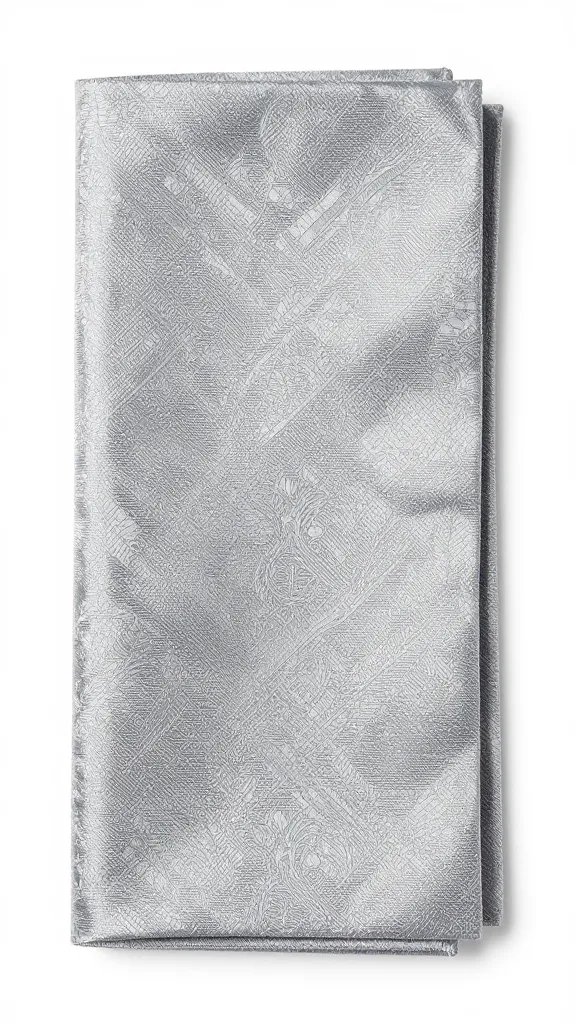
Damask suits formal themes: classic white-on-white, champagne, or deep jewel tones. It complements polished flatware and hotel-style china. The woven pattern provides interest even in all-white tablescapes.
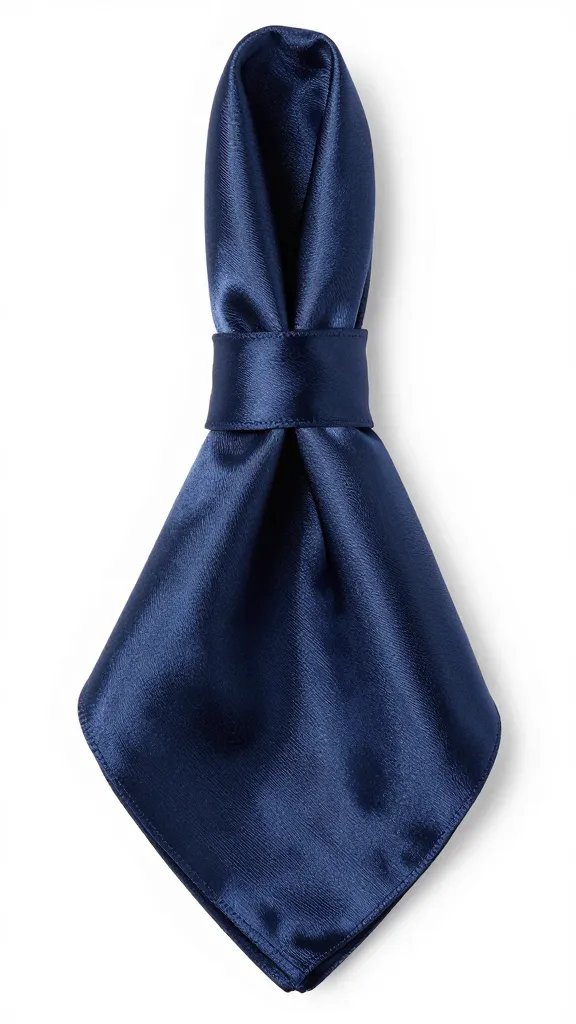
Satin works for high-glam evenings with dramatic uplighting, mirrored chargers, and metallic accents. Keep colors deep (emerald, navy, black) to avoid glare.
Takeaway: Lay one napkin on your actual dinner plate with your real flatware. Choose the fabric that improves the plate, not just the one that looks pretty alone.
Care on the Day: Pressing, Starching, and Emergency Fixes
Linen: Wash on warm, shake out, and dry until slightly damp. Iron on high with steam. For crisp folds, mist with clean water and press through a pillowcase. Optional: light spray starch.
Damask: Wash warm, tumble dry to just-barely dry, then stack flat. Quick iron touch-ups on medium heat. Avoid heavy starch on polyester blends — it can create shine.
Satin: Use a cool iron only on the wrong side, with a press cloth, and avoid steam that can spot. Keep a lint roller and fabric shaver handy for snags and pulls.
Action today: Time how long it takes you to press and fold 6 napkins of your chosen fabric. Multiply by your guest count to see the true labor cost.
Durability, Reuse, and What Happens After the Wedding
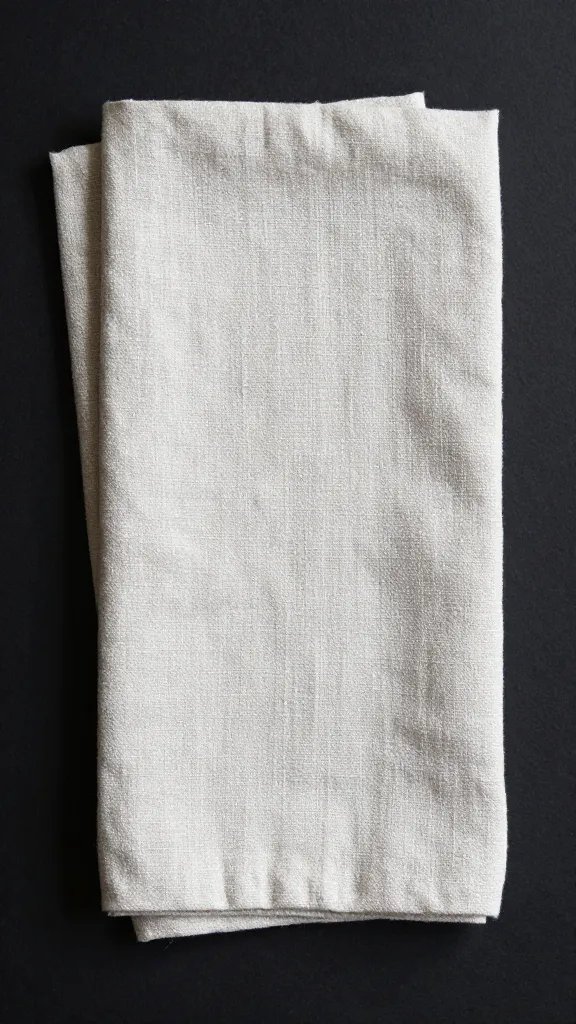
Linen softens and gets better with each wash. It’s ideal if you plan to keep a set for holidays or resell them. Minor stains lift with an overnight soak in oxygen-based cleaner.
Damask blends hold color and finish after many washes. They store well without special care and make practical gifts or rentals to friends.
Satin shows snags and pulls after a single event. It doesn’t age gracefully and has low resale interest compared to linen.
Takeaway: If you want value beyond one night, invest in linen or poly-cotton damask. Treat satin as a single-occasion look.
Material Recommendations That Don’t Require Specialty Gear
Linen: Look for “stonewashed” or “pre-washed” 100% flax at 18–20 inches square with mitered corners. Stonewashing tames wrinkles and gives a soft hand from day one.
Damask: Choose a 55/45 poly-cotton or similar blend. Ask for a simple scroll or geometric pattern so it reads as texture, not busy print.
Satin: If you insist, choose a heavier polyester satin labeled “matte satin” to reduce glare. Inspect for snag resistance at the store by rubbing gently against a wooden skewer or your ring.
Action today: Visit a fabric or party store and handle one napkin in each fabric. Crumple it lightly in your fist for 5 seconds — buy the one that bounces back best.
Frequently Asked Questions
What size napkin should I use for a standard dinner plate?
Choose 18–20 inches square for dinner service. That size covers a lap without swallowing the plate and folds cleanly into a pocket or rectangle. If your chargers are oversized, step up to 20–22 inches for proportion. Always test one fold on your actual plates before ordering the full set.
How many napkins do I need for 100 guests?
Plan one per guest plus 10–15% extra for drops and last-minute additions. For 100 guests, order 110–115 napkins. Extras also cover vendor meals and photography styling. Keep 6–8 spares at the head table for quick swaps during the event.
How do I remove red wine from linen napkins after the reception?
Blot, don’t rub. At home, soak the napkin in cool water with oxygen-based cleaner for 4–6 hours, then wash on warm with regular detergent. Dry until slightly damp and iron on high with steam. Avoid hot dryers before the stain is gone — heat sets pigment.
Can I mix fabrics without it looking mismatched?
Yes, if you control color and finish. Keep all napkins in the same color family and limit sheen to one zone — for example, linen at guest tables and damask at the head table. Repeat the head-table fabric under candles or on the cake table to tie it together. Lay out one full place setting of each mix before committing.
Are disposable paper napkins ever acceptable for a wedding?
For dessert stations or cocktail hour, quality paper napkins work well. Choose a thick, linen-feel paper in a color that matches your cloth napkins to keep cohesion. Keep cloth for seated dinner service so photos look consistent. Budget for 2–3 paper napkins per guest at bars and dessert tables.
What’s the easiest last-minute way to de-wrinkle napkins on site?
Hang 12–15 at a time on pants hangers in a bathroom with a hot shower running for 5–8 minutes. Smooth each napkin by hand, then do a quick pass with a travel steamer or an iron on-site using a pillowcase as a press cloth. Stack flat in sets of 10 and carry them to tables to avoid new creases. Work in teams of two: one steams, one folds.
Conclusion
Choose linen when you want effortless elegance that photographs beautifully and improves with age. Choose poly-cotton damask when you need formal, low-maintenance polish on a budget. If satin still calls to you, test it under real lighting before you commit. Action now: order one napkin in each fabric and run the dinner-and-wash test this week — your tables will thank you on the day that counts.
Leave a Reply