Storm-Proof Your Party How to Handle Inclement Weather: a Plan B for Outdoor Events
· Samantha Jones
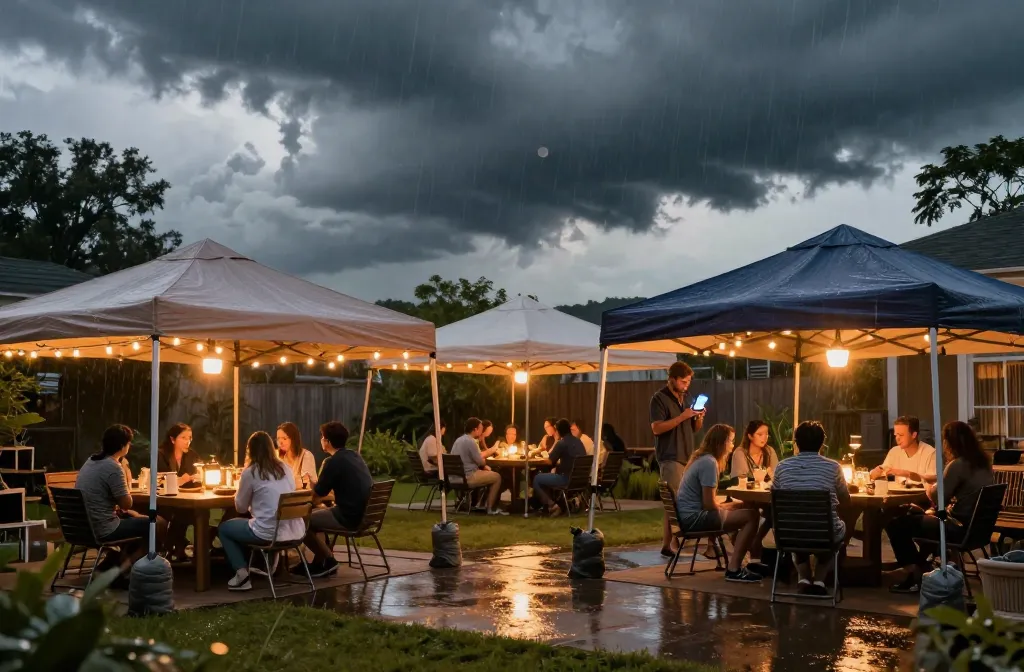
I’ve had a backyard dinner turn into a tarp-wrestling match when a calm forecast suddenly flipped to wind and sideways rain. If you’ve planned an outdoor gathering, you’ve felt that knot in your stomach while refreshing the weather app. I’ve learned that a clear Plan B calms nerves and keeps guests comfortable without blowing the budget. In this guide, I’ll show you exactly how to prepare, what to buy at a standard garden centre or hardware store, and how to make the right call fast when the sky turns.
Build a Simple Weather Decision Trigger You’ll Actually Use
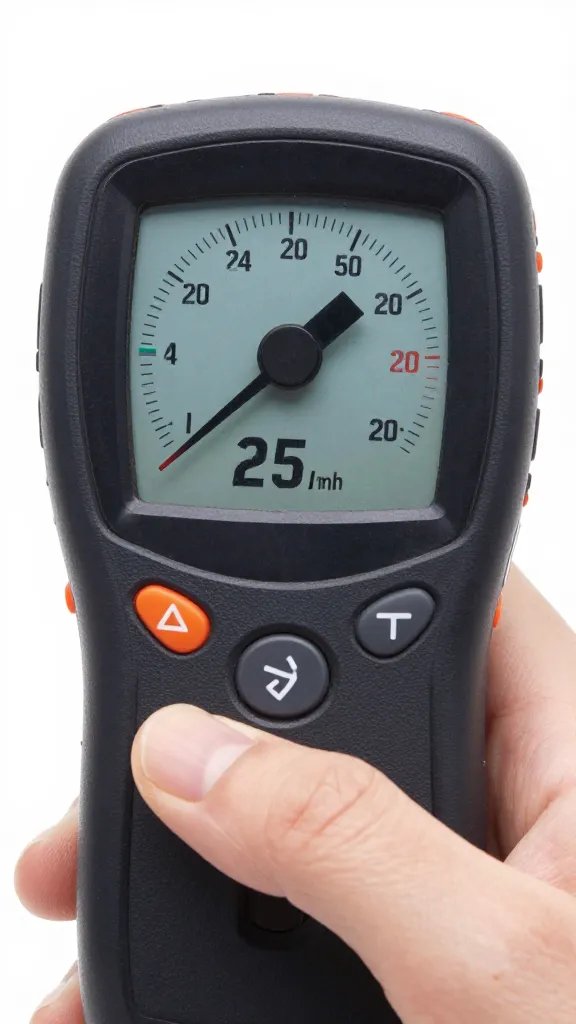
Most stress comes from guessing. I set two non-negotiable triggers: wind over 25 mph (40 km/h) or radar showing rain within 2 hours that lasts more than 30 minutes. I check at 48, 24, and 6 hours before start time, then again 3 hours out. When a trigger hits, I switch to Plan B without debating it.
I use one app for radar and one for hourly wind and precipitation. If they conflict, I follow the one with the worse forecast and plan up from there. Confidence comes from deciding your line in advance.
Action today: Write your two weather triggers on a sticky note and tape it to your fridge or event checklist.
Create Shelter Options With Hardware-Store Materials

You don’t need a fancy rental tent. A 10×10 ft pop-up canopy, four sandbags (or buckets with gravel), and two heavy-duty tarps can transform a patio into a dry zone. I always pack extra bungee cords, spring clamps, and a roll of duct tape to close gaps and direct drips away from seating.
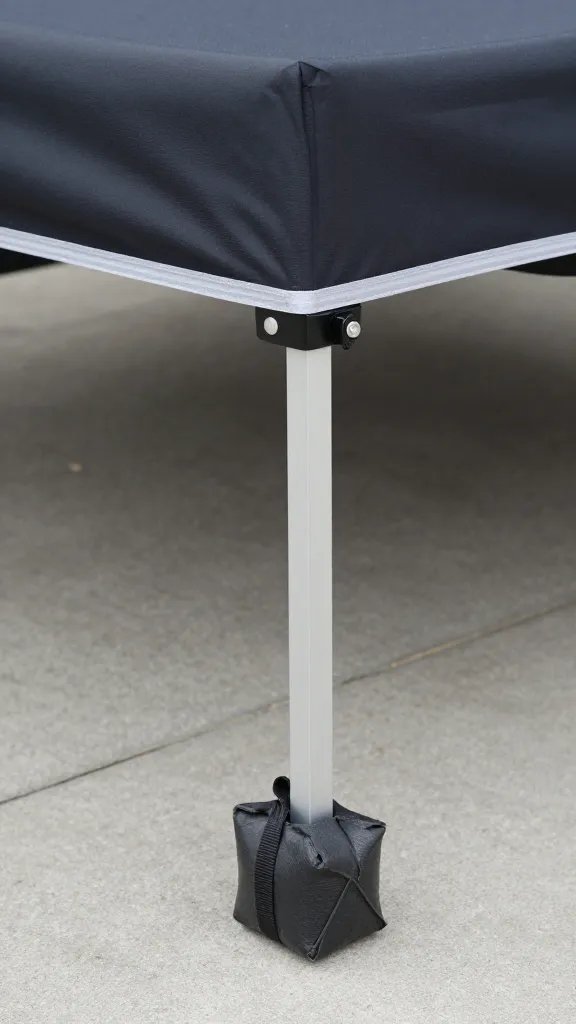
Warning: Wind is the real threat. A lightweight canopy becomes a kite without anchors. I use at least 20–30 lb (9–14 kg) per leg and add guy lines with tent stakes if I’m on grass. On hard surfaces, I strap legs to filled buckets or water barrels.
Step-by-Step: Fast, Secure Canopy Setup
- Place the canopy where runoff won’t flow toward guests or doors.
- Open the frame halfway, attach the top, then extend fully.
- Anchor each leg immediately with weights before adjusting height.
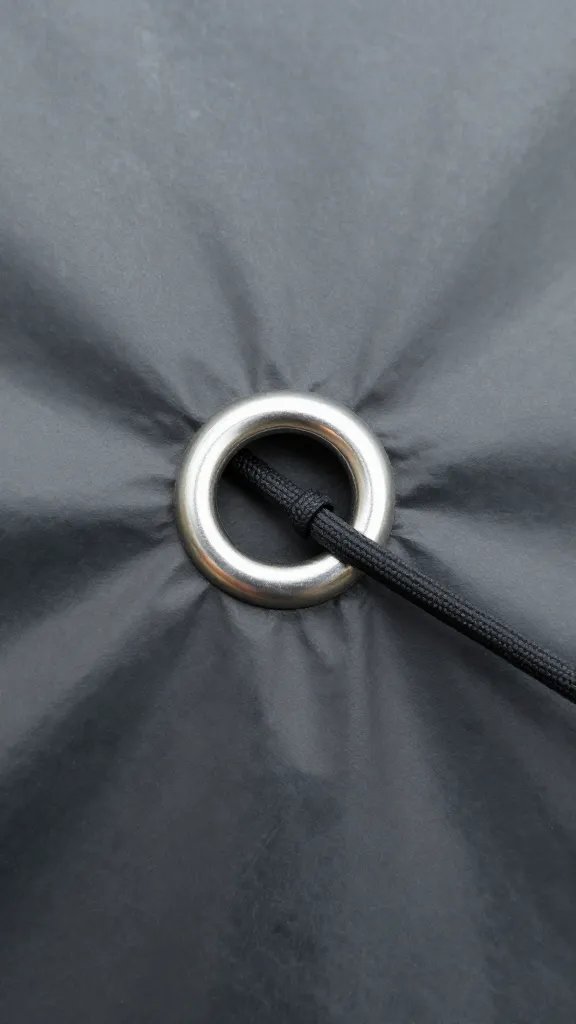
- Clip a tarp to the windward side as a wall; leave a leeward gap for airflow.
- Angle a second tarp slightly to channel drips away from traffic paths.
Action today: Store four prefilled sandbags or gravel buckets with your canopy so you never skip anchoring in a rush.
Rearrange Layout for Wind, Not Just Rain
Rain gets attention, but wind ruins table settings, flames, and sound. I map two layouts in advance: a fair-weather plan and a wind plan. In the wind plan, I rotate seating so guests face away from the prevailing wind and move the food table inside, in a garage, or under the most solid shelter.
I swap lightweight decor for low-profile items. Table runners become folded cloths. Tall vases become short jars with stones inside. I clip tablecloths under the tabletop using binder clips or spring clamps hidden at the corners.
Checklist: Wind-Proofing Essentials
- Clamps: 8–12 spring clamps for tablecloths and tarps
- Weights: Filled jars, stones, or bricks wrapped in napkins
- LED candles: Replace open flames
- Bungee cords: Secure decor to railings or posts
Action today: Identify the most wind-sheltered corner of your outdoor space and mark it as your “anchor zone” for food and fragile items.
Make a Dry Food and Beverage Plan That Still Feels Festive

Food quality nosedives in damp air. I shift the buffet indoors or under the most reliable cover and set a small “satellite” drink station outside to reduce traffic. For hot dishes, I use slow cookers with lids, and for cold, I put ice packs under trays instead of open ice that splashes.
I always have a sealed snack kit: covered bowls, snap-lid containers, and a stack of clean towels. Paper goods live in a lidded storage bin. If I’m grilling, I position the grill with the back to the wind and a clear, nonflammable buffer — no tarps within 6 feet.
Warning Signs Your Setup Needs a Quick Fix
- Drip lines over food: Redirect with a clipped tarp lip.
- Condensation in serving dishes: Switch to lids and smaller refill trays.
- Guests bunching at one table: Duplicate water and napkins at two points.
Action today: Pack a lidded “weather bin” with towels, clips, extra trash bags, and food covers and store it with your party supplies.
Keep Guests Comfortable With Simple Heat, Light, and Dry Seating
Comfort beats perfection. I stock a plastic tote with spare umbrellas, a dozen microfiber towels, and a few fleece throws. For cool, damp evenings, I set one or two electric space heaters under a roof or porch, away from splashing, and run them on dedicated outlets with outdoor-rated extension cords.
For seating, I dry chairs with towels, then add a folded blanket per seat. I lay down anti-slip outdoor mats on slick steps and mark edges with battery string lights for visibility. If the ground is soggy, I place interlocking foam tiles under rugs to keep feet off cold concrete.
Action today: Place a small basket by your back door with 2–3 loaner umbrellas and a stack of hand towels.
Set Communication Rules So Everyone Shows Up Confident
Ambiguity creates no-shows. I send one clear message 48 hours out with the exact Plan B location and arrival instructions. I include one line on weather timing: “If rain or high wind is expected at 3 pm or later, we’ll shift to the covered patio and living room.”
On the day, I send a single update 3 hours before start confirming the plan. Guests don’t need radar screenshots — they need certainty. Vendors or helpers get a bullet-point task list so setup moves fast when the call is made.
Action today: Draft a two-sentence Plan B text and save it in your notes app for quick sending.
Know When to Move Indoors Entirely
Some weather isn’t negotiable. I move everything indoors if wind hits 35 mph (56 km/h), lightning appears within 10 miles (16 km), or sustained heavy rain is forecast during the core of the event. I don’t rely on tents in electrical storms or gusty conditions — they create a false sense of security.
My indoor backup uses the same decor and tableware, just condensed. I set a coat-and-umbrella zone by the entrance with towels and a boot tray. Music gets turned up slightly to mask rain noise, and lighting goes warm to keep the mood cozy.
Action today: Walk through your home and identify your maximum comfortable guest count and the best flow between rooms.
Frequently Asked Questions
How many canopies do I need for a small backyard party?
Plan one 10×10 ft canopy per 10–12 standing guests or per 6–8 seated guests. That gives space for a food table and a clear walkway. Anchor each canopy leg with 20–30 lb weights. If you expect rain, add a tarp wall on the windward side to stop sideways spray.
What’s the best way to keep table settings from blowing away?
Use spring clamps to secure tablecloths underneath and switch to low, heavy centerpieces. Weigh napkins with small stones or cutlery tied with twine. Avoid tall candles; use LED tealights in short jars. Keep decoration height under 6 inches on windy days.
How do I handle muddy grass without renting flooring?
Lay down interlocking foam tiles or rubber anti-fatigue mats from a hardware store, then cover with outdoor rugs. Create a defined path from house to seating with pavers or wood planks you already own. Put a boot tray and towels at the door to protect floors. Keep seating on the most stable, slightly raised ground.
Is grilling safe under a canopy or covered patio?
Keep all grills at least 6 feet from any canopy, tarp, or wall. Face the back of the grill toward the wind so flames don’t flare into the cook area. Use a large, nonflammable drip tray beneath and keep a spray bottle and extinguisher nearby. If wind hits 25 mph during grilling, pause and relocate to open air.
What if the forecast changes last minute?
Follow your pre-set triggers. If a trigger hits within 3 hours of start time, send your Plan B text and switch layouts immediately. Prioritize shelter, food safety, and pathways; decor can move later. Guests appreciate a decisive call more than a perfect setup.
Do I need a generator for lights or heaters?
No, not for most home gatherings. Use outdoor-rated extension cords on dedicated circuits and LED lighting, which draws little power. Limit to one space heater per circuit and keep them dry and supervised. If you host often, a small, quiet inverter generator can help, but it isn’t required.
Conclusion
Weather doesn’t have to control your event — your plan does. Set your triggers, stock a simple weather bin, and walk your backup layout this week. The next time the radar darkens, you’ll flip to Plan B in minutes and keep the day on track. Start by writing your two weather triggers and taping them to your checklist — that single step makes every decision easier.
Leave a Reply