Master Picnic Food Safety 101 for Easter (Coolers, Temps, and Timing)
· Yogi
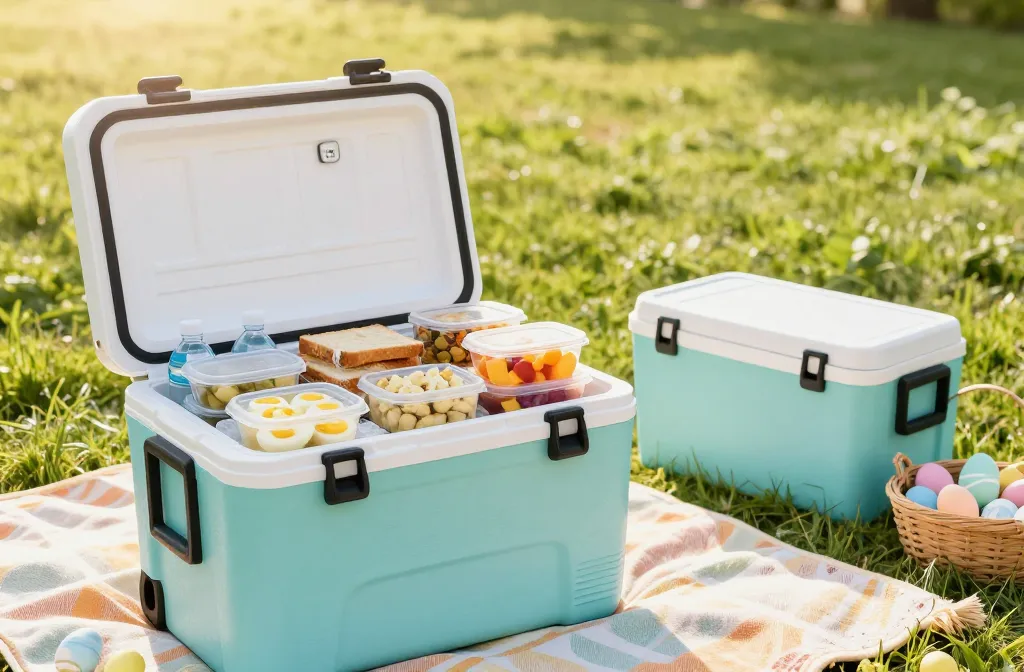
Easter picnics hit different—sunny grass, pastel eggs, and way too many deviled eggs calling your name. But nothing kills the vibe faster than sketchy potato salad that sat out too long. Good news: with a few smart moves, you can keep everything safe, crisp, and delicious. Let’s lock in your plan so you feast worry-free and avoid any “remember that food poisoning Easter?” stories.
1. Pack Like A Pro: The Cooler Strategy That Keeps Everything Chill
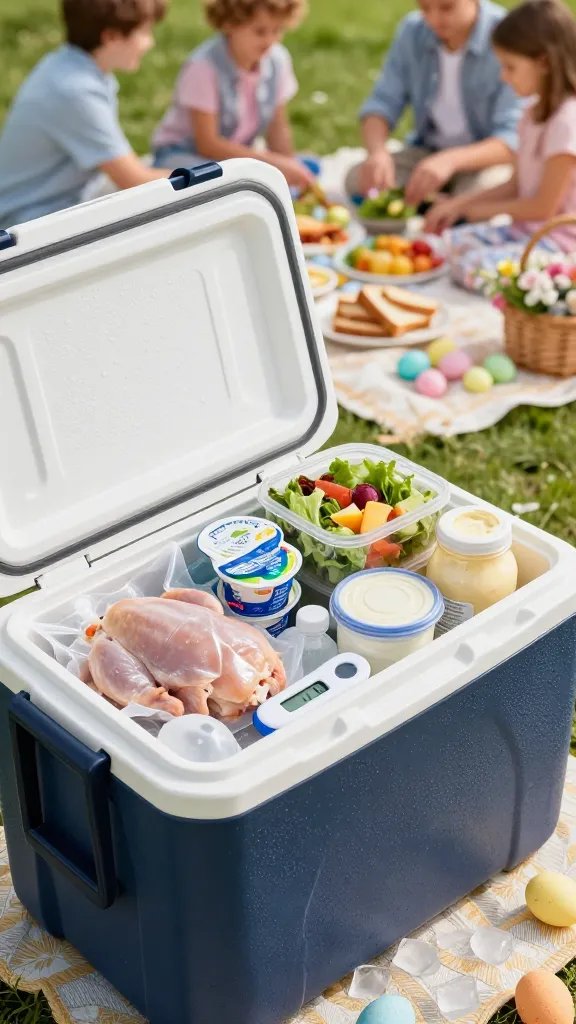
Your cooler is mission control. Pack it right and you’ll hold safe temps for hours—even if Aunt Linda insists on “just one more photo.” Mispack it, and you accelerate the melt-down literally.
Start with a clean, pre-chilled cooler. Freeze water bottles and gel packs the night before. Then layer strategically so cold air hits where it matters most.
How To Pack It
- Bottom layer: Solid ice packs or frozen water bottles—think chill foundation.
- Center stack: Raw proteins (sealed tight), dairy, mayo-based salads, and cut fruits.
- Top layer: Ready-to-eat stuff you’ll grab first—sandwiches, snacks, drinks (or use a separate drink cooler).
- Fill the gaps: Add more ice packs—air pockets warm up fast.
- Thermometer: Toss in a fridge/freezer thermometer so you can check at a glance.
Use separate coolers when you can: one for food, one for drinks. People open the drink cooler nonstop, which warms everything inside. Keep lids closed—you’re not air-conditioning the outdoors. Benefits? More consistent temps, less stress, and food that stays safe and tasty longer.
2. Master The Numbers: Temps That Make Or Break Your Meal
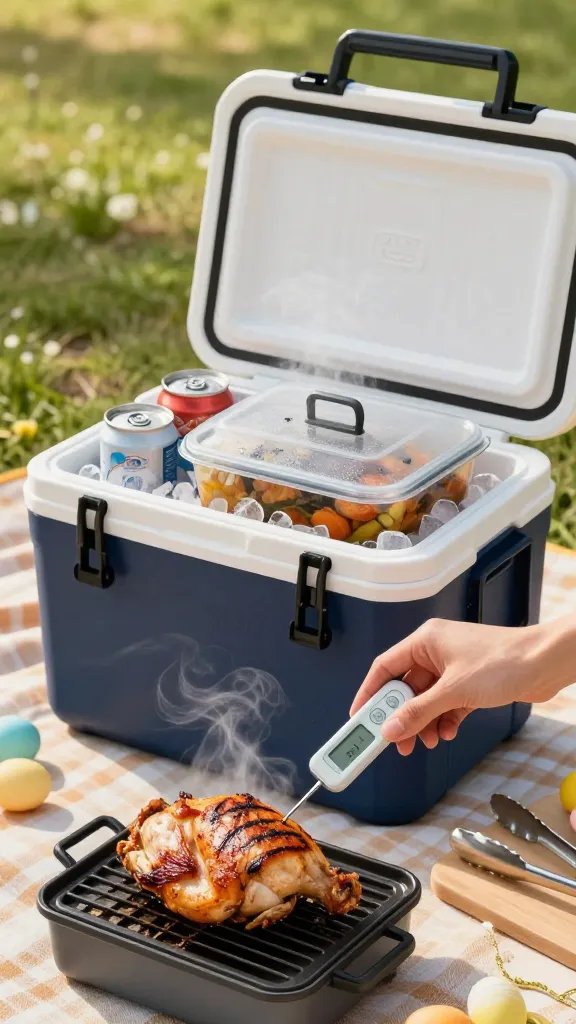
Food safety lives and dies by temperature. The danger zone—between 40°F and 140°F—is where bacteria throw a party. Keep cold foods cold and hot foods hot, and you’ll sidestep trouble.
Bring a small digital thermometer. It’s cheap, tiny, and removes guesswork. FYI, “feels cold” is not a scientific measurement.
Critical Targets
- Cold hold: 40°F or below in the cooler.
- Hot hold: 140°F or above if you’re serving hot dishes (think insulated carriers, thermal bags).
- Cook temps (if grilling): Poultry 165°F; ground meats 160°F; whole cuts of beef/pork/lamb 145°F (rest 3 minutes); fish 145°F or opaque and flaky.
- Egg safety: Hard-cooked eggs need refrigeration within 2 hours of cooking or dyeing (1 hour if it’s crazy hot outside).
Want easier control? Serve cold-forward menus: pasta salad without mayo, hummus, whole fruits, and sealed cheeses. You hold temps better and waste less. Hot food at a picnic tastes amazing, but only if you can keep it safely hot—otherwise pivot to cold options and relax.
3. Timing Is Everything: The “Two-Hour Rule” (And When It’s Actually One)
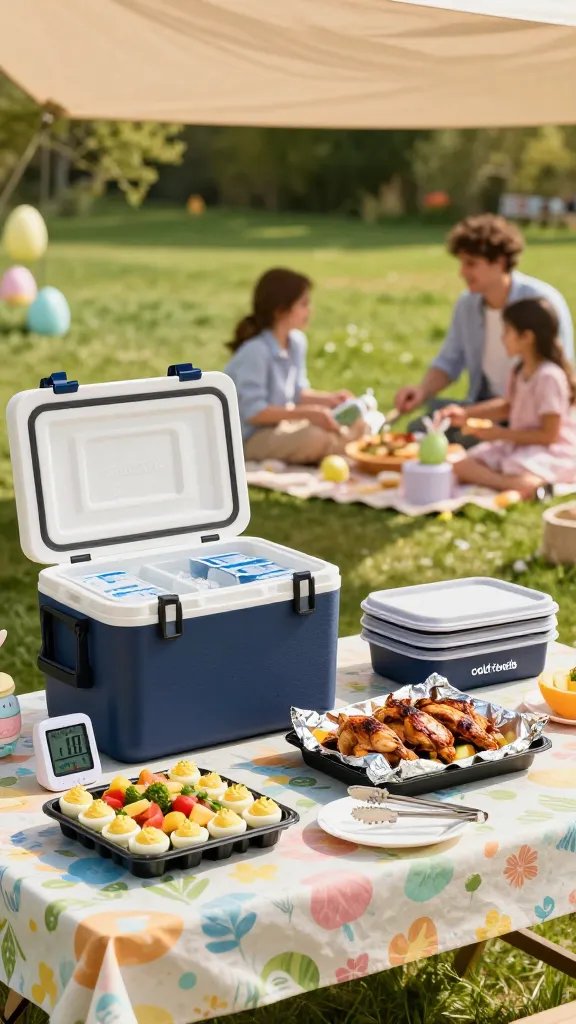
Set a food timer in your head—or better, on your phone. Once food leaves the cooler or heat, the clock starts. The 2-hour rule keeps you safe, and it drops to 1 hour when temps hit 90°F+ (hello, sunny Easter fields).
Build your picnic plan around safe windows, not wishful thinking. Want to linger? Swap out serving trays and rotate from the cooler like a pro.
Smart Serving Rhythm
- Stagger the spread: Put out half the deviled eggs, keep the rest cold. Refill as needed.
- Shade equals time: Use a canopy, umbrella, or even the picnic blanket as a shade over platters to slow warming.
- Small bowls rule: Refill from the cooler instead of parking a giant bowl in the sun.
- Set an alarm: 90 minutes after serving, check temps or swap dishes—seriously, this saves the day.
- When in doubt, toss it out: If it sat out past the limit, don’t negotiate with it.
Bonus move: Label containers with “out” times using painter’s tape. It’s low-tech, high-impact, and stops the “has this been out long?” confusion.
4. Build A Safer Menu: Easter Favorites That Travel And Hold Well
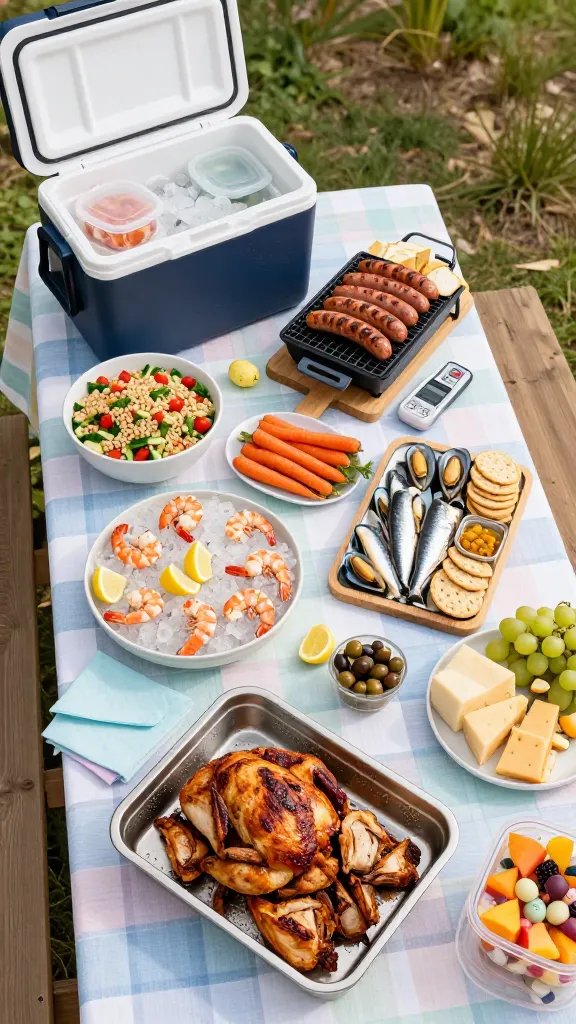
You don’t need to ditch tradition; just tweak recipes to handle warmer weather and longer serving. Focus on ingredients that don’t spoil fast and still taste amazing chilled.
Opt for sturdy salads, low-risk proteins, and treats that don’t melt into chaos. Your future self will thank you when everything still tastes great an hour later.
Picnic-Friendly Picks
- Proteins: Rotisserie-style chicken kept cold, grilled sausages cooked fresh, chilled shrimp on ice, or tinned fish boards (so chic, IMO).
- Salads: Vinegar-based pasta or potato salad; grain bowls with quinoa, roasted veggies, and lemony vinaigrette; slaws with yogurt or vinaigrette instead of heavy mayo.
- Dips: Hummus, tzatziki, black bean dip—serve in small cups over a tray of ice.
- Sandwiches: Ciabatta with salami and provolone, pesto and mozzarella, or turkey with crisp lettuce—assemble close to serving to avoid sogginess.
- Sides & Snacks: Whole fruits (apples, grapes, clementines), pickles, marinated olives, crackers, nuts.
- Desserts: Lemon bars, carrot cake cupcakes with cream cheese frosting kept chilled, or chocolate-dipped pretzels instead of melt-prone truffles.
Swap This For That
- Deviled eggs: Keep chilled in a lidded tray with ice beneath; or make “deviled potato bites” with mustardy filling for a safer twist.
- Macaroni salad: Go vinaigrette-based or mix half mayo, half Greek yogurt, plus extra acid (vinegar or lemon) and celery for crunch.
- Cheese board: Choose firm cheeses over soft; pre-slice and keep wrapped until serving.
These picks resist spoilage, travel like champs, and still deliver all the festive Easter feels. You’ll spend less time worrying and more time hunting eggs like a pro.
5. Clean Hands, Safe Surfaces: Keep Germs From Crashing Your Picnic
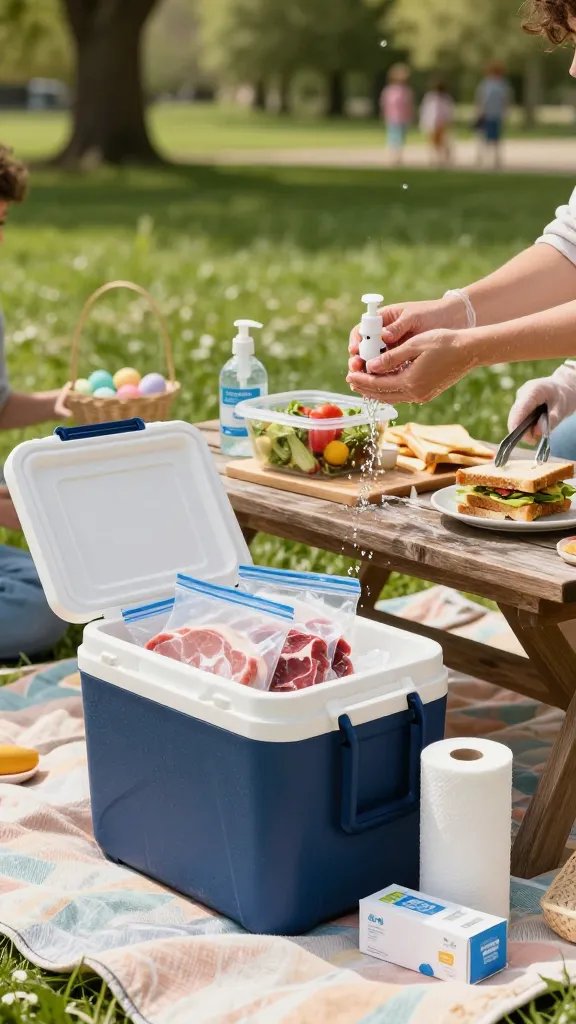
Foodborne illness doesn’t just come from bad temps—it often starts with messy hands and cross-contamination. Keep raw and ready-to-eat foods far apart, and give your hands a fighting chance when you’re miles from a sink.
Build a tiny “sanitation kit.” It weighs almost nothing and saves everything.
Your Minimalist Safety Kit
- Hand hygiene: Handwashing station (water jug with spigot + soap + paper towels) or alcohol-based hand sanitizer (60%+ alcohol) used before handling food.
- Barriers: Disposable gloves for handling ready-to-eat items; tongs, spoons, and serving forks for every dish.
- Separation: One cutting board for produce, another for proteins; color-code if possible. Keep raw meat sealed—no leaks allowed.
- Wraps and covers: Foil, beeswax wraps, or lids to shield from bugs, dust, and grabby little hands.
- Trash control: Extra bags and clips; keep a separate bag for recyclables so you don’t rummage through waste mid-meal.
Cross-Contamination Watchouts
- Marinade reuse: Never use marinade from raw meat as a sauce unless you boil it first.
- Serving tools: Don’t mix tongs for raw and cooked foods. Label with tape if you must.
- Egg hunts: If you hide real eggs, keep them out of contact with dirt and chemicals, limit hiding to 2 hours, and refrigerate after. Consider plastic eggs for outdoors and eat the real ones safely.
These habits take seconds but block the biggest risk pathways. Less germ drama, more picnic glory—exactly what we want.
Ready to pack that basket with confidence? With cooler smarts, temperature know-how, and timing that would make a chef proud, your Easter picnic will be all fun and zero food stress. Gather your crew, claim the shadiest spot, and enjoy every bite—safely and deliciously, trust me.
Leave a Reply