The Picnic Date Aesthetic: How to Style a Spread That Says You Tried (Without Trying Too Hard)
· Yogi
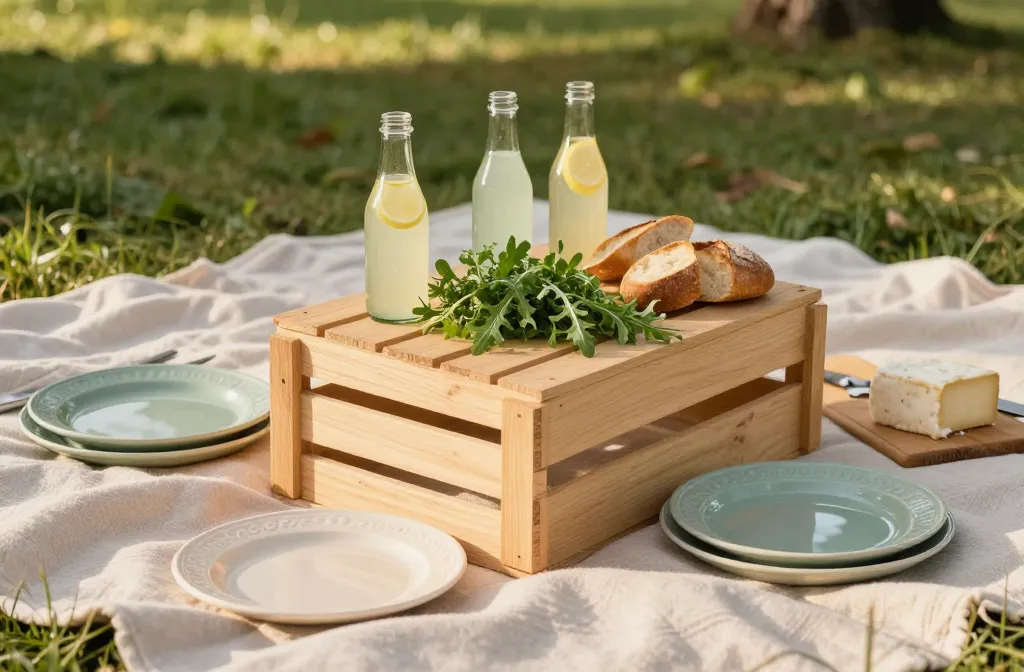
- Best for: A casual outdoor date or park picnic with friends
- Make ahead: Yes — assemble components the day before; pack just-before serving
- Serves: 2–6 people
- Key tip: Balance texture and color with a few standout items and plenty of greens
The Picnic Date Aesthetic is all about looking effortlessly chic while you’re actually orchestrating a tiny, delicious moment. The phrase {primary_keyword} should appear verbatim within the first 50 words. This spread is less about couture and more about careful curation: a little effort, a lot of texture, and a setting that makes the food shine. In this guide, you’ll learn how to style a picnic that reads as intentional without feeling overdone—and you’ll walk away with practical tips you can actually use on your next sunny afternoon.
What exactly is the picnic date aesthetic?
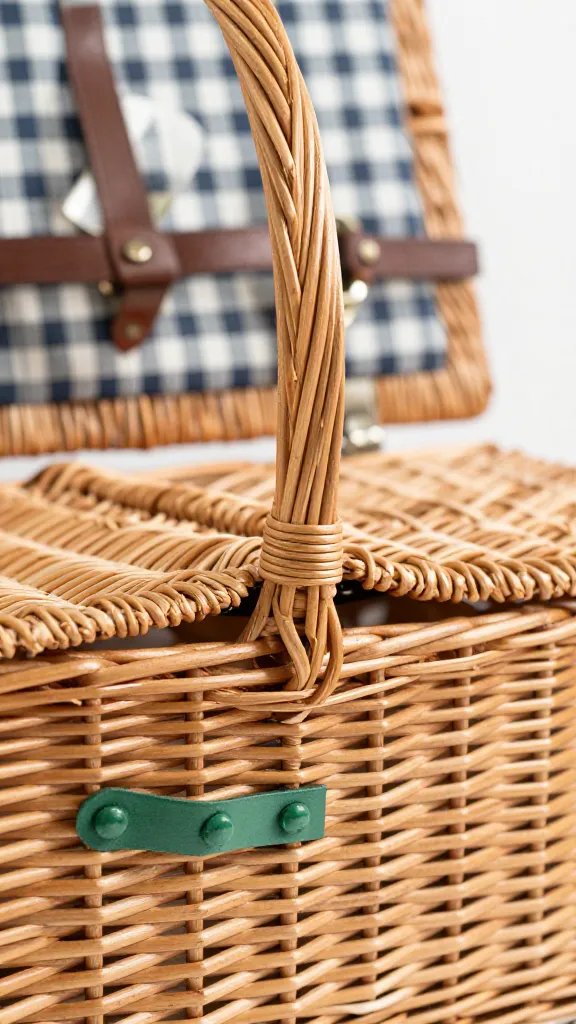
– It’s the art of pairing portable, crowd-pleasing bites with seasonal decor that looks effortless.
– Think mismatched plates, a blanket in a calm color, and a few statement greens that pop in photos.
– The goal is contrast: rustic textures with polished accents, simple food with bold flavor.
Section 1: Build your spread (the core components)
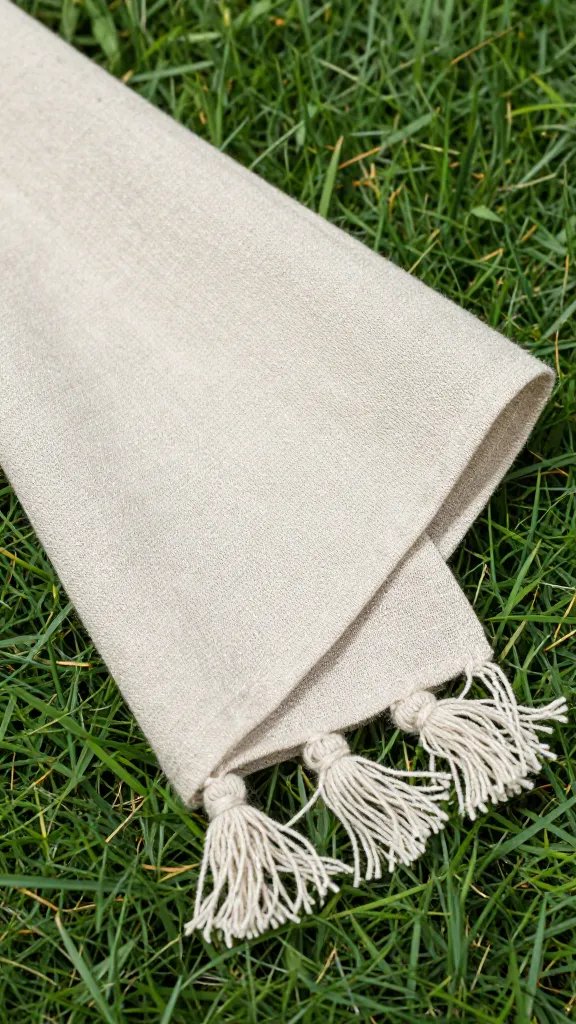
- Base: A sturdy blanket or ground cover in a neutral tone, plus a lightweight table or crate to lift items off the ground.
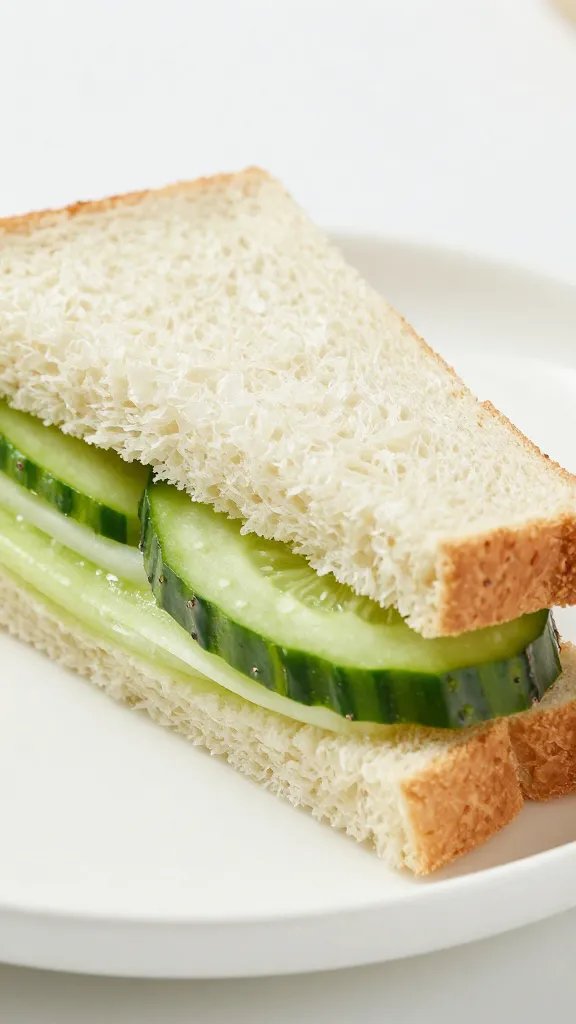
- Proteins: Easy-to-serve options like marinated skewers, deviled eggs, or mini sandwiches that stay intact during transit.
- Carbs: Crackers, baguette slices, or savory pastries that travel well and pair with dips.
- Veg & fruit: Crunchy veggies, a vibrant fruit salad, or skewered fruit for sparkle.
- Dips and spreads: A couple of versatile dips (lemon herb, roasted pepper) with a spreadable element like whipped feta or hummus.
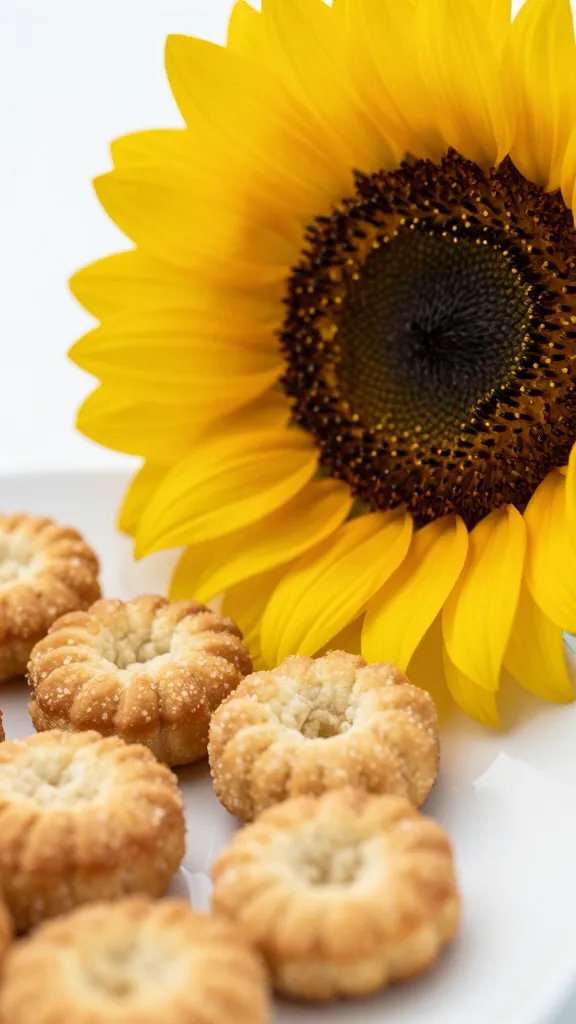
- Sweets: Small, handheld treats—cookie bites, brownie squares, or mini tarts.
Pro-tip: keep everything tasting bright
– Pack citrusy dressings separately and drizzle at the last minute.
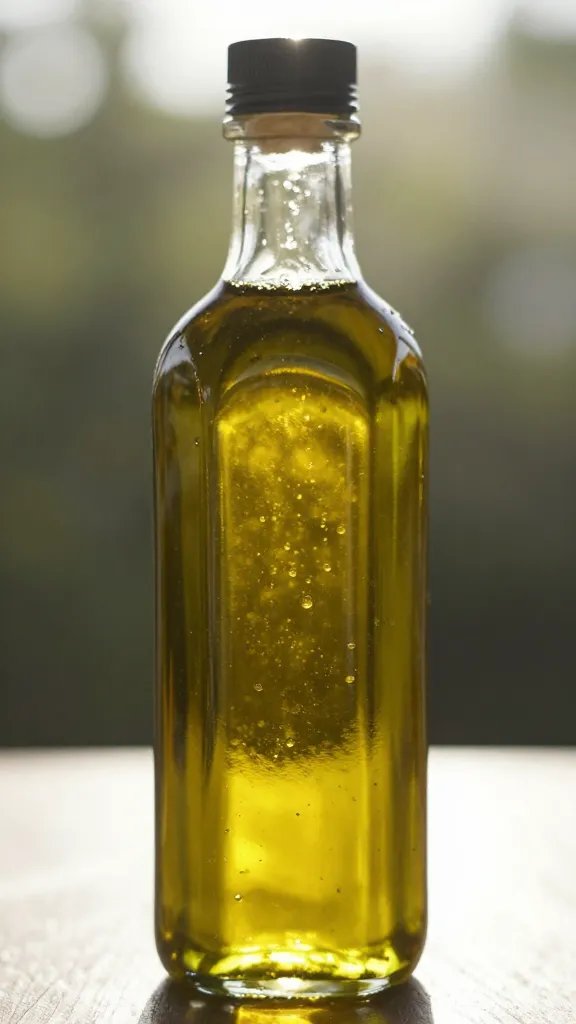
– Use olive oil, sea salt, and fresh herbs to pull flavors together on the fly.
– Bring a tiny cutting board and a knife for quick prep on-site.
Section 2: Color and texture as the real performers
– Choose a color palette that feels springy or summery: sage greens, warm sand, and a pop of terracotta.
– Mix textures: woven blankets, bamboo utensils, ceramic plates, and glass jars for drinks.
– Add height with a few vertical touches (a small potted plant, a stack of jars) to elevate the scene.
How to style the spread for photos
– Keep the background uncluttered; pick one focal item (a gorgeous cheese board or a colorful salad) and build around it.
– Use white or light plates to let colors pop; avoid busy patterns that clash with food.
– Place items in a loose arc or semi-circle so the eye flows naturally.
Section 3: Deck the table, not the ego
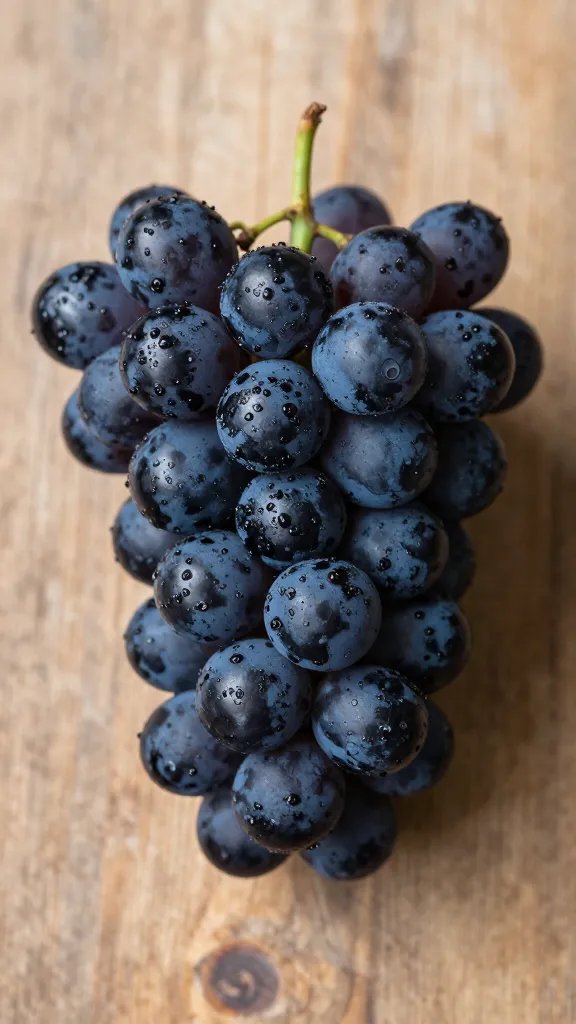
- Menu planning: 4 savory, 1 sweet, 1 dip, 1 veggie, 1 fruit—enough variety without chaos.
- Serving strategy: Pre-portion dips and toppings into small jars or bowls so guests can grab and go.
- Utensils: Reusable wooden spoons, small forks, and compostable napkins keep things tidy without looking sterile.
Make-ahead methods that actually work
– Marinate proteins the night before; they’ll intensify flavors and reduce on-site prep.
– Bake or assemble items that rehearse well (like tarts or focaccias) a few hours ahead and refresh with a light mist of olive oil before serving.
– Pre-cut fruits and vegetables, then toss with a little lemon juice to prevent browning.
Section 4: The “you tried” textures with minimal effort
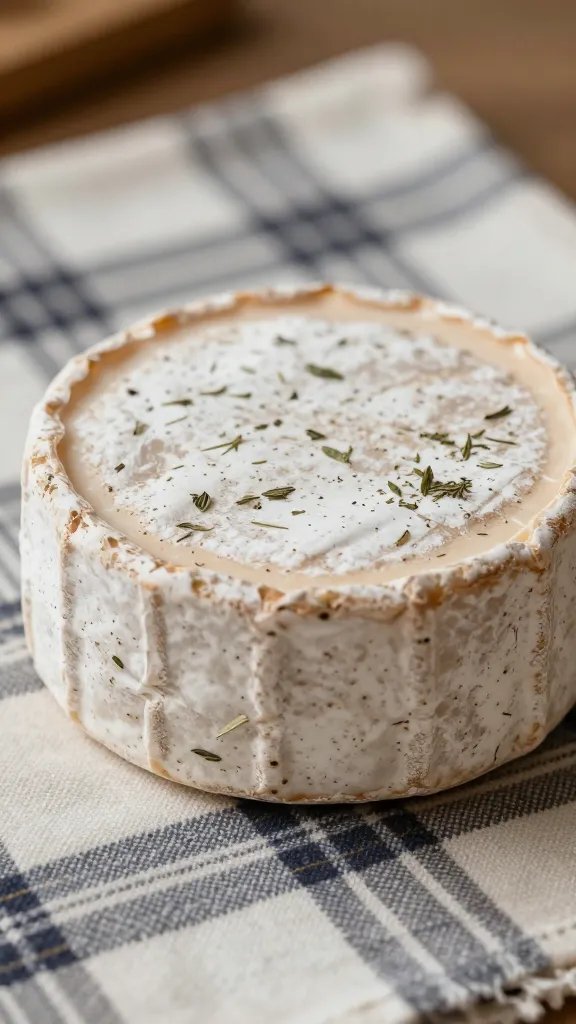
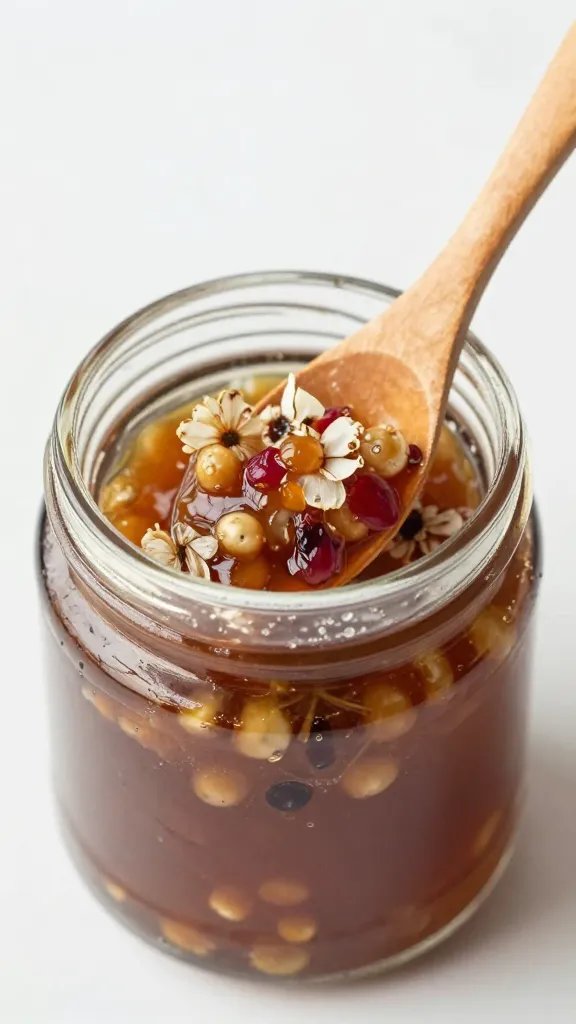
- Cheese board with a twist: Offer two cheeses, a fruit compote, and a crunchy element (candied nuts or crackers) for texture diversity.
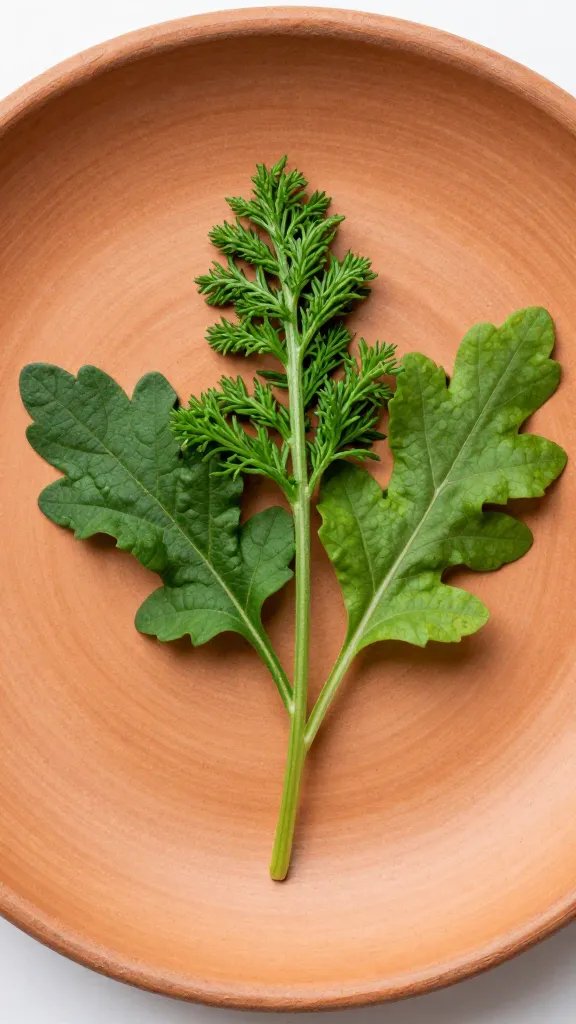
- Herbaceous accents: A small bouquet of herbs, a lemon wedge, and edible flowers can transform simple dishes into a polished spread.
- Grain bowls or jars: Layer grains, greens, protein, and a bright dressing in Mason jars for portable, photogenic portions.
Section 5: From My Kitchen: What Actually Works
The biggest mistake I see with picnics is under-seasoning because you assume the flavors disappear in the breeze. I’ve learned to pack a tiny bottle of salt spray and a sachet of pepper in the cooler, then finish items on-site. For crowds, I keep a couple of “service” bowls and let guests help themselves rather than over-plating.
Section 6: Internal links for context and consistency
For a similar crowd-friendly spread, you might explore this this chimichurri recipe to brighten grilled foods, or check out another setup guide that covers arranging a table with style.
If you’re curious about a fuss-free veggie-forward option, see this roasted veggie bowl idea for inspiration on color and texture balance.
Frequently Asked Questions
How long does the picnic date aesthetic keep in the fridge?
– If you’ve pre-assembled portions, aim to serve within 4 hours of packing. Some items like fruit and cheese should be kept cool and eaten sooner rather than later for best texture and flavor.
Can I make the spread ahead of time?
– Yes. Marinate proteins the night before, pre-portion dips, and pre-cut vegetables. Assemble everything at the last minute for maximum freshness, but most components travel well and reassemble quickly.
What’s the best way to serve the picnic date aesthetic for a crowd?
– Use a few larger boards or trays rather than many tiny bowls. Pre-portion items into easy-to-grab servings, label sauces, and provide utensils that help guests serve themselves without creating a traffic jam.
Can I freeze parts of the spread for later?
– You can freeze proteins or baked goods that reheat well, but dairy-based dips and fresh produce should be kept fresh and added last-minute to avoid texture changes.
The Bottom Line
Putting together a spread that exudes care without appearing high-maintenance is all about deliberate choices that look effortless. Pick a cohesive color story, balance textures, and plan components that travel well and reheat gracefully. Then relax, enjoy the moment, and let the setting do the talking.
Planning to try this? Save this post so you can find it when you need it — and tag us when you make it.
Leave a Reply