8 Solo Bible Study Picnic Ideas for a Quiet, Beautiful Outdoor Devotion
· Yasmine Taljaard
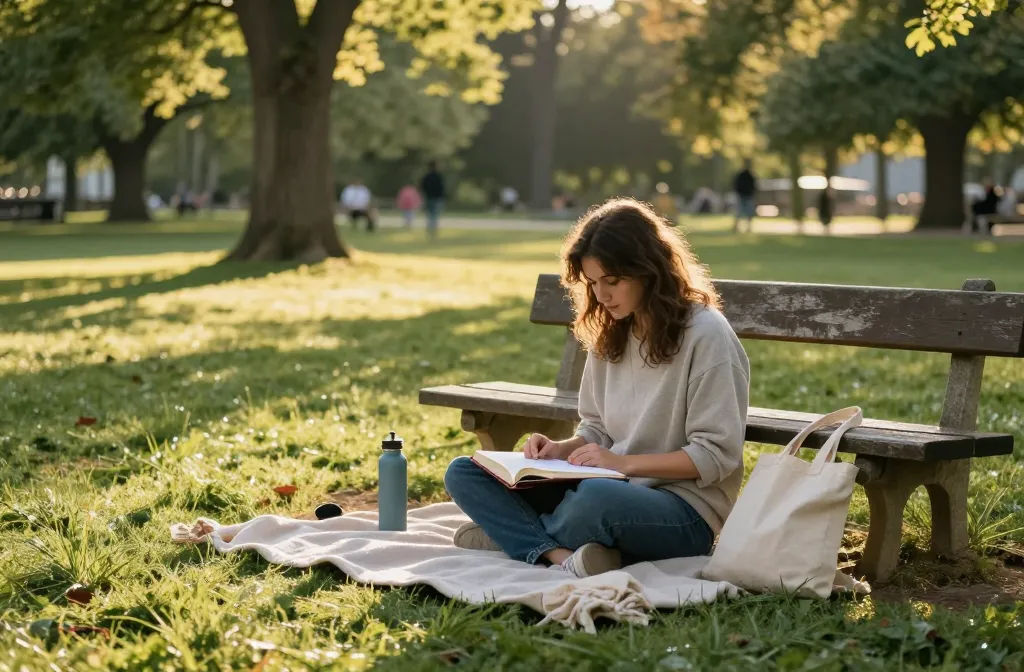
I’ve learned that a sunny park bench and a well-packed tote can turn a routine study into a soul-refreshing ritual. If you crave focus without distractions, these ideas help you linger with God while soaking in nature. You’ll discover practical, beginner-friendly ways to study the Bible outdoors, even with simple gear and an ordinary park or balcony space.
1. Reflective Verse Walk: Read, Slow Down, Notice
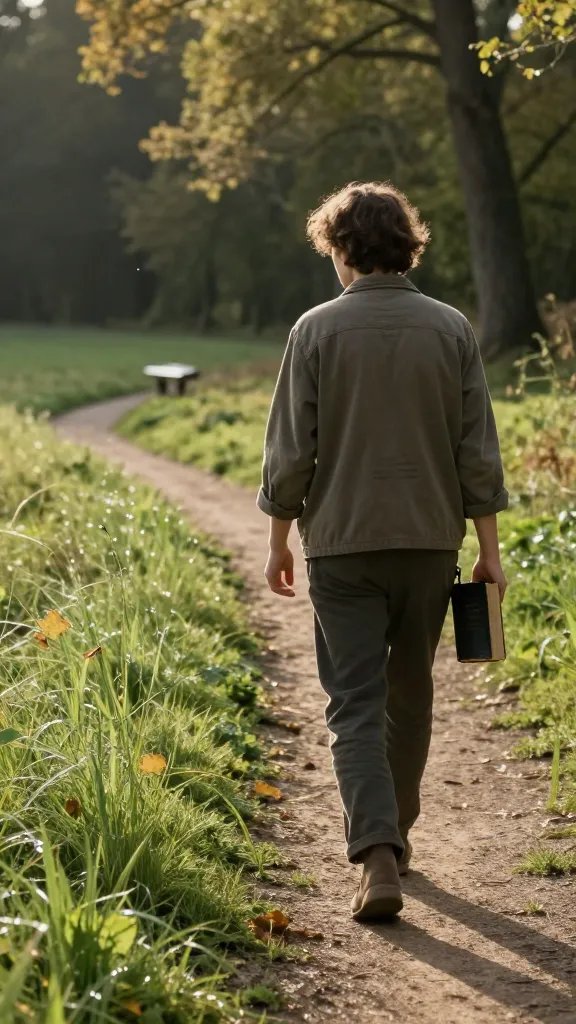
The moment you step outside, you’ll notice details you miss indoors. A reflective verse walk anchors Scripture to the senses, turning words into lived experience and memory. You’ll come away with a deeper sense of connection between the text and your surroundings.
Signs to Watch For
- You find yourself rushing through passages and losing focus
- Your thoughts drift to chores or screens during reading
- You struggle to recall verses after returning indoors
How to Fix It
- Choose a short passage (e.g., Psalm 23) and read it aloud in a single sitting
- Walk slowly for 5–10 minutes, savoring phrases and imagery
- Pause at each line to jot one sensory or emotional takeaway
What to Use Instead
- One compact devotional Bible or a notes app on your phone
- A lightweight blanket or small chair for rest breaks
Takeaway: Do a 10-minute verse walk today, pairing one verse with one sensory observation.
2. Psalm-Focused Picnic Prism: Color, Sound, and Prayer
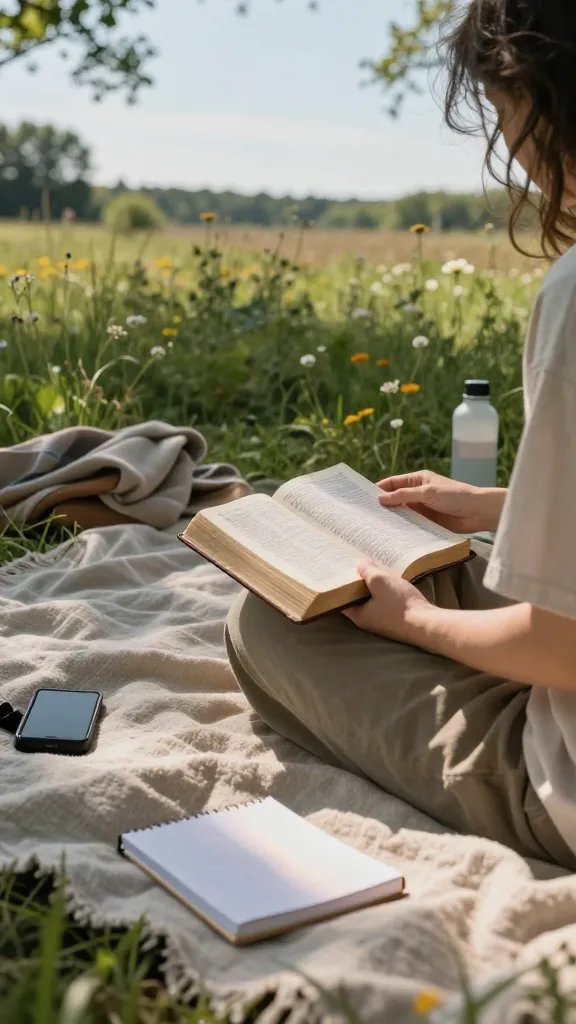
A quiet blanket with a single Bible and a small notebook helps you build a rhythm of reading, reflecting, and praying. The prism approach helps you see a single Psalm through multiple sensory angles, deepening meditation.
Signs to Watch For
- You finish a psalm too quickly to apply it to life
- You feel distant from the text and your own prayers
- Environmental noise makes it hard to concentrate
How to Fix It
- Read a short psalm aloud, then close your eyes and listen for what images arise
- Write a one-sentence prayer that connects the Psalm to your day
- Describe the Psalm’s imagery in a sentence as though painting it
What to Use Instead
- Pocket-sized Psalms or a single-page handout with 2–3 verses
- Notebook for brief prayers and one-line applications
Takeaway: After reading a Psalm, capture one image in your journal and pray into it for 3 minutes.
3. Quiet Contemplation Corner: A One-Chapter Retreat
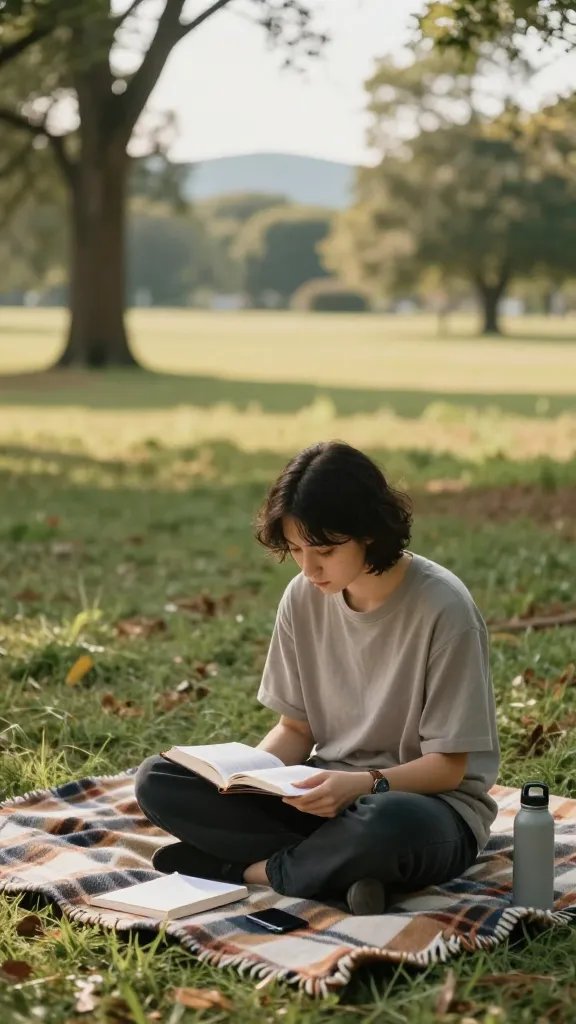
The outdoors can feel like a tiny retreat when you slow your pace. Focusing on one chapter invites depth without overwhelm and creates space for interior listening.
Signs to Watch For
- You skim chapters and still feel unsettled afterward
- Distractions pile up, making it hard to finish a chapter
- Your mind replays worries rather than scriptural truths
How to Fix It
- Limit to 1–2 chapters and set a timer for 12–15 minutes
- Read slowly, pausing after each paragraph to note a concrete takeaway
- Close with a brief prayer asking God to apply the chapter to your week
What to Use Instead
- A single compact Bible and a small notebook
- A light scarf or shawl to mark your “retreat” space
Takeaway: Read one chapter slowly today and write one practical application for your week.
4. Gratitude Sprout Journal: Outdoors Edition
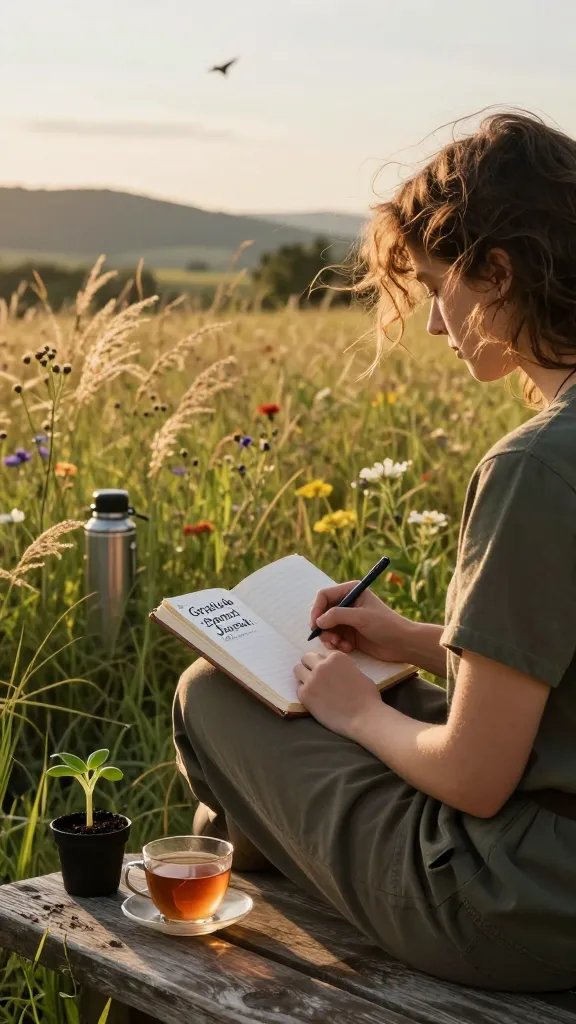
Nature naturally invites gratitude. A dedicated outdoor gratitude entry helps ground your study in thankfulness, shifting focus from struggle to promises.
Signs to Watch For
- You feel negative or stuck after Bible reading
- It’s hard to connect Scripture to daily life
- Your journal stays blank after sessions
How to Fix It
- Start with three verses that mention God’s provision or mercy
- List three things you’re grateful for in the moment (from the surroundings or Scripture)
- End with a short line about how you’ll live differently this week
What to Use Instead
- A small notebook and a pen that writes smoothly
- Compact water and a light snack to sustain focus
Takeaway: Create a 5-minute gratitude entry outdoors after your reading.
5. Surface Scripture Sketch: Visualize and Apply
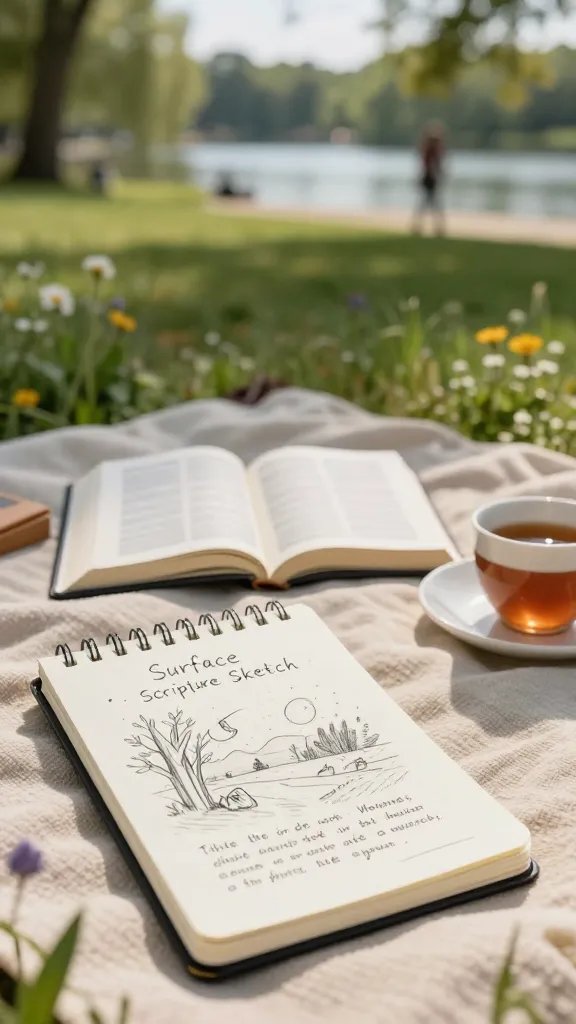
Drawing or visually mapping a verse helps cement memory and interpretation, especially for visual learners. A simple sketch can transform abstract concepts into concrete action.
Signs to Watch For
- Words feel abstract; images don’t come to mind
- You forget key verse phrases soon after reading
- Drawing feels intimidating or clunky
How to Fix It
- Sketch a small, simple scene that represents the verse
- Label one or two words next to the drawing that capture meaning
- Relate the sketch to a real-life action you can take this week
What to Use Instead
- Small pencil, eraser, and a single sheet of paper
- A clipboard or flat surface to draw on
Takeaway: Draw a quick pictorial interpretation of one verse and note one practical application.
6. Silent Space Challenge: Embrace Stillness
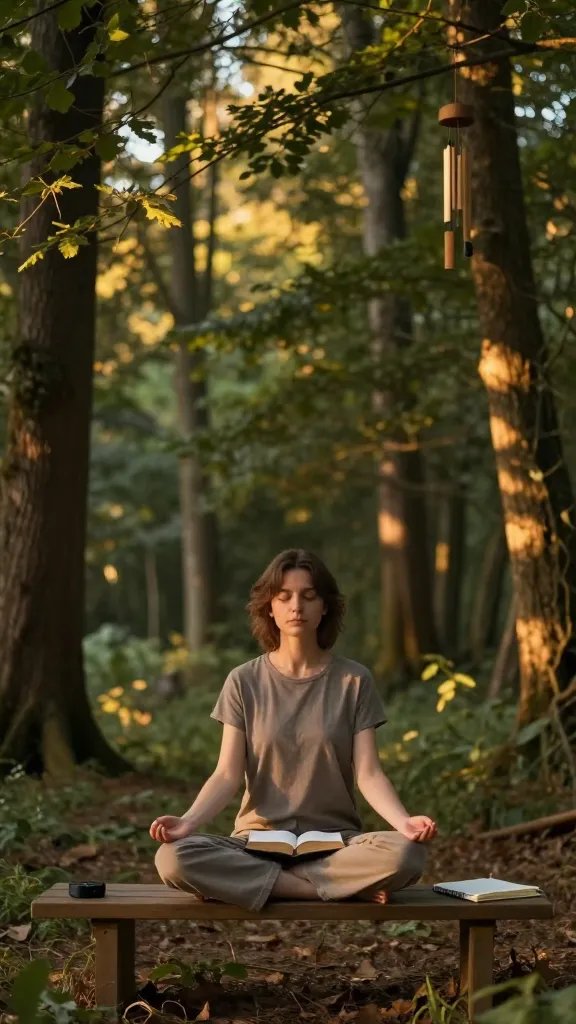
Silence is a powerful companion to Scripture. A short, intentional period of quiet outdoors clarifies thoughts and lends freshness to Bible study.
Signs to Watch For
- Noise from wind, birds, or people becomes a major distraction
- Your mind races and you can’t slow down
- You skip quiet periods because they feel awkward
How to Fix It
- Set a timer for 5 minutes of silent reading, then 5 minutes of silent listening
- Place your hands palm-up and breathe deeply for 60 seconds to reset
- Write down any phrase or word that comes to you in silence
What to Use Instead
- A hat or shade to reduce glare and create a calm space
- A short, non-distracting reading plan to guide the silence
Takeaway: Begin with a 5-minute silent reading block, followed by 2 minutes of listening.
7. Creation-Thread Prayer Walk: Move and Pray
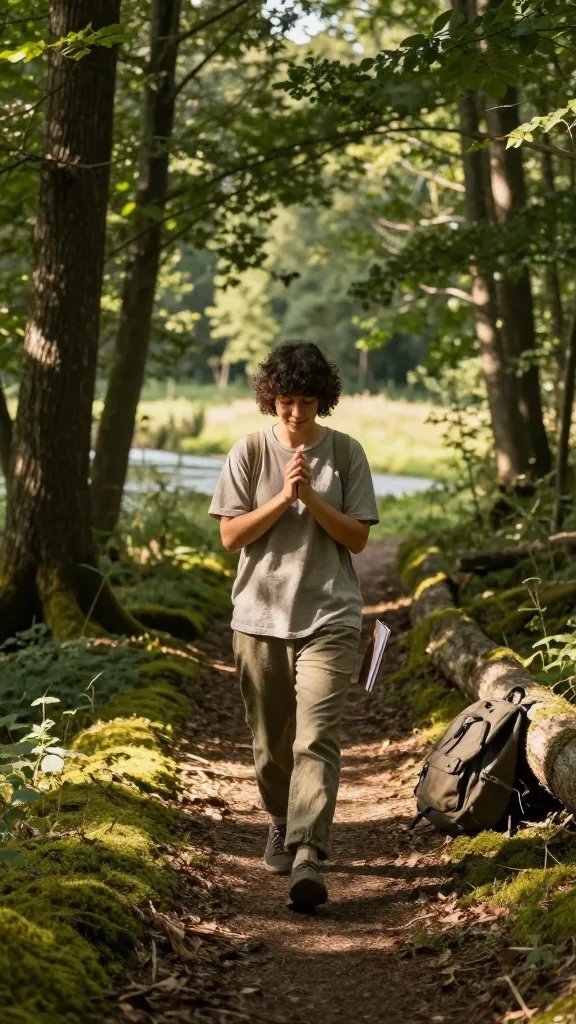
A light stroll while praying can weave body, mind, and Spirit together. This approach links a verse to movement and outdoor senses, renewing concentration.
Signs to Watch For
- Prayer feels rote or distant
- You struggle to stay present while seated
- Physical restlessness interferes with reading
How to Fix It
- Pray a short verse aloud as you walk slowly
- Pause at distinct outdoor prompts (trees, birds, breeze) to offer quick prayers
- Return to your seating spot to finish with a brief meditation
What to Use Instead
- A comfortable pair of walking shoes and a light snack
- A compact prayer card or verse cue to recite while walking
Takeaway: Take a 10-minute walking prayer around your chosen loop, reciting a verse at each marker.
8. Bible-Study Picnic Basket: Minimal Gear, Maximum Focus
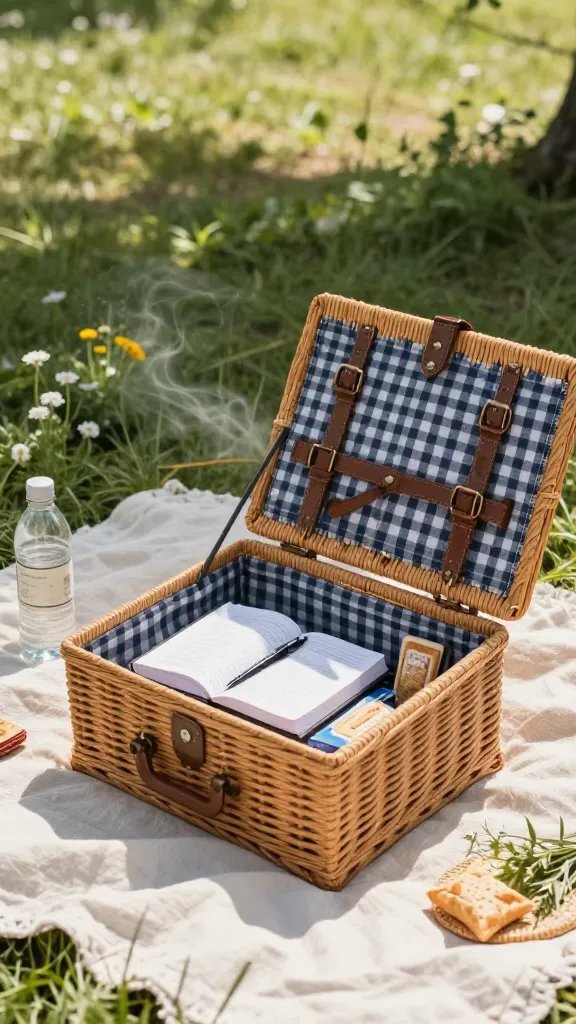
A well-packed basket creates a reliable, distraction-free outdoor study. Having the essentials in one place keeps you present and reduces the lure of checking your phone.
Signs to Watch For
- You leave your study spot to look for materials
- You forget to bring supplies and break your flow
- Your setup feels chaotic and overwhelming
How to Fix It
- Prepare a small kit: Bible, notebook, pen, a single pencil case, and a compact snack
- Place the kit in a designated corner of your outdoor space
- Label your kit’s lid with a simple checklist to ensure you have everything
What to Use Instead
- A small tote or crossbody bag with 5–7 indispensable items
- A lightweight blanket or mat that doubles as a seat
Takeaway: Pack and verify your outdoor study kit before you head out, so you can focus from the moment you arrive.
Frequently Asked Questions
How long should a solo outdoor Bible study last?
Start with 15–20 minutes and extend as you gain comfort. If you’re juggling work or kids, a 10-minute session can still be deeply meaningful. Increase by 5 minutes every few days if you feel settled and focused.
What should I do if wind or noise disrupts my study?
Find a sheltered spot or a light shade that blocks most wind and reduces noise. If disruption continues, pause, take three slow breaths, and resume with a shorter passage. You can also switch to a more concise reading plan for that session.
What if I don’t know where to start?
Begin with a short psalm or a single parable. Use a single-page handout to keep verses accessible. A focused, low-friction start helps you build confidence to branch out later.
How can I stay consistent for outdoor study?
Set a specific day and time for your picnic study, even if it’s just 15 minutes. Prepare your kit the night before and choose a nearby outdoor space you genuinely enjoy. Consistency creates momentum that sticks.
Is any particular Bible translation best for outdoor study?
A readable translation you enjoy helps you stay engaged. Consider a version known for clarity, like a modern paraphrase or a standard translation you already own. The key is comfort and comprehension while you’re outside.
What if it rains or becomes unsafe outside?
Have a backup plan: move indoors to a bright room or covered porch with similar seating and lighting. If you must postpone, move the session to a later time and note what you planned to reflect on to pick up later.
Conclusion
Outdoor Bible study can become a steady, refreshing rhythm when you bring a few practical ideas into action. Start today with one of these formats, and let the park, balcony, or yard become your extended sanctuary for hearing from God.
Leave a Reply