The Vintage Picnic Photoshoot: How to Create a Scene That Feels Timeless
· Yogi
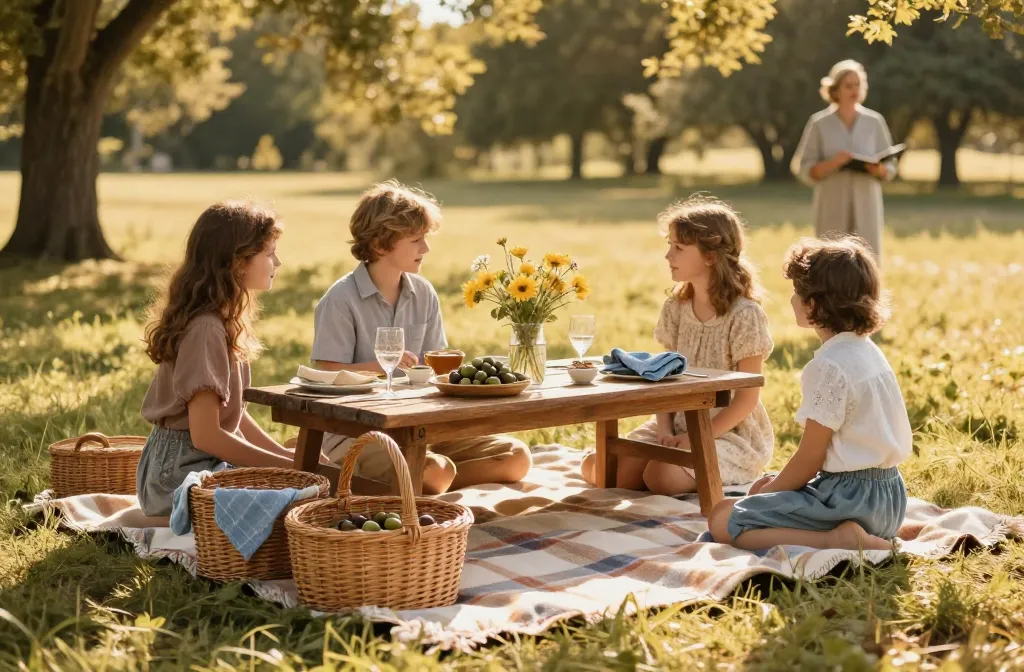
- Best for: A vintage-inspired outdoor picnic photoshoot for parties
- Make ahead: Yes, wardrobe and props can be prepared 1–2 weeks in advance
- Serves: Single-shot ideas for an intimate session or a 6–8 person table
- Key tip: Mix natural light with soft, warm tones to evoke timeless nostalgia
The Vintage Picnic Photoshoot: How to Create a Scene That Feels Timeless is all about stitching memory into every frame. You’ll blend weathered textures, sun-dappled light, and gentle color palettes to conjure a scene that feels like a cherished moment frozen in time. Ready to craft a moment your future self will print and treasure? Here’s how to get there, step by step.
Set the Scene: Composition that Echoes the Past

Balance is your best friend. Think about a central table or blanket that anchors the scene, with characters positioned at a comfortable, natural distance. Use leading lines from a row of trees or a fence to guide the eye toward the main subjects. A shallow depth of field helps separate your characters from a softly blurred background, like a living postcard.
- Color story: Warm yellows, olive greens, and muted blues mimic classic Kodachrome tones without feeling dated.
- Texture: Linen napkins, wicker baskets, and aged wood planks add tactile nostalgia.
- Props: Vintage dishes, a lace tablecloth, glass soda bottles, and a worn camera as a prop hint at stories behind the moment.
Wardrobe and Props: The Quiet Power of Details

The right clothes tell a story before a single line is spoken. Go for timeless silhouettes rather than trend-led outfits. Denim, linen, soft florals, and simple accessories create a cohesive vintage vibe without looking costume-y. Keep props purposeful—each item should echo a memory or hint at a shared pastime.
- Outfits: Linen dresses, chambray shirts, suspenders, straw hats.
- Props: A gingham blanket, metal thermos, a radio with a dial, a picnic basket with a linen liner.
- Palette: Stick to 4–5 tones; consistency makes the scene feel intentional.
Lighting: The Golden Hour, Not a Glimpse of Modernity

Lighting is the storytelling engine. Shoot during the golden hour—roughly an hour after sunrise or before sunset—to achieve that warm, forgiving glow. If you’re indoors or in a shaded area, supplement with reflectors to bounce that soft light back onto faces and textures. Avoid harsh, direct sun that creates hard shadows and modernized vibes.
- Natural light tips: Position subjects at a slight angle to the sun for gentle rim light and depth.
- Reflectors: Use a gold reflector for richer warmth or white for balanced brightness.
- Weather backup: A lightly overcast day can mimic studio softness without losing color richness.
Food and Styling: A Taste of Quiet Abundance
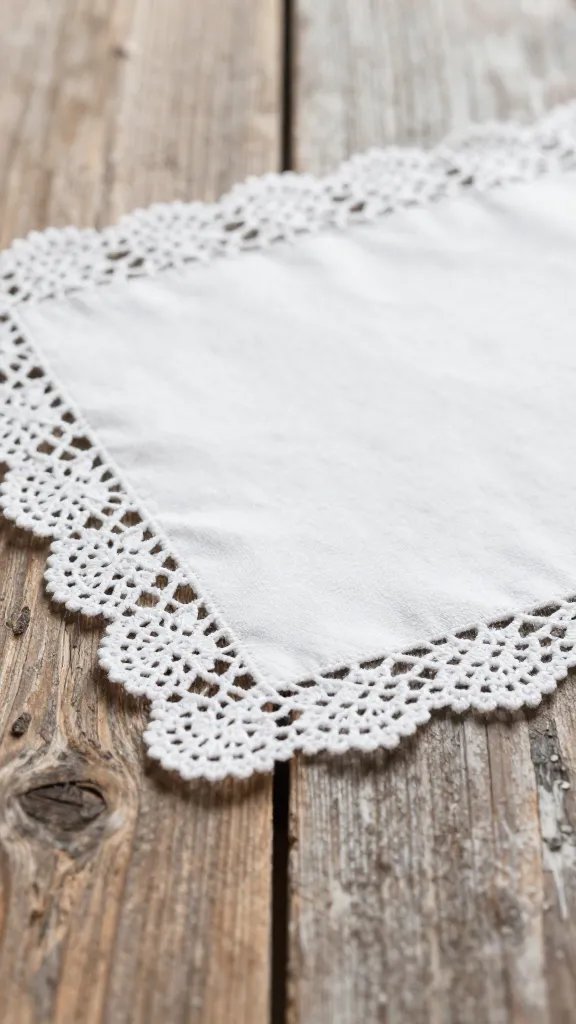
Food styling should whisper “home” rather than shout “photo shoot.” Build a spread that looks approachable and abundant—without feeling crowded. The goal is to invite a viewer into the memory, not overwhelm it with perfection. Small batch treats and imperfect arrangements feel more real and timeless.
- Layout: A single long, braided loaf; a few jars of homemade lemonade; mismatched ceramics.
- Texture play: Place a burlap runner under the tableware to add rustic warmth.
- Food choices: Simple, classic items—slices of crusty bread, cheeses, fruit, a pitcher of tea or lemonade.
Poses and Interaction: Natural Moments Over Posed Perfection

People look their best when they’re relaxed. Capture small, candid interactions rather than stiff, formal poses. Slow down the moment: someone laughs at a shared memory, a child picks a flower, a couple holds hands across the table. Subtle direction—“look toward the sunset,” “adjust the napkin”—helps, but give people room to breathe and be themselves.
- Suggest gentle actions: pouring a drink, passing a plate, tying a shoe.
- Encourage everyday mumbles and smiles that feel genuine.
- Take intermittent candid shots between posed frames to maintain authenticity.
From My Kitchen: What Actually Works
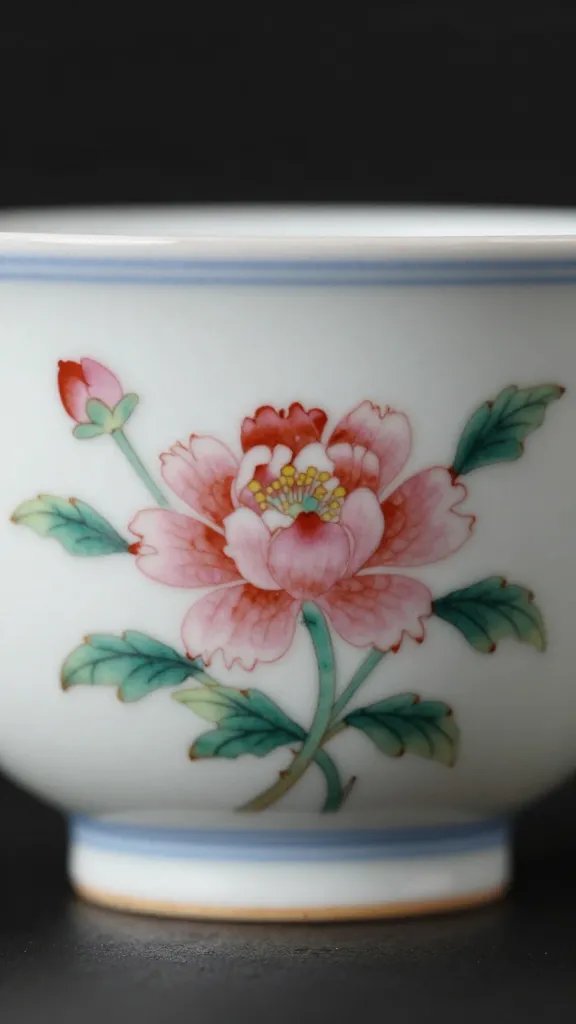
When I shoot a vintage picnic, the biggest wins come from testing light and texture together. I’ve found that lining up a 12-foot linen table with a single-tack plaid blanket creates a strong focal point, then layering in mismatched ceramics for warmth. The scene feels timeless when I keep the palette cohesive and let small details tell the story. My favorite trick is to shoot a few frames with and without a light breeze to add natural movement to fabrics and hair.
Internal Links: Deep Dives That Add Value

If you’re building a broader vintage-inspiration board, you might also enjoy these ideas. For a fresh take on herbs and greens in a timeless setting, check out this this chimichurri recipe for a bright, herb-forward touch that pairs perfectly with rustic picnics. And if you’re curious how to plate food to feel nostalgic, explore our guide on classic food plating for gatherings to keep the table inviting and cohesive.
Frequently Asked Questions

How long does The Vintage Picnic Photoshoot for Parties keep its timeless vibe?
Timeless looks hold up well in 6–12 months of posting, especially if you keep the wardrobe and props cohesive. Subtle adjustments to color grading can help refresh the mood while preserving the classic feel.
Can I make The Vintage Picnic Photoshoot ahead of time?
Yes. Prep wardrobe and props a week ahead, and plan a flexible shooting window. Pre-light and test shots a day before help you lock in the look and ensure the scene feels effortless.
What’s the best way to serve The Vintage Picnic Photoshoot for a crowd?
For larger groups, create multiple micro-scenes—two or three small tables or blankets—each with its own focal moment. Keep color palettes consistent across each setup so the whole shot feels unified.
Can I freeze elements of The Vintage Picnic Photoshoot to reuse later?
Elements like fabric textures, vintage props, and even printed menus can be stored for future shoots. Label boxes by color and type, and avoid moisture-prone items that could warp or fade.
The Bottom Line
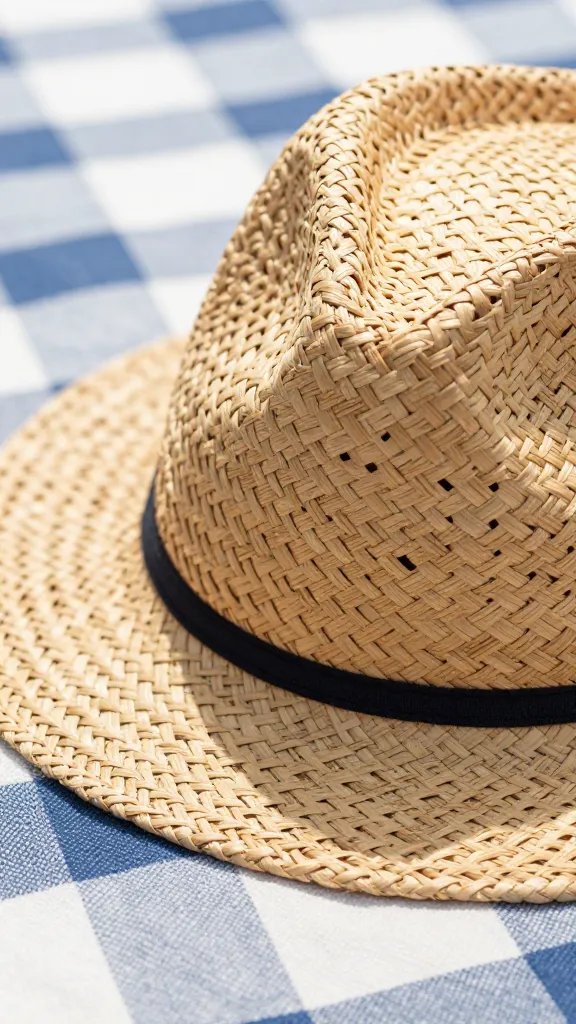

To create a scene that feels timeless, lean into cohesive textures, warm light, and candid moments. The magic happens when every detail—from wardrobe to tableware—speaks a quiet, shared memory. Save this approach and adapt the elements to your own space and people.
Planning to try this? Save this post so you can find it when you need it — and tag us when you make it.
Leave a Reply