The Solo Picnic Food Guide: What to Pack When You’re Cooking and Eating for One
· Yasmine Taljaard
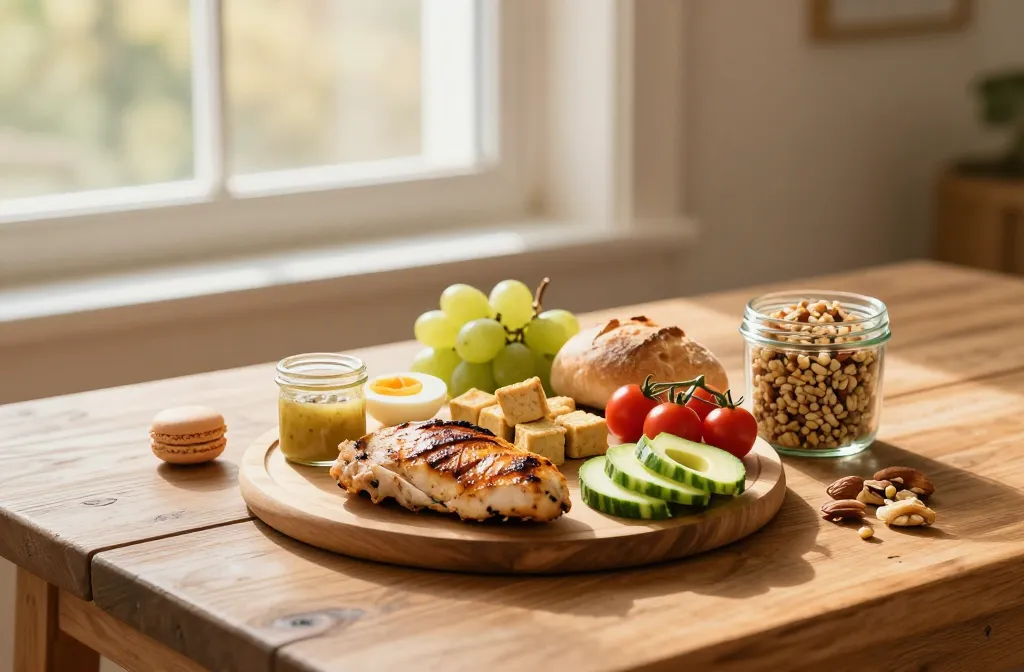
- Best for: Solo picnics, apartment meals, mindful portioning
- Make ahead: Yes — plan components 1–2 days ahead
- Serves: 1
- Key tip: Prioritize batchable components and minimal cleanup
The Solo Picnic Food Guide: What to Pack When You’re Cooking and Eating for One is all about turning a solitary meal into a celebration. You don’t need a crowd to enjoy grilled vibes, fresh produce, and a well-balanced plate. This guide helps you assemble a compact, flavorful, and satisfying spread that travels, stores, and reheats without fuss. By the end, you’ll have a practical plan for packing, preparing, and savoring a solo picnic that feels deliberate, not leftovers.
What to Bring for a One-Person Picnic
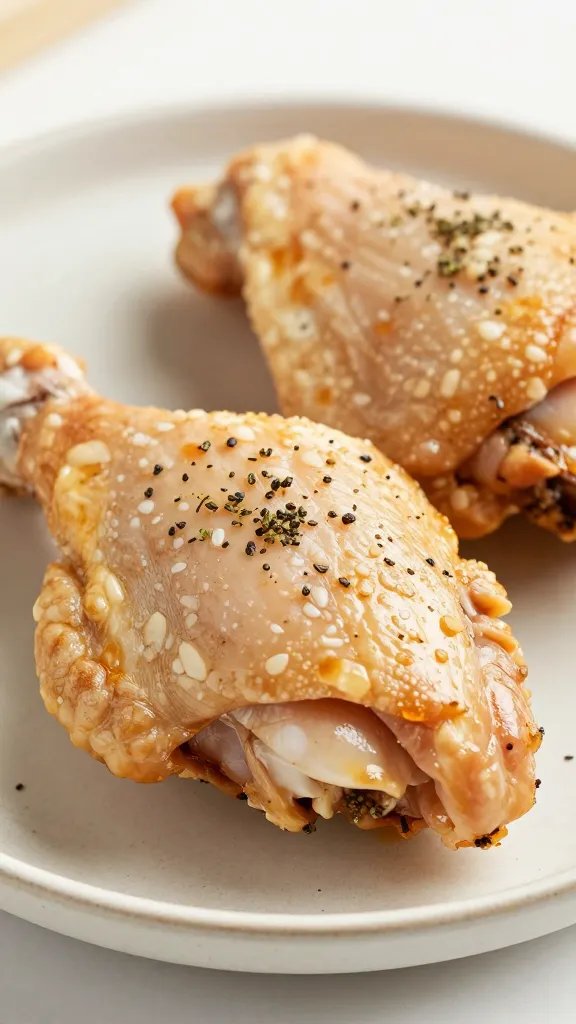
- Proteins: pre-cooked chicken thighs, hard‑boiled eggs, tofu bites, or beans for plant-based days
- Carbs: a sturdy bread, pita, or a small portion of pasta or grain salad
- Vegetables: crunchy toppings like cucumbers, bell peppers, cherry tomatoes
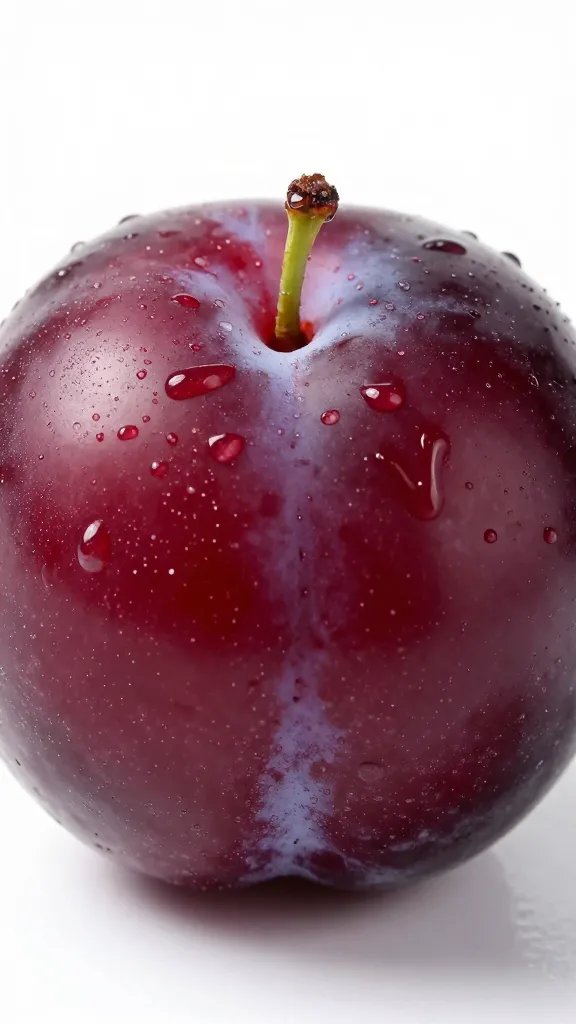
- Fruits: grapes, berries, or citrus segments for a bright finish
- Healthy fats: olives, avocado slices, a small handful of nuts
- Flavor boosters: a mini container of vinaigrette, a dollop of yogurt, or a simple herb oil
- Sweets: a single piece of dark chocolate or a miniature cookie for a treat
- Extras: napkins, a small cutting board, a reusable knife, and a collapsible container set
Structure Your Solo Picnic Like a Tiny Menu
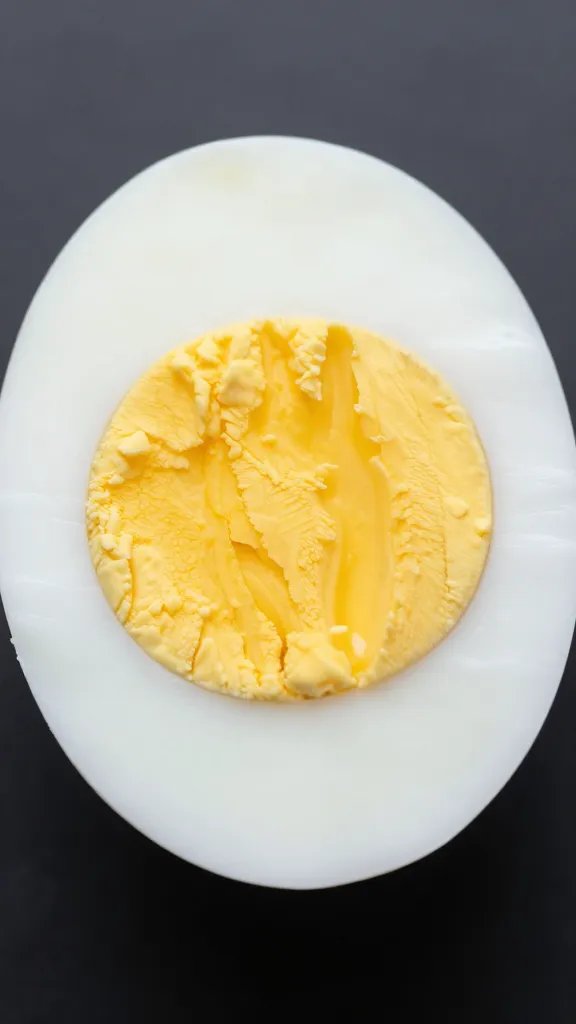
Think in components rather than an endless list. A successful solo picnic has:
- Protein for staying power
- Carbs for energy and texture
- Veggies for crunch and color
- Fruit for brightness
- Fat to carry flavors and keep you full
- Flavor boosters that travel well
Make-Ahead Strategies That Actually Work
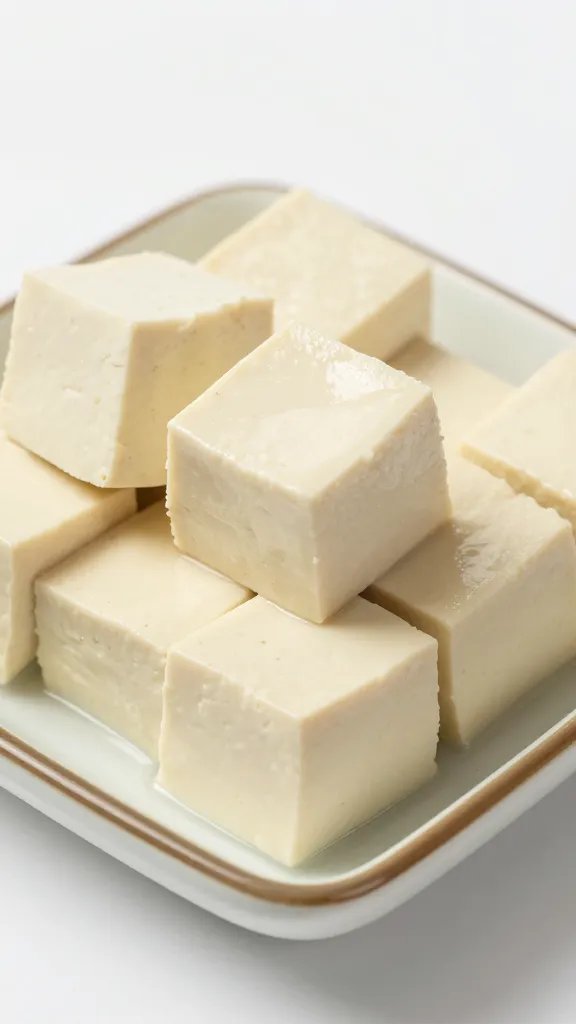
- Batch components: roast a tray of veggies and boil a few eggs at the start of the week. They store well and speed up assembly.
- Dress at the last minute: keep dressing separate until you’re ready to eat to avoid sogginess.
- Pack smart: use a small cooler bag or insulated tote if you’ll be outdoors for a while.
Pack Like a Pro: Packing List for Your Solo Picnic
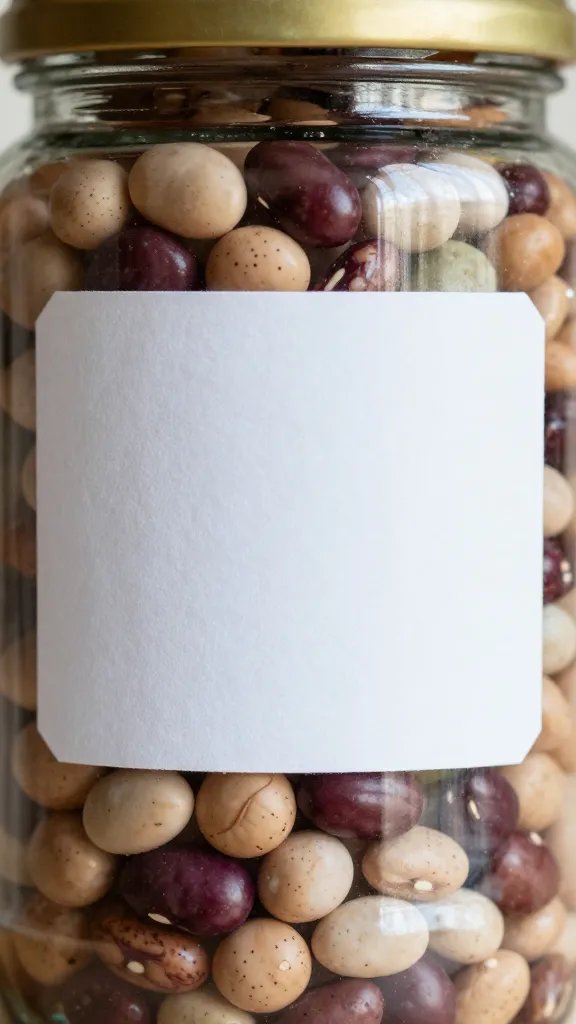
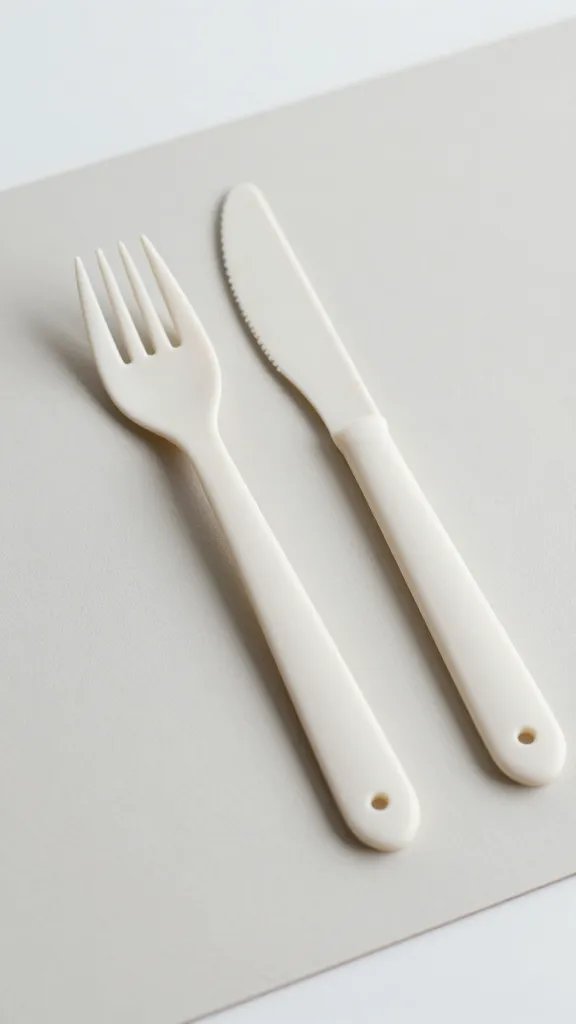
- Container basics: leakproof containers, a snug lid, and a tiny utensils kit.
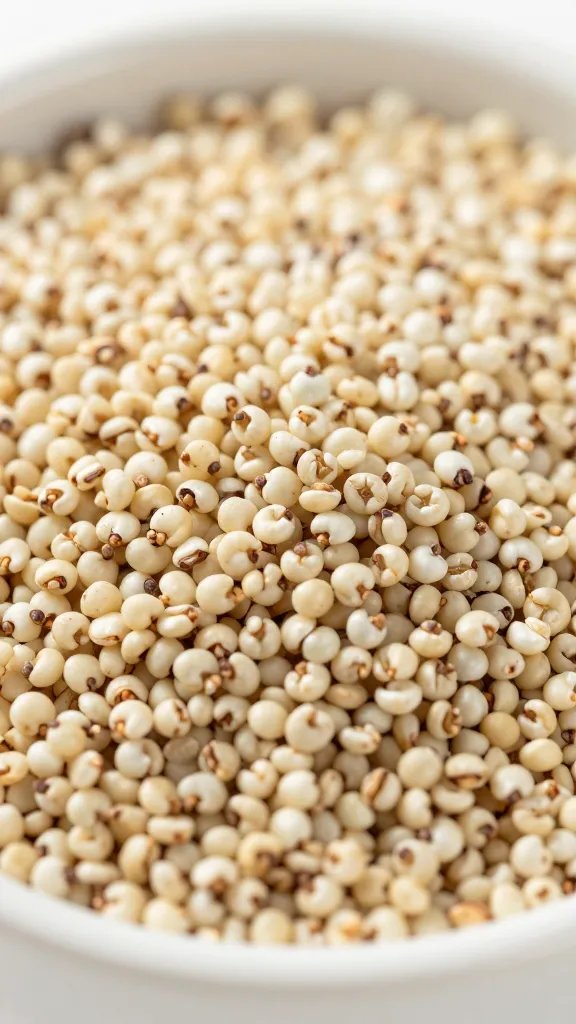
- Salad and grain bowls: choose grains that reheat well if you’ll eat later, like quinoa or brown rice.
- Sauce strategy: a tiny jar of vinaigrette or yogurt-based dip travels better than heavy mayo bases.
- Cold vs. hot: plan two compartments—one for cold items, one for warm items if your stop will allow rewarming.
Three Solo Picnic Menus You Can Prep in 20 Minutes
- Bright Mediterranean: hummus, feta, cucumber, cherry tomatoes, olives, canned tuna or chickpeas, pita wedges.
- Herbed Grain Bowl: quinoa or farro, roasted vegetables, chickpeas, parsley, lemon-tahini drizzle.
- Caprese-Inspired: mozzarella, tomatoes, basil, olives, balsamic glaze, crusty bread, a handful of grapes.
From My Kitchen: What Actually Works
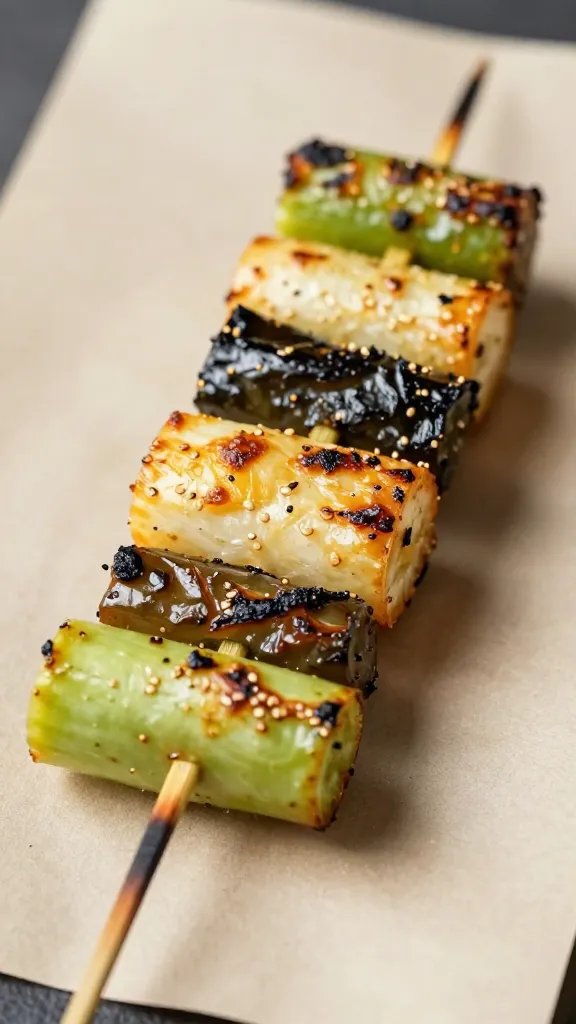
The biggest win for solo picnics is keeping portions sensible and flavors bright. I’ve learned that roasting a small tray of vegetables with olive oil and salt makes multiple meals feel fresh. A single lemon vinaigrette can brighten beans, greens, and grain bowls without needing a new sauce every day.
Flavor You Can Count On: Simple, Carryable Dressings
- Classic lemon vinaigrette: lemon juice, olive oil, Dijon, salt, pepper. Keeps in a small vial for days.
- Garlic-yogurt dip: yogurt, minced garlic, dill, lemon zest—great with veggies and pita.
- Herbed oil: olive oil with chopped herbs; drizzle over grain bowls for instant lift.
Two Quick Tips for Reheating or Not Reheating
- If you’ll eat later, keep grains and proteins separate from greens to avoid wilt. Assemble just before eating.
- For a hot bite, carry a small, portable thermos or use a microwave-friendly container if your picnic spot has power.
Diet-Friendly Twists That Travel Well
- Low-Carb option: swap grain bowls for large lettuce wraps or cucumber boats with protein and cheese.
- Vegetarian option: beans, lentils, and roasted veg with avocado provide staying power without meat.
- Gluten-free option: use quinoa or rice as the base and pair with veggie-forward toppings.
Mindful Packing: Waste, Reuse, and Clean-Up
- Portion control: pack only what you’ll eat in one sitting to reduce leftovers.
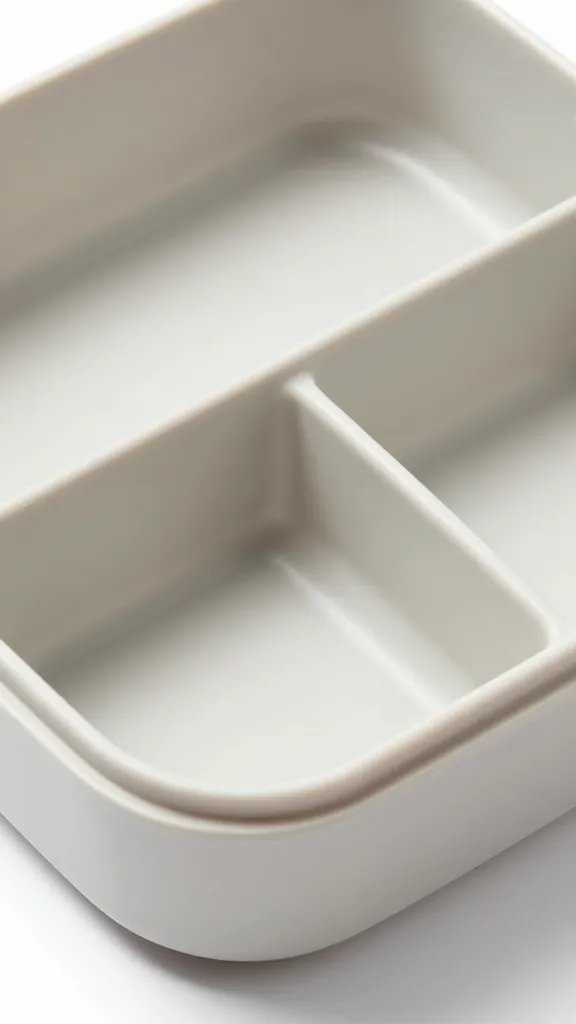
- Containers: choose stackable, leakproof options to minimize space and mess.
- Leftover plan: have a quick plan for transforming leftovers into another meal during the week.
The Social Side of Solo: How to Make It Feel Special
- Choose a grill-friendly setting, even if you’re solo—bring a favorite playlist, a small bouquet, or a colorfully striped napkin.
- Dress your plate with color: mix green, red, and yellow for a visually appealing spread.
- Set a timer and savor every bite—eating slowly makes your single-serving feast feel celebratory.
Frequently Asked Questions
How long does The Solo Picnic Food Guide keep in the fridge?
Most components stay well for 3–4 days if stored in airtight containers. Dressings keep a bit longer but taste best fresh, so keep them separate until serving.
Can I make The Solo Picnic Food Guide ahead of time?
Yes. You can pre-cook proteins, roast vegetables, and boil eggs up to 2 days in advance. Assemble with fresh greens and dressings on the day of your picnic.
What’s the best way to serve The Solo Picnic Food Guide for a crowd?
Scale up ingredients and use larger containers. Keep dressings separate and offer a few dipping options to maintain flavor balance as portions increase.
Can I freeze The Solo Picnic Food Guide components?
Most components freeze well (beans, grains, roasted veggies). Dressings with oil and citrus can separate after thawing—shake or whisk back together before serving.
How do I keep my solo picnic feeling special without too much prep?
Choose one “centerpiece” protein, a bright fruit, and a crunchy veggie to build a quick, cohesive plate. Small touches like a fresh herb or a citrus twist go a long way.
The Bottom Line
A thoughtful, well-portioned solo picnic turns eating alone into a small, joyful ritual. Plan, pack, and plate with intention, and you’ll savor every bite instead of letting leftovers drag you down.
Planning to try this? Save this post so you can find it when you need it — and tag us when you make it.
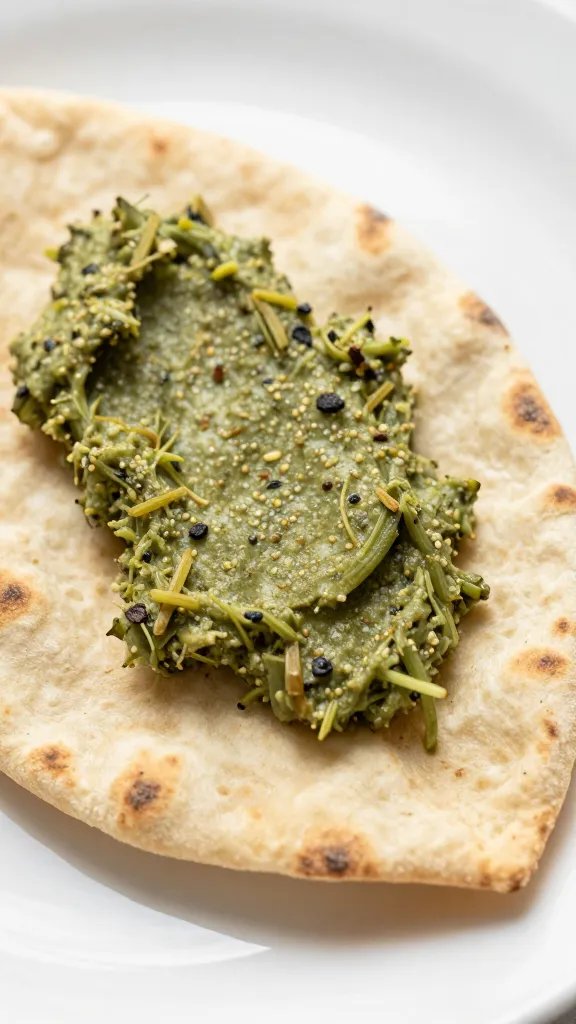
This chimichurri recipe and a foolproof hummus bowl can be perfect finishing touches to your solo picnic plan.
Leave a Reply