The Secret to How to Dye Your Own Cotton Napkins Using Natural Fruit and Vegetable Pigments
· Samantha Jones
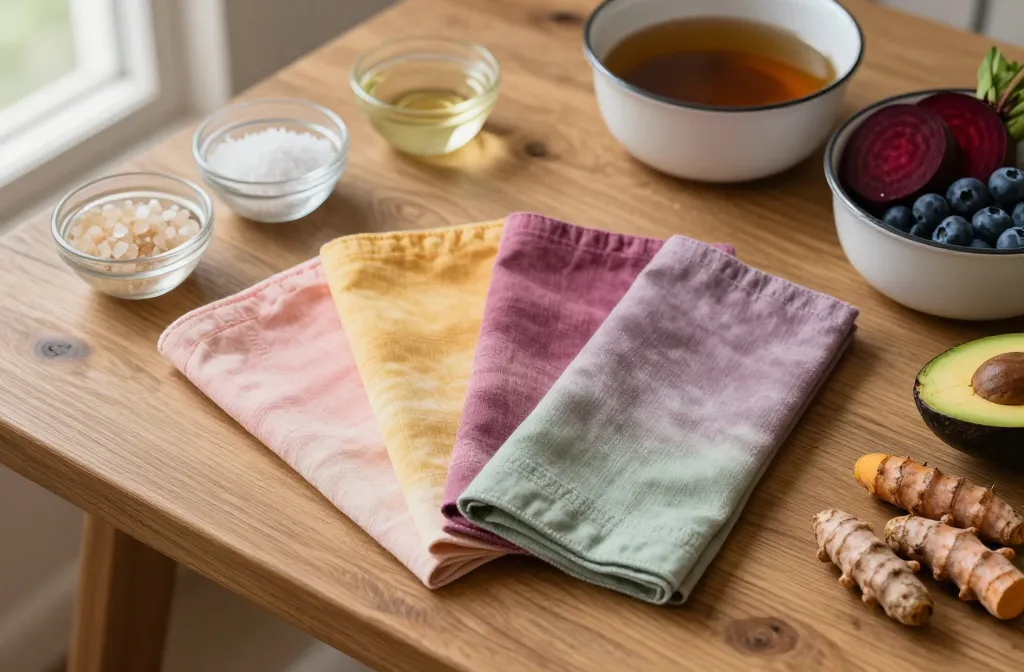
I started dyeing cotton napkins when I got tired of flimsy paper ones and wanted colors that actually matched my table. The first batch turned blotchy and faded in one wash because I skipped the prep and guessed on the fixatives. After a lot of trial runs, I landed on a simple, repeatable process that gives reliable, food-safe color from scraps you already have. You’ll learn exactly how to prep cotton, extract color from produce, set it so it lasts, and troubleshoot the common pitfalls that ruin results.
How Natural Dyes Work on Cotton — And Why Prep Matters
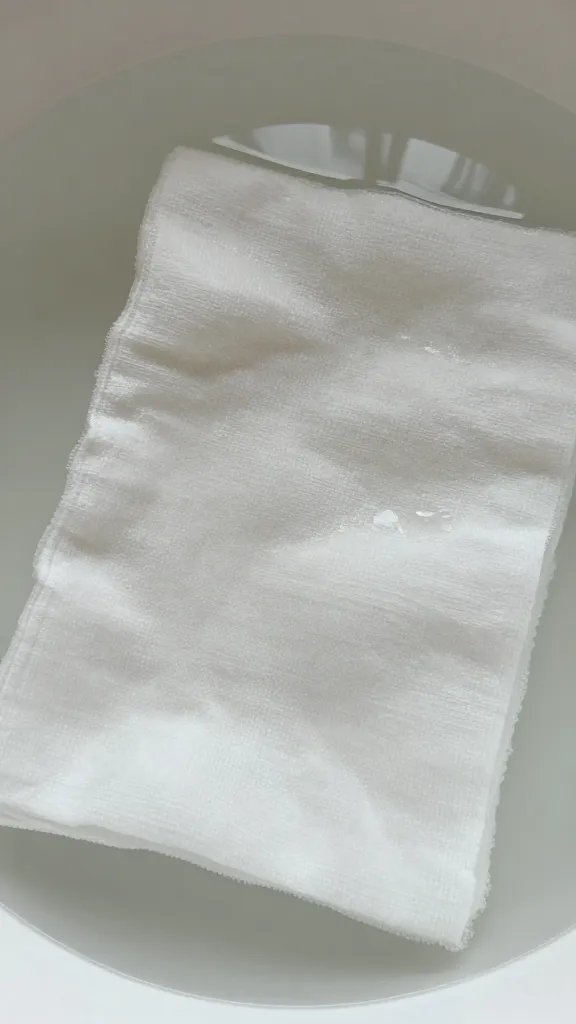
Cotton is cellulose fiber, which resists many natural colorants unless you give it help. You need two steps: a thorough wash to strip factory sizing and oils, and a mordant or fixative to create a bridge between pigment and fiber.
For kitchen-safe projects, I use three routes: alum (aluminum potassium sulfate) for bright pinks, oranges, and yellows; a simple salt bath that helps some berry-based dyes; and a vinegar bath that brightens reds and pinks. Alum gives the most washfast results on cotton, while salt and vinegar fine-tune tone and help with certain pigments.
Action today: Wash your cotton napkins on hot with a tablespoon of baking soda and no fabric softener to strip residues — do this before anything else.
Pick Produce That Actually Delivers Color
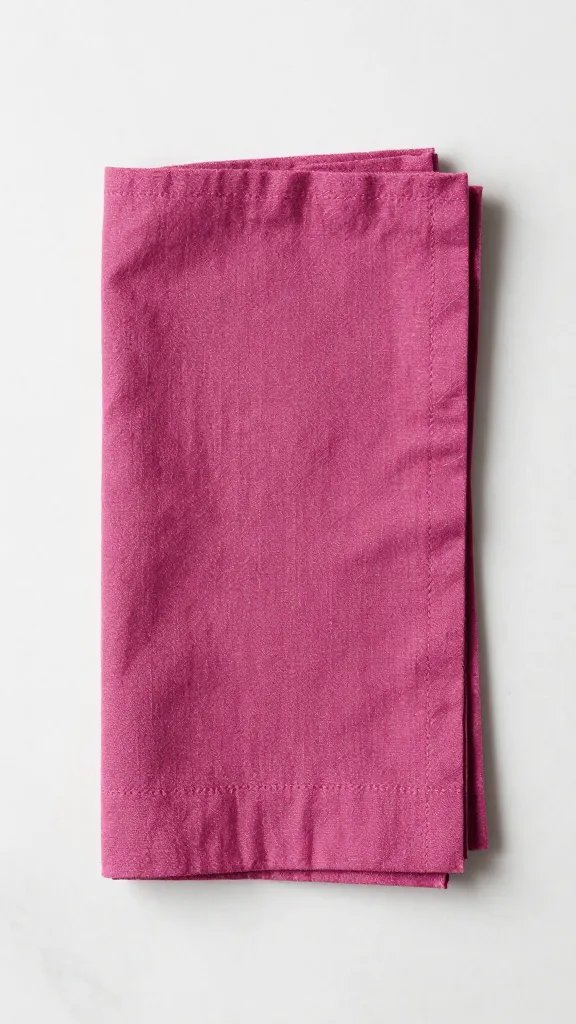
Not every fruit or vegetable yields a lasting dye on cotton. I stick to sources that extract easily, give predictable color, and hold up after several washes.
- Yellow/Gold: Onion skins (yellow onions), turmeric powder, carrot tops. Onion skins give rich amber; turmeric is bold neon yellow.
- Pink/Red: Avocado pits and skins (dusty pink), red cabbage adjusted to pink with vinegar, beet peels (soft blush that fades faster).
- Purple/Blue: Red cabbage shifted to blue with a pinch of baking soda; blueberry skins (lavender to blue-gray, modest fastness).
- Green: Spinach or parsley yield pale sage at best — greens are weak on cotton without extra chemistry, so expect subtle.
- Brown/Tan: Black tea or coffee for warm neutrals with good staying power.
Material Recommendations
- Plain 100% cotton napkins or flour-sack towels (no stain guard). Pre-washed.
- Alum from the spice aisle or pharmacy section. Label: “Alum (Potassium Aluminum Sulfate).”
- White distilled vinegar, table salt, baking soda.
- Enamel or stainless-steel pot, wooden spoon, fine strainer, old pillowcase or mesh bag, rubber bands.
Action today: Save yellow onion skins and avocado pits/skins in a paper bag; once you have a handful, you’re ready to dye.
Scour and Mordant: The Two Prep Steps You Can’t Skip
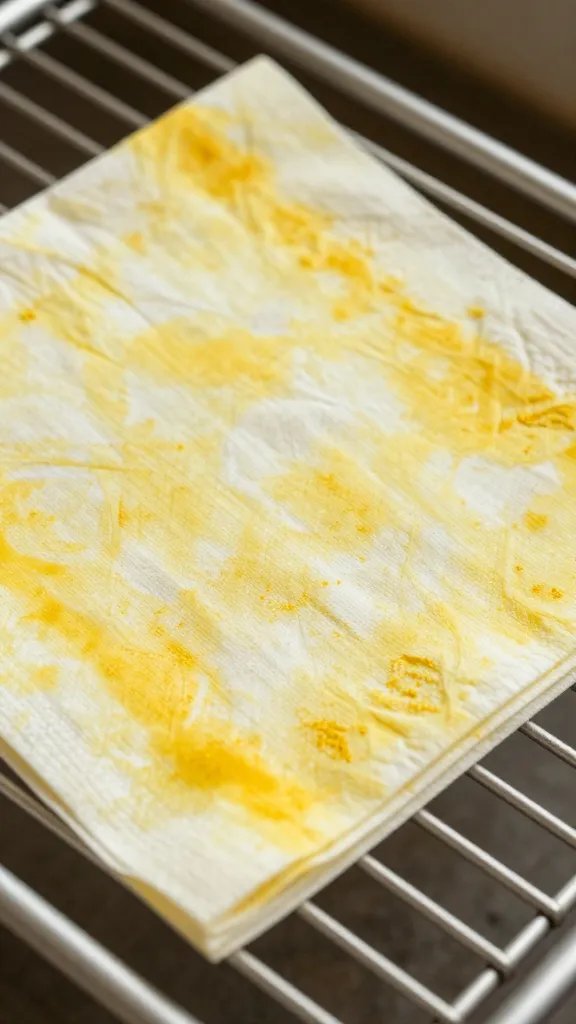
Scouring removes oils and finishes that block dye. Mordanting locks color to cotton so it survives the laundry. I do these the day before dyeing so I’m not rushing.
Step-by-Step Prep
- Scour: Simmer napkins in water with 1 tablespoon baking soda per quart for 45 minutes. Rinse hot. This opens up the fibers.
- Mordant with Alum: Dissolve 1 tablespoon alum per quart of hot water in a pot. Add napkins; keep just below a simmer for 45–60 minutes, stirring every 10 minutes for even uptake. Let cool in the bath, then rinse lightly.
- Optional Tannin Boost: For stronger pinks/browns, soak napkins 1 hour in strong black tea (4–6 tea bags per quart), then rinse. Do this before the alum bath if you need extra depth.
Warning: Use a pot and spoon dedicated to dye projects if you plan to make this a habit. While these ingredients are kitchen-safe, keep alum and concentrated dyes out of food prep.
Action today: Mix an alum bath and mordant one test napkin so you can run a small batch tomorrow with confidence.
Extract Color From Produce Without Burning It
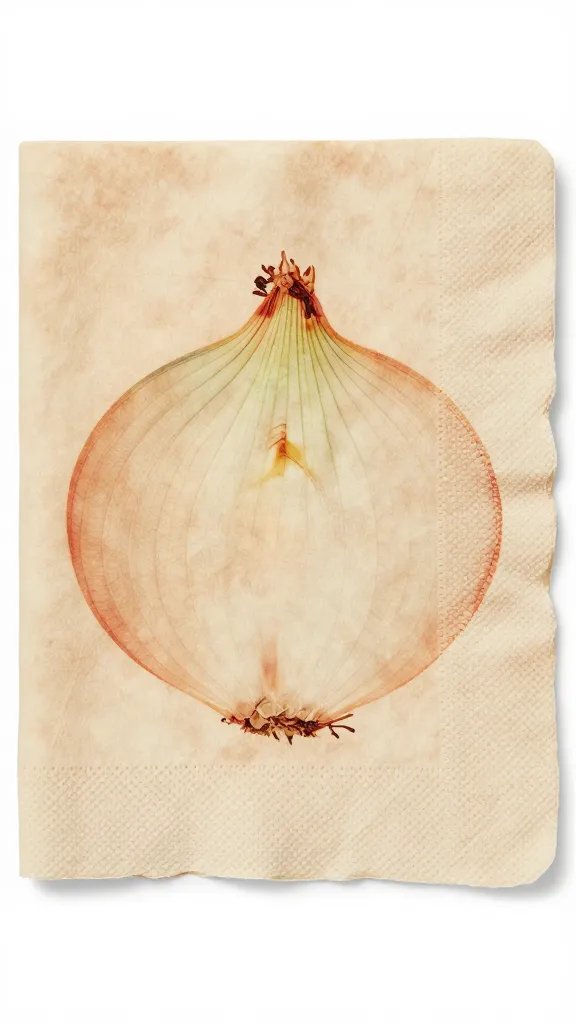
High heat can brown or dull plant dyes. I extract at a bare simmer and strain well for even color. Ratios matter for repeatable results.
Reliable Dye Pots
- Onion Skins: Two packed cups dry skins per quart water. Simmer 45 minutes; steep off heat 1 hour. Strain.
- Avocado Pits/Skins: 4–6 clean pits or equivalent skins per quart water. Crack pits with a hammer for better extraction. Simmer 60 minutes; steep 2–4 hours until deep brick-red. Strain.
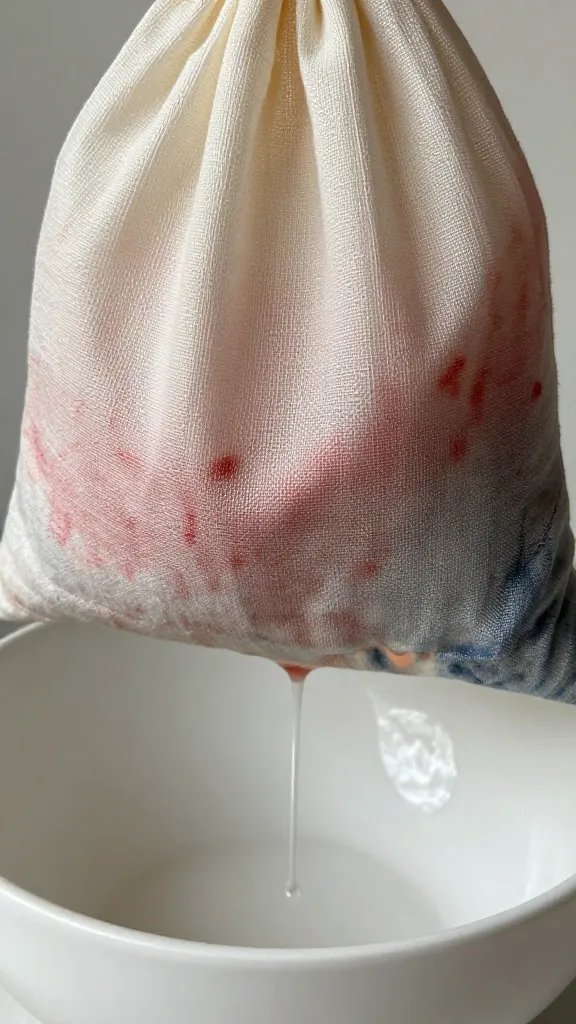
- Red Cabbage: Half a head chopped per quart water. Simmer 30 minutes; strain. For pink, add 2–4 tablespoons vinegar per quart. For blue-lavender, stir in 1/4–1/2 teaspoon baking soda per quart until the color shifts.
- Turmeric: 1–2 teaspoons powder per quart water. Stir thoroughly; keep heat low. Turmeric stains fast and strong.
- Tea/Coffee: 6–8 tea bags or 1/2 cup ground coffee per quart. Simmer 20 minutes; steep to taste.
Action today: Start an onion-skin pot — it’s forgiving, vivid, and a great first success.
Dyeing Methods: Solid, Even Tones and Easy Patterns
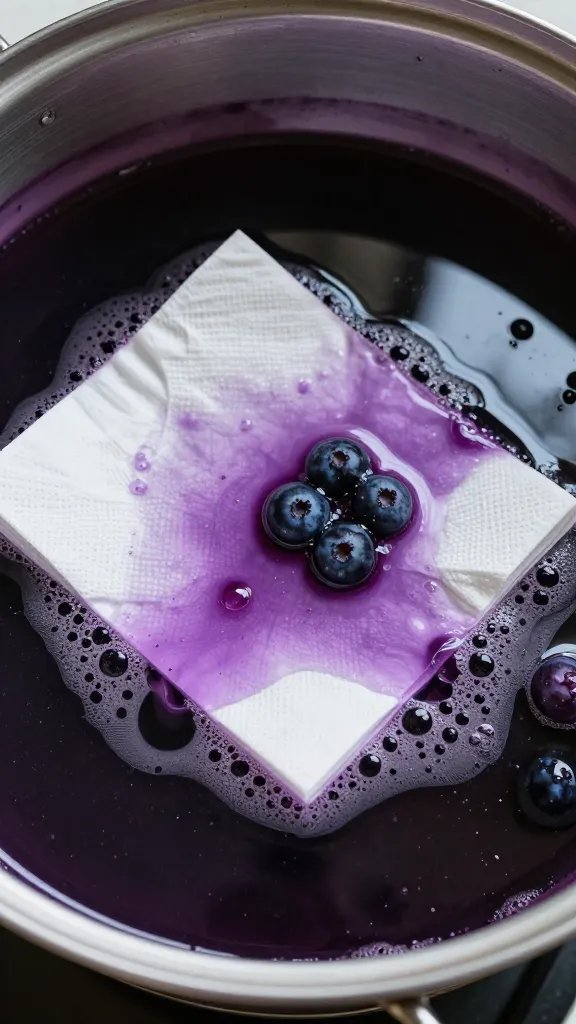
You can go for uniform color or add simple patterning with ties and folds. The key is keeping fabric wet and moving so pigment reaches every fold.
Solid Dye Bath
- Pre-wet mordanted napkins in warm water so they absorb dye evenly.
- Add to the strained dye bath at just below simmer. Keep the fabric submerged with a spoon.
- Stir every 5 minutes. Dye 30–60 minutes for most sources; longer deepens color.
- Lift and check color. Remember wet fabric looks darker; it will dry 1–2 shades lighter.
Simple Patterns That Work
- Band Folds: Accordion-fold napkins and bind with rubber bands every 1–2 inches for stripes.
- Quarter Tie: Pinch the center, twist, and band to get radiating rings.
- Marble Crumple: Crumple loosely and band in a grid for organic texture.
Action today: Fold one napkin into an accordion and add three rubber bands — dunk it in your next dye bath to test a striped pattern.
Set the Color and Make It Last in the Laundry
Natural dyes lighten if you skip the post-dye set. I lock color with a quick cool-down, a gentle rinse, and a fixing rinse suited to the dye source.
Post-Dye Steps
- Remove napkins and let them cool until comfortable to handle. Heat-shock rinsing can cause uneven fading.
- Rinse in cool water until it runs mostly clear. Don’t scrub.
- Fix:
- For berry, cabbage (pink), beet tones: 1 cup white vinegar in a basin of cool water, soak 10–15 minutes.
- For tea/coffee/onion/turmeric: A pinch of salt per quart in the rinse can help, but the alum mordant is doing the heavy lifting.
- Hang dry out of direct sun to prevent premature fading.
- Once fully dry, press with a hot iron to smooth and further set the finish.
Action today: Mix a vinegar rinse before you start dyeing so you transition straight from dye pot to fix without guesswork.
Common Problems and Fast Fixes
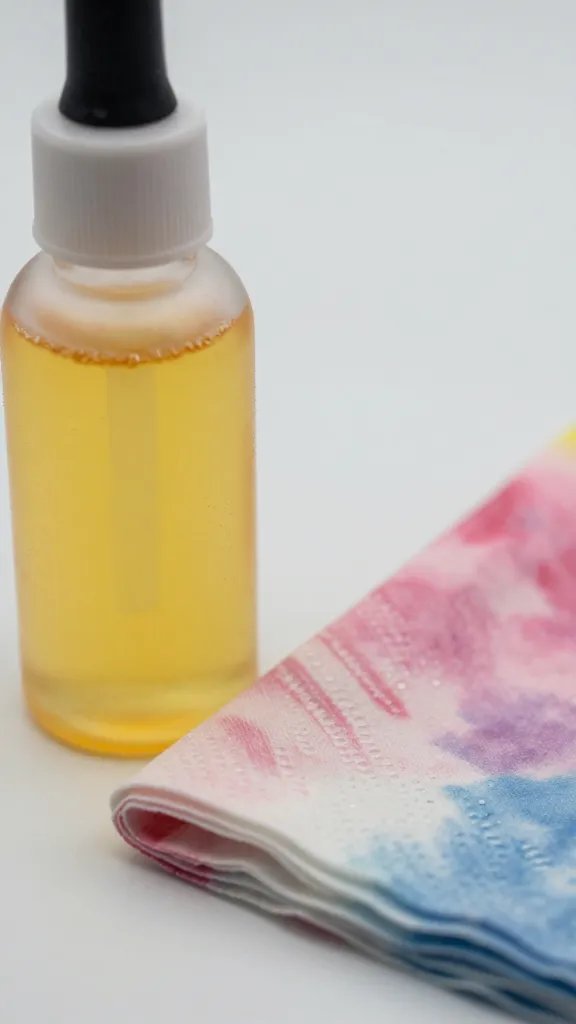
Most disappointments come from three issues: residue on fabric, too little dye for the fabric weight, or heat that’s either too high or too low.
Warning Signs and Fixes
- Blotchy patches: Fabric wasn’t fully wet or stirred. Re-wet, redye 20–30 minutes with regular stirring. Next time, soak napkins 10 minutes before dyeing.
- Color fades after first wash: No alum mordant or rushed rinse. Re-mordant, then overdye. Wash future batches on cold, gentle, mild detergent, and line-dry.
- Dull brown instead of bright color: Boiling broke pigments down. Keep to a low simmer and shorten extraction to 30–45 minutes.
- Weak color: Dye-to-fabric ratio too low. Double the plant material or halve the fabric in the bath.
Action today: Label your next dye pot with the produce, amount, water volume, and time — those notes prevent repeat mistakes.
Frequently Asked Questions
Can I dye pre-used napkins with stains on them?
Yes, but scrub stains first or they’ll show through. Soak in hot water with a tablespoon of oxygen-based stain remover for 30 minutes, then scour as directed. Darker dyes like onion skin amber or tea hide minor marks better than pale pinks. Always pre-wet before dyeing for even coverage.
Do I need a kitchen scale to measure anything?
No. Use household measures. For alum, use 1 tablespoon per quart of hot water; for turmeric, 1–2 teaspoons per quart; for vinegar rinse, 1 cup in a sink basin of cool water. Keep notes so you can repeat the colors you like.
Will these dyes bleed in the wash later?
Properly mordanted and rinsed pieces hold well, but the first wash can release a little color. Wash napkins separately the first two cycles on cold with a small amount of mild detergent. Avoid bleach and brighteners. Line-dry out of direct sun to reduce fading.
Is turmeric safe for my cookware and sink?
Turmeric is food-safe but it stains plastic and porous surfaces. Use stainless steel or enamel pots and rinse tools immediately after use. If your sink picks up yellow, scrub with baking soda and a drop of dish soap. Keep rags and countertops protected during the process.
How do I get a deeper color without making more dye?
Extend the dye time up to 90 minutes and let the fabric cool in the dye bath overnight for a stronger take-up. Alternatively, run two shorter dye sessions back-to-back, drying between them to build layers. Keep the pot just under a simmer and stir frequently for even depth. Always use mordanted cotton for best results.
Conclusion
You can turn kitchen scraps into durable, custom-colored cotton napkins with a hot wash, a simple alum bath, and a gentle, well-stirred dye session. Start with onion skins or avocado pits for reliable wins, then experiment with cabbage shifts for pinks and blues. If you’re ready to level up, plan a small swatch book: dye four coaster-sized scraps with different sources and label them — next time you’ll know exactly which pot gives the color you want on your table.
Printable Recipe Card
Want just the essential recipe details without scrolling through the article? Get our printable recipe card with just the ingredients and instructions.
Leave a Reply